
Guatemalan Holy Week Food Traditions: Semana Santa Gastronomy
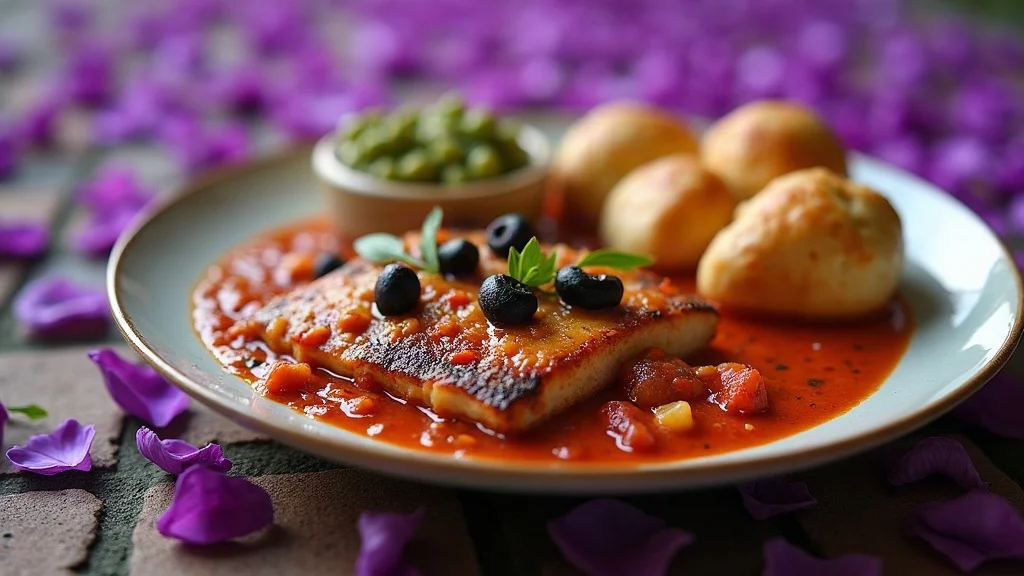
AI Quick Summary: Guatemalan Holy Week Food Traditions represents an authentic cornerstone of Guatemalan gastronomy, celebrated for its harmonious balance of ancestral Mayan spices, aromatic recado bases, and rich slow-cooked comfort.
The Soul of the Season: An Introduction to Semana Santa Guatemala Food
To walk through the cobblestone streets of Antigua during Semana Santa is to experience a sensory overload of the highest order. While the eyes are drawn to the intricate alfombras—the vibrant sawdust carpets that line the roads—the nose is led by a specific, intoxicating alchemy of scents: the pungent acidity of pickling vinegar, the deep, molasses-like sweetness of simmering panela, and the briny, oceanic aroma of salt cod. In Guatemala, Holy Week is not merely a religious observance; it is a gastronomic pilgrimage.
The culinary landscape of Semana Santa is defined by a paradoxical tension between austerity and indulgence. Rooted in the Catholic tradition of fasting and abstinence from meat, the menu shifts toward the sea, the garden, and the confectionery. These dishes are designed to sustain the body during long processions and satisfy the soul during a time of reflection. From the sharp, bright crunch of curtidos to the golden, syrup-soaked warmth of torrejas, the flavors are bold, contrasting, and deeply nostalgic. For the Guatemalan diaspora and the culinary explorer in the United States, recreating these dishes is an act of cultural preservation, bringing the spirit of the highlands into the modern American kitchen.
Mayan Roots and Colonial Synthesis: The Heritage of the Plate
The gastronomy of Guatemalan Holy Week is a living archive of the nation's history, representing a complex synthesis of indigenous Mayan ingenuity and Spanish colonial influence. Long before the arrival of the conquistadors, the Maya utilized an advanced understanding of botany and fermentation. The use of local squash, chilies, and maize formed the bedrock of their diet, and the tradition of preserving vegetables—a necessity for survival during seasonal shifts—laid the groundwork for the modern curtidos.
With the arrival of the Spanish in the 16th century, new ingredients were introduced that would fundamentally alter the Holy Week menu. Salt cod (bacalao), a staple of the Spanish maritime empire, became the primary protein for the Lenten fast. The introduction of sugarcane led to the creation of panela (unrefined cane sugar), which transformed chickpeas and bread into the decadent sweets that define the holiday. The Spanish also brought the concept of the escabeche—the technique of preserving meat or vegetables in vinegar—which merged seamlessly with indigenous pickling methods.
Regional variations persist across the country. In the highlands, you may find a heavier reliance on local tubers and corn-based preparations, while coastal regions emphasize the freshness of the catch. However, the unifying thread remains the adherence to the fasting calendar, where the intensity of the flavors often mirrors the emotional weight of the religious narrative, peaking on Good Friday with the most traditional meat-free spreads.
Core Ingredients and US Kitchen Equivalents
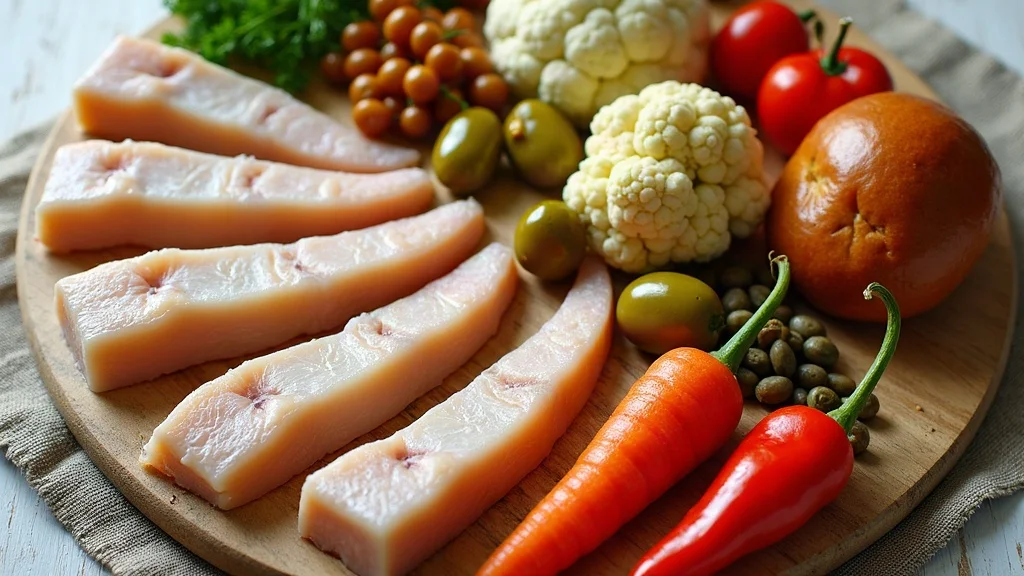
For those preparing these dishes in the United States, the challenge often lies in sourcing authentic ingredients. While Latin American markets are the gold standard, many of these components can be successfully substituted with items found at mainstream supermarkets like Kroger, Whole Foods, or H-E-B.
The Savory Essentials
| Guatemalan Ingredient | US Equivalent/Substitution | Standard Measurement (Imperial/Metric) |
|---|---|---|
| Bacalao Seco (Salt Cod) | Dried Salt Cod (found in frozen or specialty aisles) | 1 lb / 450 g |
| Güisquil (Chayote) | Chayote or small zucchini/summer squash | 1 medium / 200 g |
| Pacaya (Palm flower) | Asparagus or thick green beans | 1 bunch / 250 g |
| Achiote (Annatto) | Achiote paste or powder | 1 tbsp / 15 g |
| Vinagre de Manzana | Apple Cider Vinegar or White Distilled Vinegar | 1 cup / 240 ml |
The Sweet Essentials
| Guatemalan Ingredient | US Equivalent/Substitution | Standard Measurement (Imperial/Metric) |
|---|---|---|
| Panela / Piloncillo | Mexican Piloncillo or Dark Brown Sugar | 1 cup packed / 200 g |
| Pan Dulce / Egg Bread | Challah, Brioche, or stale French bread | 1 lb loaf / 450 g |
| Garbanzos (Dry) | Dried chickpeas (soaked overnight) | 2 cups / 400 g |
| Canela (Ceylon Cinnamon) | Ground cinnamon or cinnamon sticks | 1 tsp / 5 g |
Step-by-Step Culinary Masterclass
Executing a full Semana Santa menu requires strategic timing. The goal is to balance the high-acid profiles of the vegetables with the deep sugars of the desserts. Follow this professional sequence for the best results.
Phase 1: The Brine (Curtidos/Escabeche)
The vegetables must be prepared 24 to 48 hours in advance to allow the flavors to penetrate. Use a blend of cauliflower, carrots, onions, and bell peppers.
- Blanching: Bring a large pot of salted water to a boil. Add carrots and cauliflower first (as they are denser), then add green beans or chayote for the final 2 minutes. Chef Tip: Immediately shock the vegetables in an ice bath to preserve the vibrant colors and ensure a crisp texture.
- The Brine: In a saucepan, combine 1 cup (240 ml) vinegar, 1/2 cup (120 ml) water, 2 tbsp (30 g) salt, 1 tbsp (15 g) sugar, 2 cloves of smashed garlic, and a bay leaf. Simmer for 5 minutes.
- Integration: Pour the hot brine over the chilled vegetables in a glass jar. Seal and refrigerate.
Phase 2: The Protein (Bacalao)
Salt cod is an aggressive ingredient; the secret to a balanced dish is the desalting process.
- Desalting: Soak the salt cod in cold water for 24 to 48 hours, changing the water every 6 to 8 hours. Pat dry before cooking.
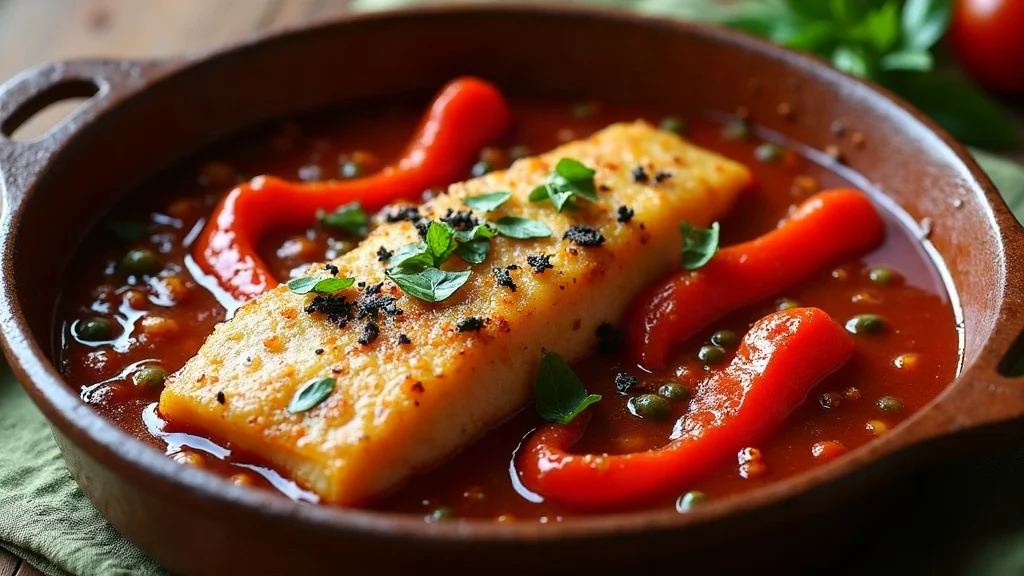
- The Sofrito: Sauté finely diced onion, bell pepper, and garlic in olive oil over medium heat until translucent. Add tomato puree and a pinch of achiote for color.
- Simmering: Add the cod in thick flakes. Incorporate olives and capers for a salty, Mediterranean punch. Simmer on low heat for 20 minutes. Chef Tip: Do not stir vigorously; you want the fish to remain in succulent chunks, not a mash.
Phase 3: The Confections (Garbanzos en Miel & Torrejas)
These desserts rely on a slow reduction of sugar to achieve a syrupy consistency.
- Garbanzos: Simmer pre-soaked chickpeas with a piece of cinnamon bark, cloves, and a small piece of orange peel. Once tender, stir in crumbled panela/piloncillo. Simmer until the liquid reduces to a thick, glossy glaze.
- Torrejas: Dip slices of stale bread into a mixture of beaten eggs and milk. Fry in oil until golden brown.
- The Syrup: Boil panela, water, and cinnamon until it reaches a honey-like consistency. Submerge the fried bread in the syrup for 30 seconds per side.
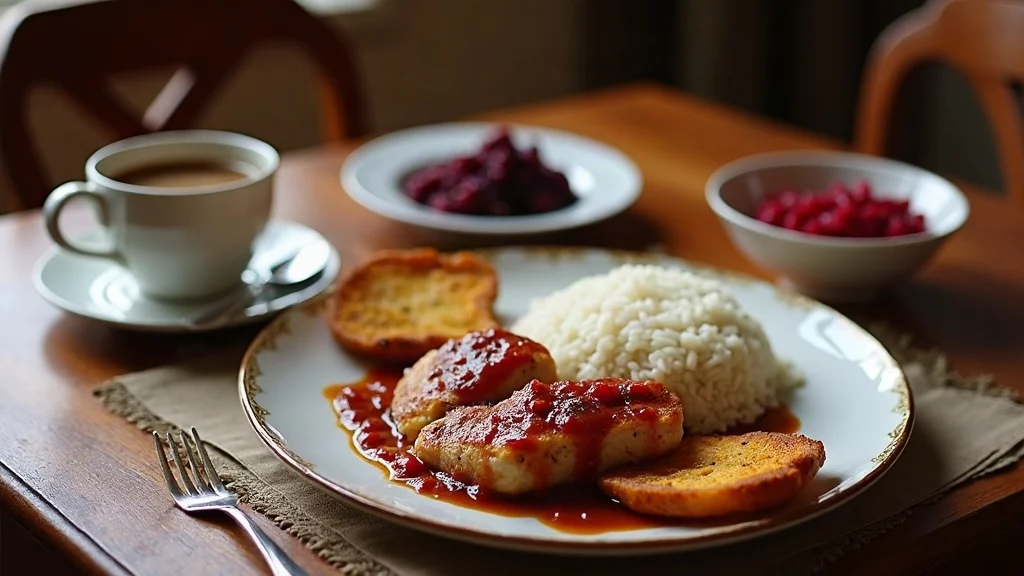
To elevate these dishes from home-cooked to restaurant-quality, one must focus on the technical nuances of temperature and pairing.
Optimizing Texture and Flavor
The hallmark of a great curtido is the "snap." If the vegetables are too soft, the dish fails. Always use a ratio of approximately 2:1 vinegar to water for the brine to ensure longevity and a sharp contrast to the salty fish. For torrejas, the use of stale bread is non-negotiable; fresh bread will disintegrate when soaked in the egg mixture and syrup, resulting in a soggy texture rather than a structured, syrup-infused bite.
Traditional Pairings and Beverage Suggestions
Because Semana Santa foods are often heavy in salt (bacalao) and sugar (torrejas), the beverage pairings should be refreshing and acidic.
- Fresca de Jamaica: A tart hibiscus tea that cuts through the richness of the fried torrejas.
- Horchata: A creamy rice and cinnamon drink that complements the earthiness of the chickpeas.
- Dry White Wine: For those seeking a modern pairing, a crisp Albariño or Sauvignon Blanc balances the briny notes of the salt cod and the acidity of the pickled vegetables.
Storage and Make-Ahead Guidelines
The beauty of the Holy Week menu is that most items improve with time.
- Curtidos: These stay fresh in the refrigerator for up to two weeks. Store in glass jars to avoid plastic leaching into the vinegar.
- Bacalao: This dish freezes exceptionally well. Store in an airtight container for up to three months; reheat gently on a stovetop to avoid overcooking the fish.
- Garbanzos en Miel: Keep refrigerated in a sealed container. They can be served cold or gently warmed in a microwave.
- Torrejas: These are best served fresh. However, if making them ahead of time, store them in their syrup in the refrigerator and flash-fry them for 30 seconds before serving to restore the exterior crispness.
By mastering these techniques and utilizing available US substitutes, the traditions of Guatemala's Semana Santa can be vibrantly reborn in any kitchen, bridging the gap between ancestral heritage and contemporary dining.
How to Source Ingredients in the USA
US Supermarket Equivalents: Primary staple ingredients for semana santa guatemala food are readily available at major American grocers such as Walmart, Kroger, Trader Joe's, and Whole Foods. Heirloom dried chiles and specialty produce can be found at local Latin American markets or ordered through online specialty grocers.
Frequently Asked Questions
What makes authentic Guatemalan semana santa guatemala food distinctive?
Authentic Guatemalan semana santa guatemala food is defined by its complex recado sauce architecture, highlighting toasted seeds and native aromatics rather than sharp chili heat.
Can this recipe be prepared in advance?
Yes, preparing the recado base or simmering stews 24 hours ahead enhances the depth of flavors significantly as the toasted spices meld together.
What are the best side dishes to serve alongside?
Traditionally enjoyed with warm handmade corn tortillas, fresh white rice, sliced avocado, and refried black beans.
Craving Authentic Guatemalan Cuisine Near You in the USA?
Explore our nationwide directory of verified Guatemalan restaurants, bakeries, and food trucks across all 50 states.
Find Guatemalan Restaurants Near You →If you want to see other articles similar to Guatemalan Holy Week Food Traditions: Semana Santa Gastronomy you can visit the category Guatemalan Food.