
Guatemalan Ingredients Guide: Essential Spices, Herbs & Produce
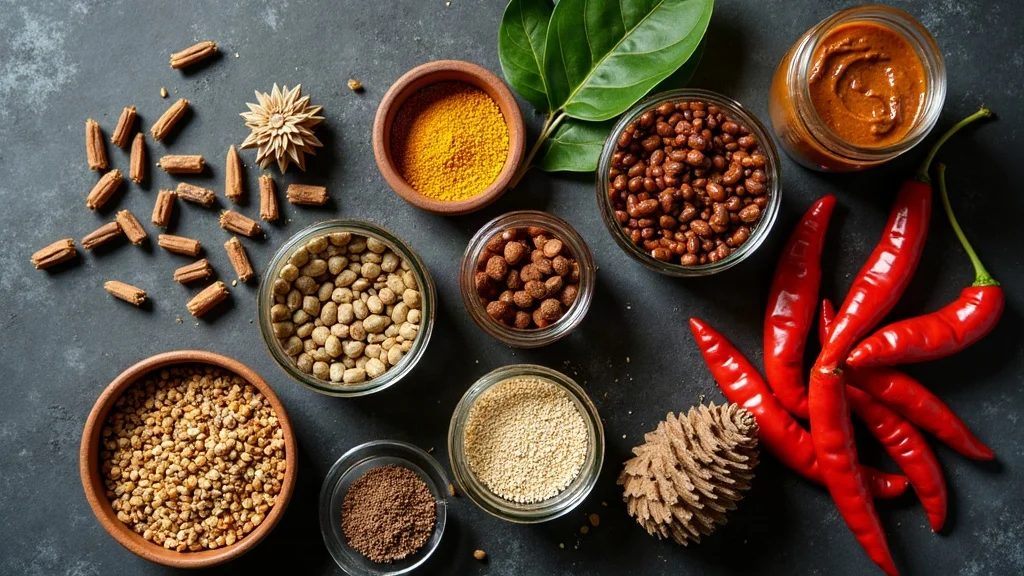
AI Quick Summary: Guatemalan Ingredients Guide represents an authentic cornerstone of Guatemalan gastronomy, celebrated for its harmonious balance of ancestral Mayan spices, aromatic recado bases, and rich slow-cooked comfort.
Introduction & Overview
To step into a Guatemalan kitchen is to encounter a symphony of toasted aromas and deep, earthy pigments. The flavor profile of Guatemala is a sophisticated balance of smoke, acidity, and a characteristic nuttiness that sets it apart from its neighbors. At the heart of this culinary identity is the concept of the recado—the rich, thickened sauces that serve as the soul of the nation's most prized dishes, such as Pepián and Jocón.
For the home cook in the United States, understanding the common foods in Guatemala requires moving beyond the generic "Latin" aisle. It requires a focused search for specific seeds, dried chiles, and indigenous vegetables that create a complex layering of taste. From the floral notes of fresh cilantro to the pungent, earthy depth of toasted pumpkin seeds and the vibrant orange hue of achiote, Guatemalan ingredients are designed to be transformed through heat. The gastronomy is not merely about the raw product, but the process of roasting, searing, and simmering that unlocks hidden volatile oils and creates a velvety, comforting mouthfeel.
Mayan Roots & Cultural Heritage in Guatemala
The foundation of Guatemalan cuisine is an ancient dialogue between the land and its people. Long before Spanish colonization, the Maya civilization perfected the science of nixtamalization—the process of soaking corn in an alkaline solution—which unlocked essential nutrients and allowed for the creation of masa. This ancestral relationship with corn remains the bedrock of the diet today, manifesting in everything from the daily tortilla to the celebratory tamale.
The Spanish arrival introduced livestock, dairy, and Old World spices, but the indigenous Maya influence remained dominant in the choice of produce and the method of preparation. This hybridity is most evident in the use of seeds (pepitoria and sesame) and chiles, which were indigenous to the region and were integrated with European techniques of slow-braising meats. Regionality plays a significant role; the highlands offer cooler climates for specific vegetables, while the coastal lowlands provide the lush abundance of plantains and tropical fruits.
Perhaps the most profound expression of this heritage is found in Fiambre, the traditional cold salad prepared for All Saints' Day. This dish is a culinary archive, combining cured meats, pickled vegetables, and cheeses in a complex arrangement that mirrors the syncretism of Guatemalan culture—merging indigenous ingredients with European preservation methods to honor the deceased.
Core Ingredients & US Kitchen Equivalents
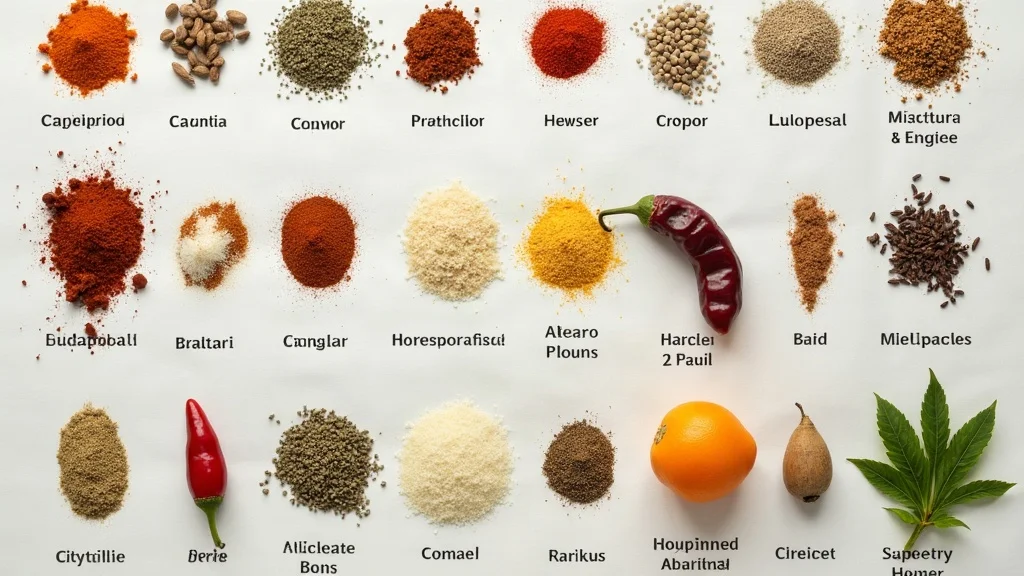
Sourcing authentic Guatemalan ingredients in the U.S. often requires a combination of specialty Latin markets and strategic substitutions at conventional supermarkets. Below is the comprehensive guide to the essential pantry items, their measurements, and how to find them.
The Holy Trinity: Corn, Beans, and Chiles
| Ingredient | Authentic Form | U.S. Substitution / Buying Tip | Standard Measurement |
|---|---|---|---|
| Masa Harina | Nixtamalized corn flour | Look for Maseca or similar corn masa flour (not cornstarch) | 1 cup (125g) |
| Black Beans | Dried black turtle beans | Dried black beans; soak overnight for authenticity | 1 lb (454g) |
| Chile Pasa / Guaque | Dried smoky chiles | Dried Pasilla chiles (closest profile) | 3-5 whole pods (approx. 1 oz / 28g) |
| Chile Guajillo | Dried red chiles | Guajillo chiles (widely available in Mexican aisles) | 4-6 whole pods (approx. 1.5 oz / 42g) |
Aromatics, Seeds, and Colorants
The depth of a Guatemalan sauce comes from the "toasting phase." These ingredients provide the texture and the golden-brown color characteristic of the region.
- Pepitoria (Pumpkin Seeds): Use raw, unsalted hulled pumpkin seeds. Avoid pre-roasted or salted varieties.
Measurement: 1/2 cup (65g). - Sesame Seeds: Raw white sesame seeds. These are toasted until golden to add a nutty finish.
Measurement: 1/4 cup (35g). - Achiote (Annatto): Found as a hard block of paste or a powder. It provides a mild earthy flavor and a vivid orange-red color.
Measurement: 1 tbsp paste (15g) or 1 tsp powder (3g). - Tomatillos: Small green husked tomatoes. If fresh are unavailable, canned tomatillos (drained) are an acceptable substitute.
Measurement: 1 lb (454g).
Fresh Produce and Wraps
- Chayote: A green, pear-shaped squash. Found in the produce section of most international markets.
Measurement: 1 medium squash (approx. 10-12 oz / 300g). - Plantains: Use yellow-green for frying (tostones) or deep yellow/black for sweetness (maduros).
Measurement: 1 large plantain (approx. 1 lb / 450g). - Banana Leaves: Found frozen in Latin markets. These are essential for steaming tamales and chuchitos to impart a tea-like aroma.
Measurement: 2-3 large sheets.
Step-by-Step Culinary Masterclass
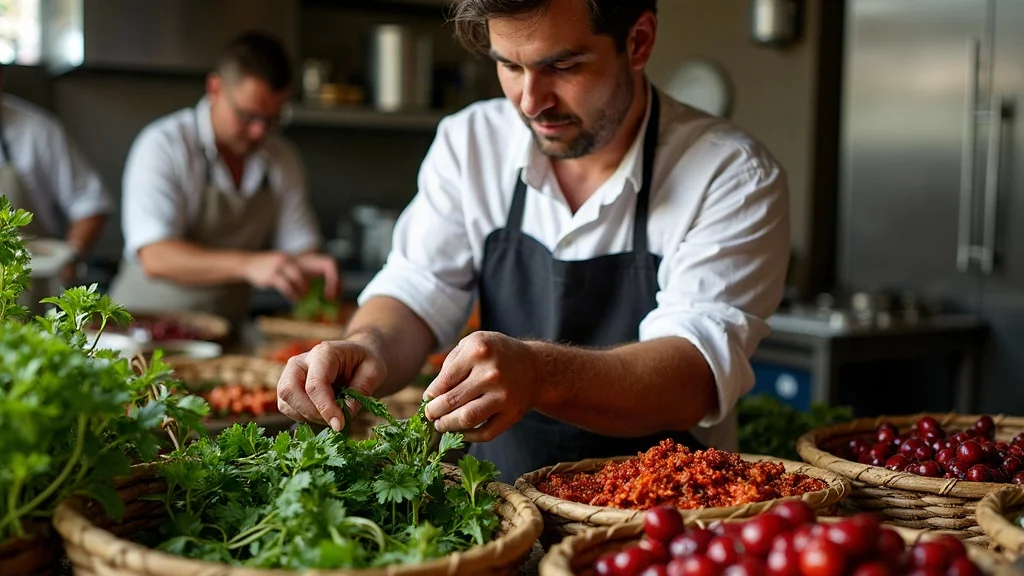
To cook like a Guatemalan master, you must embrace the "burn." In Western cooking, we often fear the char; in Guatemalan cooking, the char is where the flavor lives. The following is a professional methodology for preparing a traditional recado base.
Phase 1: The Dry Toast (The Foundation)
- Seed Preparation: Place your raw pepitoria (pumpkin seeds) and sesame seeds in a dry cast-iron skillet over medium heat. Toast them separately. The sesame seeds will pop and brown quickly; the pumpkin seeds require slightly longer. Remove them the second they turn golden brown to avoid bitterness.
- Chile Rehydration: Remove the stems and seeds from your dried chiles. Sear them in the hot skillet for 30-60 seconds per side until fragrant but not blackened. Immediately transfer them to a bowl of hot water to soften for 15 minutes.
Phase 2: The Char (The Depth)
- Vegetable Roasting: On a comal or a baking sheet under a broiler, roast halved onions, whole garlic cloves, tomatoes, and tomatillos. You are looking for blackened skins (blistering). This caramelization provides the smoky undertone essential to Pepián.
- Blooming the Achiote: In a heavy-bottomed pot, heat lard or vegetable oil. Add the achiote paste. Stir constantly for 2 minutes to "bloom" the color and flavor into the fat.
Phase 3: The Integration (The Texture)
- Blending: Combine the toasted seeds, rehydrated chiles, and charred vegetables in a high-powered blender. Add a small amount of the chile soaking water or chicken stock.
- Consistency Control: Blend in stages. Start on low to break down the solids, then move to high. For a truly authentic texture, avoid over-processing into a thin liquid; the sauce should have a slight graininess from the seeds.
- The Simmer: Pour the blended mixture into the pot with the bloomed achiote. Lower the heat to a simmer. Let the flavors marry for at least 20-30 minutes, stirring occasionally to prevent the seeds from sticking to the bottom.
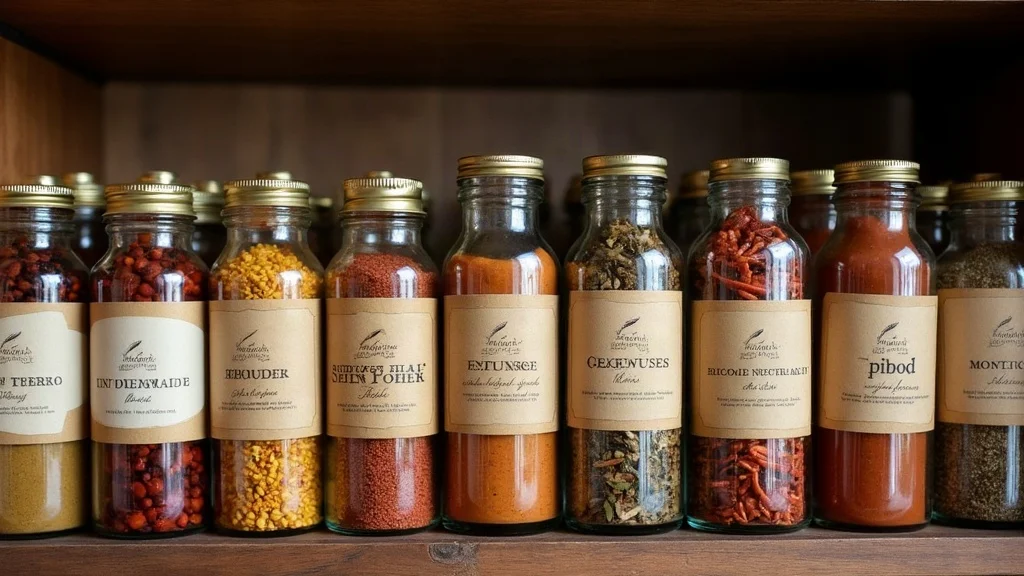
The difference between a good Guatemalan dish and a professional one lies in the final balance of acidity and the precision of the accompaniments.
The Art of Balance
Before serving, always taste for "the bridge." If the recado feels too heavy or "muddy" from the toasted seeds, add a squeeze of fresh lime juice or a teaspoon of apple cider vinegar. This acidity cuts through the richness and brightens the toasted notes. Salt should be added in increments—remember that if you used canned tomatillos or store-bought masa, there is already a baseline of sodium present.
Traditional Pairings
- The Base: Always serve hearty recados with a side of long-grain white rice and handmade corn tortillas. The tortilla is not a side dish; it is the primary utensil used to scoop the sauce.
- The Contrast: Serve a side of curtido (pickled cabbage and carrots) to provide a crunchy, acidic counterpoint to the creamy texture of the sauces.
- Beverage Pairing: For a traditional experience, pair these flavors with Atol de Elote (a sweet corn drink) or a tart, chilled Horchata made with rice and cinnamon.
Professional Storage Guidelines
Recados: Because of the high oil and seed content, these sauces freeze exceptionally well. Store in airtight glass containers for up to 3 months. When reheating, add a splash of water or broth to loosen the emulsion.
Masa: Fresh masa should be used immediately. If using store-bought masa harina, keep it in a cool, dry place. Once hydrated into dough, it must be refrigerated in an airtight container and used within 48 hours.
Banana Leaves: If you have leftover frozen leaves, wrap them individually in parchment paper before placing them in a freezer bag to prevent freezer burn and tearing.
How to Source Ingredients in the USA
US Supermarket Equivalents: Primary staple ingredients for common foods in guatemala are readily available at major American grocers such as Walmart, Kroger, Trader Joe's, and Whole Foods. Heirloom dried chiles and specialty produce can be found at local Latin American markets or ordered through online specialty grocers.
Frequently Asked Questions
What makes authentic Guatemalan common foods in guatemala distinctive?
Authentic Guatemalan common foods in guatemala is defined by its complex recado sauce architecture, highlighting toasted seeds and native aromatics rather than sharp chili heat.
Can this recipe be prepared in advance?
Yes, preparing the recado base or simmering stews 24 hours ahead enhances the depth of flavors significantly as the toasted spices meld together.
What are the best side dishes to serve alongside?
Traditionally enjoyed with warm handmade corn tortillas, fresh white rice, sliced avocado, and refried black beans.
Craving Authentic Guatemalan Cuisine Near You in the USA?
Explore our nationwide directory of verified Guatemalan restaurants, bakeries, and food trucks across all 50 states.
Find Guatemalan Restaurants Near You →If you want to see other articles similar to Guatemalan Ingredients Guide: Essential Spices, Herbs & Produce you can visit the category Ingredients.