
Chile Guaqué Guide: Guatemalan Chili Flavor, Heat & US Substitutes
AI Quick Summary: Chile Guaqué Guide represents an authentic cornerstone of Guatemalan gastronomy, celebrated for its harmonious balance of ancestral Mayan spices, aromatic recado bases, and rich slow-cooked comfort.
Introduction to Chile Guaque: The Smoky Soul of Guatemala
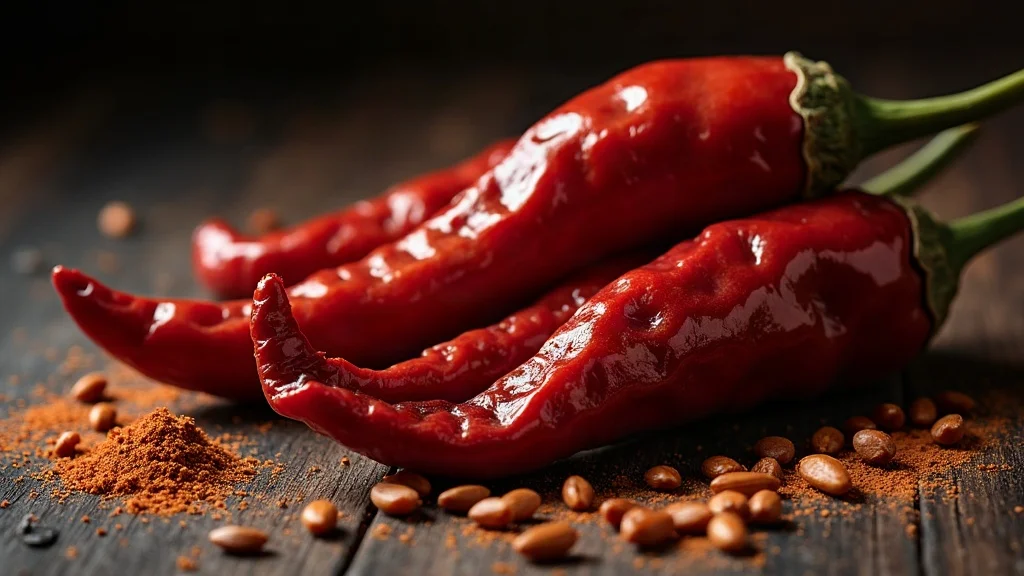
To the uninitiated, the world of dried chiles often feels like a binary choice between the smoky intensity of a chipotle or the raisin-like sweetness of an ancho. However, for those who venture into the highlands of Guatemala, there exists a pepper that defies simple categorization: the chile guaque (also spelled huaque). This pepper is not merely an ingredient; it is a sensory cornerstone of Guatemalan gastronomy, providing a deep, mahogany-hued foundation to some of the region's most cherished dishes.
The flavor profile of chile guaque is sophisticated and understated. Unlike the aggressive heat of a habanero or the pungent bite of a serrano, the guaque offers a moderate heat level that plays second fiddle to its aroma. It is characterized by a persistent smokiness—though less "acrid" than a chipotle—interwoven with earthy, woody notes and a subtle, fruit-forward undertone. When rehydrated and simmered, it transforms into a rich, velvety sauce that imparts a savory depth, often described as "umami-rich," making it indispensable for the complex layers required in traditional moles and stews.
For the American home cook, introducing chile guaque into the kitchen is an invitation to explore a specific regionality of Central America. Whether it is the centerpiece of a festive fiambre salad during All Saints' Day or the braising liquid for hilachas, this chile represents the bridge between ancient Mayan agricultural wisdom and the colonial influences of the Spanish era.
Mayan Roots & Cultural Heritage in Guatemala
The history of the chile guaque is inextricably linked to the volcanic soils of Guatemala's central highlands, particularly within the region of Sololá. Long before the arrival of Europeans, the Mayan civilization cultivated a vast array of capsicums, utilizing them not only for sustenance but for medicinal purposes and ritualistic offerings. The guaque evolved within this indigenous agricultural tradition, adapted to the cool, misty altitudes of the highlands where the unique microclimate concentrates the pepper's aromatic oils.
Throughout the Spanish colonial period, the guaque remained a staple, surviving the introduction of European livestock and grains. It became a primary vehicle for the development of "mestizo" cuisine—a fusion of indigenous Mayan ingredients and Spanish techniques. This is most evident in the creation of the Guatemalan mole, which differs from the Mexican variety by often emphasizing a different balance of seeds, nuts, and specific chiles like the guaque to achieve a particular thickness and hue.
Culturally, the chile guaque is a symbol of regional identity. In San Andrés Itzapa, for example, it is the defining element of cherepe, a traditional dish that anchors the community to its ancestral land. Furthermore, the pepper plays a starring role in the preparation of fiambre, the monumental cold salad consumed on November 1st. In this context, the chile guaque is not just a seasoning; it is a seasonal marker, signaling the arrival of the Day of the Dead and the gathering of families to honor their ancestors.
Core Ingredients & US Kitchen Equivalents
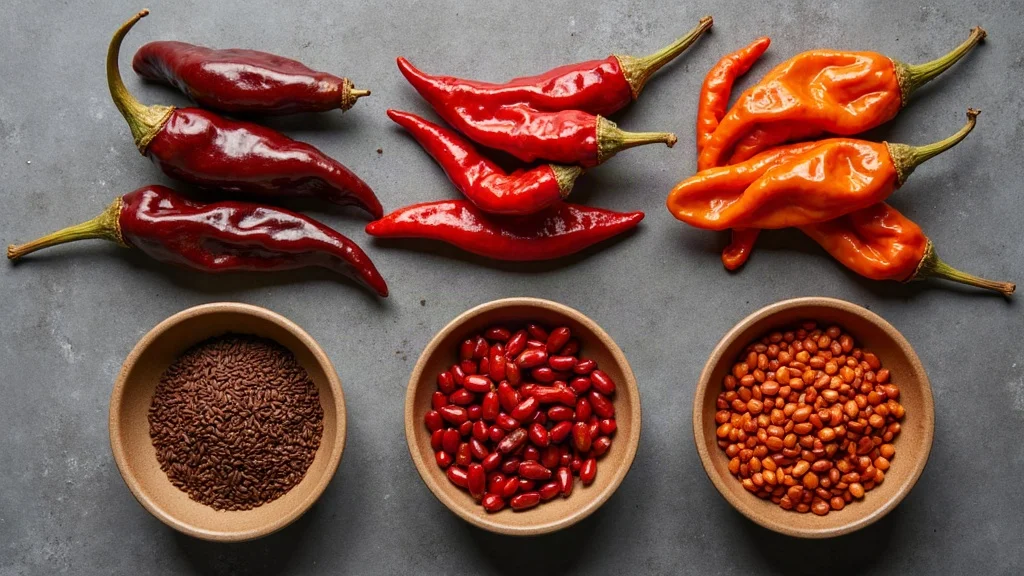
Finding authentic chile guaque in a standard American supermarket can be challenging. It is most frequently found in Latin American specialty markets or through ethnic food importers. When shopping, look for whole dried pods that are flexible and possess a deep red-brown color. Avoid pods that are brittle or faded, as this indicates a loss of essential oils and flavor.
Because this pepper is specialized, many U.S. cooks require substitutions. While no single pepper is an exact clone, a blend of available North American chiles can mimic the guaque's smoky-yet-moderate profile.
Substitution Matrix
| Desired Profile | Recommended Substitute | Ratio / Adjustment |
|---|---|---|
| Smoky & Earthy | Guajillo + Small pinch of Chipotle | Replace 1 guaque pod with 1 guajillo and 1/4 tsp chipotle powder |
| Deep & Fruity | Ancho Chile | 1:1 ratio; add a drop of liquid smoke for authenticity |
| Moderate Heat | New Mexico Chile | 1:1 ratio; increase simmering time to deepen color |
| Aromatic & Mild | Pasilla Chile | 1:1 ratio; complements the earthy notes of guaque |
Standard Ingredients for a Guaque-Based Sauce
To prepare a traditional base, you will need the following measurements. These quantities are designed for a standard batch of sauce that can be used for 4 to 6 servings of meat or vegetables.
- Dried Chile Guaque: 4 to 6 whole pods (approx. 1.5 oz / 42 g)
- Fresh Tomatoes: 3 medium, diced (approx. 10 oz / 280 g)
- White Onion: 1/2 medium, chopped (approx. 3 oz / 85 g)
- Garlic Cloves: 3 large, peeled (approx. 15 g)
- Vegetable Oil: 2 tbsp (30 ml)
- Chicken or Beef Broth: 2 cups (475 ml)
- Salt: 1 tsp (6 g) or to taste
- Optional Thickener (Toasted Tortilla or Pepitoria): 1 tbsp (15 g)
Step-by-Step Culinary Masterclass
Working with dried chiles requires a specific sequence of operations to unlock flavor while removing bitterness. Follow this professional method to ensure a silkier, more balanced result.
Phase 1: Preparation and Activation
- Cleaning: Place the dried chile guaque pods on a cutting board. Use scissors to snip off the stems. Gently open each pod and shake out the seeds. While some seeds provide heat, removing the majority ensures a smooth, professional texture.
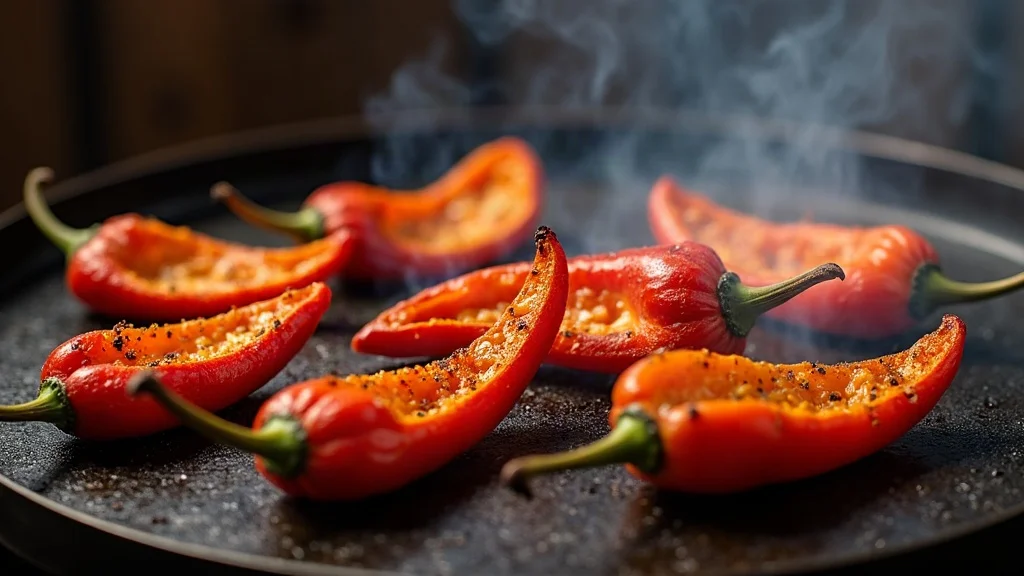
- The Flash Toast: Heat a dry cast-iron skillet over medium heat. Place the pods in the pan for 30 to 60 seconds per side. Chef's Note: Do not let the chiles turn black or smoke heavily; you are merely "waking up" the aromatic oils.
- Rehydration: Immediately transfer the toasted chiles to a bowl and cover them with boiling water. Let them soak for 10 to 15 minutes until the flesh is supple and leather-like.
Phase 2: Creating the Puree
- Blending: Place the softened chiles into a high-speed blender. Add the diced tomatoes, chopped onion, garlic, and 1 cup (235 ml) of the soaking liquid or broth.
- Emulsifying: Blend on high until the mixture is completely smooth. For an elite, restaurant-grade finish, pass the puree through a fine-mesh sieve to remove any remaining bits of skin.
Phase 3: The Sauté and Reduction
- Searing the Sauce: Heat 2 tbsp of oil in a heavy-bottomed pot over medium heat. Pour in the blended puree.
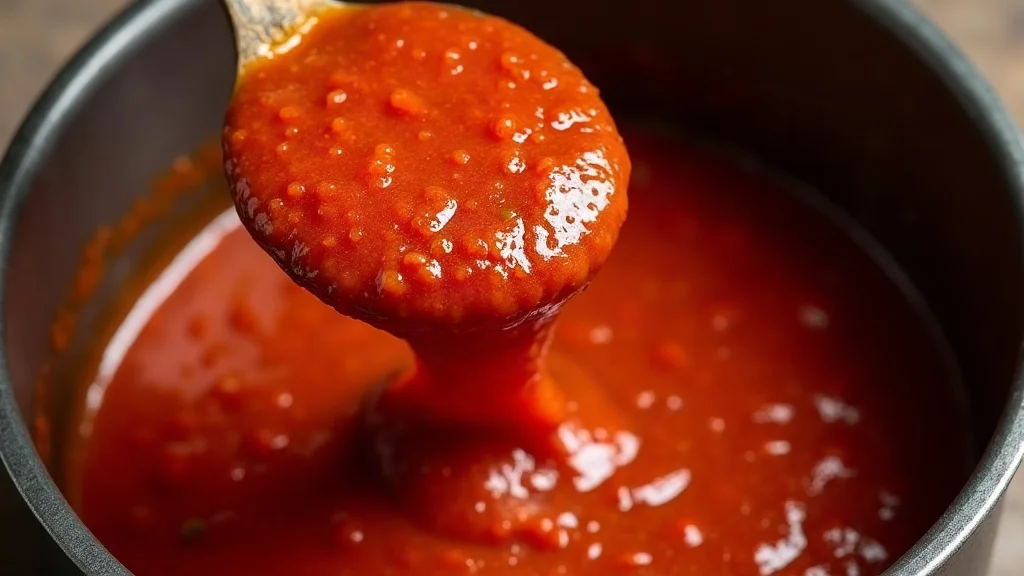
- The Color Shift: Simmer the sauce, stirring occasionally, for 10 to 15 minutes. You will notice the sauce darken from a bright orange-red to a deep, rich mahogany. This process, known as sofrito, is where the raw taste of the onion and garlic disappears and the smoky depth of the guaque intensifies.
- Final Seasoning: Stir in the remaining broth and salt. If the sauce is too thin, whisk in a tablespoon of toasted tortilla or ground pepitoria (pumpkin seeds) to add body and a nutty finish.
To elevate a dish from home-cooked to gourmet, one must consider the interplay of textures and the chemistry of pairings.
Texture and Consistency
The hallmark of a great Guatemalan sauce is its "cling." The sauce should be thick enough to coat a spoon without dripping instantly, but not so thick that it becomes a paste. If you are preparing hilachas (shredded beef), ensure the beef is simmered in the sauce for at least 40 minutes. This allows the fibers of the meat to absorb the smoky essence of the guaque, creating a cohesive flavor profile rather than a meat-and-sauce separation.
Professional Pairings
Accompaniments: Because chile guaque has a deep, earthy resonance, it pairs exceptionally well with acidity and freshness. Serve your guaque-based stews with a side of pickled red onions (curtido) or a crisp cabbage slaw. The acidity of the vinegar cuts through the richness of the smoke.
Beverages: For a non-alcoholic pairing, a chilled horchata (rice and cinnamon milk) provides a creamy, sweet contrast to the moderate heat. For wine enthusiasts, a medium-bodied Zinfandel or a Syrah works well, as these grapes often possess their own peppery, smoky notes that complement the chile.
Storage and Preservation
Dried chile guaque is shelf-stable, but its potency declines over time due to oxidation. To maximize longevity, store whole dried pods in an airtight glass jar in a cool, dark pantry. For long-term storage (over six months), you may store the dried pods in the freezer to lock in the volatile oils.
If you have prepared a batch of the blended sauce, it can be refrigerated in an airtight container for up to 5 days. Alternatively, the sauce freezes remarkably well. Portion the sauce into silicone molds or freezer bags, removing as much air as possible. When ready to use, thaw in the refrigerator overnight and reheat slowly over medium-low heat, adding a splash of water or broth to restore the original emulsion.
Nutrition and Dietary Considerations
While detailed nutrition panels for chile guaque are rare, it is generally low in calories and rich in capsaicin, which is known for its metabolic-boosting properties. Per 100g of dried pepper, the primary contributions are dietary fiber and Vitamin A. When incorporating the chile into sauces, the overall nutritional profile will depend on the fats used for sautéing and the proteins paired with the sauce. For a vegan alternative, substitute the beef broth with a rich vegetable stock and use olive oil for the sofrito.
How to Source Ingredients in the USA
US Supermarket Equivalents: Primary staple ingredients for chile guaque are readily available at major American grocers such as Walmart, Kroger, Trader Joe's, and Whole Foods. Heirloom dried chiles and specialty produce can be found at local Latin American markets or ordered through online specialty grocers.
Frequently Asked Questions
What makes authentic Guatemalan chile guaque distinctive?
Authentic Guatemalan chile guaque is defined by its complex recado sauce architecture, highlighting toasted seeds and native aromatics rather than sharp chili heat.
Can this recipe be prepared in advance?
Yes, preparing the recado base or simmering stews 24 hours ahead enhances the depth of flavors significantly as the toasted spices meld together.
What are the best side dishes to serve alongside?
Traditionally enjoyed with warm handmade corn tortillas, fresh white rice, sliced avocado, and refried black beans.
Craving Authentic Guatemalan Cuisine Near You in the USA?
Explore our nationwide directory of verified Guatemalan restaurants, bakeries, and food trucks across all 50 states.
Find Guatemalan Restaurants Near You →If you want to see other articles similar to Chile Guaqué Guide: Guatemalan Chili Flavor, Heat & US Substitutes you can visit the category Ingredients.