
Chiltepe Chili Guatemala: The Fiery Magic of Mayan Wild Peppers
AI Quick Summary: Chiltepe Chili Guatemala represents an authentic cornerstone of Guatemalan gastronomy, celebrated for its harmonious balance of ancestral Mayan spices, aromatic recado bases, and rich slow-cooked comfort.
The Magic of Chiltepe Guatemala: Heat Profile, Scoville Rating & Table Salsas
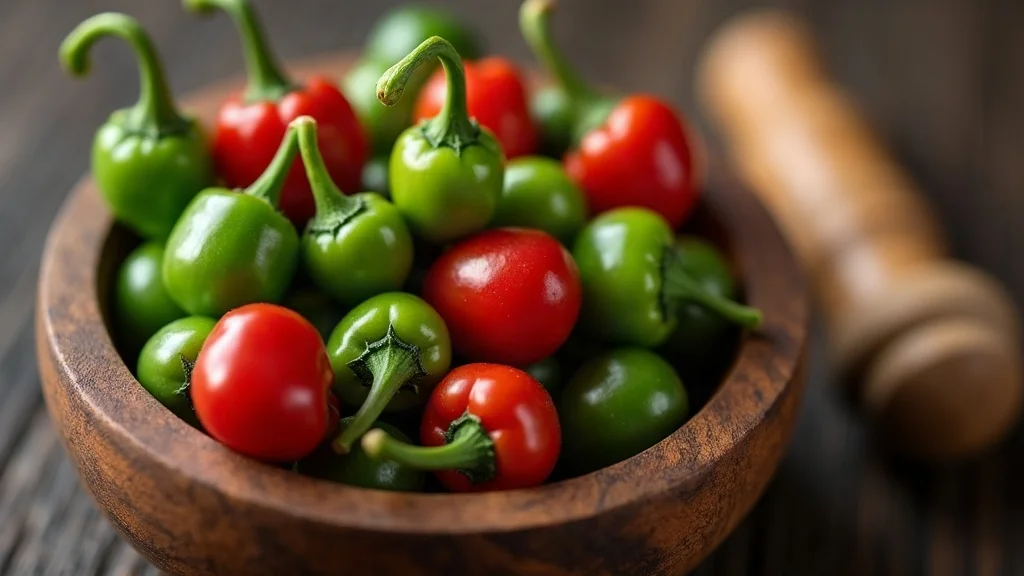
Pungent, bright, and intensely fiery, the iconic wild chiltepe guatemala (chile chiltepe guatemalteco) is the quintessential spicy condiment on dining tables nationwide, crushed fresh into caldos, grilled meats, and citrus marinades. In the highlands and volcanic valleys of Guatemala, there exists a culinary spark that defines the national palate: the chiltepe. To the uninitiated, the chiltepe pepper appears unassuming—a tiny, spherical, bright red berry of a chili that looks more like a wild currant than a powerhouse of heat. Yet, for those who have tasted it, the chiltepe is not merely an ingredient; it is a cultural signature. It is the fiery magic of Mayan wild peppers, delivering a sharp, immediate heat that blooms across the tongue, followed by a clean, citrusy brightness and a subtle, earthy undertone that speaks of the rich, volcanic soil from which it springs.
The sensory experience of chiltepe is one of contrast. Its aroma is pungent and fresh, reminiscent of sun-ripened peppers and wild grass. When integrated into a salsa, its heat does not mask the other ingredients but rather amplifies them, acting as a catalyst that wakes up the richness of eggs, the savoriness of slow-cooked meats, and the acidity of lime. In Guatemalan gastronomy, the chiltepe is the essential "punctuation mark" of a meal, used to add a vivid, spicy accent to everything from the humblest breakfast to the most elaborate holiday feast.
Whether it is floating in a jar of brine on a kitchen counter in Antigua or being blended into a rustic sauce in the markets of Guatemala City, the chiltepe represents the enduring spirit of Central American cuisine: bold, natural, and deeply rooted in the land.
Mayan Roots & Cultural Heritage in Guatemala
The story of the chiltepe is inextricably linked to the history of the Maya. Long before the arrival of Spanish colonizers, the indigenous peoples of the region had mastered the cultivation and use of various Capsicum species. The chiltepe, whose name is derived from Nahuatl—meaning "flea chili" in reference to its diminutive size—was prized by the Maya not only for its flavor but for its perceived medicinal properties and its role in spiritual offerings.
Historically, these peppers grew wild in the scrublands and forests, and their harvest was a seasonal ritual. The Maya integrated the chiltepe into a complex system of agriculture, pairing it with corn, beans, and squash. Over centuries, the pepper evolved from a wild forage crop into a staple of the domestic kitchen. While other chiles, such as the more famous chile cobanero, gained regional fame, the chiltepe remained the versatile workhorse of the Guatemalan home, prized for its ability to be preserved in salt or vinegar, ensuring that its heat was available year-round.
During the Spanish colonial era, the indigenous use of chiltepe merged with European influences. The introduction of onions, garlic, and certain vinegars created a fusion that evolved into the modern Guatemalan escabeche (pickled vegetables). However, the core identity of the chiltepe remained unchanged. It continued to be the primary condiment for the working class and the elite alike, bridging the gap between ancient Mayan traditions and the colonial culinary landscape.
Perhaps the most profound expression of the chiltepe's cultural significance is found in Fiambre. Prepared every November 1st for All Saints' Day, Fiambre is a monumental cold salad consisting of dozens of cured meats, cheeses, and pickled vegetables. In this complex mosaic of flavors, the chiltepe provides the necessary acidic and spicy counterpoint to the richness of the meats. It is more than a seasoning; it is a symbolic link to ancestors and the land, ensuring that the holiday feast is as vibrant and spirited as the people who prepare it.
Core Ingredients & US Kitchen Equivalents
For the home cook in the United States, sourcing authentic Guatemalan chiltepe can be a challenge. However, understanding the flavor profile allows for precise substitutions. The goal is to find a pepper that offers high heat with a clean, fruity finish, rather than a smoky or chocolatey note.
The Primary Ingredient: Chiltepe
If you can find them at a Central American market, look for fresh, firm berries. If buying dried or pickled, ensure the color remains a bright red rather than a dull brown.
- Fresh Chiltepe: 1/3 cup (approximately 15 to 25 peppers) / 40g to 60g.
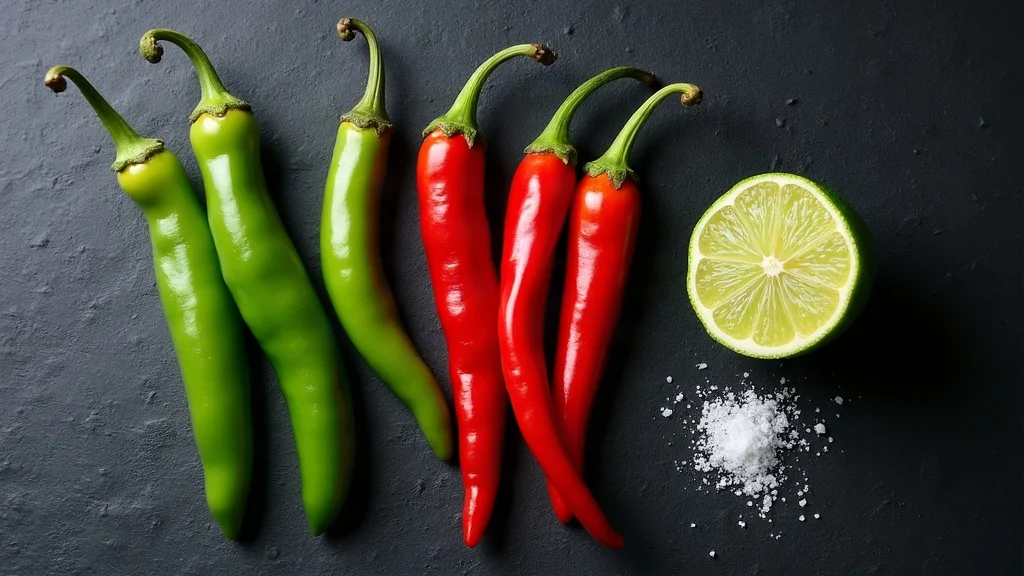
- US Substitute 1 (Closest Match): Bird's Eye Chili (Thai Chili). These provide the similar heat level and small size, though they are slightly more linear in shape.
- US Substitute 2 (Milder/Fruitier): Serrano peppers. Use approximately 2 to 3 finely minced Serranos to replace the heat of 20 chiltepes, though you will lose some of the specific "wild" acidity.
- US Substitute 3 (Common): Habanero. Use sparingly; habaneros are hotter and fruitier. Use 1/2 of a habanero to mimic the heat, but be aware the flavor profile is more tropical.
The Aromatics and Base
To create a traditional Guatemalan-style sauce, combine the chiltepe with these standardized measurements:
| Ingredient | US Imperial Measure | Metric Measure | Note |
|---|---|---|---|
| White Onion | 1 small (approx. 4 oz) | 115g | Finely diced |
| Tomato / Miltomate | 1 medium tomato (5 oz) | 140g | Or 4-5 husk tomatoes (miltomate) |
| Fresh Cilantro | 1/4 cup, packed | 15g | Leaves and tender stems |
| Lime Juice | 1 tbsp (from 1 lime) | 15ml | Freshly squeezed |
| Kosher Salt | 1/2 tsp (adjust to taste) | 3g | Avoid iodized table salt if possible |
| Water | 2-4 tbsp | 30-60ml | Reserved from boiling the peppers |
Step-by-Step Culinary Masterclass
Achieving the perfect balance of heat and acidity requires more than just blending ingredients; it requires a specific sequence of preparation to control the bitterness of the pepper skins and the raw bite of the onion.
Phase 1: The Tempering (Blanching)
The most common mistake in preparing chiltepe is using them entirely raw, which can result in a harsh, one-dimensional heat. Professional Guatemalan cooks use a quick blanching technique.
- Preparation: Remove the stems from the chiltepe peppers. Handle them with gloves or wash your hands immediately after, as the capsaicin oils are potent.
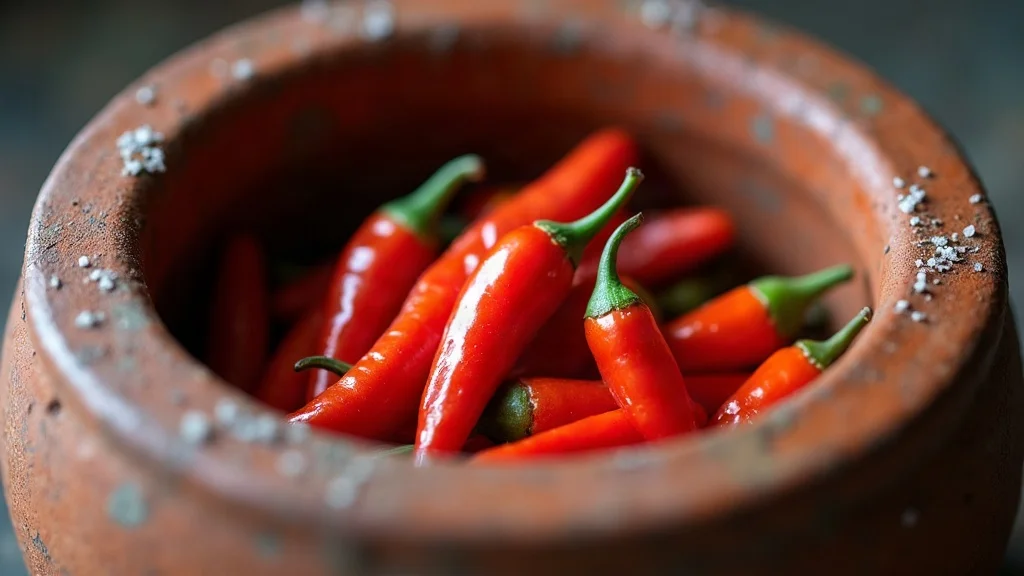
- The Boil: Place the peppers in a small saucepan and cover them with water. Bring to a boil and let them simmer for exactly 2 to 3 minutes. This softens the skins and mellows the aggressive "sting" of the raw pepper.
- The Reserve: Drain the peppers using a fine-mesh strainer, but do not discard the water. Save at least 1/4 cup of this cooking liquid; it contains dissolved nutrients and flavor that will emulsify the sauce.
Phase 2: The Integration
Depending on your desired texture—rustic or smooth—choose one of the following methods:
- The Rustic Method (Traditional): Use a mortar and pestle (molcajete). Mash the blanched chiltepes into a coarse paste. Gradually add the diced onion, salt, and tomato, pressing them into the pepper paste until the ingredients are combined but still retain distinct textures.
- The Contemporary Method: Place the blanched peppers, onion, and tomato in a blender or food processor. Pulse in short bursts. Do not over-process; a puree is too refined. You want a chunky, condiment-like consistency.
Phase 3: Finishing and Balancing
- Acid and Herb Addition: Fold in the chopped cilantro and fresh lime juice by hand. This preserves the bright, volatile oils of the cilantro and the sharpness of the lime.
- Consistency Adjustment: Add the reserved pepper water one tablespoon at a time until the sauce reaches a spoonable consistency.
- The Rest: This is the most critical step. Transfer the sauce to a glass jar and refrigerate for at least two hours. This allows the salt to penetrate the vegetables and the heat of the chiltepe to marry with the acidity of the lime.
Chef Secrets: Texture, Pairings & Storage
To elevate a chiltepe sauce from a simple condiment to a professional-grade accompaniment, one must consider the interplay of textures and the chemical balance of the dish.
Controlling Bitterness and Heat
If you find the sauce too spicy, do not add sugar, as this can clash with the savory profile. Instead, increase the amount of tomato or add a small amount of diced avocado at the time of serving. The fats in the avocado bind to the capsaicin, neutralizing the burn while adding a luxurious creaminess.
Traditional Pairings
The chiltepe is designed to cut through richness. In Guatemala, it is most traditionally paired with:
- Breakfast: Scrambled eggs with diced potatoes and black beans. The sharp heat of the sauce awakens the palate for the day.
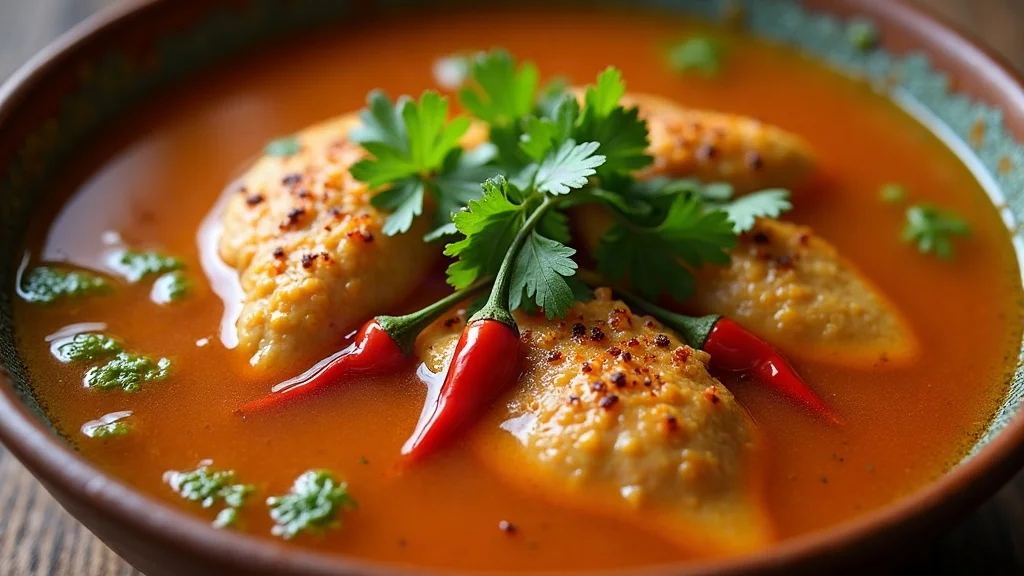
- Soups: A spoonful added to a caldo de res (beef soup) or a chicken broth adds depth and a warming quality.
- Grilled Meats: Use the sauce as a glaze for grilled pork or chicken, applying it in the final minutes of cooking to avoid burning the sugars in the tomato.
- Fiambre: When serving Fiambre, the chiltepe sauce should be kept on the side, allowing guests to calibrate their own level of spice.
Beverage Pairings
To complement the fiery nature of chiltepe, choose beverages that offer cooling properties or sweetness:
- Horchata: The creamy, cinnamon-infused rice milk of Central America is the perfect antidote to the heat of the pepper.
- Fresh Tamarind Juice: The tartness of tamarind mirrors the acidity of the lime in the sauce, creating a harmonious flavor loop.
- Light Lager: A crisp, cold beer helps cleanse the palate between spicy bites.
Storage and Preservation
Because fresh chiltepe sauces contain fresh vegetables and lime juice, they have a limited shelf life. To maximize freshness, follow these guidelines:
- Refrigeration: Store in an airtight glass container. The sauce will remain peak-fresh for 5 to 7 days. If the sauce begins to separate, simply stir it back together.
- Freezing: While the texture of the fresh onion and cilantro will change upon thawing, the flavor remains. Freeze the sauce in ice cube trays for convenient, single-serving portions.
- Long-term Preservation (The Brine Method): To preserve whole chiltepes for months, pack them into a sterilized jar with salt, white vinegar, and a few cloves of garlic. Ensure the peppers are completely submerged in the liquid to prevent oxidation.
How to Source Ingredients in the USA
US Supermarket Equivalents: Primary staple ingredients for chiltepe are readily available at major American grocers such as Walmart, Kroger, Trader Joe's, and Whole Foods. Heirloom dried chiles and specialty produce can be found at local Latin American markets or ordered through online specialty grocers.
Frequently Asked Questions
Q: How spicy is the chile chiltepe guatemala?
A: Chile chiltepe de guatemala measures between 50,000 to 100,000 Scoville Heat Units (SHU), delivering an intense, instantaneous rush of heat that enhances food flavors without lingering too heavily.
What makes authentic Guatemalan chiltepe distinctive?
Authentic Guatemalan chiltepe is defined by its complex recado sauce architecture, highlighting toasted seeds and native aromatics rather than sharp chili heat.
Can this recipe be prepared in advance?
Yes, preparing the recado base or simmering stews 24 hours ahead enhances the depth of flavors significantly as the toasted spices meld together.
What are the best side dishes to serve alongside?
Traditionally enjoyed with warm handmade corn tortillas, fresh white rice, sliced avocado, and refried black beans.
Craving Authentic Guatemalan Cuisine Near You in the USA?
Explore our nationwide directory of verified Guatemalan restaurants, bakeries, and food trucks across all 50 states.
If you want to see other articles similar to Chiltepe Chili Guatemala: The Fiery Magic of Mayan Wild Peppers you can visit the category Ingredients.