
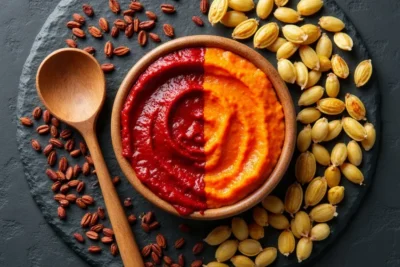
Pepitoria ‘ achiote is the roasted-seed and annatto base that gives Guatemalan recados their earthy color and nutty depth. Rooted in the Maya-Kaqchikel region of Chimaltenango and declared Patrimonio Cultural Intangible de la Nación in 2007, it delivers a warm, slightly smoky, brick-red flavor backbone.
Guatemalan Culinary Profile: Pepitoria ' Achiote
| Culinary Attribute | Authentic Guatemalan Profile |
|---|---|
| Traditional Guatemalan Name | Pepitoria ' Achiote |
| Region of Origin in Guatemala | Chimaltenango, Maya-Kaqchikel highlands |
| Cultural & Historical Heritage | Origin dish of the Kaqchikel people, served in pre-Hispanic religious and political ceremonies; declared Patrimonio Cultural Intangible de la Nación in Guatemala in 2007 |
| Flavor & Texture Profile | Earthy, nutty, and mildly smoky from toasted pepitoria and sesame; achiote adds a subtle peppery warmth and deep orange-red hue. The finished recado is thick, silky, and clings to meats, vegetables, and tortillas. |
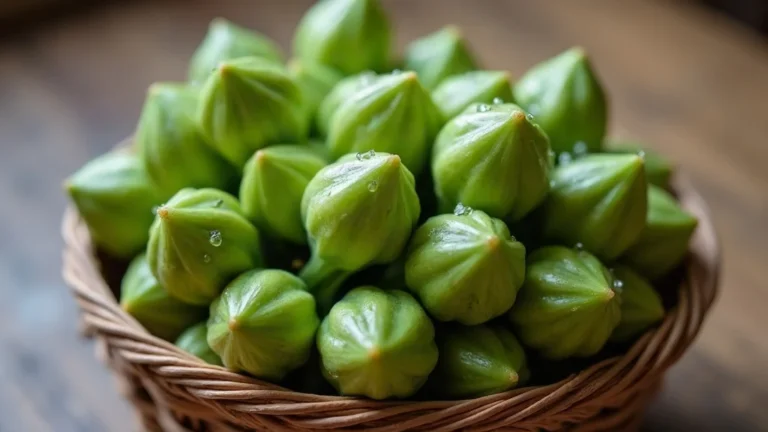
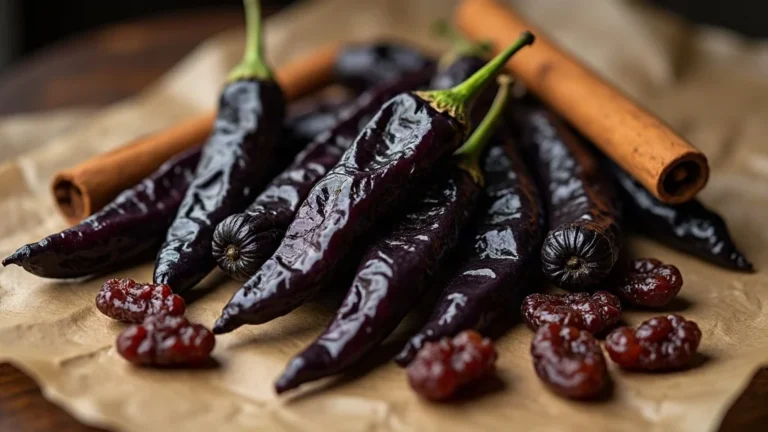
| Signature Chapín Ingredients | Pepitoria (toasted squash seeds), achiote (annatto), chile guaque, chile pasa, miltomate, tomatoes, onion, garlic, ajonjolí (sesame), and often loroco or cibaque in regional variations |
| Typical Prep & Cook Time | 30 minutes prep, 45 minutes cooking |
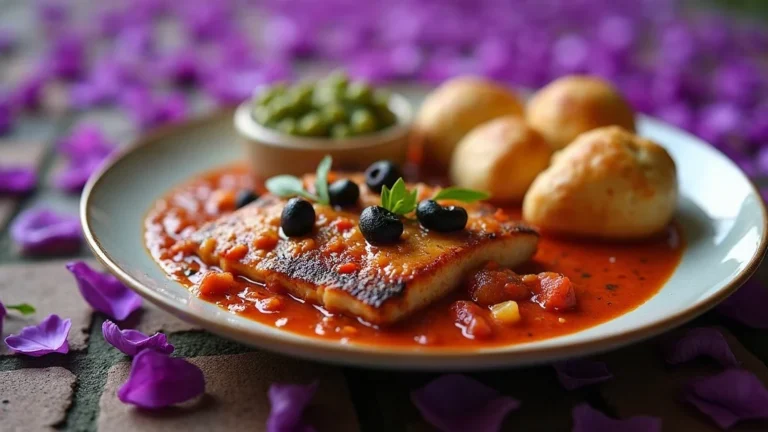
| Traditional Accompaniments | White rice, corn tortillas, tamalitos de maíz, boiled potatoes, güisquil (chayote), and stewed chicken |
Introduction & Overview
To step into a Guatemalan kitchen during a feast day is to be enveloped by a scent that is simultaneously earthy, nutty, and vibrantly aromatic. At the heart of this olfactory experience are two pillars of Central American gastronomy: pepitoria and achiote.
While they may appear as humble seeds and pastes to the uninitiated, they are the architects of the recado—the thick, complex, seed-based sauces that define the soul of the region’s culinary identity.
Pepitoria, the toasted pumpkin seed, provides a creamy, velvet-like texture and a deep, toasted nuttiness that anchors a dish. Achiote, derived from the seeds of the Bixa orellana tree (annatto), contributes a striking gold-to-crimson hue and a subtle, peppery, earthy flavor.
When these two elements converge, they create a flavor profile that is neither purely savory nor sweet, but rather a sophisticated balance of warmth and richness.
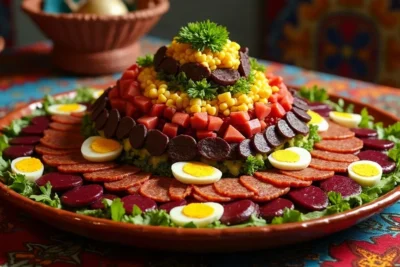
For those exploring common foods in Guatemala, understanding the synergy between pepitoria and achiote is essential. These ingredients are not mere seasonings; they are the foundation of national treasures such as pepián (a spicy, seed-rich stew), kak’ik (a traditional turkey soup), and the monumental fiambre—the eclectic, cold salad prepared for All Saints’ Day.
To master these ingredients is to unlock the door to an ancient culinary tradition that blends indigenous Mayan wisdom with Spanish colonial influence.
Mayan Roots & Cultural Heritage in Guatemala
The reliance on seeds and nuts for thickening and flavoring sauces predates the Spanish conquest by millennia. The ancient Maya utilized the natural bounty of the highlands and lowlands, recognizing that the oils in pumpkin seeds (pepitoria) and sesame seeds (ajonjolí) could be transformed through heat into rich, emulsified sauces.
This technique was a necessity of the landscape, utilizing native crops to create nutrient-dense meals that could sustain warriors and royalty alike.
Achiote holds a similarly sacred place in Mayan history. Beyond its culinary application, annatto was used as a pigment for body paint and textiles, and it played a role in various spiritual rituals.
Its ability to preserve food and add a visually commanding color made it an indispensable tool in the ancient kitchen.
Following the arrival of the Spanish, Guatemalan cuisine evolved into a sophisticated fusion. The introduction of onions, garlic, and certain livestock expanded the canvas upon which the traditional recados were painted.
However, the indigenous core remained. Even today, the preparation of a recado is often a communal act, passed down through generations of women who maintain the precise roasting times and blending ratios that define their family’s heritage.
Whether in the bustling markets of Antigua or the remote villages of the Altiplano, the smell of toasting pepitoria remains a universal signal of celebration and home.
Core Ingredients & US Kitchen Equivalents
For the home cook in the United States, sourcing authentic Guatemalan ingredients requires a bit of detective work. While specialty Hispanic markets are the gold standard, many of these items can be replicated or substituted using ingredients found in mainstream supermarkets.
The Primary Components
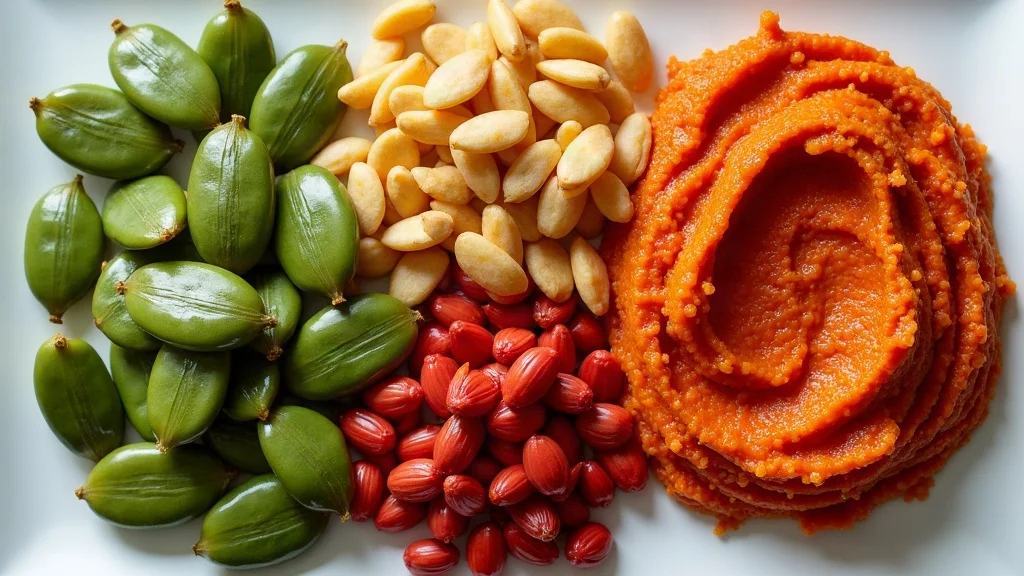
| Ingredient | Authentic Name | US Supermarket Equivalent/Substitute | Standard Measurement (Imperial) | Standard Measurement (Metric) |
|---|---|---|---|---|
| Pumpkin Seeds | Pepitoria | Hulled raw pumpkin seeds (pepitas) | 1/2 cup | 60 g |
| Annatto | Achiote | Achiote paste or Annatto powder | 1 tbsp paste / 1 tsp powder | 15 g / 3 g |
| Sesame Seeds | Ajonjolí | Raw white sesame seeds | 2 tbsp | 18 g |
| Tomatillos | Miltomate | Husk tomatoes (found in produce) | 2 medium | 150 g |
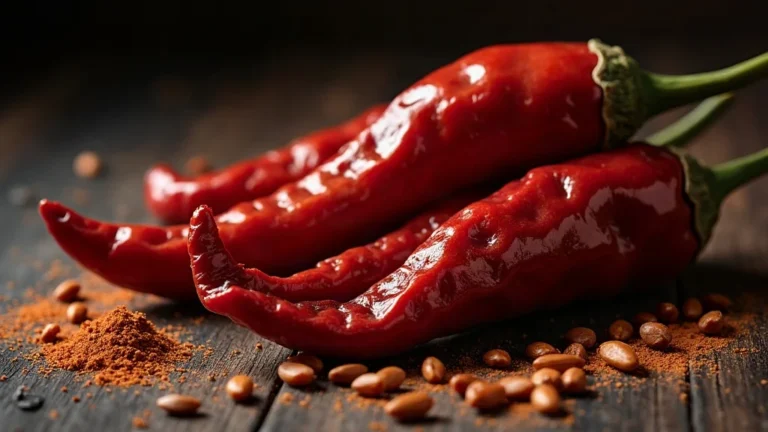
| Dried Chiles | Chile Cobanero/Pasa | Ancho or New Mexico chiles | 1 to 2 pods | 10 g |
Decoding the Labels
When shopping at a Central American market, you may encounter various terms for these ingredients. Here is how to navigate the labels:
- Pasta de Achiote: This is the concentrated paste. Look for a short ingredient list: annatto, salt, and perhaps a bit of vinegar or oil. Avoid versions with excessive artificial dyes.
- Recado Rojo: This is often a pre-mixed base containing achiote and other spices. While convenient, making your own from scratch allows for better control over bitterness and salt.
- Pepitoria: Ensure you are buying the seed, not the sweet confection. In some regions, “pepitoria” refers to a pumpkin seed candy; for cooking, you need the raw or toasted hulled seed.
Step-by-Step Culinary Masterclass
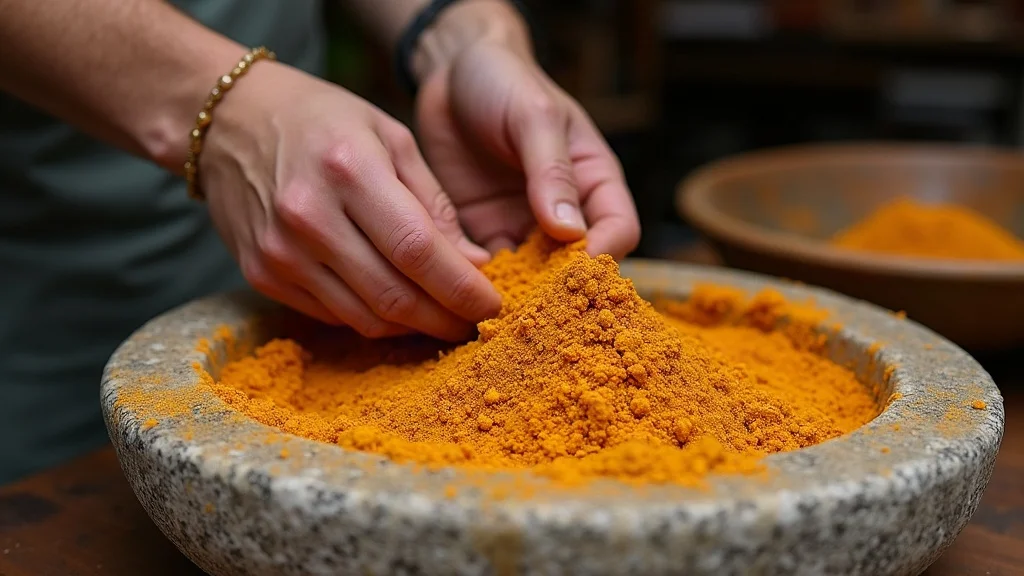
Creating an authentic Guatemalan recado is an exercise in patience and temperature control. The goal is to coax out the oils and aromas without scorching the seeds, which would introduce an unpleasant bitterness.
Phase 1: The Dry Toast (The Foundation)
Place a heavy-bottomed skillet or a cast-iron pan over medium-low heat. Add 1/2 cup (60 g) of pepitoria and 2 tbsp (18 g) of sesame seeds.
Stir constantly. The seeds are ready when they become fragrant and turn a pale golden brown. Chef’s Tip: The moment you smell a strong, nutty aroma, remove them from the heat immediately; pumpkin seeds can go from toasted to burnt in seconds.
Phase 2: The Char and Roast (The Body)
In a separate pan or under a broiler, roast 4 medium tomatoes, 2 tomatillos, 1 small sliced onion, and 4 cloves of garlic until the skins are blistered and blackened in spots. Add your dried chiles to the pan for the last few minutes, just until they soften and release their oils.
This charring process adds a smoky depth that raw vegetables cannot provide.
Phase 3: The Emulsion (The Blend)
Transfer the toasted seeds and roasted vegetables into a high-powered blender. Add 1 tbsp (15 g) of achiote paste and 2 to 3 cups (475 to 710 ml) of warm chicken or vegetable broth.
Blend on high until the mixture is completely smooth. If you desire a professional, restaurant-style texture, pass the sauce through a fine-mesh sieve to remove any remaining seed fragments.
Phase 4: The Sauté (The Intensification)
Heat 2 tbsp of oil or lard in a large pot over medium heat. Pour in the blended sauce.
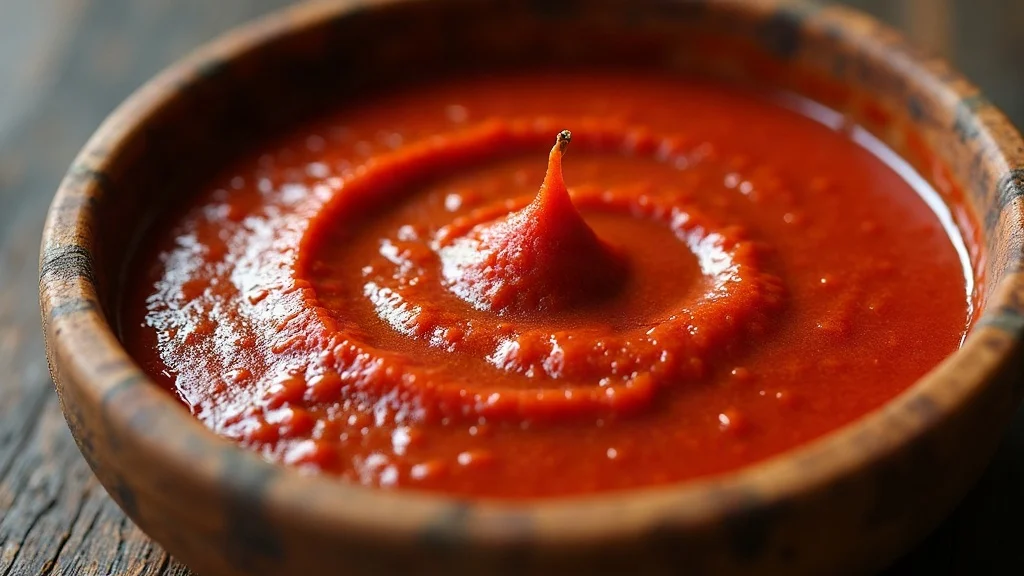
This step, known as frying the recado, is critical. Simmer the sauce for 10 to 15 minutes, stirring occasionally, until it thickens and the color deepens to a rich, burnt orange or red.
This evaporates excess water and concentrates the flavors.
Phase 5: The Final Simmer
Introduce your protein—such as bone-in chicken thighs, pork shoulder, or turkey—and simmer on low for 30 to 60 minutes. The sauce should coat the meat like a thick glaze, creating a harmonious marriage of flavors.
Chef Secrets: Texture, Pairings & Storage
To elevate a Guatemalan dish from a home-cooked meal to a gourmet experience, one must focus on the nuances of texture and the balance of accompaniments.
Controlling Bitterness and Texture
If your recado tastes overly bitter, it is likely due to over-toasting the seeds or using a low-quality achiote. You can balance this by adding a pinch of brown sugar or a small amount of mashed potato, which mellows the sharp notes.
For a silkier finish, stir in a tablespoon of butter or a splash of heavy cream at the very end of the cooking process.
Traditional Pairings
Common foods in Guatemala are rarely served in isolation. To present an authentic meal, serve your recado-based stew with:
- White Rice: A neutral base that absorbs the rich sauce.
- Fresh Vegetables: Sliced avocado, steamed cabbage, or a side of escabeche (pickled carrots and onions) to provide a bright, acidic contrast to the heavy seeds.
- Corn Tortillas: Warm, hand-pressed tortillas are essential for scooping up every drop of the sauce.
Beverage Pairings
The richness of pepitoria and the earthiness of achiote pair exceptionally well with acidic or fermented drinks. A chilled horchata (rice and cinnamon milk) provides a creamy sweetness that cuts through the spice.
For an alcoholic pairing, a crisp, cold lager or a glass of sparkling wine helps cleanse the palate between bites of the dense sauce.
Storage and Preservation
Because recados are oil- and seed-rich, they store remarkably well.
- Refrigeration: Store the finished sauce in an airtight glass container for up to 5 days. Note that the sauce will thicken significantly in the fridge; simply add a splash of broth when reheating to restore the consistency.
- Freezing: Recado bases can be frozen for up to 3 months. Freeze them in silicone molds or small freezer bags to create “flavor pucks” that can be dropped directly into a pot for a quick weeknight meal.
By mastering the relationship between pepitoria and achiote, you are not just following a recipe; you are engaging with a culinary lineage that spans centuries. Whether you are preparing a festive Fiambre or a comforting bowl of Pepián, these ingredients bring the vibrant, soulful essence of Guatemala into the modern American kitchen.
Regional Variations & Where to Find Ingredients in the US
What Is Pepitoria and Why It Defines Guatemalan Recados
Pepitoria refers to toasted, ground squash seeds that thicken and enrich Guatemalan sauces with a nutty, earthy body.
When paired with achiote, it becomes the foundation of recado colorado, the classic marinade and stew base used across the highlands.
How Achiote Gives Recado Its Signature Color and Warmth
Achiote, or annatto, is a seed that releases a deep orange-red pigment and a gentle peppery, slightly bitter flavor.
In Guatemalan kitchens, achiote is bloomed in oil or lard before blending with pepitoria and chiles for a smooth, aromatic recado.
Where to Buy Pepitoria and Achiote in the United States
Look for pepitoria molido and achiote paste at Latin grocery stores, especially those serving Central American communities.
Online retailers and Guatemalan specialty shops also carry imported brands from Guatemala for the most authentic flavor.
Where to Buy Ingredients in the USA
Find pepitoria molido, achiote paste, chile guaque, and miltomate at Central American markets, Latin supermarkets, and online Guatemalan grocers. Toasted pumpkin seeds can substitute for pepitoria in a pinch, though flavor will differ.
How to Spot Authentic Chapín Flavor
Authentic chapín recado begins with toasting seeds and dried chiles on a comal, then grinding them with miltomate and achiote. It should taste nutty, smoky, and slightly sweet, never thin or overly acidic.
Explore More Authentic Guatemalan Dishes & US Restaurants
Continue exploring our traditional Guatemalan culinary encyclopedia with these related guides:
Frequently Asked Questions About Pepitoria ' Achiote
What is pepitoria used for in Guatemalan cooking?
Pepitoria is used to thicken and flavor recados, pepián, and other traditional Guatemalan sauces. Its toasted, nutty taste gives these dishes their signature depth and creamy texture.
What is the difference between pepián and recado?
Pepián is a finished stew made with toasted seeds, chiles, and meat, while recado is a concentrated sauce or marinade used to season meats, poultry, and vegetables before or during cooking.
Can I make recado colorado without achiote?
You can make a milder version, but achiote provides the classic color and subtle warmth that define recado colorado. Paprika mixed with a little turmeric can approximate the hue.
Where can I buy authentic Guatemalan pepitoria in the US?
Authentic pepitoria is sold at Central American grocery stores, Latin markets in cities like Los Angeles, Houston, and Miami, and through online retailers specializing in Guatemalan products.
Leave a Reply