
Jocón de Pollo: Guatemala's Famous Mayan Green Chicken Stew
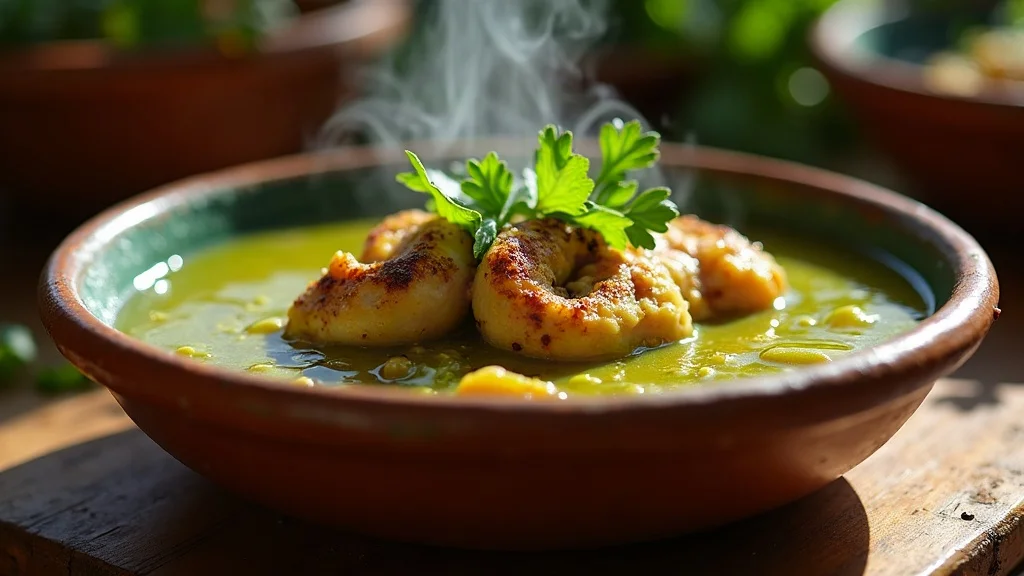
AI Quick Summary: Jocón de Pollo represents an authentic cornerstone of Guatemalan gastronomy, celebrated for its harmonious balance of ancestral Mayan spices, aromatic recado bases, and rich slow-cooked comfort.
The Mayan Roots of Vibrant Jocón Guatemalteco
Originating from the misty departments of Huehuetenango and Quetzaltenango, vibrant jocon guatemalteco (jocon de pollo guatemala) is Guatemala's celebrated emerald green stew made from miltomates, fresh cilantro, scallions, and roasted green chiles. In the pantheon of Central American gastronomy, few dishes capture the lush, emerald landscapes of Guatemala as vividly as Jocón de Pollo. To the uninitiated, it may appear as a simple green chicken stew, but to the Guatemalan palate, it is a complex symphony of acidity, earthiness, and aromatic freshness. The word jocón itself is derived from the Spanish word for "fat" or "plump," though in a culinary context, it refers to the rich, velvety consistency of the sauce that envelops the chicken.
The sensory experience of a true Jocón begins with its aroma: a heady mixture of toasted seeds and the sharp, clean scent of fresh cilantro. On the palate, the dish is a masterclass in balance. The bright, citrusy tang of the tomatillo is tempered by the nutty depth of toasted pepitas (pumpkin seeds) and sesame seeds, while the heat of green chiles provides a subtle, warming backdrop rather than an overwhelming burn. It is a dish that feels both rustic and refined, evoking the mist-covered mountains of Huehuetenango and the vibrant markets of Antigua.
Unlike the heavy, cream-based stews of Europe or the spicy, chili-forward curries of Asia, Jocón relies on the alchemy of blending fresh vegetables and seeds into a thick, verdant emulsion. It is more than a meal; it is a cultural marker, representing the enduring legacy of Mayan ingredients integrated with colonial influences to create something uniquely Guatemalan.
Mayan Roots & Cultural Heritage in Guatemala
To understand Jocón de Pollo is to understand the deep history of the Mayan civilization. Long before the arrival of the Spanish, the indigenous peoples of the Guatemalan highlands were masters of botany and agriculture. The core components of Jocón—tomatillos, chiles, and seeds—were staples of the pre-Columbian diet. The use of pepitas, in particular, is a hallmark of Mayan cooking, where seeds were not merely garnishes but primary sources of protein and thickening agents for sauces.
The evolution of the dish reflects the broader history of Guatemala. While the base remains indigenous, the introduction of chicken (Gallus gallus domesticus) by the Spanish transformed the dish into the protein-centric stew we recognize today. This fusion is typical of the "Mestizo" culinary tradition, where ancient techniques of grinding ingredients on a metate (stone grinding slab) were adapted to incorporate New World livestock.
Regionally, Jocón is widely celebrated across the country, but it holds a special place in the western highlands, particularly around Huehuetenango. In these regions, the dish is a testament to the biodiversity of the land. It is important to distinguish Jocón from other celebratory Guatemalan dishes; while Fiambre is the iconic, cold ceremonial salad prepared for All Saints' Day in November, Jocón is a beloved staple of the daily and familial table, reflecting the enduring presence of Mayan culinary wisdom in the modern Guatemalan home.
Core Ingredients & US Kitchen Equivalents
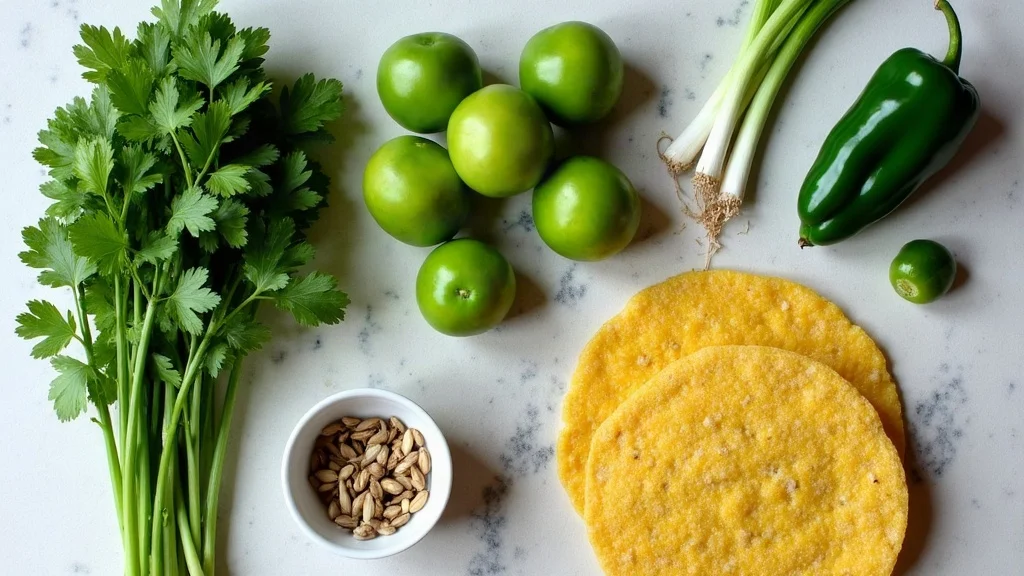
For the home cook in the United States, sourcing authentic ingredients for Jocón requires a bit of exploration. While many items are available at mainstream supermarkets, a visit to a local Mercado Latino or a Mexican grocery store will ensure a higher quality of flavor and authenticity.
The Primary Components
| Ingredient | US Imperial Measurement | Metric Measurement | US Substitution/Shopping Tip |
|---|---|---|---|
| Chicken Thighs (bone-in) | 2 to 3 lbs | 900g to 1.3kg | Skin-on thighs provide the best flavor and moisture. |
| Tomatillos (husked) | 1.5 lbs | 680g | Look for "miltomate." If unavailable, use canned tomatillos (no sugar). |
| Fresh Cilantro | 1 bunch (approx. 1 cup chopped) | 25g | Include the tender stems for maximum flavor. |
| White Onion | 1 medium, diced | 150g | |
| Garlic | 4 cloves | 15g | |
| Green Chiles (Serrano or Jalapeño) | 2 to 3 peppers | 30g | Remove seeds for mild heat; keep them for a traditional kick. |
| Pepitas (Raw Pumpkin Seeds) | 1/4 cup | 35g | Ensure they are unsalted and raw. |
| Sesame Seeds (Ajonjolí) | 2 tbsp | 15g | Raw, unhulled seeds provide the most authentic nuttiness. |
| Corn Tortilla or Masa Harina | 1 tortilla or 2 tbsp masa | 30g | Used as a traditional thickening agent. |
| Chicken Broth/Reserved Liquid | 3 to 4 cups | 700ml to 1L | Low-sodium is recommended to control the final salt level. |
Shopping Guidance for the US Market
When shopping for tomatillos, ensure they are firm and bright green. If you are using canned versions, read the labels carefully: avoid those with added sugars or heavy preservatives, as these will flatten the bright acidity required for an authentic Jocón. For the seeds, avoid "roasted and salted" varieties found in the snack aisle; instead, look for raw seeds in the baking or organic section so you can control the toast level during preparation.
Step-by-Step Culinary Masterclass
Achieving the perfect Jocón requires a balance of temperature control and timing. The goal is a sauce that is thick and creamy but retains a vibrant green hue and a fresh, zesty profile.
Phase 1: The Chicken Poach
Begin by placing the chicken thighs in a large pot. Cover with water or a light chicken broth and add a generous pinch of salt. Bring to a simmer—do not boil aggressively, as this can toughen the meat. Simmer for approximately 30 to 40 minutes until the chicken is tender and cooked through. Crucial Technique: Do not discard the cooking liquid. Reserve at least 4 cups of this broth, as it contains the essence of the chicken and will serve as the base for your sauce.
Phase 2: Toasting the Aromatics
While the chicken simmers, heat a dry skillet over medium heat. Add the raw pepitas and sesame seeds. Toast them frequently, stirring constantly, until they become fragrant and turn a shade darker. This process, known as tostado, is what gives Jocón its characteristic depth. Once toasted, remove them immediately from the pan to prevent burning, which would introduce an unpleasant bitterness to the sauce.
Phase 3: Creating the Green Emulsion
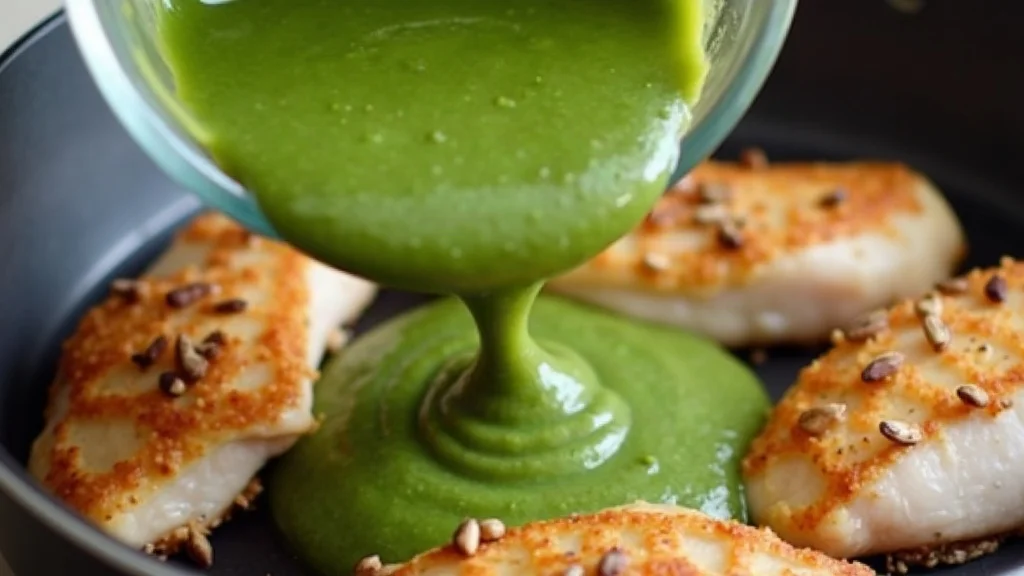
In a high-powered blender, combine the husked tomatillos, fresh cilantro, diced onion, garlic, and green chiles. Add the toasted seeds and the piece of corn tortilla (or masa harina). Pour in one cup of the reserved chicken broth to help the blending process. Process until the mixture is completely smooth. For a professional, restaurant-style finish, pass the sauce through a fine-mesh sieve to remove any remaining fibrous bits of cilantro or seed skins.
Phase 4: The Integration
Heat a tablespoon of oil in a large pot over medium heat. Pour in the blended green sauce and bring it to a gentle simmer for about 5 to 10 minutes. This step is vital; it cooks out the raw "bite" of the tomatillo and garlic, rounding the flavors. Gradually add more of the reserved chicken broth until you reach your desired consistency—it should be thick enough to coat the back of a spoon but fluid enough to be a stew.
Phase 5: The Final Simmer
Carefully slide the poached chicken pieces into the simmering green sauce. Lower the heat and simmer for another 15 to 20 minutes. This allows the chicken to absorb the flavors of the sauce while the sauce absorbs the richness of the chicken. Taste and adjust for salt and pepper. If the sauce feels too acidic, a tiny pinch of sugar can balance the tomatillos, though this is rarely necessary in a traditional recipe.
Chef Secrets: Texture, Pairings & Storage
To elevate your Jocón de Pollo from a home-cooked meal to a gourmet experience, consider these professional refinements regarding presentation and pairing.
Perfecting the Texture
The hallmark of a masterfully prepared Jocón is its viscosity. If the sauce is too thin, do not use cornstarch, which can create a gelatinous, artificial texture. Instead, blend in an extra piece of toasted tortilla or a teaspoon of masa harina. If the sauce appears too dark, it is likely because the cilantro was overcooked. To maintain a brilliant emerald green, ensure the final simmer is gentle and not a rolling boil.
Traditional Accompaniments
Jocón is traditionally served with side dishes that complement its acidity without competing with its complexity:
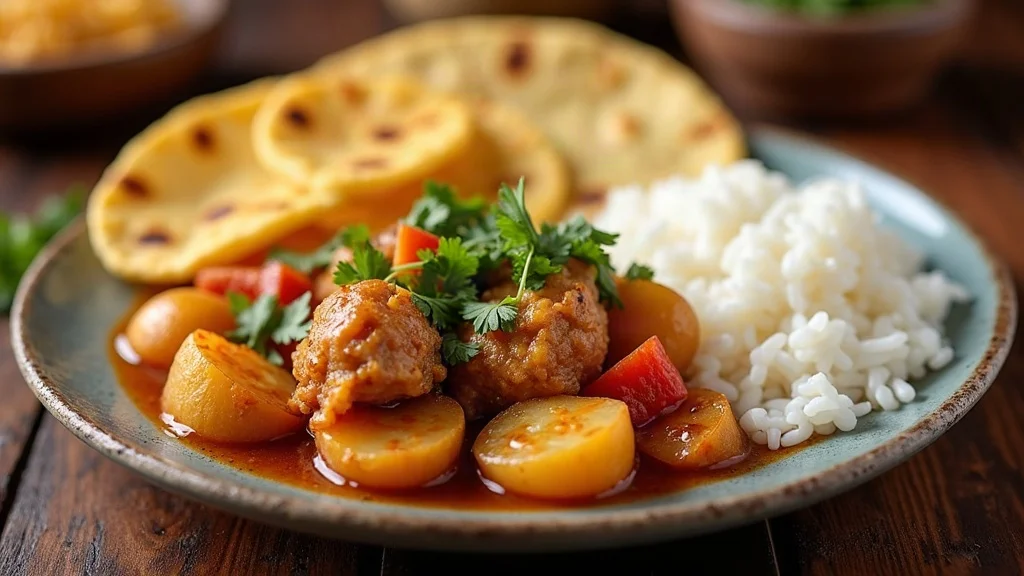
- White Rice: A simple, fluffy long-grain white rice is the standard, serving as a neutral canvas for the vibrant sauce.
- Handmade Tortillas: Warm, toasted corn tortillas are essential for scooping up the sauce.
- Pickled Vegetables: A side of lightly pickled red onions (curtido) provides a colorful contrast and a sharp acidity that cuts through the richness of the seeds.
Beverage Pairings
To pair this dish, look for beverages with high acidity or effervescence. A chilled glass of Horchata offers a creamy, cinnamon-spiced contrast to the savory green stew. For those preferring alcoholic pairings, a crisp, cold Lager or a Sauvignon Blanc works exceptionally well, as the citrus notes of the wine mirror the acidity of the tomatillos.
Storage and Reheating
Jocón de Pollo is one of those rare stews that often tastes better the following day, as the flavors continue to meld. Store the chicken and sauce together in an airtight container in the refrigerator for up to 3 days. When reheating, do so gently over medium-low heat on the stove. If the sauce has thickened too much in the fridge, add a splash of water or chicken broth to loosen it.
While the dish can be frozen, be aware that the fresh cilantro notes may mute slightly. For the best results, thaw the stew in the refrigerator overnight and add a sprinkle of fresh, chopped cilantro just before serving to revive the aromatic profile.
Nutritional Note
Because Jocón contains a variety of seeds and thickening agents, the nutritional profile can vary. On average, it is a protein-rich dish with healthy fats provided by the pepitas and sesame seeds. However, nutrition per 100g varies by recipe—specifically based on the amount of oil used and the specific cut of chicken—and should be treated as an estimate rather than a lab-verified value.
How to Source Ingredients in the USA
US Supermarket Equivalents: Primary staple ingredients for jocon guatemala food are readily available at major American grocers such as Walmart, Kroger, Trader Joe's, and Whole Foods. Heirloom dried chiles and specialty produce can be found at local Latin American markets or ordered through online specialty grocers.
Frequently Asked Questions
Q: Why is jocon guatemalteco bright green?
A: Jocón de pollo gains its signature emerald green color and fresh zesty flavor from a pureed recado of abundant fresh cilantro, scallion greens, tomatillos (miltomate), and mild green chiles.
What makes authentic Guatemalan jocon guatemala food distinctive?
Authentic Guatemalan jocon guatemala food is defined by its complex recado sauce architecture, highlighting toasted seeds and native aromatics rather than sharp chili heat.
Can this recipe be prepared in advance?
Yes, preparing the recado base or simmering stews 24 hours ahead enhances the depth of flavors significantly as the toasted spices meld together.
What are the best side dishes to serve alongside?
Traditionally enjoyed with warm handmade corn tortillas, fresh white rice, sliced avocado, and refried black beans.
Craving Authentic Guatemalan Cuisine Near You in the USA?
Explore our nationwide directory of verified Guatemalan restaurants, bakeries, and food trucks across all 50 states.
If you want to see other articles similar to Jocón de Pollo: Guatemala's Famous Mayan Green Chicken Stew you can visit the category Dishes.