
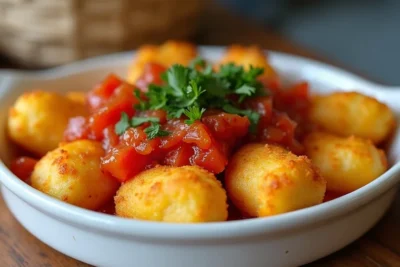
Guatemalan Chiles Rellenos are colonial-era stuffed sweet peppers, traditionally associated with the Antigua and Guatemala City culinary corridor. Unlike Mexican versions, they use sweet pimientos stuffed with seasoned pork or beef and vegetables, battered in egg and fried, then served in a rich tomato-based recado sauce.
Guatemalan Culinary Profile: Guatemalan Chiles Rellenos
| Culinary Attribute | Authentic Guatemalan Profile |
|---|---|
| Traditional Guatemalan Name | Guatemalan Chiles Rellenos |
| Region of Origin in Guatemala | Antigua and Guatemala City (Sacatepéquez/Guatemala) |
| Cultural & Historical Heritage | Colonial-era fusion dish combining Indigenous chile traditions with Spanish frying techniques and fillings. |
| Flavor & Texture Profile | A contrast of soft, egg-battered exterior and a savory, hearty meat-and-vegetable filling, balanced by a tangy, aromatic sauce. |
| Signature Chapín Ingredients | Chile pimiento, pork, tomato, onion, garlic, potato, carrot, peas, and optional recado elements like pepitoria or loroco. |
| Typical Prep & Cook Time | 1 hour 15 minutes |
| Traditional Accompaniments | Served with white rice, warm corn tortillas, or pan francés (pan con chile). |
Mastering Authentic Chiles Rellenos Guatemaltecos: Step-by-Step
A vibrant cornerstone of family Sunday luncheons, authentic chiles rellenos guatemaltecos feature mild sweet bell peppers or pimientos stuffed with a flavorful picadillo of seasoned minced pork and beef, diced vegetables, and aromatic herbs.
To enter a Guatemalan kitchen during a festive celebration is to be greeted by a symphony of aromas: the sharp, acidic tang of vinegar, the earthy depth of sautéed cumin and garlic, and the unmistakable scent of eggs sizzling in hot oil.
At the heart of this sensory experience is the chile relleno guatemalan food tradition—a dish that is far more than a simple stuffed pepper. It is a masterclass in texture and balance, pairing the soft, charred sweetness of a pepper with a savory, complex meat filling, all encased in a cloud-like, golden-brown egg batter.
For the uninitiated, the term “chile relleno” often conjures images of the Mexican variety, typically filled with melted Oaxacan cheese and smothered in a tomato sauce. However, the Guatemalan interpretation is a distinct culinary creature.
Rather than focusing on the melt of cheese, the Guatemalan version celebrates a hearty, garden-inspired filling—often featuring ground pork, diced carrots, and green beans—that reflects the agricultural abundance of the highlands.
The result is a sophisticated interplay of flavors: the richness of the pork is cut by the brightness of the vegetables, while the airy batter provides a delicate crunch that gives way to a tender, succulent interior.
Whether served as a centerpiece for a family Sunday lunch or as a cherished component of holiday feasts, these stuffed peppers represent the soul of home cooking in Guatemala. They are a testament to the art of patience, requiring a meticulous process of roasting, peeling, stuffing, and frying that transforms humble pantry staples into a gourmet experience.
Mastering Authentic Chiles Rellenos Guatemaltecos: Step-by-Step
The evolution of chiles rellenos in Guatemala is a mirror of the nation’s history, representing a seamless fusion of indigenous Mayan wisdom and Spanish colonial influence. Long before the arrival of Europeans, the Maya cultivated a vast array of chilies, utilizing them not only for heat but as essential medicinal components and spiritual offerings.
The act of stuffing vegetables—a method of maximizing the nutritional value of a single dish—was a practice rooted in the resourceful nature of ancient Central American agriculture.
With the Spanish conquest came the introduction of livestock, specifically pigs, and the technique of the capeado (the egg-batter fry). The Spanish brought the tradition of frying foods in lard and coating them in beaten eggs, a technique common in the kitchens of Andalusia.
Over centuries, these two worlds merged. The indigenous love for the pepper met the European penchant for pork and egg-battering, creating the modern Guatemalan chile relleno.
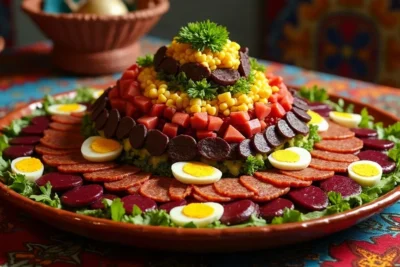
Beyond the ingredients, the dish holds deep symbolic meaning, particularly during the celebration of All Saints’ Day. In Guatemala, this period is marked by the preparation of Fiambre, a colossal, cold salad that honors the deceased.
While Fiambre is the star, chiles rellenos often appear in the surrounding festivities, symbolizing the abundance of the harvest and the continuity of family lineage. To prepare this dish is to engage in a ritual passed down through generations of abuelas, where the specific ratio of carrots to pork or the exact stiffness of the egg whites serves as a family signature, distinguishing one household’s heritage from another.
Core Ingredients & US Kitchen Equivalents
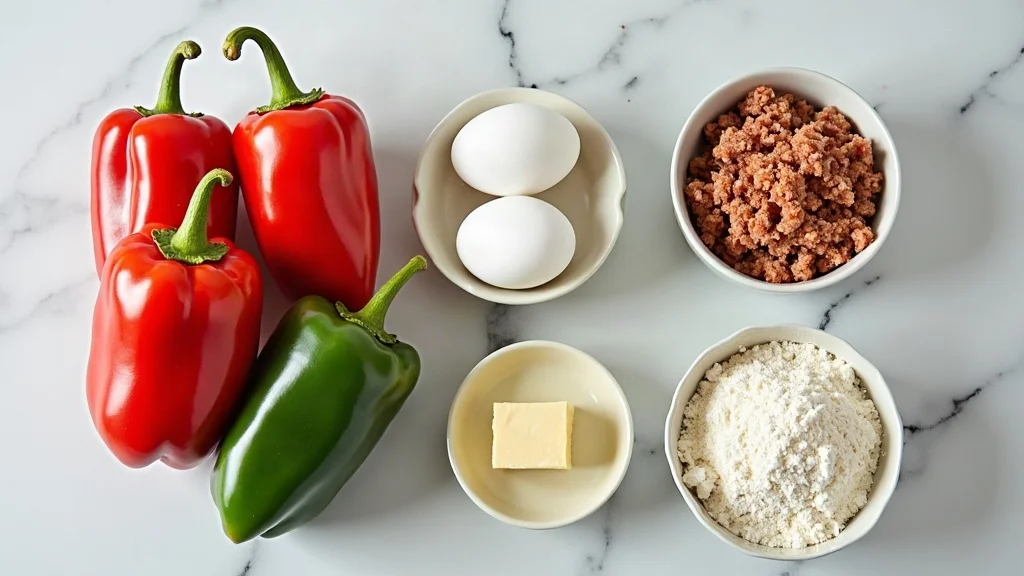
Achieving authenticity in a U.S. kitchen requires a keen eye for substitutions. The goal is to mimic the mild, sweet heat of Central American peppers and the specific “garden” profile of the filling.
Below is the comprehensive breakdown for 6 large stuffed peppers.
Traditional Picadillo Filling for Guatemalan Chiles Rellenos
- Poblano Peppers: 6 large, firm peppers (approx. 1.5 lbs / 680g). Note: If Poblanos are unavailable, large sweet green bell peppers can be used, though you will lose the characteristic smoky depth.
- Vegetable Oil: 2 cups (475ml) for frying.
- All-Purpose Flour: 1/2 cup (65g) for dredging.
The Savory Filling
- Ground Pork: 1 lb (450g), preferably a mix of lean and fat for moisture.
- White Onion: 1 medium, finely diced (approx. 150g).
- Garlic: 4 cloves, minced (approx. 20g).
- Carrots: 2 medium, finely diced into small cubes (approx. 100g).
- Green Beans: 1/2 cup (75g), finely chopped.
- Tomato Paste: 1 tbsp (15g) for depth and color.
- Apple Cider Vinegar: 1 tbsp (15ml) to provide the traditional “tang.”
- Dried Thyme: 1/2 tsp (1g).
- Bay Leaf: 1 small leaf, crumbled.
- Salt & Black Pepper: To taste.
- Capers: 1 tbsp (15g), drained and chopped (an optional but authentic touch for acidity).
The Egg Batter (The Capeado)
- Large Eggs: 4 eggs, separated into whites and yolks.
- Salt: a pinch (approx. 1g).
| Ingredient | US Imperial | Metric | Authenticity Note |
|---|---|---|---|
| Poblano Peppers | 6 large | 6 large | Ensure skins are blistered and removed. |
| Ground Pork | 1 lb | 450 g | Substitute with ground beef if preferred. |
| Apple Cider Vinegar | 1 tbsp | 15 ml | Crucial for the Central American profile. |
| Egg Whites | 4 large | approx. 120 ml | Must be whipped to stiff peaks. |
Step-by-Step Culinary Masterclass
The secret to a perfect chile relleno lies in the preparation of the pepper and the stability of the batter. Follow these professional steps to ensure your peppers remain intact and your coating remains crisp.
Phase 1: The Art of the Char
Place the whole poblano peppers directly over an open gas flame or under a high broiler. Turn them frequently using tongs until the skin is charred and blistered across the entire surface.
Immediately transfer the hot peppers to a bowl and cover it tightly with plastic wrap or a lid for 10 minutes. This creates a steam chamber that loosens the skin.
Once cooled, gently rub the charred skin off with your fingers or a paper towel. Make a small slit lengthwise down the side and carefully remove the seeds and membranes, keeping the stem intact.
Phase 2: Constructing the Filling
Heat a tablespoon of oil in a large skillet over medium heat. Sauté the onion and garlic until translucent.
Add the ground pork, cooking until browned. Stir in the finely diced carrots and green beans, cooking for another 5 to 7 minutes until the vegetables are tender but not mushy.
Stir in the tomato paste, thyme, bay leaf, and capers. Finally, deglaze the pan with apple cider vinegar, stirring constantly for 2 minutes.
Season generously with salt and pepper. Critical Technique: Allow the filling to cool completely. Stuffing hot meat into a delicate pepper will cause the walls to tear and the batter to slip during frying.
Phase 3: Stuffing and Sealing
Spoon the cooled pork mixture into each pepper, filling them generously but leaving a small gap at the top. Use a toothpick to secure the slit closed if the pepper feels unstable.
Gently pat the stuffed peppers dry with a paper towel; any excess moisture will prevent the flour and egg from adhering.
Phase 4: The Perfect Capeado (Egg Coating)
Lightly dredge each stuffed pepper in flour, shaking off any excess. In a clean glass or metal bowl, whisk the egg whites with a pinch of salt until they form stiff peaks (use a hand mixer for the best results).
Gently fold in the egg yolks one by one using a spatula, being careful not to deflate the air bubbles. This aeration is what creates the signature “soufflé” effect of the coating.
Phase 5: The Golden Fry
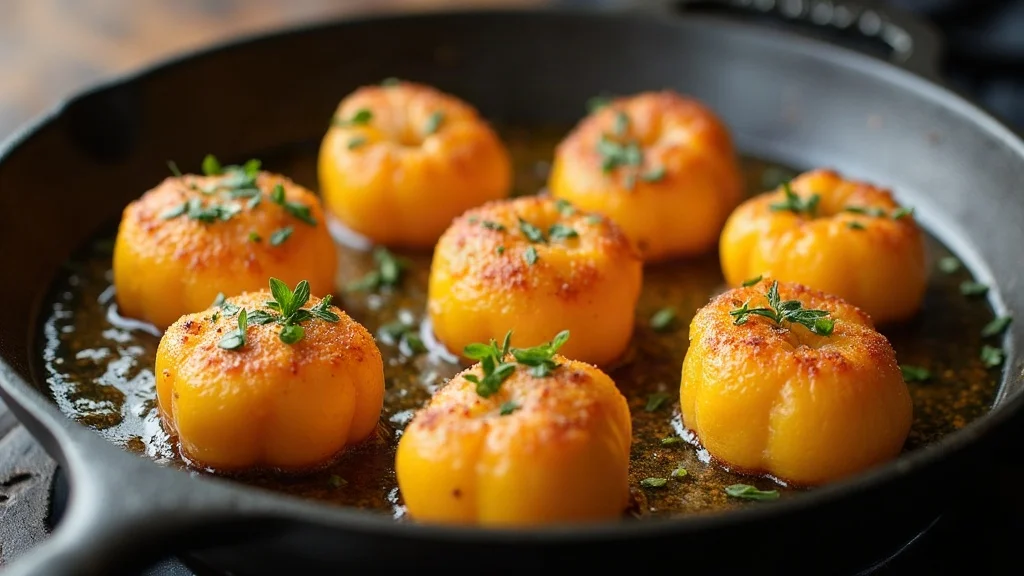
Heat 2 cups of vegetable oil in a deep skillet to 350°F (175°C). Dip each floured pepper into the egg batter, ensuring it is completely submerged and coated.
Carefully lower the pepper into the hot oil. Fry for 2 to 3 minutes per side until a deep golden brown.
Remove with a slotted spoon and drain on a wire rack rather than a paper towel to maintain maximum crispness.
Chef Secrets: Texture, Pairings & Storage
To elevate your chile relleno guatemalan food experience from a home meal to a restaurant-quality presentation, consider these professional refinements.
Texture and Presentation
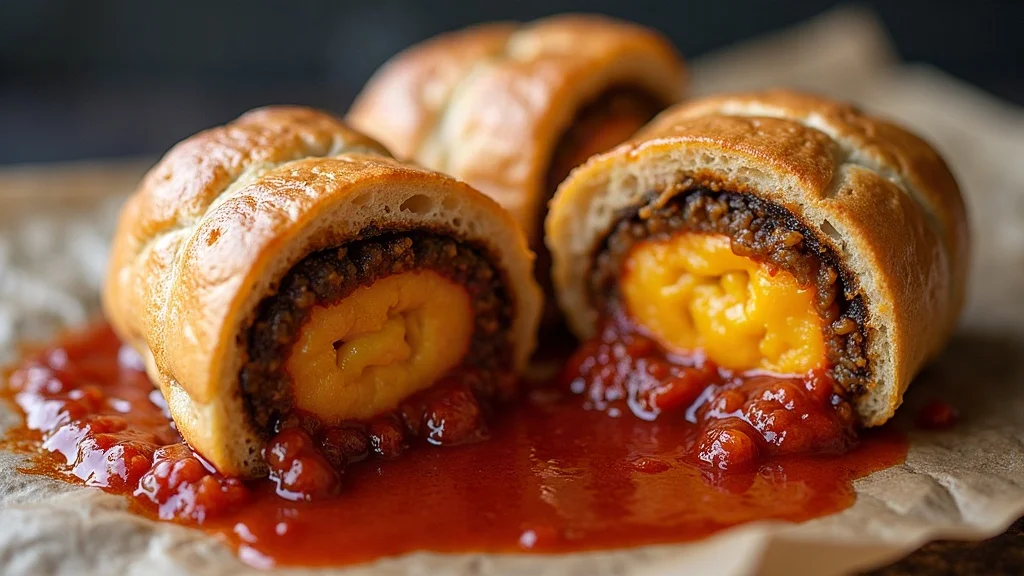
The ideal chile relleno should have a distinct “snap” upon the first bite, followed by the softness of the roasted pepper and the hearty chew of the pork. To avoid a soggy batter, never crowd the pan.
Frying too many peppers at once drops the oil temperature, causing the egg to absorb oil rather than sear, resulting in a greasy texture. Aim for two peppers per batch.
Traditional Accompaniments
In Guatemala, these peppers are rarely served alone. To create a balanced plate, pair them with:
- White Rice: A simple, fluffy long-grain rice provides a neutral base that absorbs the richness of the fried batter.
- Curtido: A pickled cabbage slaw with carrots and oregano provides a necessary acidic contrast to the fried pork.
- Fresh Avocado: Slices of ripe avocado add a creamy element that complements the smokiness of the poblano.
Beverage Pairings
To cut through the richness of the pork and egg, choose a beverage with high acidity or effervescence. A chilled glass of Hibiscus Tea (Agua de Jamaica) is the traditional choice, as its tartness cleanses the palate.
For those preferring alcohol, a crisp, cold lager or a sparkling white wine like a Prosecco balances the fried notes perfectly.
Storage and Reheating
Chiles rellenos are best enjoyed immediately. However, if you have leftovers, store them in an airtight container in the refrigerator for up to 3 days.
To reheat, avoid the microwave, which will make the batter rubbery. Instead, use an oven or air fryer at 350°F (175°C) for 5 to 8 minutes.
This restores the crispness of the egg coating without overcooking the interior filling.
By following these meticulous steps—from the initial char of the poblano to the final fold of the egg white—you bring a piece of Guatemalan cultural heritage into your home. This dish is not merely a recipe; it is a celebration of the fusion of worlds, a labor of love, and a masterclass in the art of Central American gastronomy.
Regional Variations & Where to Find Ingredients in the US
What are Guatemalan Chiles Rellenos?
They are sweet peppers stuffed with a savory mixture of meat and vegetables, coated in beaten egg and fried. This dish represents the colonial fusion of Spanish and Indigenous culinary practices.
Unlike other regional varieties, the Guatemalan version emphasizes a mild, sweet pepper base rather than high heat.
How to Make Guatemalan Chile Rellenos
Start by preparing a filling of seasoned ground pork, diced carrots, potatoes, and peas. Carefully stuff the cleaned pimientos and seal them before dipping in egg batter.
Fry the peppers until golden brown and simmer them briefly in a tomato-based recado to absorb the rich flavors.
Essential Chile Relleno Ingredients
The core ingredients include sweet bell peppers, pork, and a mirepoix of onion, garlic, and tomato. For the batter, fresh eggs and a pinch of salt are required.
To achieve an authentic Chapin taste, incorporate traditional aromatics and serve with a side of steaming white rice.
Where to Buy Ingredients in the USA
Find sweet pimientos and pepitoria at local Latino supermarkets or specialty stores like Goya or La Esperanza. Fresh loroco can be sourced from Central American importers in major US cities.
How to Spot Authentic Chapín Flavor
Authentic versions use sweet peppers rather than poblano and are often served as pan con chile. The filling must include a mix of diced vegetables like carrots and potatoes.
Explore More Authentic Guatemalan Dishes & US Restaurants
Continue exploring our traditional Guatemalan culinary encyclopedia with these related guides:
Frequently Asked Questions About Guatemalan Chiles Rellenos
What is a chiles rellenos?
Chiles rellenos are stuffed peppers that are typically battered in egg and fried. In Guatemala, they feature sweet peppers filled with meat and vegetables, served in a savory sauce.
What is chiles rellenos guatemala?
It is a traditional colonial dish from the Antigua and Guatemala City regions. It consists of pork-stuffed sweet peppers, egg-battered and fried, served with rice and tortillas.
How to make chiles rellenos guatemala?
Stuff sweet peppers with a seasoned pork and vegetable mix, dip them in beaten eggs, fry until golden, and serve in a tomato-based recado sauce.
What are the chile relleno ingredients?
Key ingredients include sweet bell peppers, ground pork, onion, garlic, tomato, carrots, potatoes, peas, eggs for battering, and oil for frying.

Leave a Reply