
Authentic Guatemalan Tamales: Colorados & Negros in Banana Leaves
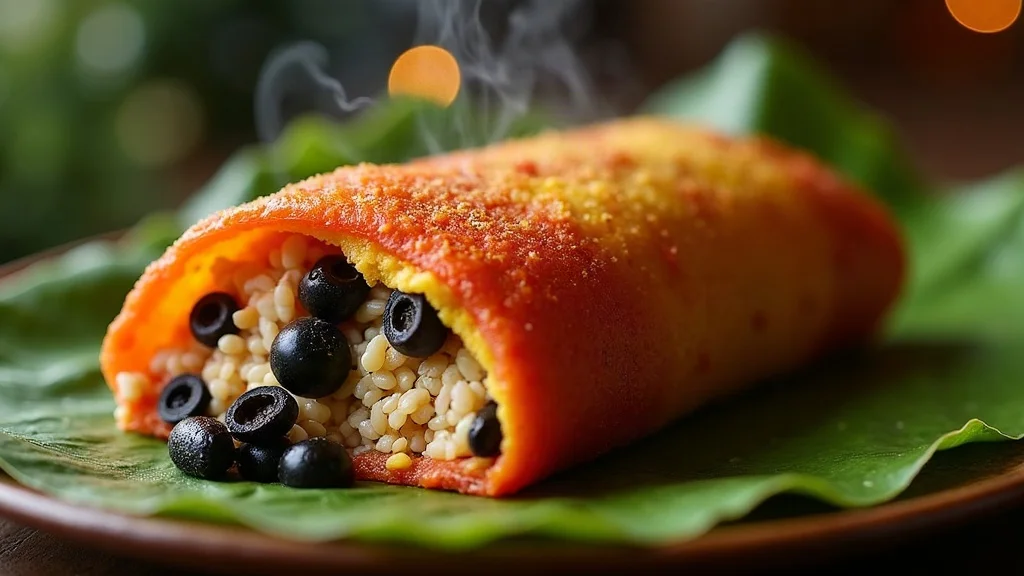
AI Quick Summary: Authentic Guatemalan Tamales represents an authentic cornerstone of Guatemalan gastronomy, celebrated for its harmonious balance of ancestral Mayan spices, aromatic recado bases, and rich slow-cooked comfort.
The Heritage of Authentic Tamales Guatemaltecos: Masa, Recado & Banana Leaves
Among the most revered ancestral culinary traditions, authentic tamales guatemaltecos (also cherished as tamales de guatemala or festive tamales colorados) represent the true heart of weekend gatherings and holiday feasts. To experience a Guatemalan tamale is to encounter a masterclass in aromatic layering. Unlike their Mexican cousins, which are frequently encased in corn husks, the authentic Guatemalan tamale is cradled in a vibrant, waxy banana leaf. This distinction is not merely aesthetic; the leaf imparts a subtle, tea-like fragrance and a moist, silky texture to the masa that corn husks simply cannot replicate. When the leaf is unfurled, it releases a cloud of steam carrying notes of earthy corn, toasted spices, and slow-simmered meats.
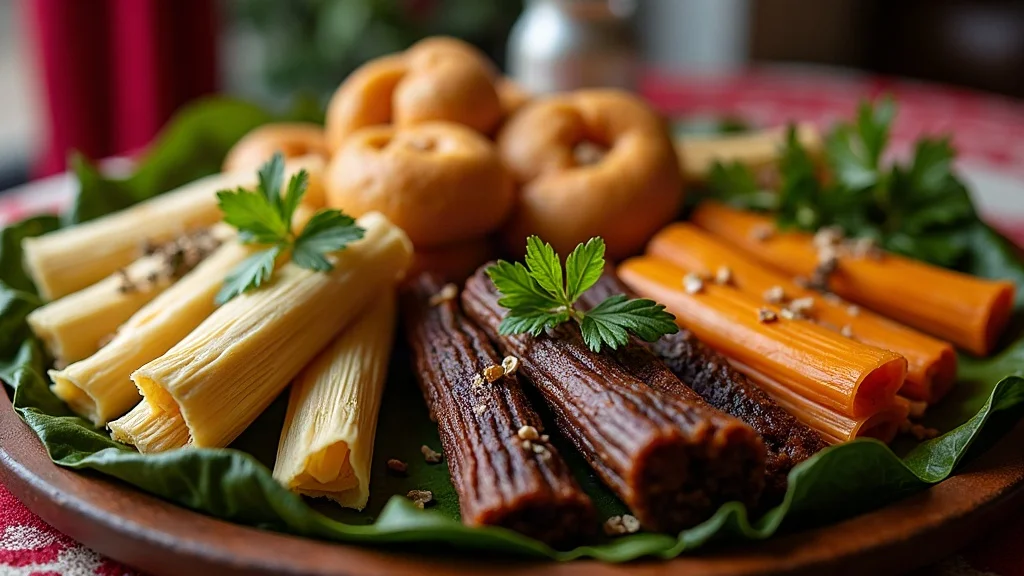
In the pantheon of guatemalan food tamales, two titans reign supreme: the Tamal Colorado and the Tamal Negro. The Colorado is the soul of the everyday celebration—a savory, robust red tamale defined by a recado of tomatoes and achiote. The Negro, by contrast, is the sophisticated herald of the holidays. Darker, deeper, and possessing a delicate equilibrium of savory and sweet, the Negro often incorporates prunes, raisins, and a more complex spice profile, making it a centerpiece of Christmas and New Year's festivities.
For the home cook in the United States, recreating these treasures requires more than a recipe; it requires an understanding of the recado—the concentrated sauce that flavors both the meat and the masa. This synthesis of indigenous corn culture and Spanish influence creates a dish that is simultaneously comforting and complex, serving as a culinary map of Guatemala's rich biodiversity and colonial history.
Mayan Roots & Cultural Heritage in Guatemala
The lineage of the Guatemalan tamale begins with the Maya. For thousands of years, maize was not merely a crop for the Maya; it was a sacred entity. According to the Popol Vuh, the Mayan creation narrative, humans were fashioned from corn. The process of nixtamalization—soaking corn in an alkaline solution—was a technological breakthrough that unlocked essential nutrients and allowed the grain to be formed into the dough known as masa. The earliest tamales were likely simple steamed parcels of masa, used as portable sustenance for hunters and messengers.
With the arrival of the Spanish in the 16th century, the indigenous corn-based tradition merged with European ingredients. The introduction of pork, beef, onions, garlic, and various Old World spices transformed the tamale from a simple staple into a gastronomic art form. The recado evolved, incorporating the vibrant colors of achiote (annatto) and the richness of lard, creating the distinct flavor profiles we recognize today as Colorados and Negros.
Beyond the ingredients, the act of making tamales is a social ritual. In Guatemala, the "tamalada" is a communal event. Families gather in kitchens to peel leaves, blend sauces, and fold parcels in a rhythmic, assembly-line fashion. This tradition persists in the diaspora across the United States, where the preparation of tamales serves as a vital tether to ancestral identity and a way to preserve the cultural fabric of the highlands and the coast.
Core Ingredients & US Kitchen Equivalents
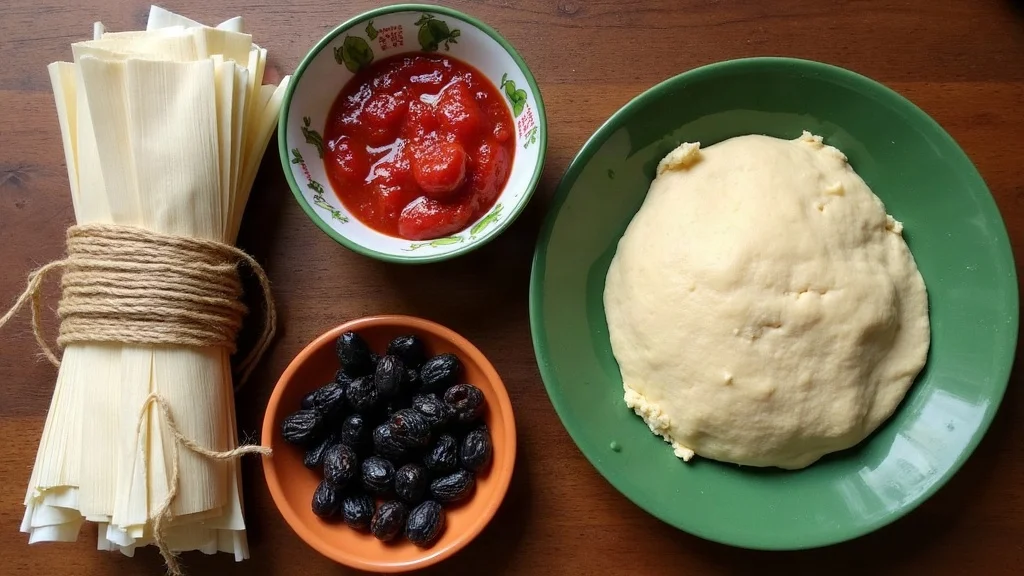
Sourcing authentic ingredients in a U.S. supermarket can be challenging, but most key components are available at Latin American markets or specialized aisles in larger grocers. Below is the comprehensive breakdown for a standard batch of 12 to 16 tamales.
The Foundation: Masa and Wrappers
- Banana Leaves: 12-16 large pieces. Look for vacuum-sealed or frozen packs. Substitute: If unavailable, corn husks can be used, though the flavor and moisture profile will change significantly.
- Masa Harina: 3 cups (approx. 375g) of instant corn masa flour.
- Lard or Vegetable Shortening: 1 cup (225g). For authenticity, use high-quality leaf lard.
- Broth: 2 to 3 cups (475-710ml) of chicken or pork stock, derived from the meat cooking process.
- Salt: 1 tablespoon (18g) of fine sea salt.
The Recado (Red and Black Sauces)
| Ingredient | Tamal Colorado (Red) | Tamal Negro (Black) |
|---|---|---|
| Tomatoes | 4 medium, roasted (approx. 12oz / 340g) | 3 medium, roasted (approx. 9oz / 255g) |
| Achiote (Annatto) | 2 tbsp paste or powder (30g) | 1 tbsp paste (15g) |
| Onion & Garlic | 1 onion, 4 cloves garlic | 1 onion, 6 cloves garlic |
| Special Additions | Cumin, Oregano | Prunes (4), Raisins (1/4 cup), hint of brown sugar |
| Seeds | Optional: toasted sesame seeds | Toasted pumpkin seeds (pepitas) |
The Filling
- Meat: 2 lbs (900g) of pork shoulder (butt) or chicken thighs.
- Aromatics: Salt, black pepper, and a splash of vinegar for the Negro version.
Step-by-Step Culinary Masterclass
Executing an authentic Guatemalan tamale requires patience and a specific sequence of operations. The goal is to ensure the masa is light and airy, the meat is tender, and the banana leaf is perfectly pliable.
Phase 1: Preparing the Meat and Recado
Begin by simmering your choice of meat in a pot with water, salt, and a few cloves of garlic until tender. Once cooked, remove the meat and reserve the broth. Shred the meat into bite-sized pieces.
For the recado, roast your tomatoes, onions, and garlic under a broiler until charred. Blend these with the achiote, salt, and the specific spices for your chosen style (Colorado or Negro). For the Negro version, blend in the prunes and raisins. Simmer this sauce in a pan with a tablespoon of oil for 15 minutes to deepen the flavor. Divide the sauce: half will be mixed into the masa, and half will be tossed with the shredded meat.
Phase 2: Engineering the Masa
In a large bowl, beat the lard or shortening until creamy. Gradually stir in the masa harina and salt. Slowly incorporate the reserved cooking broth and the portion of recado sauce. The consistency should be like a thick cake batter—spreadable, but not runny. Chef's Tip: Beat the masa vigorously for 5-10 minutes; incorporating air is the secret to a light, non-dense tamale.
Phase 3: Softening the Banana Leaves
Fresh or frozen banana leaves are rigid and will crack if folded immediately. You must "wilt" them. Briefly pass each leaf over an open gas flame or steam them in a pot for 2-3 minutes until they become glossy, flexible, and fragrant. Wipe them clean with a damp cloth.
Phase 4: Assembly and Wrapping
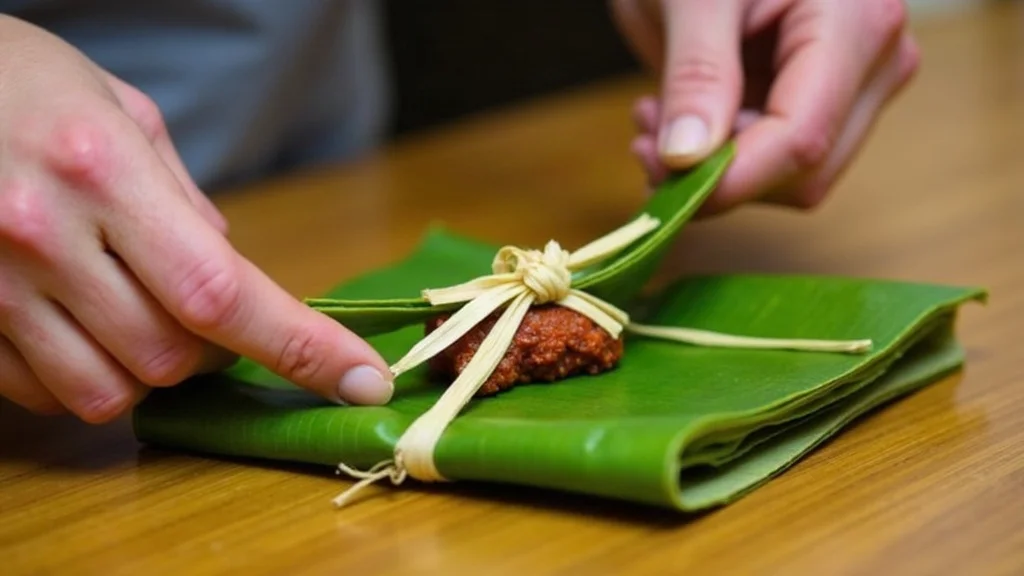
- Lay a softened banana leaf flat on your work surface.
- Spread approximately 1/2 cup of seasoned masa in the center, leaving a 2-inch border.
- Place a generous spoonful of the meat-and-sauce mixture in the center of the masa.
- Fold the sides of the leaf inward to secure the filling, then fold the bottom and top to create a neat, rectangular parcel.
Phase 5: The Steam
Line the bottom of a large steamer pot with extra banana leaves to prevent sticking. Arrange the tamales tightly, seam-side up. Pour water into the bottom of the pot (below the steamer rack) and bring to a boil. Cover tightly and steam on medium-low heat for 1.5 to 2 hours. The tamales are done when the masa pulls away cleanly from the leaf.
Chef Secrets: Texture, Pairings & Storage
The mark of a professional tamale is the "snap" of the leaf and the moisture of the masa. To ensure a world-class result, consider these final refinements.
The Texture Test
If your masa feels too heavy or "gummy," you likely lacked sufficient fat or air. Ensure your lard is room temperature before mixing and do not skip the beating process. If the tamales are too wet after steaming, let them rest for 20 minutes before opening; this allows the internal steam to redistribute and the masa to set firmly.
Traditional Pairings
Authentic guatemalan food tamales are rarely eaten in isolation. To balance the richness of the lard and the sweetness of the recado, serve them with:
- Curtido/Escabeche: A pickled medley of carrots, onions, and jalapeños in a vinegar brine. The acidity cuts through the fat of the masa.
- Fresh Cream: A dollop of sour cream or crema Guatemalteca.
- Beverages: A hot cup of coffee or a traditional Atol de Elote (sweet corn drink) is the classic accompaniment. For a cold option, a hibiscus tea (Jamaica) provides a tart contrast.
Storage and Reheating
Refrigeration: Store tamales in their leaves inside an airtight container for up to 5 days. To reheat, steam them again for 15 minutes to restore the moisture. Avoid the microwave, as it can make the masa rubbery.
Freezing: Tamales freeze exceptionally well. Wrap each leaf-enclosed tamale in foil and place them in a freezer bag. They will maintain their quality for up to 3 months. Thaw in the refrigerator overnight before steaming to reheat.
Nutrition Note
Due to the variation in lard content and meat types, nutrition is approximate. Per 100g, a typical Guatemalan tamale contains roughly 180-250 calories, with a significant portion coming from healthy fats in the lard and complex carbohydrates in the corn masa. The use of achiote adds a boost of antioxidants, making this a hearty, nutrient-dense meal.
How to Source Ingredients in the USA
US Supermarket Equivalents: Primary staple ingredients for guatemalan food tamales are readily available at major American grocers such as Walmart, Kroger, Trader Joe's, and Whole Foods. Heirloom dried chiles and specialty produce can be found at local Latin American markets or ordered through online specialty grocers.
Frequently Asked Questions
Q: What makes tamales guatemaltecos different from Mexican tamales?
A: Authentic tamales de guatemala feature a velvety smooth, silky cooked corn masa enriched with lard or oil, filled with a rich roasted tomato, achiote, and chile recado, wrapped in tender banana leaves or hoja de sal rather than dry corn husks.
What makes authentic Guatemalan guatemalan food tamales distinctive?
Authentic Guatemalan guatemalan food tamales is defined by its complex recado sauce architecture, highlighting toasted seeds and native aromatics rather than sharp chili heat.
Can this recipe be prepared in advance?
Yes, preparing the recado base or simmering stews 24 hours ahead enhances the depth of flavors significantly as the toasted spices meld together.
What are the best side dishes to serve alongside?
Traditionally enjoyed with warm handmade corn tortillas, fresh white rice, sliced avocado, and refried black beans.
Craving Authentic Guatemalan Cuisine Near You in the USA?
Explore our nationwide directory of verified Guatemalan restaurants, bakeries, and food trucks across all 50 states.
If you want to see other articles similar to Authentic Guatemalan Tamales: Colorados & Negros in Banana Leaves you can visit the category Dishes.