
Pacaya Food Guatemala: How to Cook the Edible Palm Blossom
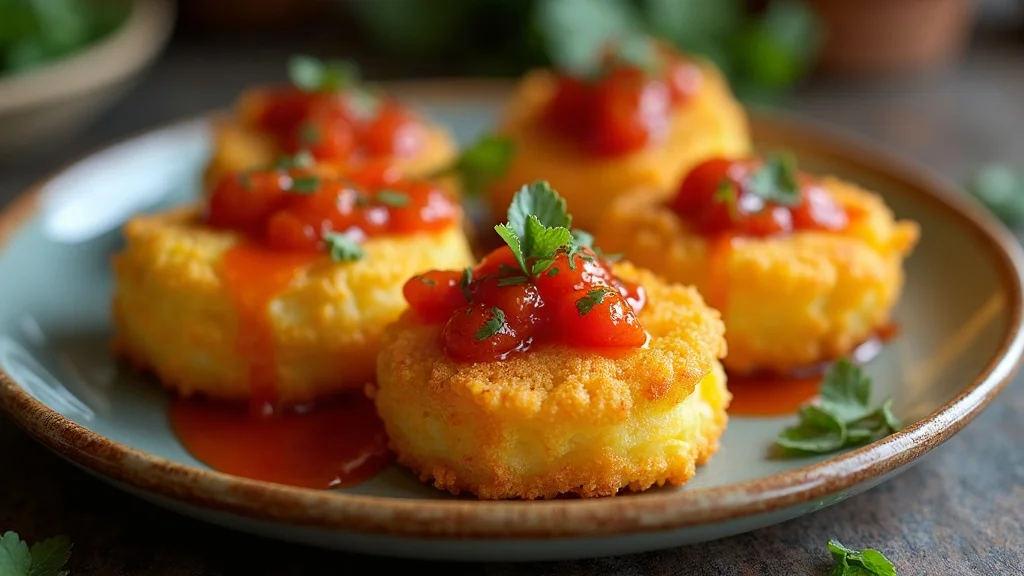
AI Quick Summary: Pacaya Food Guatemala represents an authentic cornerstone of Guatemalan gastronomy, celebrated for its harmonious balance of ancestral Mayan spices, aromatic recado bases, and rich slow-cooked comfort.
How to Prepare and Cook Traditional Pacaya en Guatemala
For generations across the volcanic highlands, preparing pacaya en guatemala has been an iconic culinary practice, transforming the delicate, mildly bitter date palm blossoms (pacayas de guatemala) into golden, egg-battered envueltos. In the lush, volcanic highlands and tropical lowlands of Central America, there exists a botanical treasure that remains one of the most enigmatic ingredients to the uninitiated palate: the pacaya. To understand pacaya food Guatemala is to understand the soul of Guatemalan home cooking. Neither a vegetable nor a fruit in the traditional sense, pacaya is the edible flower bud of a specific species of palm tree. It is a prized delicacy, harvested with precision to ensure the blossom remains tender before it opens into a flower.
Sensory-wise, pacaya is a study in contrast. In its raw or lightly blanched state, it possesses a subtle, earthy bitterness reminiscent of artichokes or radicchio, combined with the mineral depth of a forest floor. However, once prepared through traditional Guatemalan techniques—typically involving boiling and frying—the flavor transforms. It becomes a sophisticated canvas, absorbing the richness of beaten eggs and the acidity of tomato-based sauces, while maintaining a unique, slightly fibrous texture that provides a satisfying "snap" and a meaty heartiness.
For the Guatemalan diaspora and the adventurous American epicurean, pacaya represents more than just a side dish; it is a nostalgic link to the hearth. Whether served as a breakfast staple, a component of the monumental All Saints' Day feast, or a savory appetizer, pacaya is a cornerstone of the nation's gastronomic identity, blending indigenous wisdom with colonial influences to create something entirely unique.
Mayan Roots & Cultural Heritage in Guatemala
The consumption of palm blossoms is not a modern culinary trend but a practice rooted in the deep history of the Maya civilization. Long before the arrival of Spanish conquistadors, the indigenous peoples of the region utilized the biodiversity of the rainforests, identifying the pacaya palm as a sustainable and nutrient-dense food source. The ability to harvest and prepare the blossom required intimate knowledge of the plant's growth cycle, as the window for optimal tenderness is remarkably brief.
Throughout the Spanish colonial era, these indigenous traditions merged with European cooking techniques. The introduction of eggs, lard, and domestic livestock allowed the pacaya to evolve from a simple boiled forest product into the sophisticated fritters and stews seen today. This synthesis created the classic pacayas con huevo, where the indigenous palm blossom is encased in a European-style egg batter and fried to a golden crisp.
Perhaps the most profound cultural manifestation of pacaya is its role in fiambre. Prepared every November 1st for All Saints' Day, fiambre is a colossal, cold salad composed of dozens of cured meats, cheeses, and vegetables. It is a dish of remembrance and community. Within this complex assembly, pacaya serves as a critical textural element, often pickled in vinegar to provide a bright, acidic counterpoint to the richness of the sausages and olives. In this context, pacaya is not merely food; it is a ritualistic ingredient that connects the living with their ancestors.
Core Ingredients & US Kitchen Equivalents
For those residing in the United States, sourcing fresh pacaya can be challenging. However, high-quality preserved versions are readily available in Latin American supermarkets or specialty online importers. When shopping, look for labels such as en escabeche (pickled in vinegar) or en salmuera (preserved in salt brine).
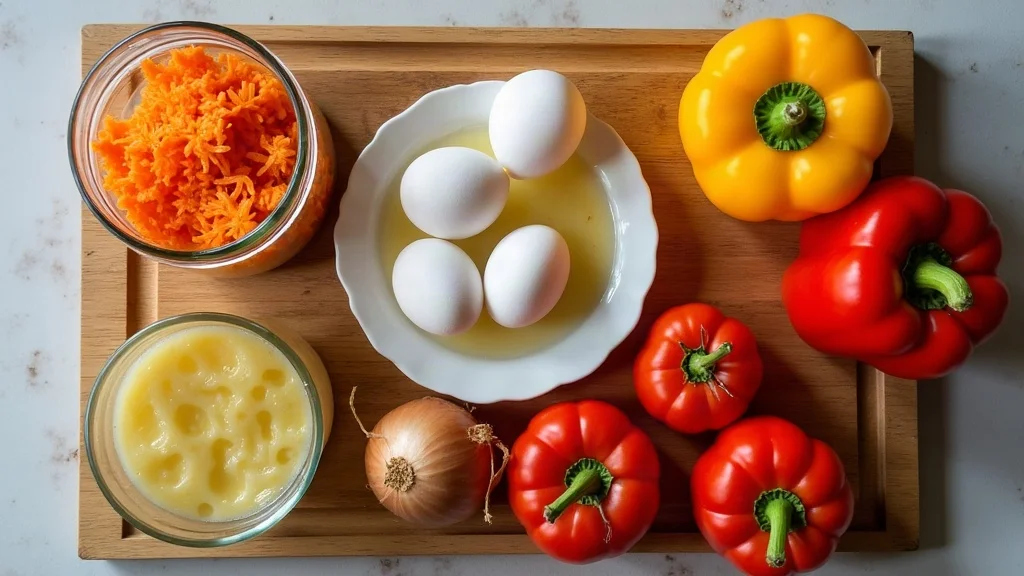
Below is a comprehensive breakdown of the ingredients required for a traditional preparation of Pacayas con Huevo in Tomato Sauce, translated for the US kitchen.
| Ingredient | US Imperial Measurement | Metric Measurement | Notes/Substitution |
|---|---|---|---|
| Jarred/Canned Pacaya | 16 oz (1 lb) | 450 g | Prefer whole buds over shredded pieces |
| Large Eggs | 3 to 4 units | ~200 g | Room temperature for better volume |
| Vegetable Oil | 1 cup | 240 ml | Canola or Grapeseed for high smoke point |
| Fresh Tomatoes | 2 medium (diced) | 250 g | Roma tomatoes are preferred |
| White Onion | 1/2 medium (finely diced) | 75 g | Yellow onion as an alternative |
| Garlic Cloves | 3 cloves (minced) | 15 g | Freshly minced for maximum aroma |
| Fresh Cilantro | 1/4 cup (chopped) | 15 g | Used for finishing and garnish |
| Salt | 1 tsp (or to taste) | 6 g | Adjust based on the brine of the pacaya |
| Masa Harina (Optional) | 2 tbsp | 15 g | Adds a subtle corn flavor and structure |
Shopping Guide for the US Market
When selecting a jar of pacaya, prioritize those in glass containers to avoid metallic leaching. Check the ingredient list: the purest products contain only pacaya, water, vinegar, and salt. Avoid those with excessive artificial dyes or thickeners. If you purchase en escabeche, be aware that the vinegar intensity will be higher, requiring a more thorough rinse before cooking.
Step-by-Step Culinary Masterclass
Preparing pacaya requires a balance of patience and precision. The goal is to remove the inherent bitterness of the palm while achieving a light, airy coating that contrasts with the tender interior. Follow this professional workflow for authentic results.
Phase 1: Preparation and Bitterness Control
- Rinsing: Drain the pacayas from their brine or vinegar. Rinse them thoroughly under cold running water to remove excess salt or acidity.
- Tenderizing: Even if the pacayas are pre-cooked in the jar, it is a chef's secret to boil them briefly in fresh salted water. Place the buds in a pot of boiling water for 3 to 5 minutes. Drain them completely.
- Repeat Cycle: If you taste a piece and find the bitterness overpowering, repeat the boiling process once more. This ensures the final dish is balanced and palatable to those not accustomed to the flavor.
- Drying: This is the most critical technical step. Pat the pacayas extremely dry with paper towels. Any residual moisture will cause the egg batter to slip off during frying, resulting in a greasy, uneven coating.
Phase 2: The Aerated Batter
- Separation: Separate the egg whites from the yolks into two different bowls.
- Whipping: Using a whisk or hand mixer, beat the egg whites until they form soft peaks. This aeration is what gives the Guatemalan fritter its characteristic lightness.
- Folding: Gently fold the egg yolks back into the whites using a spatula. Do not over-mix, as you want to preserve the air bubbles.
- Seasoning: Stir in a pinch of salt and the optional masa harina for added structure.
Phase 3: The Frying Process
- Heat Control: Heat the vegetable oil in a heavy-bottomed skillet over medium-high heat. The oil is ready when a small drop of batter sizzles and rises to the surface immediately.
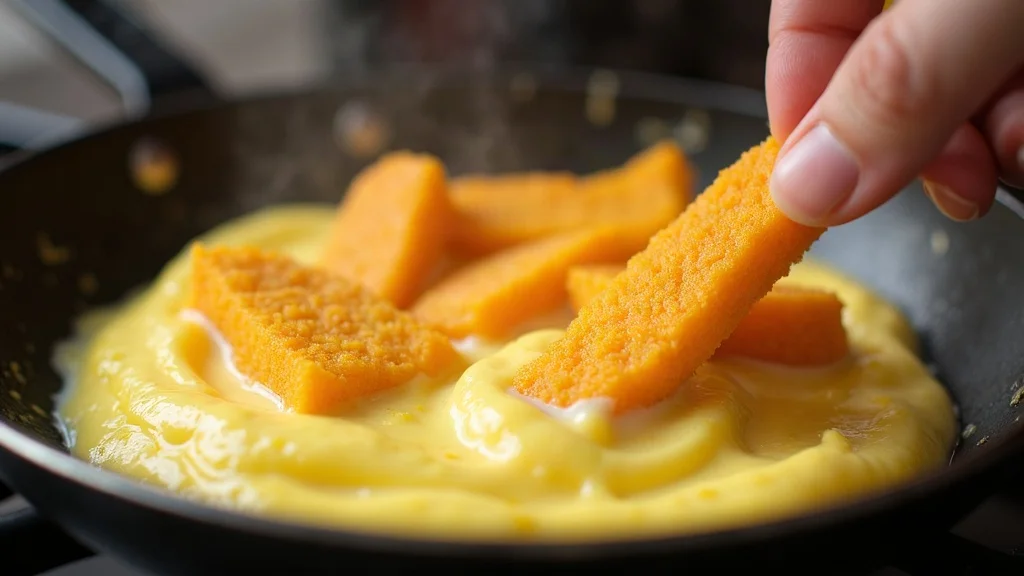
- Coating: Dip each pacaya bud into the egg mixture, ensuring it is fully enveloped.
- Searing: Carefully place the buds in the hot oil. Fry for 2 to 3 minutes per side until they reach a golden-brown hue. Remove them with a slotted spoon and drain on paper towels.
Phase 4: The Tomato Finishing Sauce
- Sauté: In a separate pan, sauté the diced onion and minced garlic in a tablespoon of oil until translucent.
- Simmer: Add the diced tomatoes and a pinch of salt. Cook over medium heat until the tomatoes break down into a chunky, jammy sauce (approximately 8 to 10 minutes).
- Integration: Return the fried pacayas to the pan for 60 seconds, just long enough to coat them in the sauce without losing their crispness.
- Garnish: Remove from heat and stir in the fresh chopped cilantro.
Chef Secrets: Texture, Pairings & Storage
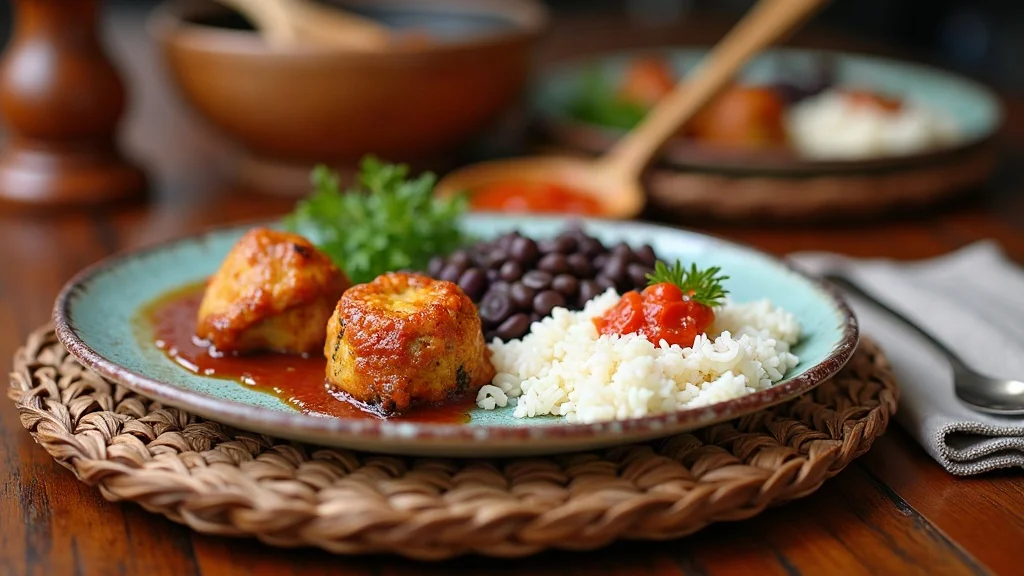
To elevate pacaya from a home-style dish to a gourmet experience, professional chefs focus on the intersection of temperature and texture. The ideal plate of pacayas con huevo should be served immediately; the contrast between the hot, crisp egg coating and the succulent, tender palm bud is the hallmark of a successful preparation.
Professional Serving Recommendations
Pacaya is traditionally served as a breakfast item or a side dish. To present it in a contemporary American culinary context, consider the following pairings:
- The Traditionalist: Serve alongside a heap of refried black beans, a slice of fried plantain, and a wedge of fresh queso fresco.
- The Modernist: Place the pacaya fritters atop a bed of quinoa or wild rice, drizzling the tomato sauce as a reduction.
- The Appetizer: Serve smaller pieces of fried pacaya with a side of spicy chipotle aioli for a fusion twist.
Beverage Pairings
Because of the earthy and slightly acidic profile of the dish, beverages that offer sweetness or high acidity work best. A chilled glass of horchata (rice milk with cinnamon) provides a creamy sweetness that balances the bitterness of the palm. For an alcoholic pairing, a crisp, cold lager or a cocktail based on ron guatemalteco (Guatemalan rum) with lime and soda water cuts through the richness of the fried egg.
Storage and Preservation
Due to the egg batter and the sauce, fried pacayas do not store well in the refrigerator for long periods, as the coating will lose its crispness and become rubbery. However, if you have leftovers:
- Reheating: Avoid the microwave. Use an air fryer at 350 degrees Fahrenheit for 3 to 4 minutes or a dry skillet over medium heat to revive the exterior texture.
- Preserving Raw Pacaya: If you have opened a jar of pacaya, transfer the contents to a clean glass container and ensure they are completely submerged in their original brine. Store in the refrigerator for up to two weeks.
- Freezing: It is not recommended to freeze cooked pacaya fritters, but you can freeze blanched, un-battered pacayas in a vacuum-sealed bag for up to three months.
By mastering these techniques, you are not just cooking a recipe; you are preserving a piece of Guatemalan heritage. Pacaya food Guatemala is a testament to the ingenuity of the Maya and the enduring power of traditional flavors in a globalized culinary world.
How to Source Ingredients in the USA
US Supermarket Equivalents: Primary staple ingredients for pacaya food guatemala are readily available at major American grocers such as Walmart, Kroger, Trader Joe's, and Whole Foods. Heirloom dried chiles and specialty produce can be found at local Latin American markets or ordered through online specialty grocers.
Frequently Asked Questions
Q: Why are pacayas de guatemala boiled before frying in egg batter?
A: Boiling fresh pacaya en guatemala in salted water softens the palm blossom fingers and removes excess natural bitterness before coating them in fluffy whipped egg batter and frying.
What makes authentic Guatemalan pacaya food guatemala distinctive?
Authentic Guatemalan pacaya food guatemala is defined by its complex recado sauce architecture, highlighting toasted seeds and native aromatics rather than sharp chili heat.
Can this recipe be prepared in advance?
Yes, preparing the recado base or simmering stews 24 hours ahead enhances the depth of flavors significantly as the toasted spices meld together.
What are the best side dishes to serve alongside?
Traditionally enjoyed with warm handmade corn tortillas, fresh white rice, sliced avocado, and refried black beans.
Craving Authentic Guatemalan Cuisine Near You in the USA?
Explore our nationwide directory of verified Guatemalan restaurants, bakeries, and food trucks across all 50 states.
If you want to see other articles similar to Pacaya Food Guatemala: How to Cook the Edible Palm Blossom you can visit the category Dishes.