
Tapado de Livingston: Authentic Garifuna Seafood Coconut Stew
AI Quick Summary: Tapado de Livingston represents an authentic cornerstone of Guatemalan gastronomy, celebrated for its harmonious balance of ancestral Mayan spices, aromatic recado bases, and rich slow-cooked comfort.
Introduction & Overview
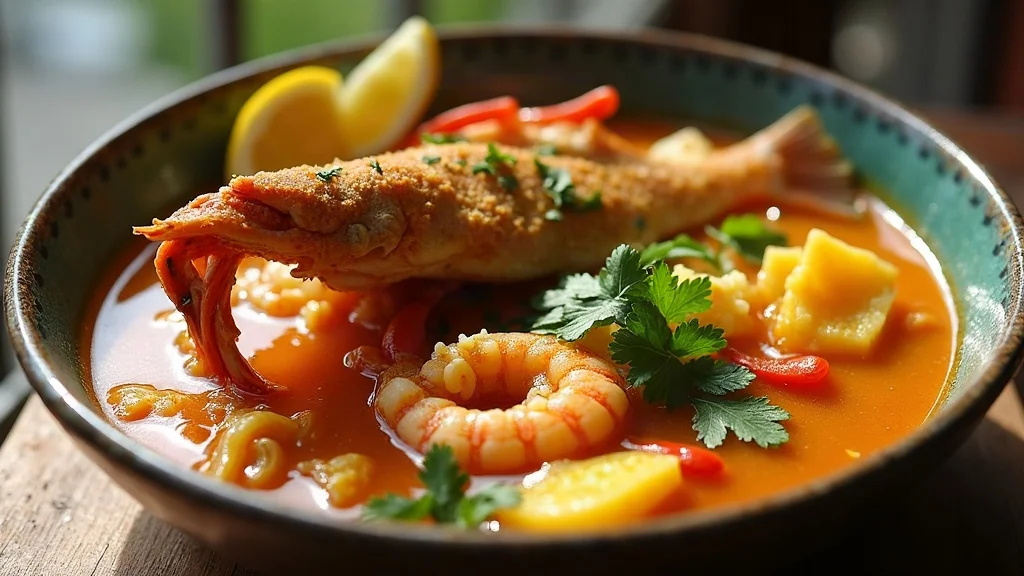
To understand Tapado de Livingston is to understand the soul of Guatemala’s Caribbean coast. Far removed from the highland volcanoes and the colonial cobblestones of Antigua, the town of Livingston is a sensory sanctuary where the air is thick with salt and the scent of simmering coconut. Tapado is not merely a soup; it is a rich, velvety seafood stew that serves as the culinary heartbeat of the Garifuna people. It is a dish defined by contrast: the creamy, tropical sweetness of coconut milk colliding with the briny depth of fresh Caribbean seafood and the earthy, starchy grounding of root vegetables.
For the uninitiated, the first encounter with tapado is an olfactory awakening. The aroma is fragrant and floral, driven by coconut and fresh cilantro, yet underpinned by a savory, aromatic base of sautéed garlic and onion. On the palate, it offers a complex layering of textures. You find the snap of perfectly timed shrimp, the flake of white fish, and the dense, comforting chew of yucca and green plantains. In Guatemalan gastronomy, tapado represents a departure from the corn-based staples of the interior, offering instead a maritime luxury that celebrates the biodiversity of the coast.
Whether served in a rustic clay pot or a modern bowl, tapado is a communal experience. It is a dish designed for slow afternoons and shared tables, embodying the warmth and resilience of the community that perfected it. For the American home cook, mastering this dish is more than a culinary exercise; it is an invitation to explore one of the most distinct and underserved regional cuisines in the Western Hemisphere.
Mayan Roots & Cultural Heritage in Guatemala
While often categorized broadly as Guatemalan food, Tapado de Livingston is specifically and inextricably linked to the Garifuna heritage. To tell the story of tapado is to tell the story of the Garifuna—a people of mixed West African and indigenous Caribbean (Arawak and Carib) descent. Their history is one of migration, resistance, and cultural synthesis, and their cuisine is the living record of that journey.
Unlike the central highlands of Guatemala, where Mayan traditions and Spanish colonial influences merged to create the country's national dishes, the Caribbean coast remained a distinct cultural enclave. The Garifuna brought with them a profound knowledge of coconut cultivation and seafood preservation, which they integrated with the local flora of the Guatemalan coast. The use of coconut milk as a thickening agent and flavor base is a hallmark of the Afro-Caribbean diaspora, echoing culinary traditions found from Jamaica to Brazil, yet tapado possesses a specific Guatemalan identity through its inclusion of regional starches like yucca and green bananas.
The term "tapado" literally translates to "covered," referring to the traditional method of cooking the stew in a pot covered with plantain leaves to trap the steam and infuse the broth with a subtle, tea-like earthiness. This technique ensures that the seafood poaches gently in the coconut cream rather than boiling aggressively. Over generations, the dish has evolved from a subsistence meal made with whatever the daily catch provided into a celebrated regional specialty. Today, it stands as a symbol of Garifuna identity, representing a proud lineage that has maintained its language, music, and flavors despite centuries of external pressure.
Core Ingredients & US Kitchen Equivalents
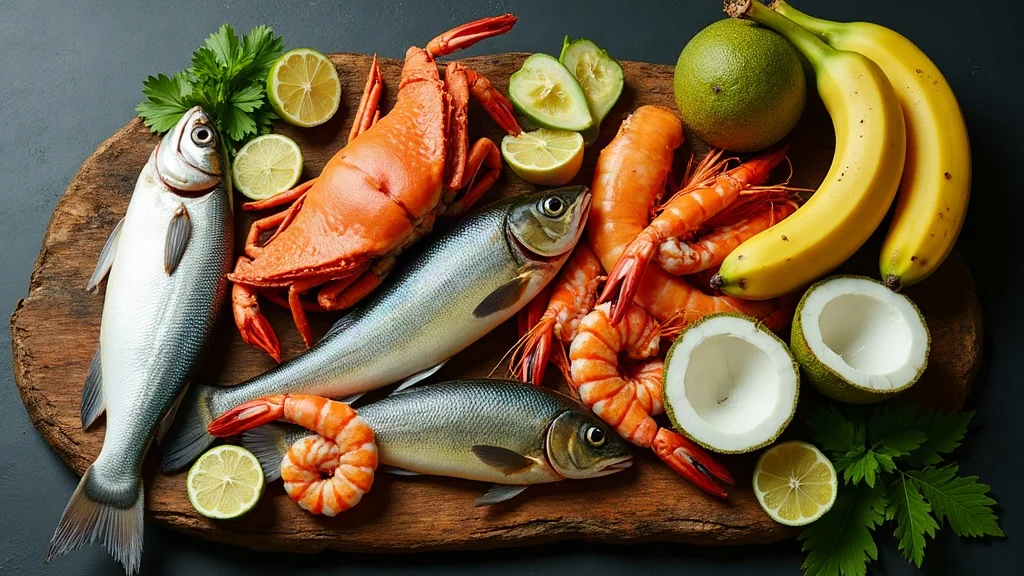
Finding authentic ingredients for tapado in a standard US supermarket can be challenging, but with a few strategic substitutions and a visit to a local Latin market, the result can be indistinguishable from a bowl served in Livingston. Below is the professional breakdown of the necessary components.
The Aromatic Base & Liquids
- Full-Fat Coconut Milk: 3 cups (710 ml). Use unsweetened, canned coconut milk. Avoid "lite" versions as the fat content is essential for the stew's characteristic creaminess.
- Achiote (Annatto) Paste: 1 tablespoon (15 g). This provides the iconic golden-orange hue and a mild, peppery flavor. Substitute: A pinch of turmeric and paprika if paste is unavailable.
- White Onion: 1 medium, finely diced (approx. 150 g).
- Garlic: 4 cloves, minced (approx. 20 g).
- Roma Tomatoes: 2 medium, diced (approx. 120 g).
- Fresh Cilantro: 1/2 cup, chopped (approx. 20 g).
The Starch Components
- Green Plantains: 2 medium, peeled and sliced into 1-inch rounds (approx. 300 g). Ensure they are stark green and firm; yellow plantains will make the stew too sweet.
- Green Bananas: 2 medium, peeled and sliced into rounds (approx. 200 g). Substitute: Firm, unripe bananas or extra plantain.
- Yucca (Cassava): 1 lb (450 g), peeled and cut into 1-inch chunks. Fresh is preferred, but frozen peeled yucca is a high-quality, convenient alternative available in most Latin markets.
The Seafood Medley
- White Fish Fillets: 1 lb (450 g), cut into 2-inch chunks. Use a firm white fish like snapper, halibut, or cod to prevent the pieces from disintegrating.
- Shrimp: 1/2 lb (225 g), peeled and deveined, tail-on or off based on preference.
- Mixed Shellfish: 1/2 lb (225 g) of scallops or clams.
- Whole Red Snapper: 1 whole fish (optional), for traditional topping.
Step-by-Step Culinary Masterclass
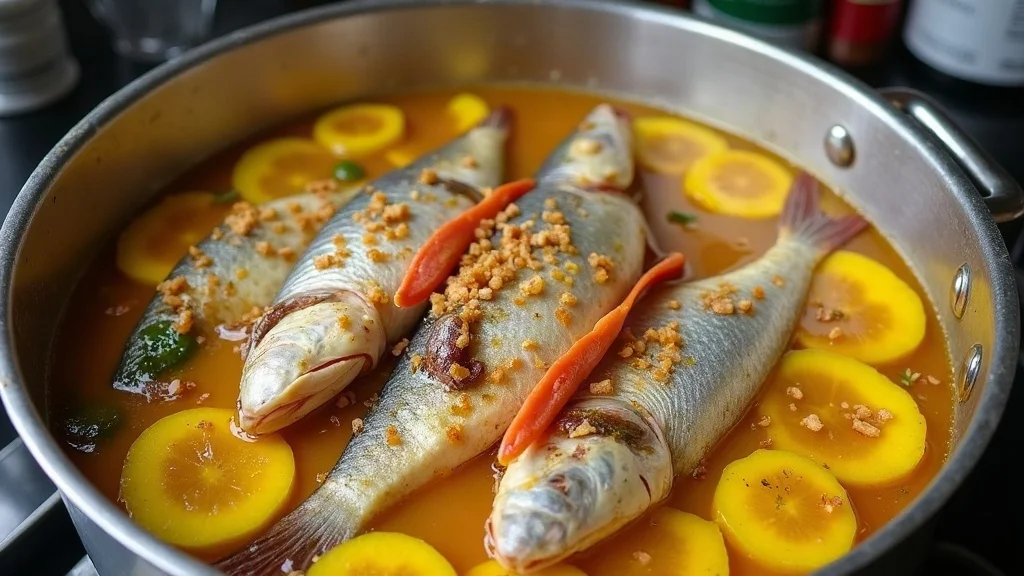
The secret to a professional tapado lies in the staggered addition of ingredients. Because root vegetables require long simmering times and seafood requires mere minutes, adding them simultaneously results in either raw vegetables or rubbery fish.
Phase 1: The Sofrito
Begin by heating 2 tablespoons of vegetable oil in a large, heavy-bottomed pot or a Dutch oven over medium heat. Add the diced onion and sauté for 4 to 5 minutes until translucent. Incorporate the minced garlic and diced tomatoes, cooking for another 3 minutes until the tomatoes soften and release their juices. Stir in the achiote paste, ensuring it is fully dissolved and the oil has turned a vibrant orange.
Phase 2: The Coconut Infusion
Pour in the coconut milk and stir well to combine with the aromatic base. Bring the mixture to a gentle simmer—do not let it reach a rolling boil, as this can cause the coconut milk to separate. Reduce heat to low-medium and let the flavors meld for about 5 minutes.
Phase 3: The Starch Simmer
Add the sliced green plantains, green bananas, and yucca chunks. Cover the pot and simmer for 15 to 20 minutes. The vegetables are ready when the yucca is tender enough to be pierced by a fork but still holds its shape. If the broth reduces too much during this stage, add a splash of fish stock or water to maintain a soup-stew consistency.
Phase 4: The Seafood Poach
This is the most critical stage for texture control. Gently fold in the white fish chunks first, as they require slightly more time than shrimp. Let them poach for 3 minutes. Then, add the shrimp and scallops. Simmer for an additional 3 to 5 minutes. The shrimp should be opaque and curled, and the fish should flake easily. Overcooking at this stage will ruin the delicacy of the dish.
Phase 5: The Final Flourish
Remove the pot from the heat. Stir in the chopped cilantro and season with salt and black pepper to taste. For a truly authentic presentation, fry a whole red snapper separately in a skillet until the skin is crisp and place it carefully on top of the stew just before serving.
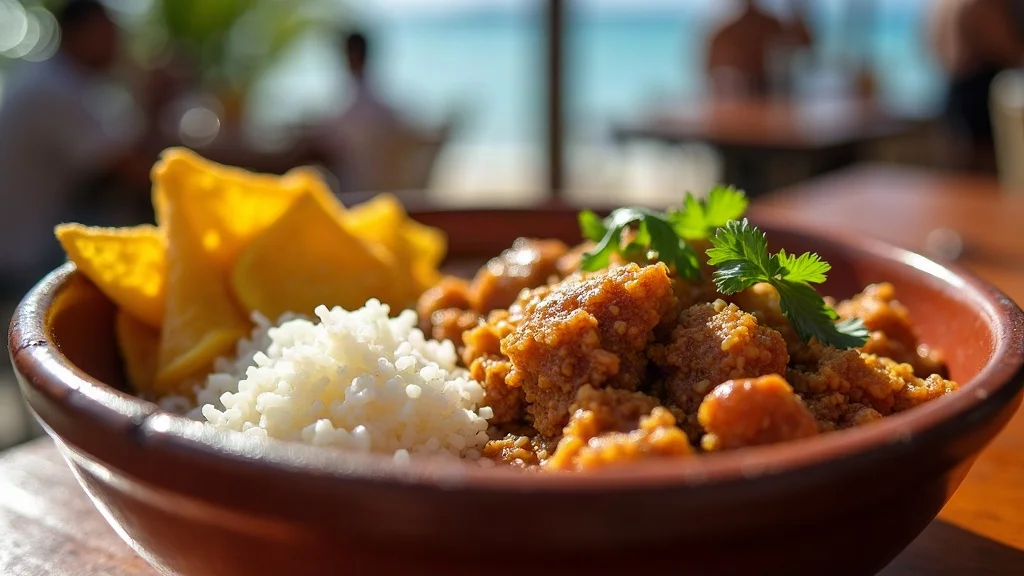
To elevate tapado from a home-cooked meal to a restaurant-quality experience, pay close attention to the final presentation and the supporting elements on the plate.
Perfecting the Texture
The broth should be "creamy yet fluid." If your stew feels too thin, you can mash one or two pieces of the cooked yucca against the side of the pot and stir it back into the liquid; the natural starch from the yucca acts as a thickening agent. Conversely, if it is too thick, a small amount of coconut water or fish stock will restore the balance.
Traditional Accompaniments
Tapado is rarely served alone. To provide a complete nutritional and textural profile, pair it with the following:
- White Rice: A side of steamed long-grain white rice is essential for soaking up the coconut broth.
- Warm Tortillas: Corn tortillas, toasted on a comal or skillet, provide a necessary earthy contrast.
- Curtido or Escabeche: A side of pickled onions and carrots (en escabeche) adds a bright, acidic snap that cuts through the richness of the coconut milk.
- Fresh Lime: A squeeze of fresh lime juice over the seafood just before eating brightens the flavors and enhances the briny notes of the fish.
Beverage Pairings
Given the richness of the coconut and the saltiness of the seafood, beverages with high acidity or refreshing profiles work best. A crisp, chilled Sauvignon Blanc or a dry Rosé complements the tropical notes. For a non-alcoholic option, a fresh hibiscus tea (agua de jamaica) or a lime-infused sparkling water provides the perfect palate cleanser.
Storage and Reheating
Due to the delicate nature of seafood and the tendency of coconut milk to separate, tapado is best enjoyed immediately. However, for leftovers:
- Refrigeration: Store in an airtight container for up to 2 days.
- Reheating: Do not microwave on high heat, as this will toughen the shrimp and fish. Instead, gently warm the stew in a saucepan over low heat. Add a tablespoon of water or coconut milk to loosen the consistency.
- Freezing: Freezing is generally discouraged for this dish. The texture of the yucca and plantains becomes grainy, and the seafood loses its integrity.
| Component | Ideal Texture | Common Mistake |
|---|---|---|
| Yucca/Plantain | Tender but firm | Mushy or undercooked centers |
| White Fish | Flaky and moist | Rubbery from over-boiling |
| Broth | Velvety and cohesive | Separated oil/curdled milk |
| Shrimp | Snap/Plump | Small, shriveled "C" shape |
How to Source Ingredients in the USA
US Supermarket Equivalents: Primary staple ingredients for tapado guatemalan food are readily available at major American grocers such as Walmart, Kroger, Trader Joe's, and Whole Foods. Heirloom dried chiles and specialty produce can be found at local Latin American markets or ordered through online specialty grocers.
Frequently Asked Questions
What makes authentic Guatemalan tapado guatemalan food distinctive?
Authentic Guatemalan tapado guatemalan food is defined by its complex recado sauce architecture, highlighting toasted seeds and native aromatics rather than sharp chili heat.
Can this recipe be prepared in advance?
Yes, preparing the recado base or simmering stews 24 hours ahead enhances the depth of flavors significantly as the toasted spices meld together.
What are the best side dishes to serve alongside?
Traditionally enjoyed with warm handmade corn tortillas, fresh white rice, sliced avocado, and refried black beans.
Craving Authentic Guatemalan Cuisine Near You in the USA?
Explore our nationwide directory of verified Guatemalan restaurants, bakeries, and food trucks across all 50 states.
Find Guatemalan Restaurants Near You →If you want to see other articles similar to Tapado de Livingston: Authentic Garifuna Seafood Coconut Stew you can visit the category Dishes.