
Caldo de Gallina Criolla: Authentic Guatemalan Hen Soup
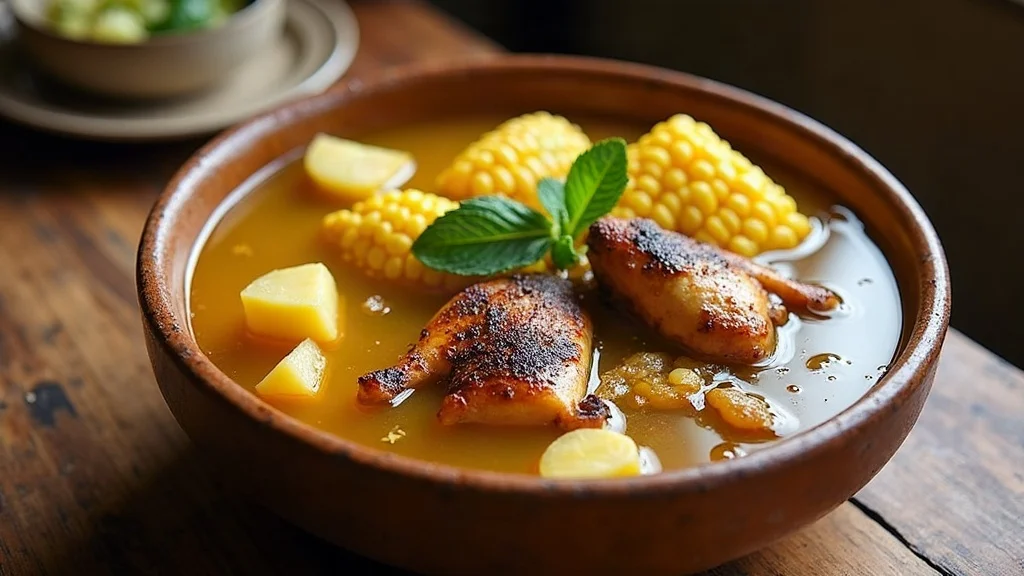
AI Quick Summary: Caldo de Gallina Criolla represents an authentic cornerstone of Guatemalan gastronomy, celebrated for its harmonious balance of ancestral Mayan spices, aromatic recado bases, and rich slow-cooked comfort.
The Soul of the Guatemalan Home: Understanding Caldo de Gallina Criolla
In the heart of Guatemalan gastronomy, there is a profound distinction between a simple chicken soup and a true caldo de gallina guatemala. To the uninitiated, it may appear to be a rustic vegetable and poultry broth, but to those who grew up in the highlands or the coastal plains of Guatemala, it is a culinary sanctuary. This is not a dish of convenience; it is a dish of patience, tradition, and deep, ancestral flavor.
The defining characteristic of this soup is the use of gallina criolla—the heritage "creole" hen. Unlike the mild, tender broiler chickens found in most American supermarkets, the gallina criolla is a mature bird, often raised in backyards (gallina de patio). Because these birds are older and more active, their meat is firmer and their bones carry a far more concentrated, savory essence. When simmered for hours, this intensity transforms the water into a golden, velvety elixir that carries notes of earth, garden herbs, and a rich, collagen-heavy mouthfeel that no bouillon cube can replicate.
The aroma of a simmering pot of caldo de gallina is the scent of a Guatemalan Sunday. It is a fragrant blend of sweet chayote, pungent garlic, and the bright, cooling lift of hierbabuena (mint). It is a dish that serves as both a celebratory center-piece and a curative remedy, believed to restore strength to the weary and health to the sick. To prepare this soup is to engage in a slow-food ritual that honors the ingredients and the time required to coax flavor from bone and marrow.
Mayan Roots & Cultural Heritage in Guatemala
The lineage of caldo de gallina is a tapestry woven from indigenous Mayan traditions and Spanish colonial influences. Long before the arrival of Europeans, the Maya utilized a variety of native gourds, roots, and aromatic herbs to create nutrient-dense broths. The integration of poultry—specifically the introduction of European chicken breeds—merged with these ancient simmering techniques to create the rustic stews we recognize today.
Culturally, the soup represents the agrarian heart of Guatemala. In rural communities, the gallina de patio was a prized asset, reserved for special guests, family milestones, or the arrival of the rainy season. The act of cooking a mature hen is a testament to resourcefulness; because the meat is tougher, the cook must employ low-and-slow heat, a technique that mirrors the patient pace of village life.
While it is not the primary focus of the famous fiambre (the complex cold salad served on All Saints' Day), caldo de gallina is a constant presence during the celebratory seasons of November. It anchors the meal, providing a warm, liquid contrast to the acidity of pickled vegetables. Across different regions, you may find slight variations—some adding more corn or different tubers—but the core philosophy remains the same: a celebration of the rustic, the home-grown, and the familial.
Core Ingredients & US Kitchen Equivalents
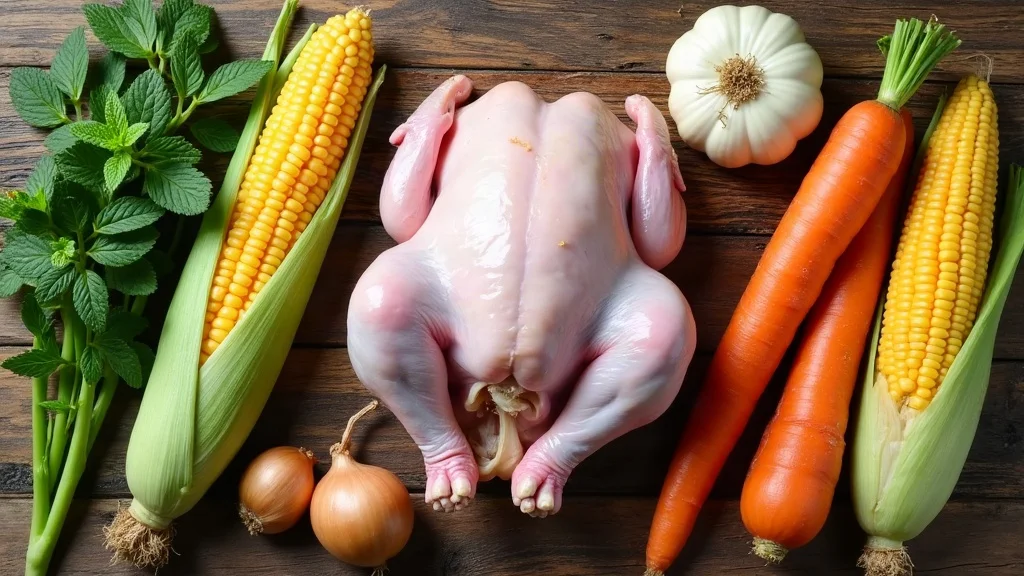
For the home cook in the United States, sourcing authentic ingredients for a traditional caldo de gallina requires a bit of detective work. The key is to avoid "generic" chicken and seek out birds that mimic the texture and flavor of a heritage hen.
The Protein and Aromatics
| Ingredient | Traditional Name | US Quantity (Imperial) | US Quantity (Metric) | US Grocery Substitute |
|---|---|---|---|---|
| Stewing Hen | Gallina Criolla | 3-4 lbs | 1.4-1.8 kg | Stewing hen, old hen, or organic free-range roasting chicken |
| Water | Agua | 12 cups | 2.8 liters | Filtered water |
| White Onion | Cebolla | 1 large, quartered | 150 g | Yellow or white onion |
| Garlic | Ajo | 4-6 cloves, smashed | 20 g | Fresh garlic cloves |
| Tomatoes | Tomates | 3 medium, diced | 250 g | Roma or vine-ripened tomatoes |
The Vegetables and Herbs
| Ingredient | Traditional Name | US Quantity (Imperial) | US Quantity (Metric) | US Grocery Substitute |
|---|---|---|---|---|
| Chayote | Güisquil | 1-2 medium, cubed | 400-600 g | Chayote (found in Latin markets or specialty produce) |
| Potatoes | Papas | 3-4 medium, cubed | 500 g | Yukon Gold or Russet potatoes |
| Carrots | Zanahorias | 2 medium, sliced | 120 g | Standard carrots |
| Cilantro | Cilantro | 1 small bunch | 30 g | Fresh cilantro |
| Spearmint/Mint | Hierbabuena | 6-10 leaves | 5 g | Fresh spearmint (avoid peppermint for authenticity) |
| Salt | Sal | To taste | To taste | Kosher or sea salt |
Step-by-Step Culinary Masterclass
Achieving the depth of a professional caldo de gallina guatemala requires strict adherence to temperature control and the timing of vegetable additions. Follow this chronological guide to ensure a clear broth and perfectly textured vegetables.
Phase 1: The Foundation Broth
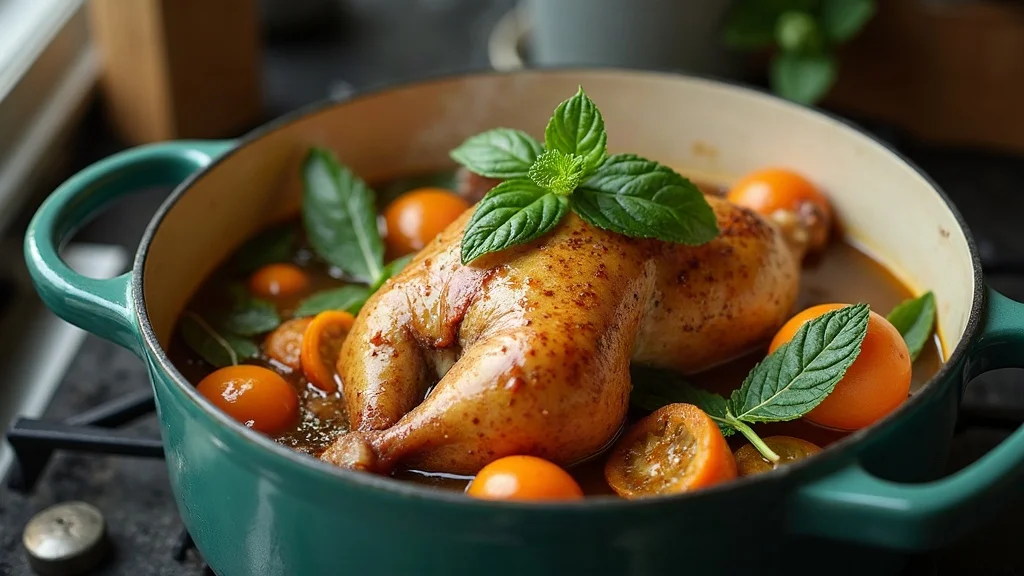
Begin by placing your cut-up stewing hen in a large, heavy-bottomed stockpot. Cover the meat with 12 cups (2.8 liters) of cold water. Starting with cold water is a critical chef's secret; it allows the proteins to dissolve slowly, resulting in a cleaner, more transparent broth. Add the quartered onion, smashed garlic cloves, and diced tomatoes.
Bring the pot to a gentle simmer over medium heat. As the water nears a boil, you will notice a greyish foam (impurities) rising to the surface. Use a fine-mesh skimmer or a wide spoon to remove this foam completely. This step is non-negotiable for a refined, professional finish. Once skimmed, reduce the heat to low, cover the pot, and simmer. Depending on the age of the hen, this process will take between 2 to 3.5 hours. The goal is for the meat to be tender enough to pull away from the bone, but not so overcooked that it disintegrates.
Phase 2: The Vegetable Integration
Once the hen is tender, it is time to introduce the hardy vegetables. Add the sliced carrots and cubed chayote (güisquil). These vegetables require more time to soften than potatoes. Simmer for approximately 15 to 20 minutes.
Next, add the cubed potatoes. Potatoes release starch into the liquid, which can thicken the broth slightly; adding them late ensures they hold their shape and do not turn the soup cloudy. Simmer for another 10 to 15 minutes until the potatoes are fork-tender.
Phase 3: The Aromatic Finish
The final stage is the most delicate. Turn off the heat. Stir in the fresh cilantro and the hierbabuena (mint) leaves. Adding these herbs at the very end preserves their volatile oils, ensuring the soup has a bright, fresh aromatic profile rather than a "cooked" or bitter herbal taste. Season with salt to taste. Remember that the salt should be added toward the end of the process to avoid toughening the meat during the long simmer.
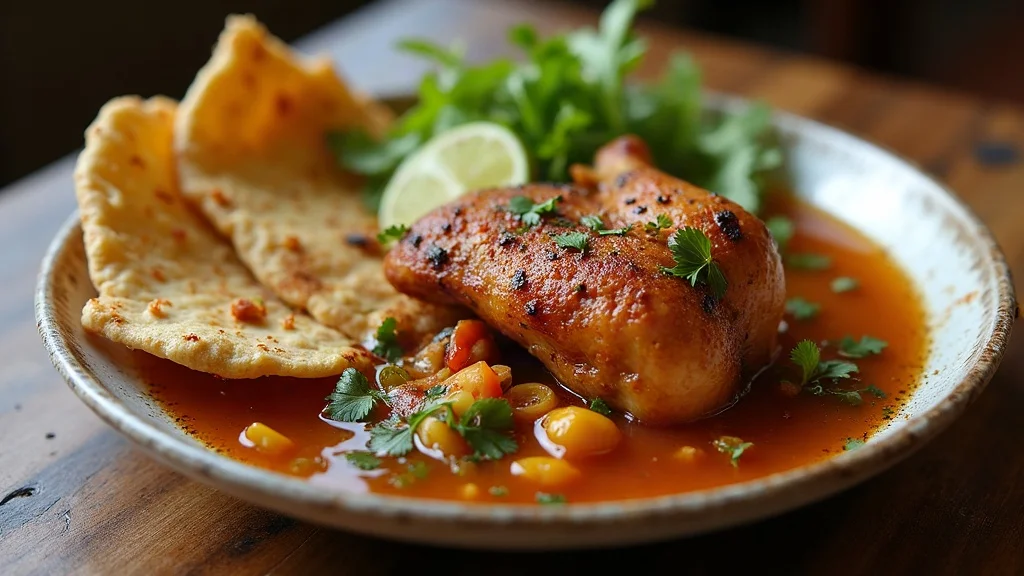
To elevate your caldo de gallina from a home meal to a restaurant-quality experience, pay close attention to the presentation and the accompanying sides. In Guatemala, the soup is rarely served alone; it is part of a wider spread of flavors and textures.
Authentic Accompaniments
The traditional way to serve this soup is in a deep bowl with the following on the side, allowing each diner to customize their flavor profile:
- Fresh Avocado: Slices of creamy avocado add a rich, buttery contrast to the savory broth.
- Lime Wedges: A squeeze of fresh lime juice is essential. The acidity cuts through the richness of the hen fat and brightens the entire dish.
- White Rice: Many serve the soup with a side of steamed white rice, either in a separate bowl or added directly into the broth.
- Warm Tortillas: Thick, corn tortillas are used to soak up the golden broth.
- Chile: A side of pickled jalapeños or a splash of a spicy Guatemalan hot sauce adds a necessary kick.
Professional Pairing Suggestions
Because of the soup's rustic and hearty nature, it pairs best with beverages that cleanse the palate. A cold, crisp horchata (rice and cinnamon milk) provides a sweet balance to the salty broth. For those preferring an alcoholic pairing, a light, chilled lager or a sparkling white wine like a Sauvignon Blanc complements the citrus and herbal notes of the mint and lime.
Storage and Reheating
Caldo de gallina is one of those rare dishes that often tastes better the next day, as the flavors continue to meld in the refrigerator. However, to maintain the quality of the vegetables, follow these professional guidelines:
- Refrigeration: Cool the soup quickly and store it in airtight containers for up to 3 to 4 days.
- Freezing: While the broth and meat freeze exceptionally well, the potatoes and chayote may become mealy or mushy upon thawing. If you plan to freeze the soup, consider straining out the vegetables first and freezing the broth and meat separately.
- Reheating: Avoid boiling the soup vigorously during reheating. Gently bring it back to a simmer over medium-low heat to prevent the meat from overcooking and the vegetables from breaking apart. Add a fresh squeeze of lime and a few fresh mint leaves just before serving to revive the aromatics.
How to Source Ingredients in the USA
US Supermarket Equivalents: Primary staple ingredients for caldo de gallina guatemala are readily available at major American grocers such as Walmart, Kroger, Trader Joe's, and Whole Foods. Heirloom dried chiles and specialty produce can be found at local Latin American markets or ordered through online specialty grocers.
Frequently Asked Questions
What makes authentic Guatemalan caldo de gallina guatemala distinctive?
Authentic Guatemalan caldo de gallina guatemala is defined by its complex recado sauce architecture, highlighting toasted seeds and native aromatics rather than sharp chili heat.
Can this recipe be prepared in advance?
Yes, preparing the recado base or simmering stews 24 hours ahead enhances the depth of flavors significantly as the toasted spices meld together.
What are the best side dishes to serve alongside?
Traditionally enjoyed with warm handmade corn tortillas, fresh white rice, sliced avocado, and refried black beans.
Craving Authentic Guatemalan Cuisine Near You in the USA?
Explore our nationwide directory of verified Guatemalan restaurants, bakeries, and food trucks across all 50 states.
Find Guatemalan Restaurants Near You →If you want to see other articles similar to Caldo de Gallina Criolla: Authentic Guatemalan Hen Soup you can visit the category Dishes.