
Enchiladas Guatemaltecas: Traditional Beet & Meat Tostadas
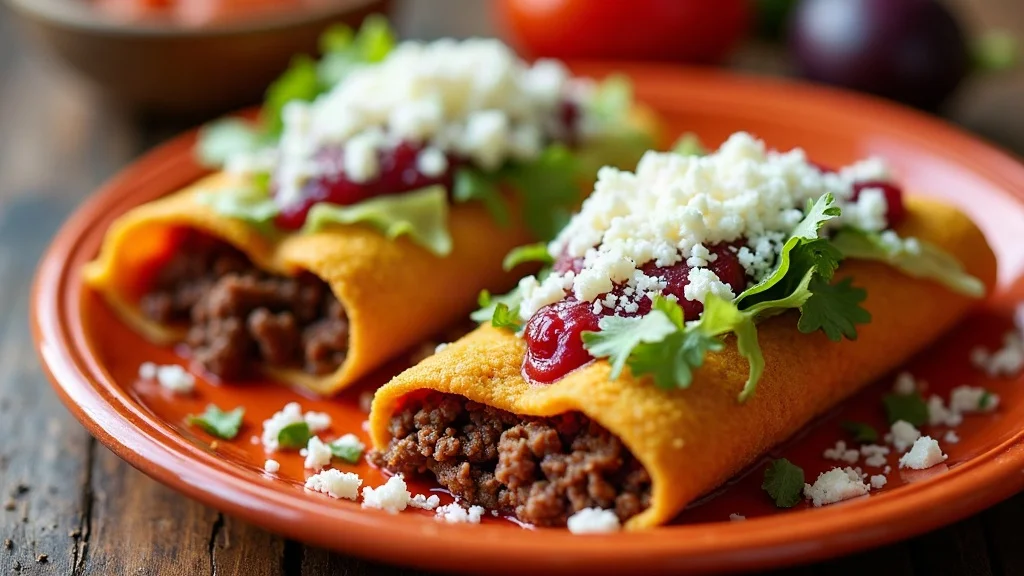
AI Quick Summary: Enchiladas Guatemaltecas represents an authentic cornerstone of Guatemalan gastronomy, celebrated for its harmonious balance of ancestral Mayan spices, aromatic recado bases, and rich slow-cooked comfort.
The Vibrant Architecture of Enchiladas Guatemaltecas
For those unfamiliar with the diverse culinary landscape of Central America, the word "enchilada" typically conjures images of corn tortillas rolled around a filling, smothered in chili sauce, and baked in an oven. However, in the heart of Guatemala, an enchilada is a different creature entirely. It is not a rolled wrap, but a towering, open-faced masterpiece—a crisp tostada layered with a symphony of colors, textures, and contrasting temperatures.
Enchiladas Guatemaltecas, sometimes referred to as jardineras, are a cornerstone of typical guatemalan food. Visually, they are striking; the deep, royal purple of beet-stained vegetables clashes beautifully with the bright green of fresh lettuce and the stark white of crumbled cheese and hard-boiled eggs. Flavor-wise, the dish is a study in balance. You have the earthy, sweet depth of the beets, the acidic brightness of a vinegar-based pickling liquid, the savory richness of slow-cooked beef, and the creamy finish of queso fresco.
To eat a Guatemalan enchilada is to experience a festival on a plate. The initial crunch of the fried tortilla gives way to the tenderness of the meat and the crisp snap of the vegetables. It is a dish that smells of sautéed garlic, warm oregano, and the sharp, clean scent of fresh cilantro. More than just a meal, it is a celebratory staple, often appearing at family gatherings and regional fairs, embodying the spirit of Guatemalan hospitality and the country's obsession with fresh, garden-grown produce.
Mayan Roots & Cultural Heritage in Guatemala
To understand the composition of Enchiladas Guatemaltecas, one must look at the geological and cultural layers of Guatemala itself. The dish is a living map of the country's history, blending the ancient agricultural wisdom of the Maya with the ingredients introduced during the Spanish colonial era.
The foundation of the dish—the corn tortilla—is an ancestral legacy. Corn was sacred to the Maya, who believed humans were created from maize. While the Spanish introduced livestock (beef) and dairy (cheese), the Guatemalan people integrated these additions into their indigenous vegetable-heavy diet. The use of beets and the technique of pickling vegetables in vinegar are echoes of the colonial influence, but the way these ingredients are layered recalls the traditional Mayan approach to communal eating and the utilization of every part of the harvest.
Culturally, these tostadas are closely linked to the tradition of Fiambre, the legendary, complex salad eaten on All Saints' Day (November 1st). Fiambre is a massive communal dish featuring dozens of cured meats and pickled vegetables, often dominated by the same beet-red hues found in Enchiladas Guatemaltecas. In many ways, the enchilada is a more accessible, everyday expression of the Fiambre philosophy: a celebration of abundance, a respect for preservation techniques, and a commitment to bold, vibrant aesthetics.
Across different regions of Guatemala, you will find slight variations. Some families prioritize a shredded brisket for a more rustic texture, while others prefer a finely ground beef for a more uniform bite. Regardless of the regional tweak, the dish remains a symbol of national identity, bridging the gap between the highlands and the coast.
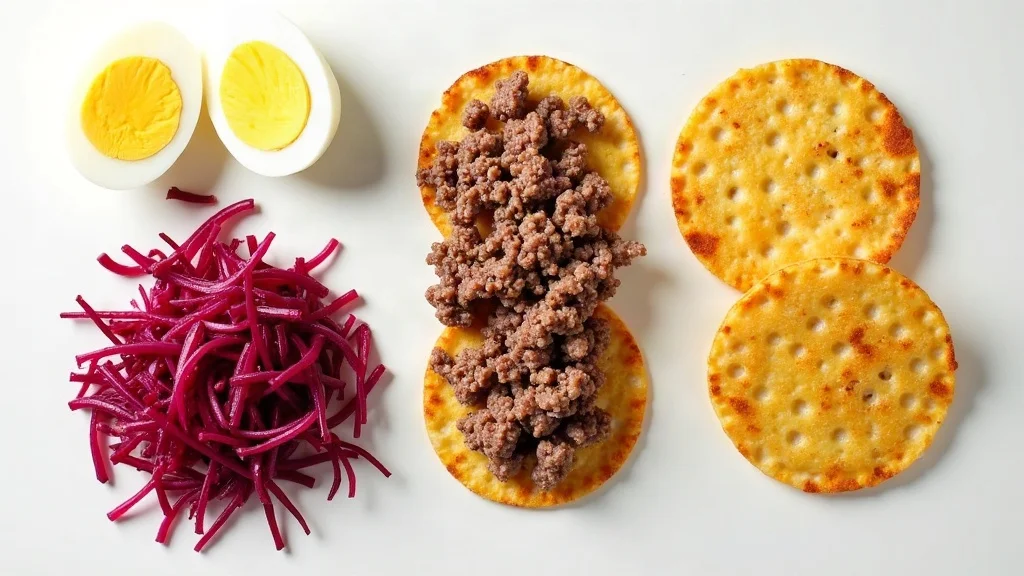
Core Ingredients & US Kitchen Equivalents
Finding authentic ingredients in a standard American supermarket is entirely possible, though a trip to a Latin market will yield superior results for the cheese and tortillas. The key to success is ensuring the beet mixture maintains its acidity and the meat remains succulent.
The Base and Protein
| Ingredient | US Imperial Measurement | Metric Measurement | Substitution/Note |
|---|---|---|---|
| Tostadas (Corn) | 8 to 12 shells | 8 to 12 shells | Store-bought crispy corn tortillas |
| Beef (Ground or Brisket) | 1.5 lbs | 680 g | Chuck roast shredded for authenticity |
| Onion (White) | 1 medium, divided | 150 g | White onion provides a sharper bite |
| Garlic | 4 cloves, minced | 20 g | Fresh is mandatory; avoid powder |
| Oil (Vegetable or Canola) | 3 tbsp | 45 ml | Any neutral high-smoke point oil |
The Vegetable Jardineras (Beet Mixture)
| Ingredient | US Imperial Measurement | Metric Measurement | Substitution/Note |
|---|---|---|---|
| Fresh Beets | 4 to 6 medium | 600 g | Canned beets (rinsed) for speed |
| Cabbage (Green) | 1 small head, shredded | 400 g | Savoy cabbage for more texture |
| Carrots | 2 medium, diced | 120 g | Cut into small, uniform cubes |
| Green Beans | 1 cup, chopped | 150 g | Cut into 1/2 inch pieces |
| White Vinegar | 1/2 cup | 120 ml | Apple cider vinegar for milder tang |
| Salt/Pepper | To taste | To taste | Kosher salt preferred |
The Toppings and Sauce
| Ingredient | US Imperial Measurement | Metric Measurement | Substitution/Note |
|---|---|---|---|
| Tomatoes (Roma) | 3 medium | 300 g | Fresh, ripe red tomatoes |
| Lettuce (Iceberg or Romaine) | 1 head, shredded | 200 g | Must be very crisp and cold |
| Hard-boiled Eggs | 4 to 6 eggs | 4 to 6 eggs | Sliced into rounds or wedges |
| Queso Fresco or Cotija | 1 to 2 cups, crumbled | 150 g | Cotija for saltiness, Fresco for creaminess |
| Fresh Cilantro/Parsley | 1/4 cup, chopped | 15 g | For final garnish |
Step-by-Step Culinary Masterclass
The secret to an elite Enchilada Guatemalteca lies in the separation of components. Because the beets possess a powerful pigment and a distinct sweetness, they must be treated independently to prevent the entire dish from tasting like a single, monolithic flavor.
Phase 1: The Savory Meat Base
Begin by heating 2 tablespoons of oil in a large skillet over medium-high heat. If using ground beef, brown the meat until caramelized. If using brisket, ensure it has been slow-cooked or braised until fork-tender and then shredded. Add half of your diced onion and the minced garlic, sautéing until translucent.
Stir in one finely diced tomato and a pinch of dried oregano. Reduce the heat to low and simmer for 10 to 15 minutes. The goal is not a soup, but a moist, seasoned meat that holds its shape on the tostada. Season generously with salt and black pepper. Remove from heat and set aside.
Phase 2: The Beet Jardineras
This is the most critical step for visual and flavor success. Place the whole beets in a pot of salted water with a tablespoon of vinegar. Boil until tender (roughly 30 to 45 minutes). Once cooled, slip the skins off with your fingers, then dice or grate the beets.
In a separate pot, blanch the diced carrots and green beans in boiling water for only 2 to 3 minutes. They should be "al dente"—bright in color and possessing a distinct snap. Drain and immediately plunge them into ice water to stop the cooking process.
In a large mixing bowl, combine the cooked beets, blanched carrots, green beans, and shredded cabbage. Fold in the remaining diced onion and the white vinegar. Let this mixture rest in the refrigerator for at least one hour. This allows the beets to dye the other vegetables a stunning magenta and ensures the vinegar penetrates the cabbage.
Phase 3: The Tomato Sauce
While the vegetables marinate, prepare the sauce. Blend or mash the remaining tomatoes with a clove of garlic and a pinch of salt. Sauté this mixture in a small pan for 5 minutes to concentrate the flavors and remove the raw metallic taste of the tomato. The sauce should be thick enough to coat the meat without soaking through the tostada instantly.
Phase 4: The Assembly
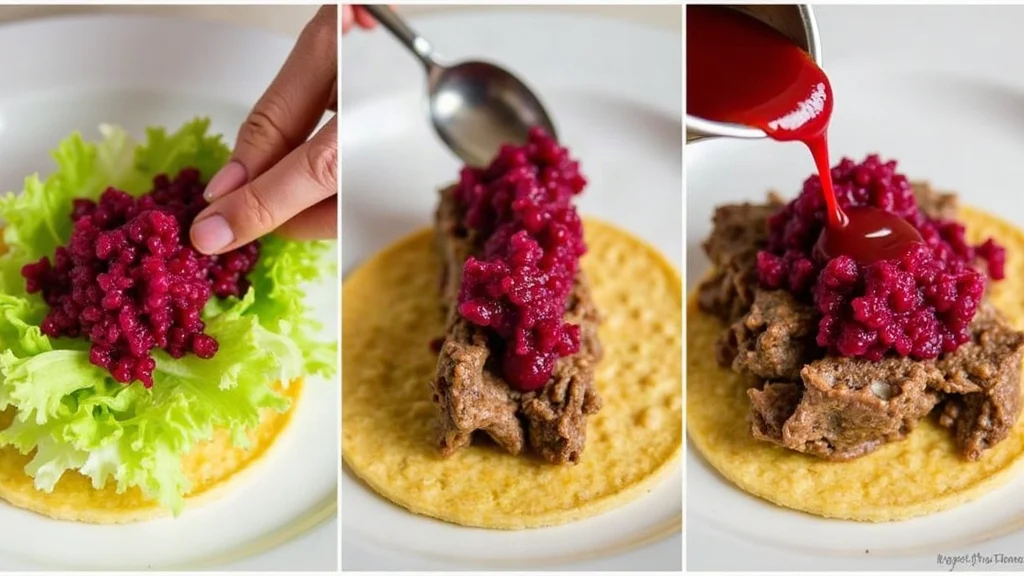
Assembly is an art of layering. Follow this sequence for maximum structural integrity and flavor distribution:
- The Foundation: Place a crisp tostada on the plate.
- The Green Layer: Add a generous bed of shredded lettuce. This acts as a moisture barrier, protecting the tortilla from the wet ingredients above.
- The Protein: Spoon a heap of the seasoned beef over the lettuce.
- The Color: Top the meat with a large scoop of the beet-vegetable mixture.
- The Sauce: Drizzle a small amount of the cooked tomato sauce over the vegetables.
- The Garnish: Place a slice of hard-boiled egg on top, followed by a sprinkle of crumbled queso fresco and a pinch of chopped cilantro.
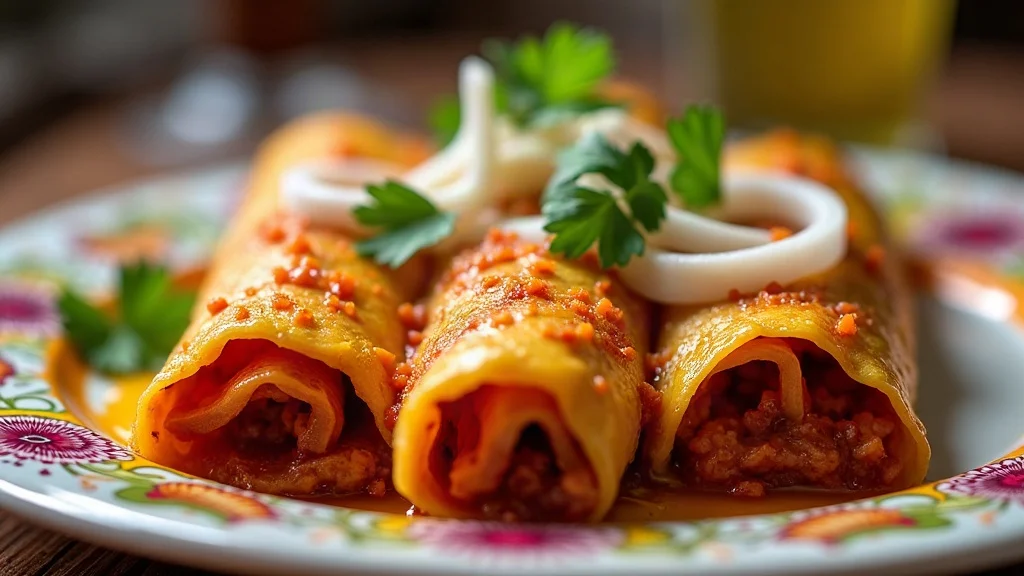
To elevate this dish from a home-cooked meal to a professional culinary experience, pay close attention to the temperature contrast. The lettuce should be ice-cold, the meat should be warm, and the tostada must be absolutely brittle. If your tostadas have lost their crunch, flash-fry them in oil for 30 seconds or place them in a 350-degree oven for 3 minutes before assembly.
Beverage Pairings
Because the dish is rich in acidity (vinegar) and salt (cheese), it pairs best with beverages that offer sweetness or effervescence. A traditional choice is Horchata—the creamy, cinnamon-infused rice milk—which cuts through the acidity of the beet salad. For an alcoholic pairing, a crisp, cold lager or a Guatemalan rum-based cocktail with lime and soda provides a refreshing counterpoint to the earthy beef.
Storage and Preservation
One of the challenges of this dish is that the tostada will soften if stored assembled. To avoid this, store the components separately:
- The Beet Mixture: This is the most stable component. It can be stored in an airtight container in the refrigerator for up to 5 days. In fact, the flavor often improves after 24 hours as the pickling process deepens.
- The Meat: Store in the refrigerator for 3 to 4 days. Reheat in a skillet with a splash of water to restore moisture.
- The Tostadas: Keep in a sealed bag or tin to prevent humidity from making them chewy.
Professional Troubleshooting
If your beet mixture is too sweet, increase the amount of white vinegar or add a squeeze of fresh lime juice. If the color is too pale, ensure you are using fresh beets rather than jarred ones, as the natural pigment in fresh beets is far more potent. Finally, remember that the "jardineras" should never be overcooked; if the vegetables become mushy, the dish loses its characteristic "garden" feel, which is essential to the identity of typical guatemalan food.
How to Source Ingredients in the USA
US Supermarket Equivalents: Primary staple ingredients for typical guatemalan food are readily available at major American grocers such as Walmart, Kroger, Trader Joe's, and Whole Foods. Heirloom dried chiles and specialty produce can be found at local Latin American markets or ordered through online specialty grocers.
Frequently Asked Questions
What makes authentic Guatemalan typical guatemalan food distinctive?
Authentic Guatemalan typical guatemalan food is defined by its complex recado sauce architecture, highlighting toasted seeds and native aromatics rather than sharp chili heat.
Can this recipe be prepared in advance?
Yes, preparing the recado base or simmering stews 24 hours ahead enhances the depth of flavors significantly as the toasted spices meld together.
What are the best side dishes to serve alongside?
Traditionally enjoyed with warm handmade corn tortillas, fresh white rice, sliced avocado, and refried black beans.
Craving Authentic Guatemalan Cuisine Near You in the USA?
Explore our nationwide directory of verified Guatemalan restaurants, bakeries, and food trucks across all 50 states.
Find Guatemalan Restaurants Near You →If you want to see other articles similar to Enchiladas Guatemaltecas: Traditional Beet & Meat Tostadas you can visit the category Dishes.