
Garnachas Guatemaltecas: Authentic Feria Street Food Recipe
AI Quick Summary: Garnachas Guatemaltecas represents an authentic cornerstone of Guatemalan gastronomy, celebrated for its harmonious balance of ancestral Mayan spices, aromatic recado bases, and rich slow-cooked comfort.
How to Make Authentic Garnachas Guatemaltecas Feria-Style
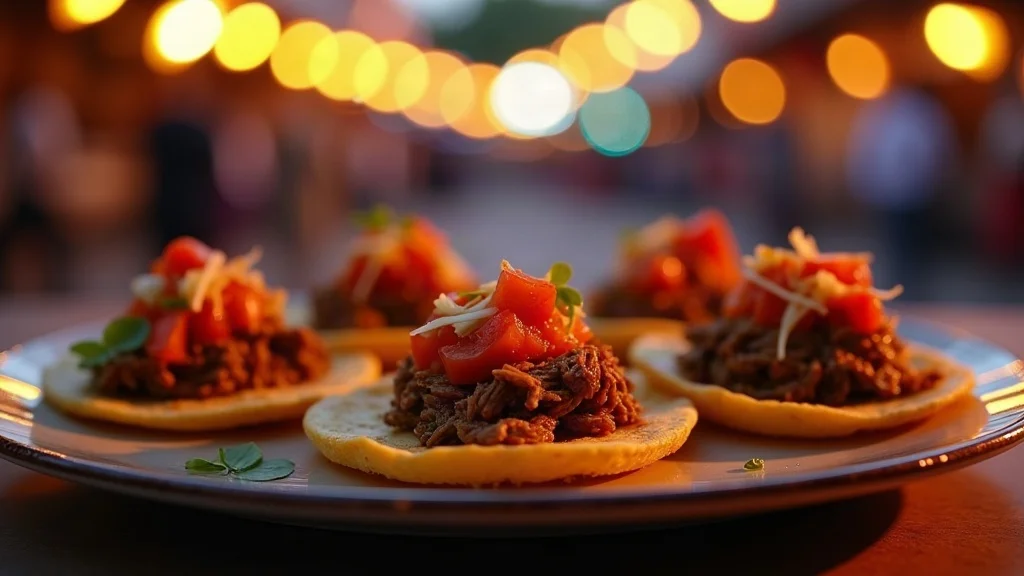
Irresistible and universally craved at every patron saint feria, crispy garnachas guatemaltecas feature small, thick fried corn tortillas topped with seasoned minced meat picadillo, tangy pickled cabbage curtido, and a dusting of dry queso duro. To walk through a Guatemalan feria—a traditional town fair—is to surrender your senses to a symphony of sizzling oil, toasted corn, and the sharp, acidic tang of pickled vegetables. At the heart of this sensory experience is the Garnacha. While the word "garnacha" exists in other Latin American lexicons, the Guatemalan iteration is a distinct culinary architecture: a small, thick corn tortilla, fried to a golden crisp, acting as a sturdy vessel for a layering of seasoned meat, a savory tomato reduction, crisp cabbage, and a dusting of salty, dry cheese.
The flavor profile of an authentic garnacha is a masterclass in contrast. You have the earthy, nutty warmth of the fried masa, the umami depth of the slow-simmered beef, the bright, vinegary snap of the curtido (pickled cabbage), and the pungent, salty finish of queso seco. It is more than a street-food appetizer; it is a bite-sized encapsulation of Guatemalan gastronomy—balancing the indigenous reliance on corn with the savory influences brought by Spanish colonial trade.
For the home cook in the United States, recreating these "feria-style" delights requires more than just a recipe; it requires an understanding of texture. The goal is a tortilla that is rigid enough to support its toppings without becoming greasy, and a sauce that concentrates the essence of the tomato without becoming overly sweet. When executed correctly, garnachas are the ultimate crowd-pleaser, offering a sophisticated interplay of temperature and taste that transports the diner directly to the cobblestone streets of Antigua or the bustling markets of Guatemala City.
Mayan Roots & Cultural Heritage in Guatemala
The story of the garnacha begins with the sacred status of corn (maize) in the Mayan civilization. For the ancient Maya, corn was not merely a crop; it was the substance from which humanity was created, according to the Popol Vuh. The process of nixtamalization—soaking corn in an alkaline solution—was a technological breakthrough that allowed the Maya to unlock the nutritional value of the grain and create the pliable dough known as masa. The garnacha is a direct descendant of this ancient tradition, evolving from simple fried corn cakes into the complex topped snacks we recognize today.
As Guatemala moved through the Spanish colonial era, the indigenous corn base merged with European imports. The introduction of cattle brought beef and dairy (the precursor to queso duro), while the Spanish brought tomatoes and onions, which became the foundation of the salsa roja. This synthesis created a dish that mirrored the social structure of the time: the humble, indigenous tortilla supporting the "richer" imported proteins and condiments.
Culturally, garnachas remain inextricably linked to communal celebration. They are staples of the ferias patronales (patron saint festivals), where families gather to eat and socialize. In these settings, the garnacha is an egalitarian food—accessible, portable, and deeply satisfying. While modern adaptations in the U.S. sometimes add non-traditional toppings like mayonnaise or mustard, the traditional Guatemalan version remains a testament to the region's commitment to fresh, acidic, and earthy flavors.
Core Ingredients & US Kitchen Equivalents
Finding authentic ingredients in a standard U.S. supermarket can be challenging, but with a few strategic substitutions, you can achieve a professional result. For the most authentic flavor, a visit to a local mercado Latino is recommended, specifically seeking items labeled "Guatemalteco" or "Centroamericano."
| Ingredient | Imperial Measurement | Metric Measurement | US Supermarket Substitution |
|---|---|---|---|
| Masa Harina | 2 cups | 250 g | Corn Masa Flour (Maseca brand) |
| Warm Water | 1.5 cups | 350 ml | Filtered warm water |
| Flank or Chuck Beef | 1 lb | 450 g | Stew meat or brisket |
| Roma Tomatoes | 4 medium | 300 g | Canned crushed tomatoes (if fresh unavailable) |
| White Onion | 1 medium | 150 g | Yellow onion |
| Garlic | 3 cloves | 15 g | Fresh garlic |
| Cabbage | 1/2 small head | 250 g | Green cabbage (shredded) |
| White Vinegar | 1/2 cup | 120 ml | Apple cider vinegar |
| Queso Duro/Seco | 1/2 cup (crumbled) | 60 g | Cotija or salty Feta |
| Vegetable Oil | 2 cups (for frying) | 475 ml | Canola or Grapeseed oil |
Ingredient Selection Guide
- Masa Harina: Ensure you buy "Masa Harina" (corn flour) and not standard cornstarch or cornmeal. The nixtamalized process is essential for the authentic tortilla texture.
- The Cheese: Look for Queso Seco or Queso Duro. These are dry, salty, and do not melt. If unavailable, Cotija is the closest Mexican equivalent. Avoid Mozzarella or Monterey Jack, as they will change the flavor profile.
- The Curtido: If you prefer a shortcut, look for "pickled cabbage" or "curtido" in the refrigerated section of Latin markets. Ensure the brine is vinegar-based and not overly sweetened.
Step-by-Step Culinary Masterclass
Achieving the "feria" quality at home requires attention to three distinct components: the protein, the condiment, and the vessel. Follow this chronological order to ensure everything is fresh and hot at the moment of assembly.
Phase 1: The Savory Meat (The Protein)
- Preparation: Place the beef in a pot and cover with water. Add half an onion, two smashed garlic cloves, and a generous pinch of salt.
- Simmering: Bring to a boil, then reduce to a simmer. Cook until the meat is fork-tender (approximately 1.5 to 2 hours for chuck, or use a pressure cooker for 40 minutes).
- Shredding: Remove the meat from the broth and let it cool slightly. Using two forks, shred the beef finely. The finer the shred, the better it will adhere to the tortilla.
- Sauté: Heat one tablespoon of oil in a pan. Sauté the shredded beef with a pinch of cumin and oregano until the edges are slightly caramelized. Set aside.
Phase 2: The Salsa Roja & Curtido (The Accents)
- The Salsa: Blend the tomatoes, remaining onion, garlic, and a pinch of salt until smooth. Pour the mixture into a small saucepan. Simmer over medium heat for 10 to 15 minutes until the sauce thickens and the flavor concentrates. It should be a rich, savory reduction, not a watery soup.
- The Curtido: Finely shred the cabbage. Place it in a bowl with vinegar, salt, and a pinch of sugar. Let it macerate for at least 30 minutes. This acidity is crucial to cutting through the richness of the fried tortilla.
Phase 3: The Tortillas (The Vessel)
- Mixing: In a large bowl, combine 2 cups of masa harina with 1.5 cups of warm water and a pinch of salt. Knead by hand until the dough is smooth and does not stick to your fingers. If it cracks, add water one tablespoon at a time.
- Forming: Shape the dough into small balls (roughly 1 inch in diameter). Press them into thick discs—about 2 inches wide and 1/4 inch thick. These must be thicker than a standard taco tortilla to survive the frying process.
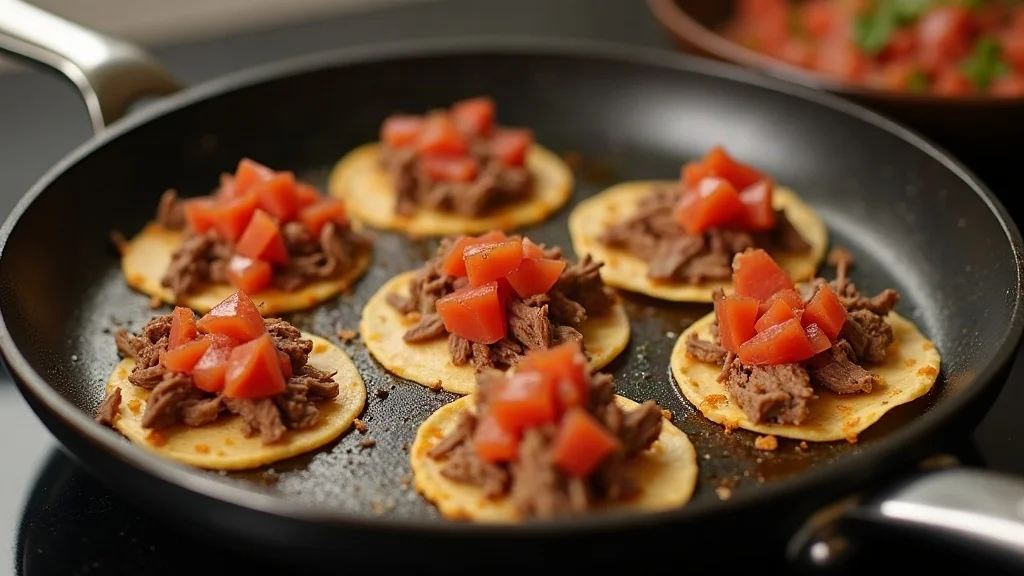
- The First Sear: Heat a dry skillet or comal over medium-high heat. Cook each disc for about 30 seconds per side just to set the structure.
- The Fry: Heat 2 cups of vegetable oil to 350°F (175°C). Carefully slide the tortillas into the oil. Fry until golden brown and crisp (about 2 minutes per side).
- Draining: Immediately transfer the tortillas to paper towels to remove excess oil. This prevents the garnachas from becoming greasy.
Phase 4: Final Assembly
Assemble the garnachas immediately while the tortillas are hot. Place a generous spoonful of shredded beef on each disc, followed by a drizzle of salsa roja, a pinch of curtido, and a final sprinkle of crumbled queso seco.
Chef Secrets: Texture, Pairings & Storage
To elevate your garnachas from a home-cooked meal to a professional culinary experience, consider these expert refinements.
Mastering the Texture
The primary failure point in home-made garnachas is the "soggy bottom." To avoid this, ensure your salsa is well-reduced. If the sauce is too watery, it will penetrate the corn tortilla and ruin the crispness. Additionally, always drain your curtido thoroughly before placing it on the tortilla; excess vinegar brine can soften the masa prematurely.
Traditional Accompaniments & Pairings
In Guatemala, garnachas are rarely eaten in isolation. To create a full experience, serve them with:
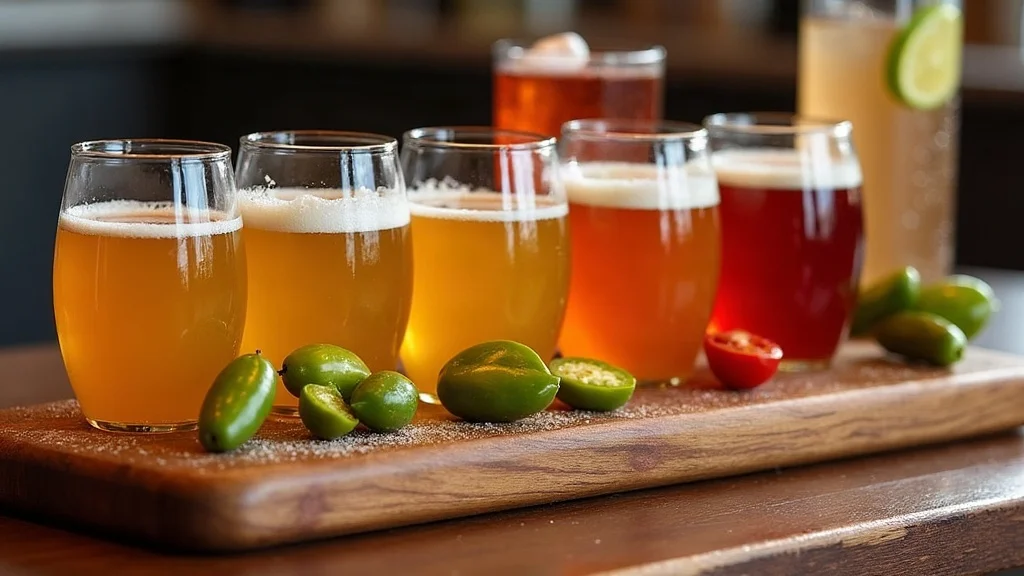
- Beverages: A cold Horchata de Arroz (rice-based drink with cinnamon) provides a creamy, sweet contrast to the salty and acidic garnachas. Alternatively, a tart Fresca de Tamarindo complements the savory notes of the beef.
- Side Dishes: Serve with extra slices of avocado or a side of pickled jalapeños for those who prefer more heat.
Storage and Reheating
Because garnachas rely on a contrast of textures (crisp vs. soft), they do not store well as an assembled dish. For the best results, store components separately:
- Meat and Salsa: Store in airtight containers in the refrigerator for up to 4 days.
- Tortillas: Fried tortillas can be stored in a paper bag at room temperature for 24 hours or frozen.
- Reheating: To restore the crispness of the tortillas, avoid the microwave. Instead, use an oven or air fryer at 350°F (175°C) for 3 to 5 minutes. Heat the meat and sauce on the stove before assembling fresh.
Nutritional Note
Garnachas are an indulgent street food. A typical serving of 3 to 4 garnachas is high in sodium due to the queso seco and the frying process. To lighten the dish, you may opt to brush the tortillas with oil and bake them at a high temperature, although this will result in a "tostada" texture rather than the authentic, airy crispness of a deep-fried garnacha.
How to Source Ingredients in the USA
US Supermarket Equivalents: Primary staple ingredients for garnachas guatemalan food are readily available at major American grocers such as Walmart, Kroger, Trader Joe's, and Whole Foods. Heirloom dried chiles and specialty produce can be found at local Latin American markets or ordered through online specialty grocers.
Frequently Asked Questions
Q: What toppings belong on authentic garnachas guatemaltecas?
A: Authentic garnachas de guatemala are topped with savory spiced beef or pork picadillo, tangy red pickled cabbage curtido, a spoonful of warm salsa de tomate, and a sprinkle of salty aged Zacapa cheese (queso seco).
What makes authentic Guatemalan garnachas guatemalan food distinctive?
Authentic Guatemalan garnachas guatemalan food is defined by its complex recado sauce architecture, highlighting toasted seeds and native aromatics rather than sharp chili heat.
Can this recipe be prepared in advance?
Yes, preparing the recado base or simmering stews 24 hours ahead enhances the depth of flavors significantly as the toasted spices meld together.
What are the best side dishes to serve alongside?
Traditionally enjoyed with warm handmade corn tortillas, fresh white rice, sliced avocado, and refried black beans.
Craving Authentic Guatemalan Cuisine Near You in the USA?
Explore our nationwide directory of verified Guatemalan restaurants, bakeries, and food trucks across all 50 states.
If you want to see other articles similar to Garnachas Guatemaltecas: Authentic Feria Street Food Recipe you can visit the category Dishes.