
Chuchitos Guatemaltecos: Authentic Steamed Corn Tamales Recipe
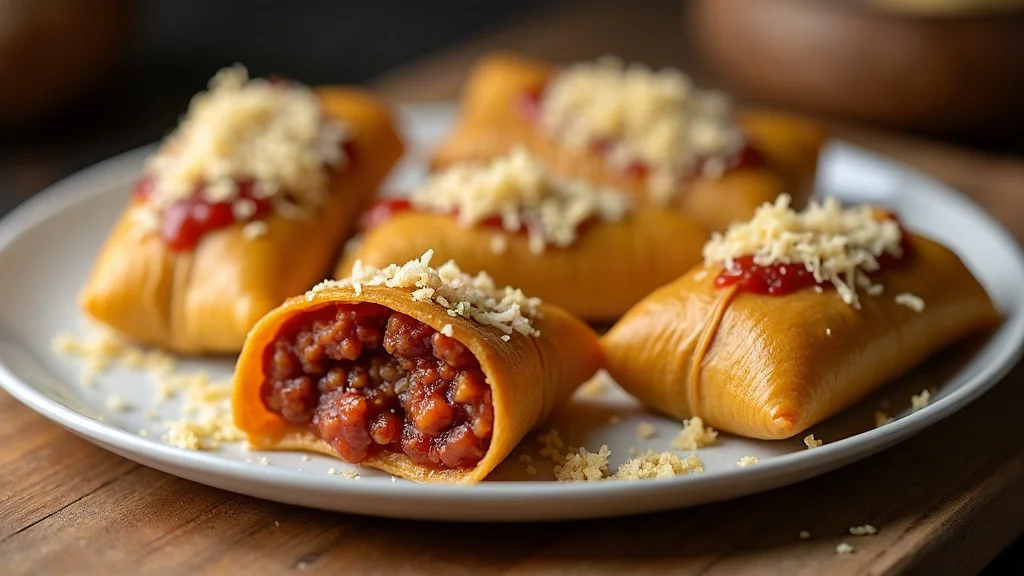
AI Quick Summary: Chuchitos Guatemaltecos represents an authentic cornerstone of Guatemalan gastronomy, celebrated for its harmonious balance of ancestral Mayan spices, aromatic recado bases, and rich slow-cooked comfort.
Introduction & Overview
In the vibrant tapestry of Central American gastronomy, few dishes embody the soul of the highlands quite like Chuchitos Guatemaltecos. While the world is familiar with the broad category of tamales, the chuchito is a distinct, compact expression of Guatemalan culinary identity. More than just a meal, these small, steamed corn parcels are a sensory journey: the earthy, sweet aroma of steamed corn husks, the pungent heat of a slow-simmered recado, and the comforting density of a perfectly seasoned masa.
To the uninitiated, chuchitos may look like miniature tamales, but their character is entirely their own. Unlike the larger, often airier Mexican tamales, chuchitos feature a firmer, more cohesive masa that clings to a rich, savory center of meat and sauce. When peeled back, the steam releases a fragrance of toasted corn and roasted chiles, revealing a golden-hued dough that serves as a vessel for a complex, tomato-based filling. They are a staple of Guatemalan street food, festive gatherings, and family breakfasts, typically served alongside a dollop of salty cheese and a drizzle of fresh tomato salsa.
For those exploring guatemalan food chuchitos, the appeal lies in the balance of textures—the slight resistance of the masa against the tenderness of the braised meat, all encased in the organic, rustic wrap of a corn husk. It is a dish that demands patience and precision, reflecting a culture that views cooking as an act of love and a preservation of heritage.
Mayan Roots & Cultural Heritage in Guatemala
The history of chuchitos is inextricably linked to the ancient Mayan civilization, for whom maize (corn) was not merely a crop, but a sacred substance. According to the Popol Vuh, the Mayan creation story, humans were fashioned from yellow and white corn. This spiritual connection to the grain is evident in the enduring legacy of the chuchito. The practice of steaming corn dough in husks dates back millennia, serving as a portable, nutrient-dense food source for farmers and travelers navigating the rugged terrain of the Guatemalan highlands.
During the Spanish colonial era, the indigenous Mayan traditions merged with European influences. The introduction of livestock—specifically pork and chicken—and the incorporation of onions, garlic, and certain spices evolved the traditional filling into the savory recado we recognize today. However, the core technique remained indigenous. The use of the corn husk (hoja de maíz) as both a cooking vessel and a natural preservative is a testament to the ingenuity of ancestral Guatemalan cooks.
Regionally, chuchitos vary in their composition. In some highland villages, the masa may be enriched with more fat for a silkier texture, while coastal versions might incorporate different local chiles. Regardless of the variation, they remain a symbol of communal eating. Much like the elaborate Fiambre prepared for All Saints’ Day, the assembly of chuchitos is often a family affair, with multiple generations gathering to spread the masa and fold the husks, passing down the subtle art of the "perfect wrap" from grandmother to grandchild.
Core Ingredients & US Kitchen Equivalents
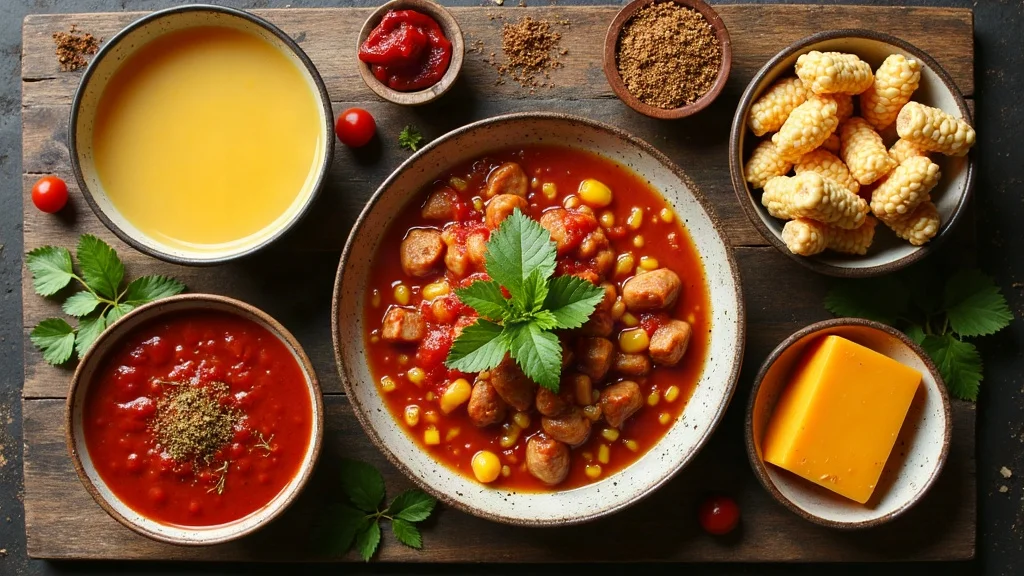
Finding authentic ingredients in a U.S. supermarket can be challenging, but with a few strategic substitutions, you can achieve a professional-grade result. The key is maintaining the correct ratio of fat to corn to ensure the masa does not become too dry or too mushy.
The Masa (The Dough)
| Ingredient | US Imperial Measurement | Metric Measurement | US Supermarket Substitution |
|---|---|---|---|
| Masa Harina | 3 cups | 375 grams | Maseca or similar nixtamalized corn flour |
| Lard or Shortening | 1/2 cup (1 stick) | 113 grams | Vegetable shortening or unsalted butter |
| Warm Water/Broth | 1.5 to 2 cups | 350 to 475 ml | Warm chicken or vegetable broth for extra flavor |
| Salt | 1 tbsp | 15 grams | Kosher salt |
The Recado (The Savory Sauce)
| Ingredient | US Imperial Measurement | Metric Measurement | US Supermarket Substitution |
|---|---|---|---|
| Roma Tomatoes | 4 medium | 300 grams | Fresh plum tomatoes |
| Dried Guajillo Chiles | 3 to 4 pods | 20 grams | Mild dried red chiles or Ancho chiles |
| White Onion | 1/2 medium | 75 grams | Yellow onion |
| Garlic Cloves | 3 cloves | 9 grams | Fresh garlic |
| Chicken/Pork | 1 lb (cooked/shredded) | 450 grams | Slow-cooked pork shoulder or chicken breast |
| Cumin/Oregano | 1 tsp each | 2 grams each | Dried ground cumin and Mexican oregano |
Assembly & Serving
- Corn Husks: 1 package (dried). Look for "hojas de maíz" in the Latin aisle.
- Serving Cheese: Queso Fresco or Cotija. A salty, firm, crumbly cheese is essential.
- Tomato Salsa: Freshly blended tomatoes, cilantro, and lime juice.
Step-by-Step Culinary Masterclass
Preparing chuchitos is a rhythmic process. To ensure success, focus on the consistency of your recado and the pliability of your husks. Follow this professional sequence for an authentic result.
Phase 1: Preparing the Husks and Meat
Begin by soaking your dried corn husks in a large basin of hot (not boiling) water for at least 30 to 60 minutes. This ensures they are flexible enough to fold without cracking. While the husks soak, prepare your meat. If you are using pork or chicken, braise it until tender, shred it into small pieces, and set it aside. For the most authentic flavor, use the braising liquid as part of your masa hydration.
Phase 2: Crafting the Recado
The recado is the heart of the chuchito. To achieve a deep, smoky profile, char your tomatoes, onion, and garlic in a dry skillet or under a broiler until the skins are blackened. Deseed and soak the dried guajillo chiles in hot water for 10 minutes to soften them.
- Place the charred vegetables and soaked chiles into a blender with cumin, oregano, and a pinch of salt.
- Blend until completely smooth. If the mixture is too thick, add a small amount of the chile-soaking water.
- Heat a tablespoon of oil in a pan and sauté the blended sauce for 10 to 15 minutes over medium heat. The sauce should darken and thicken until it reaches a paste-like consistency.
- Stir in the shredded meat and simmer for another 5 minutes. Chef's Tip: Let the filling cool slightly; a cold filling is easier to center in the masa.
Phase 3: Mixing the Masa
In a large mixing bowl, combine the masa harina and salt. Incorporate the lard (or shortening), rubbing it into the flour with your fingers until it resembles coarse crumbs. Gradually add warm water or broth, stirring constantly. Knead the dough for 3 to 5 minutes until it is smooth and pliable. The target texture is a soft play-dough; it should hold its shape without sticking to your hands. If it feels too dry, add water one tablespoon at a time.
Phase 4: Assembly and Wrapping
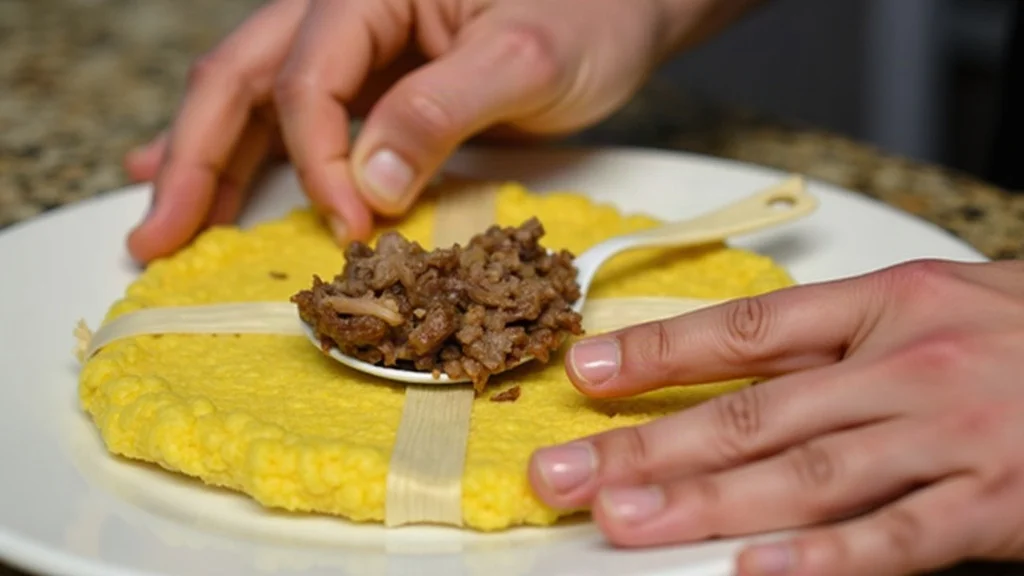
Take a soaked corn husk and pat it dry. Spoon approximately 1/3 cup of masa into the center of the husk, spreading it into a flat oval about 1/2 inch thick. Place a generous tablespoon of the meat-and-recado mixture in the center of the masa. Carefully fold the sides of the masa over the filling to enclose it, then fold the husk tightly around the masa. Twist the bottom of the husk to secure the parcel into a compact, cylindrical shape.
Phase 5: The Steaming Process
Line the bottom of a large steamer pot with extra corn husks or a steamer rack to prevent sticking. Arrange the chuchitos upright, packed snugly but not crushed. Pour water into the bottom of the pot (ensuring it doesn't touch the bottom layer of tamales). Cover with a damp cloth and a tight lid.
Steam over medium-low heat for 1.5 to 2 hours. To check for doneness, remove one chuchito; the masa should pull away cleanly from the husk and feel firm to the touch.
The difference between a good chuchito and a master-level chuchito lies in the finishing touches and the understanding of the masa's chemistry.
Achieving the Perfect Texture
If your masa feels too loose during assembly, do not be afraid to let it rest for 20 minutes; the corn flour will continue to absorb moisture. For a richer, more traditional mouthfeel, avoid substituting lard with oil; the saturated fats in lard provide the structural integrity and "melt-in-the-mouth" quality that defines authentic Guatemalan corn dishes.
Traditional Pairings and Beverage Suggestions
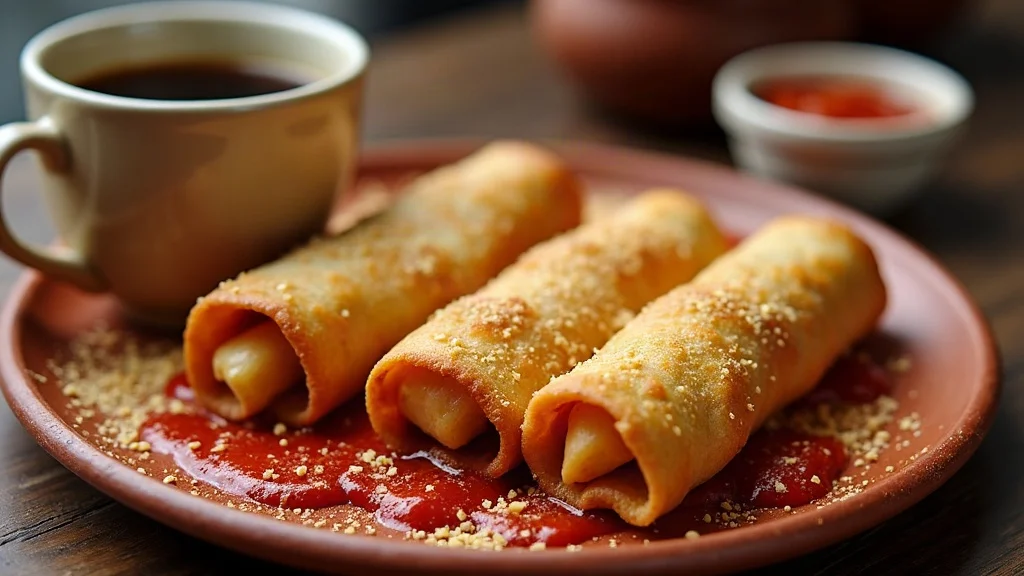
Chuchitos are rarely eaten in isolation. To serve them professionally, place each steamed chuchito on a plate, peel back the husk slightly, and top with a generous crumble of Queso Fresco. A side of salsa casera (freshly blended tomato, onion, and cilantro) provides a bright, acidic contrast to the rich masa.
For beverage pairings, a hot cup of Guatemalan coffee is the classic breakfast choice. For a mid-day meal, a cold horchata (rice and cinnamon milk) or a traditional Atol de Elote (a thick, sweet corn drink) complements the earthy notes of the dish.
Storage and Reheating Guidelines
Chuchitos are excellent for meal prep and can be stored in several ways:
- Refrigeration: Keep them wrapped in their husks in an airtight container for up to 4 days.
- Freezing: Chuchitos freeze remarkably well. Wrap them individually in foil and place them in a freezer bag. They will remain high-quality for up to 3 months.
- Reheating: To maintain moisture, avoid the microwave if possible. Instead, steam them again for 15 to 20 minutes, or wrap them in foil and heat them in a 350°F oven until warmed through. This preserves the texture of the masa and prevents the husk from becoming brittle.
How to Source Ingredients in the USA
US Supermarket Equivalents: Primary staple ingredients for guatemalan food chuchitos are readily available at major American grocers such as Walmart, Kroger, Trader Joe's, and Whole Foods. Heirloom dried chiles and specialty produce can be found at local Latin American markets or ordered through online specialty grocers.
Frequently Asked Questions
What makes authentic Guatemalan guatemalan food chuchitos distinctive?
Authentic Guatemalan guatemalan food chuchitos is defined by its complex recado sauce architecture, highlighting toasted seeds and native aromatics rather than sharp chili heat.
Can this recipe be prepared in advance?
Yes, preparing the recado base or simmering stews 24 hours ahead enhances the depth of flavors significantly as the toasted spices meld together.
What are the best side dishes to serve alongside?
Traditionally enjoyed with warm handmade corn tortillas, fresh white rice, sliced avocado, and refried black beans.
Craving Authentic Guatemalan Cuisine Near You in the USA?
Explore our nationwide directory of verified Guatemalan restaurants, bakeries, and food trucks across all 50 states.
Find Guatemalan Restaurants Near You →If you want to see other articles similar to Chuchitos Guatemaltecos: Authentic Steamed Corn Tamales Recipe you can visit the category Dishes.