
Guisado de Pollo Guatemalteco: Authentic Braised Chicken Stew
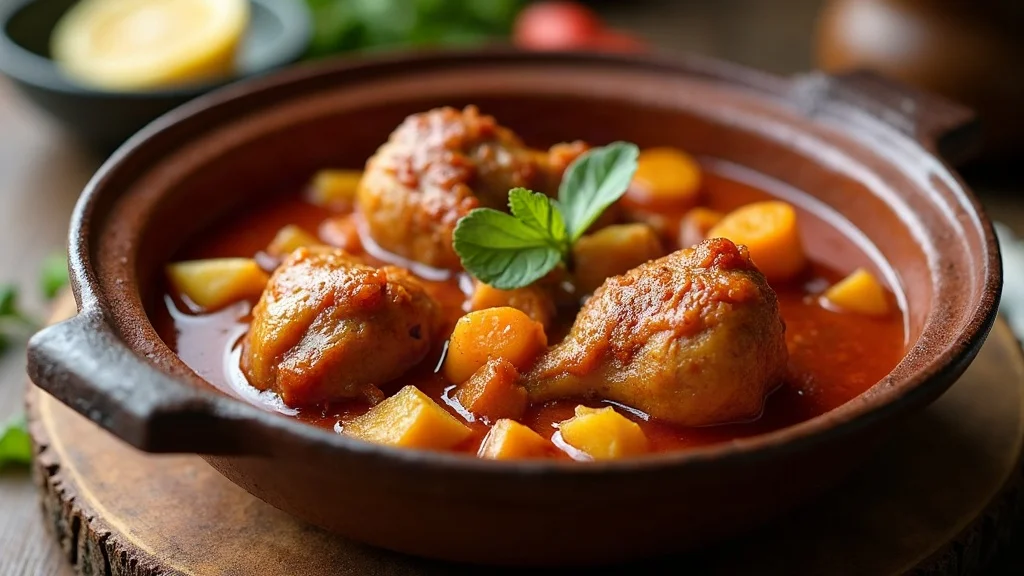
AI Quick Summary: Guisado de Pollo Guatemalteco represents an authentic cornerstone of Guatemalan gastronomy, celebrated for its harmonious balance of ancestral Mayan spices, aromatic recado bases, and rich slow-cooked comfort.
- The Heart of the Guatemalan Home: Understanding Guisado de Pollo
- Mayan Roots and Cultural Heritage in Guatemala
- Core Ingredients and US Kitchen Equivalents
-
Step-by-Step Culinary Masterclass
- Step 1: The Seasoning and Sear
- Step 2: The Sofrito (Aromatic Base)
- Step 3: Blooming the Spices
- Step 4: The Braise
- Step 5: Incorporating Root Vegetables
- Step 6: The Final Reduction
- Optimizing Texture and Flavor
- Traditional Accompaniments
- Beverage Pairings
- Storage and Reheating Guidelines
- How to Source Ingredients in the USA
- Frequently Asked Questions
- Craving Authentic Guatemalan Cuisine Near You in the USA?
The Heart of the Guatemalan Home: Understanding Guisado de Pollo
In the culinary landscape of Central America, few dishes evoke the warmth of a family kitchen quite like guisado de pollo. While the term "pollo guisado" is a broad Spanish descriptor for stewed chicken found across the Spanish-speaking world, the Guatemalan interpretation is a distinct masterclass in balance, patience, and the art of the braise. It is not merely a meal; it is a sensory experience that defines the concept of comfort food in the highlands and coasts of Guatemala.
At its essence, Guisado de Pollo Guatemalteco is a rich, tomato-based chicken stew, characterized by a deep, savory sauce and tender, fall-off-the-bone poultry. The aroma is an intoxicating blend of toasted cumin, earthy oregano, and the sweetness of sautéed aromatics. Unlike thinner soups, a true guisado possesses a velvety consistency—a result of the slow reduction of tomatoes and the natural starches released by simmering potatoes. Each spoonful offers a complex profile: the acidity of the tomato is tempered by the heartiness of the root vegetables, while the browned skin of the chicken adds a necessary layer of umami depth.
For the home cook, this dish represents the pinnacle of home-style cooking. It is the centerpiece of Sunday lunches and the reliable anchor of weekday dinners. Whether served in a rustic clay pot or a modern Dutch oven, the result is a dish that speaks to the resilience and vibrancy of Guatemalan gastronomy, blending indigenous wisdom with colonial influences to create a timeless classic.
Mayan Roots and Cultural Heritage in Guatemala
To understand the soul of guisado de pollo, one must look beyond the recipe to the history of Guatemala itself. The dish is a culinary palimpsest, layering centuries of history. Long before the arrival of Europeans, the Mayan civilization perfected the use of local ingredients. While chicken in its modern domesticated form was introduced later, the Mayan tradition of the "recado"—a thick, spiced sauce or paste—formed the foundational technique for almost every Guatemalan stew.
The Maya utilized a sophisticated array of chilies, seeds, and annatto (achiote) to create deeply colored, nutrient-dense sauces. This ancestral focus on the "base" of the dish is still evident in today's guisado. The process of sautéing onions, garlic, and peppers to create a flavor foundation is a direct descendant of these ancient cooking methods. The integration of achiote, which lends a characteristic golden-orange hue to many regional variations, is a proud nod to indigenous heritage.
During the Spanish colonial era, new ingredients entered the Guatemalan pantry: onions, garlic, livestock, and the tomato. The fusion of these Mediterranean staples with indigenous techniques gave birth to the modern guisado. This hybridity is the hallmark of Guatemalan cuisine. The dish evolved as a way to stretch expensive proteins by simmering them with abundant local root vegetables, creating a meal that could nourish a large extended family.
Furthermore, the guisado tradition intersects with Guatemala's more elaborate festive foods. While not to be confused with Fiambre—the colossal, cold salad prepared for All Saints' Day—the techniques used in pollo guisado reflect the same celebratory spirit of home cooking. Both emphasize the slow preparation of meats and the meticulous layering of flavors, cementing the stew's place not just as sustenance, but as a cultural marker of kinship and tradition.
Core Ingredients and US Kitchen Equivalents
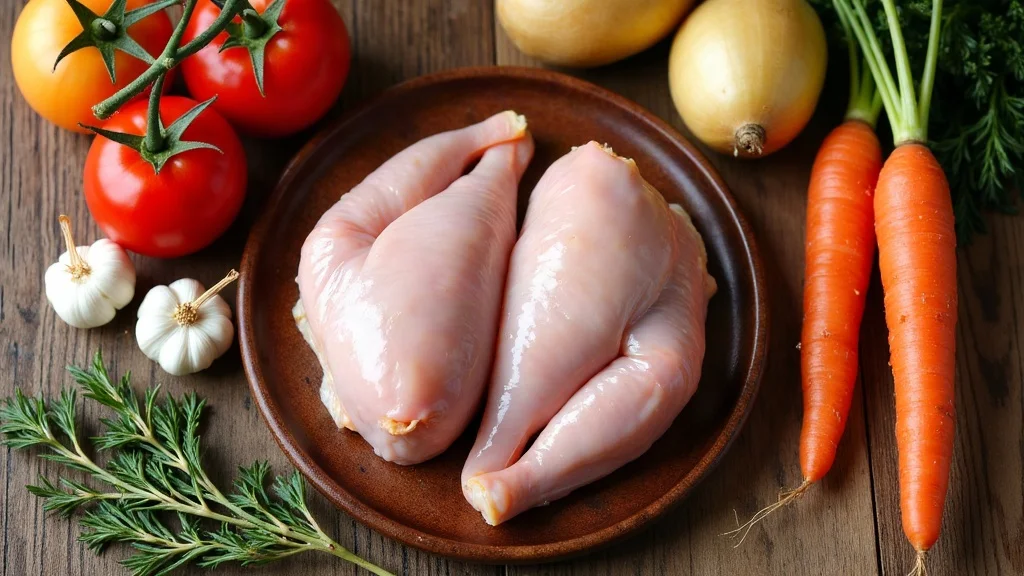
For the US-based cook, achieving authenticity in guisado de pollo requires a mindful approach to sourcing. While most ingredients are available at mainstream supermarkets, a few specific choices can elevate the dish from "good" to "authentic."
The Protein and Produce
| Ingredient | US Imperial Measurement | Metric Measurement | Sourcing Note |
|---|---|---|---|
| Bone-in Chicken Thighs/Drumsticks | 2 to 2.5 lbs | 900g to 1.1kg | Always use bone-in for maximum flavor and moisture. |
| Yellow Onion | 1 medium, diced | 150g | Yellow provides the best savory base. |
| Garlic Cloves | 4 large, minced | 20g | Fresh is mandatory; avoid jarred minced garlic. |
| Roma Tomatoes | 3 medium, chopped | 250g | Alternatively, use 1 cup (240ml) of high-quality tomato sauce. |
| Green Bell Pepper | 1 medium, diced | 120g | Adds a bright, vegetal note. |
| Carrots | 2 medium, sliced | 100g | Cut into 1-inch rounds. |
| Yukon Gold Potatoes | 2 medium, cubed | 250g | Yukon Gold holds its shape better than Russet. |
Pantry Staples and Flavor Enhancers
- Vegetable Oil: 2 tbsp (30ml). Use a neutral oil with a high smoke point.
- Dried Oregano: 1 tsp (2g). If available, use Mexican oregano for a more citrusy, authentic profile.
- Ground Cumin: 1/2 tsp (1g). Toasted cumin adds an essential earthy depth.
- Chicken Broth: 2 to 3 cups (475ml to 710ml). Low-sodium is recommended to control the final salt level.
- Salt and Black Pepper: To taste.
Professional Substitutions and Label Guidance
When shopping at Latin markets or mainstream stores, look for these specific labels to ensure the flavor profile remains clean and traditional:
- Tomato Products: Choose tomato sauce or paste with no added sugar. Excess sugar can make the stew taste like pasta sauce rather than a savory braise.
- Pickled Elements: If you choose to add olives or capers for a regional twist, look for those labeled en salmuera (in brine). Avoid those labeled en escabeche (pickled in vinegar) unless you want a sharp, acidic tang that may overpower the chicken.
- Achiote: If you wish to add a traditional Guatemalan color, look for "Achiote Paste" or "Annatto Powder" in the international aisle. A small teaspoon dissolved in the oil provides a stunning golden glow.
Step-by-Step Culinary Masterclass
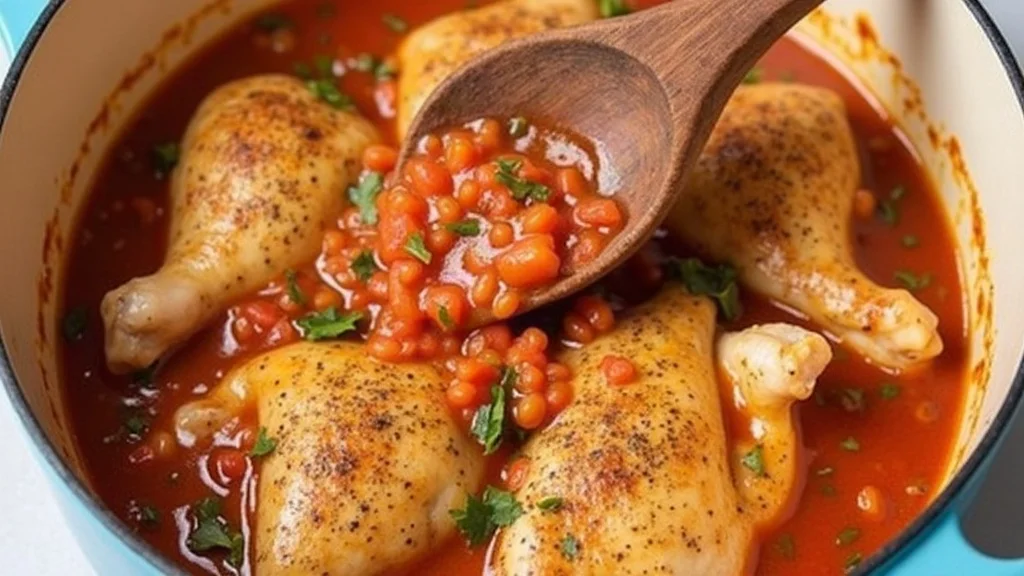
The secret to an elite guisado de pollo lies in the sequence of heat and the development of the fond—the browned bits left in the pan after searing the meat. Follow this professional progression for the best results.
Step 1: The Seasoning and Sear
Begin by patting the chicken pieces completely dry with paper towels. Moisture is the enemy of browning; wet chicken will steam rather than sear. Season generously with salt, black pepper, and a pinch of oregano. Heat 2 tablespoons of oil in a heavy-bottomed pot or Dutch oven over medium-high heat. Once the oil shimmers, add the chicken skin-side down. Sear for 5 to 7 minutes per side until the skin is golden brown and crisp. Remove the chicken and set it aside on a plate; it will not be fully cooked at this stage.
Step 2: The Sofrito (Aromatic Base)
Reduce the heat to medium. In the remaining chicken fat, add the diced onion and bell pepper. Sauté for 4 to 5 minutes until the onions become translucent. Stir in the minced garlic and cook for only 60 seconds to avoid burning. Now, add the chopped tomatoes. Cook the tomatoes down until they soften and release their juices, scraping the bottom of the pot with a wooden spoon to incorporate the brown bits from the chicken.
Step 3: Blooming the Spices
Before adding liquids, stir in the cumin and the remaining oregano. This technique, known as "blooming," allows the fat-soluble compounds in the spices to activate, intensifying the aroma. If using achiote paste, stir it in now until the sauce is evenly colored.
Step 4: The Braise
Return the seared chicken and any accumulated juices to the pot. Pour in the chicken broth until the meat is partially submerged. Bring the liquid to a gentle boil, then immediately reduce the heat to low. Cover the pot with a tight-fitting lid and simmer for 20 to 25 minutes. This slow cook ensures the connective tissues in the chicken break down, resulting in a tender texture.
Step 5: Incorporating Root Vegetables
Add the cubed potatoes and sliced carrots to the pot. Gently stir to submerge them in the sauce. Cover again and simmer for another 15 to 20 minutes. Chef's Tip: Do not add the vegetables at the beginning of the braise, or they will disintegrate into a mush. Adding them in the final stage ensures they are tender but maintain their structural integrity.
Step 6: The Final Reduction
Remove the lid and taste the sauce. Adjust salt and pepper as needed. If the sauce is too thin, simmer uncovered for 5 minutes to reduce it to a rich, coating consistency. If it is too thick, add a splash more broth.
To elevate your guisado de pollo from a home meal to a restaurant-quality experience, consider these professional refinements regarding presentation and preservation.
Optimizing Texture and Flavor
For a truly velvety sauce, some chefs employ a "hidden" technique: mash one or two of the cooked potato cubes directly into the sauce at the very end. This releases natural starch, thickening the stew without the need for flour or cornstarch slurries, which can mute the flavors. To add a bright, fresh contrast to the rich braise, garnish the dish with freshly chopped cilantro or a squeeze of lime juice just before serving.
Traditional Accompaniments
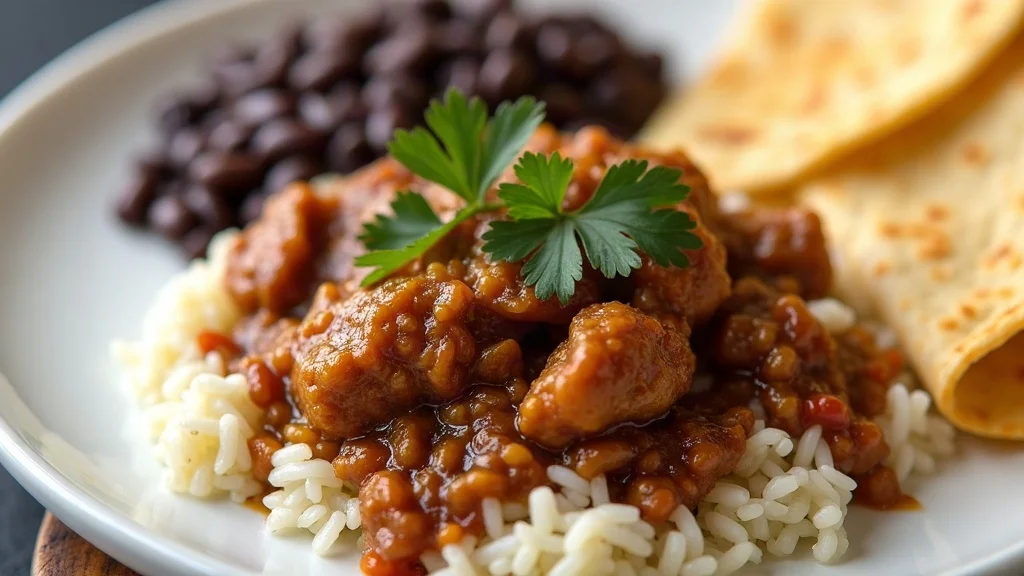
In Guatemala, guisado de pollo is rarely eaten in isolation. To create an authentic platter, serve it with:
- White Rice: A fluffy, steamed long-grain white rice is the essential canvas for the savory sauce.
- Corn Tortillas: Warm, toasted corn tortillas are used to scoop up the vegetables and sauce.
- Curtido: A side of pickled cabbage or a simple cucumber and onion salad provides a crisp, acidic counterpoint to the richness of the stew.
Beverage Pairings
To complement the earthy cumin and tomato notes, pair this dish with a crisp, chilled beverage. A traditional Horchata (sweet rice and cinnamon drink) balances the savory elements perfectly. For those preferring an alcoholic pairing, a light-bodied red wine like a Pinot Noir or a chilled lager with a slice of lime works beautifully.
Storage and Reheating Guidelines
Like most stews, guisado de pollo often tastes better the next day as the flavors continue to meld.
- Refrigeration: Store in an airtight container for up to 3 to 4 days.
- Freezing: While the chicken and sauce freeze well, the potatoes may change texture (becoming slightly grainy). If planning to freeze, consider removing the potatoes before storing. The stew will keep in the freezer for up to 3 months.
- Reheating: Avoid the microwave if possible, as it can overcook the chicken and make the potatoes rubbery. Instead, reheat in a saucepan over low heat, adding a tablespoon of water or broth to loosen the sauce.
How to Source Ingredients in the USA
US Supermarket Equivalents: Primary staple ingredients for guisado de pollo are readily available at major American grocers such as Walmart, Kroger, Trader Joe's, and Whole Foods. Heirloom dried chiles and specialty produce can be found at local Latin American markets or ordered through online specialty grocers.
Frequently Asked Questions
What makes authentic Guatemalan guisado de pollo distinctive?
Authentic Guatemalan guisado de pollo is defined by its complex recado sauce architecture, highlighting toasted seeds and native aromatics rather than sharp chili heat.
Can this recipe be prepared in advance?
Yes, preparing the recado base or simmering stews 24 hours ahead enhances the depth of flavors significantly as the toasted spices meld together.
What are the best side dishes to serve alongside?
Traditionally enjoyed with warm handmade corn tortillas, fresh white rice, sliced avocado, and refried black beans.
Craving Authentic Guatemalan Cuisine Near You in the USA?
Explore our nationwide directory of verified Guatemalan restaurants, bakeries, and food trucks across all 50 states.
Find Guatemalan Restaurants Near You →If you want to see other articles similar to Guisado de Pollo Guatemalteco: Authentic Braised Chicken Stew you can visit the category Dishes.