
Guatemalan Rellenitos de Plátano: Sweet Bean & Plantain Fritters

AI Quick Summary: Guatemalan Rellenitos de Plátano represents an authentic cornerstone of Guatemalan gastronomy, celebrated for its harmonious balance of ancestral Mayan spices, aromatic recado bases, and rich slow-cooked comfort.
The Art of Making Authentic Rellenitos Guatemaltecos at Home
In the vibrant landscape of Central American confectionery, few dishes capture the soul of Guatemala quite like Rellenitos de Plátano. To the uninitiated, they appear as humble, golden-brown ovals, dusted with a fine veil of powdered sugar. To those who know them, they are a masterclass in contrast: a warm, caramelized plantain exterior yielding to a rich, velvety center of sweetened black beans.
Rellenitos, which translates literally to "little stuffed things," are more than just a dessert; they are a sensory journey through the highlands and coastlines of Guatemala. The first note is the aroma—a heady mixture of frying fruit and warm cinnamon that evokes memories of home kitchens and bustling street markets. On the palate, the dish balances the natural, honey-like sweetness of an overripe plantain with the earthy, savory depth of black beans, transformed here into a sweet paste that echoes the richness of a dense chocolate truffle.
This dish occupies a unique space in Guatemalan gastronomy, bridging the gap between a side dish and a formal dessert. While they are enjoyed year-round, they hold a sacred place in festive traditions, often appearing during All Saints’ Day celebrations alongside the complex, multicolored Fiambre salad. Whether served as a comforting afternoon snack with a cup of coffee or as a celebratory treat, Rellenitos de Plátano represent the ingenuity of a culture that can transform a few pantry staples into a sophisticated piece of culinary art.
Mayan Roots & Cultural Heritage in Guatemala
The lineage of Rellenitos de Plátano is a testament to the enduring influence of the Maya civilization and the subsequent blending of cultures during the Spanish colonial era. The foundation of the dish—the plantain and the black bean—are pillars of the Mesoamerican diet. While plantains were introduced to the Americas from Southeast Asia via African and European trade routes, they were integrated so seamlessly into the Mayan agricultural system that they became indispensable to the regional identity.
Historically, the Maya mastered the art of processing corn, beans, and squash, creating a nutritional triad that sustained empires. The concept of stuffing a starch with a protein-rich filling is a recurring theme in indigenous American cooking. Rellenitos evolved as a domestic adaptation of these principles, utilizing the naturally occurring sugars in ripe fruit to create a sweet treat without the need for refined sugars, which were not available until the colonial period.
During the colonial era, Spanish influences introduced cinnamon and cane sugar, which were integrated into the bean filling to create the flavor profile known today. This fusion created a "Mestizo" cuisine—a blend of indigenous ingredients and European seasonings. In regional contexts, Rellenitos varied by province; some families added a hint of cocoa or chocolate to the beans, a nod to Guatemala's status as a premier cacao producer.
Today, Rellenitos are a symbol of Guatemalan domesticity. They are traditionally passed down through generations, with grandmothers teaching children the precise tactile feel of the plantain dough—knowing exactly when it is supple enough to hold a filling without cracking. This oral and manual tradition ensures that while the recipe remains simple, the execution remains an art form.
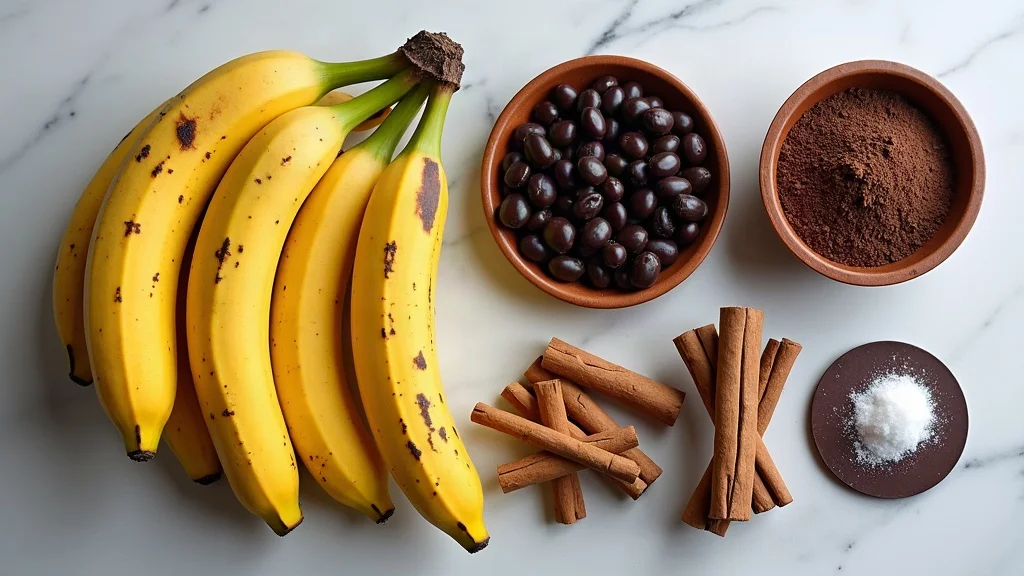
Core Ingredients & US Kitchen Equivalents
For the home cook in the United States, the challenge of making authentic Rellenitos lies in the selection of the produce. The chemistry of the dish depends entirely on the ripeness of the plantain and the consistency of the beans.
The Plantain Base
The most critical component is the ripe plantain (plátano maduro). You must look for plantains that are yellow with significant black spotting, or even almost entirely black. At this stage, the starches have converted to sugars, providing the necessary sweetness and a soft, mashable texture.
- Ripe Plantains: 3 to 4 medium plantains (approximately 2 lbs / 900g)
- Frying Oil: 2 cups (475ml) of neutral oil such as canola, vegetable, or peanut oil
The Sweet Bean Filling
The filling should be a thick, smooth paste. While dry beans are traditional, canned options are highly accessible in US supermarkets. To maintain authenticity, avoid "refried" beans that contain lard or heavy garlic and onion seasoning.
- Black Beans: 1 can (15 oz / 425g) of plain black beans, rinsed and drained, or 1.5 cups (350g) of cooked black beans
- Granulated Sugar: 3 to 4 tablespoons (37g to 50g), adjusted to taste
- Ground Cinnamon: 1/2 teaspoon (1.3g)
- Optional Cocoa Powder: 1 tablespoon (5g) for a deeper, chocolatey undertone
The Finishing Touch
- Powdered Sugar: 1/4 cup (30g) for dusting
- Optional: A dollop of sour cream or crema Mexicana for serving
| Ingredient | US Imperial | Metric | Pro Tip |
|---|---|---|---|
| Ripe Plantains | 3-4 medium | 900g | Skin must be black for sweetness |
| Black Beans | 15 oz can | 425g | Drain thoroughly to avoid leaks |
| Sugar | 3-4 tbsp | 50g | Adjust based on plantain sweetness |
| Neutral Oil | 2 cups | 475ml | High smoke point is essential |
Step-by-Step Culinary Masterclass
Creating the perfect Rellenito requires a balance of heat management and manual dexterity. Follow this professional sequence to ensure a golden exterior and a stable center.
Phase 1: Preparing the Plantain Dough
The goal is a smooth, cohesive paste that behaves like a dough.
- The Boil: Place the plantains in a large pot of water, leaving the skins on. Bring to a boil and simmer for 15 to 20 minutes. Boiling them in the skin prevents the fruit from absorbing too much water, which would otherwise make the dough sticky and prone to falling apart during frying.
- The Peel: Drain the water and let the plantains cool just enough to handle. Carefully peel away the skins while they are still warm.
- The Mash: Using a potato masher or a fork, mash the plantains into a smooth paste. For a professional, lump-free texture, you may pass the mash through a ricer or a fine-mesh sieve. Let the dough cool completely; a cold dough is much easier to shape.
Phase 2: Crafting the Filling
The filling must be dense. If it is too runny, it will steam inside the plantain and cause the Rellenito to burst in the oil.
- The Puree: Place the drained black beans in a food processor or blender. Pulse until completely smooth.
- The Seasoning: Transfer the bean puree to a small saucepan over medium-low heat. Stir in the sugar, cinnamon, and cocoa powder (if using).
- The Reduction: Cook the mixture for 5 to 8 minutes, stirring constantly, until the moisture evaporates and the filling reaches a thick, paste-like consistency. Remove from heat and let it cool.
Phase 3: Assembly and Shaping
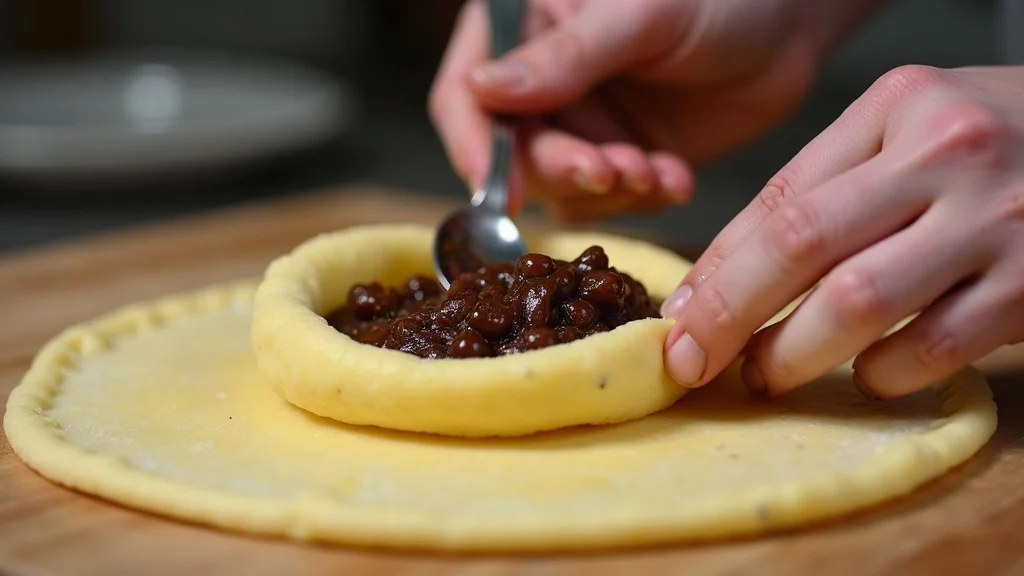
- Portioning: Scoop about 2 tablespoons of the plantain dough into your palm. Flatten it into a disk approximately 3 inches in diameter and 1/2 inch thick.
- Stuffing: Place a small teaspoon of the bean filling in the center of the disk.
- Sealing: Gently fold the edges of the plantain dough over the filling. Squeeze the edges together to seal it completely, then roll it between your palms to form an oval or an egg shape. Ensure there are no cracks in the surface.
Phase 4: The Precision Fry
- Temperature Control: Heat the oil in a deep skillet to 350°F (175°C). If you do not have a thermometer, drop a small piece of dough into the oil; it should sizzle and rise to the surface immediately.
- The Searing: Carefully slide the Rellenitos into the oil. Do not overcrowd the pan, as this will drop the oil temperature and result in greasy fritters.
- The Finish: Fry for 2 to 3 minutes per side, rotating them to achieve an even, golden-brown crust.
- Draining: Remove with a slotted spoon and place on paper towels to drain excess oil.
Chef Secrets: Texture, Pairings & Storage
To elevate your Rellenitos from a home-cooked snack to a gourmet dessert, consider these professional refinements.
Texture Troubleshooting
The most common failure in Rellenitos is the "burst," where the bean filling leaks into the oil. To prevent this, ensure your filling is reduced until it is almost like a thick jam. If your plantain dough feels too wet to hold its shape, you can incorporate a tablespoon of cornstarch or all-purpose flour to provide additional structure, though this is rarely necessary with properly boiled and drained plantains.
Authentic Pairings
In Guatemala, the contrast of flavors is key.
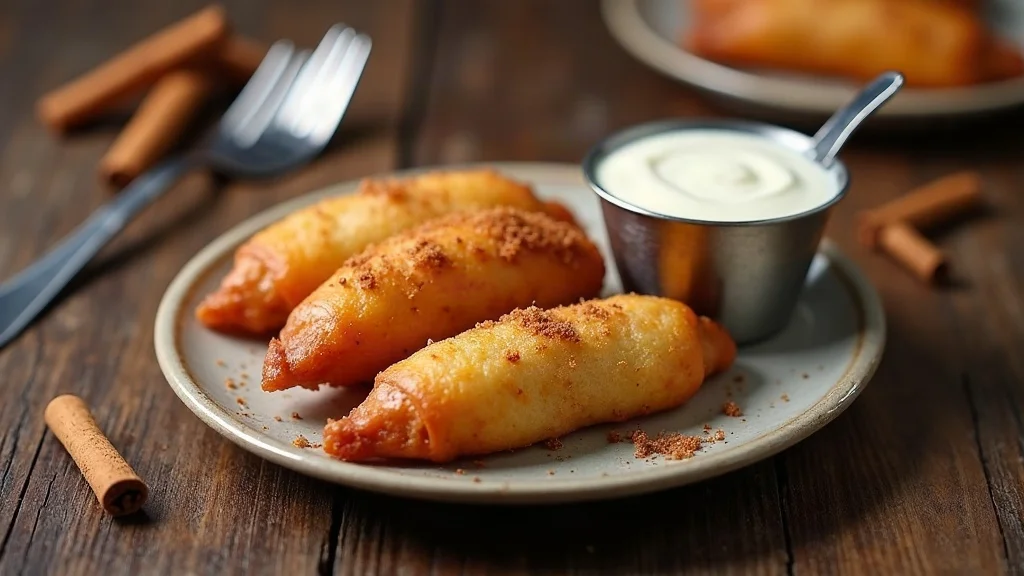
- The Traditional Finish: Dust the hot Rellenitos with powdered sugar. The heat will slightly melt the sugar, creating a thin glaze.
- The Creamy Contrast: Serve with a side of chilled heavy cream or Mexican Crema. The acidity and coolness of the cream cut through the richness of the fried plantain and sweetened beans.
- Beverage Pairings: A strong, dark roast Guatemalan coffee is the gold standard. The bitterness of the coffee balances the sugar of the dessert. For a non-alcoholic pairing, a cold glass of Horchata (rice and cinnamon milk) complements the cinnamon notes in the filling.
Storage and Reheating
While Rellenitos are best enjoyed fresh and hot, they can be stored for future enjoyment.
- Refrigeration: Store in an airtight container for up to 3 days.
- Freezing: You can freeze Rellenitos before frying. Place them on a parchment-lined tray to freeze individually, then transfer to a freezer bag. Fry them directly from frozen, adding 2 minutes to the cooking time.
- Reheating: Avoid the microwave, which can make the plantain rubbery. Instead, use an oven or air fryer at 350°F (175°C) for 5 minutes to restore the exterior crispness.
How to Source Ingredients in the USA
Few traditional sweets evoke the nostalgia of chapín street fairs quite like rellenitos guatemala (rellenitos guatemaltecos), fusing tender mashed sweet plantains with an aromatic filling of chocolate-and-cinnamon-scented black beans. US Supermarket Equivalents: Primary staple ingredients for rellenitos de platano are readily available at major American grocers such as Walmart, Kroger, Trader Joe's, and Whole Foods. Heirloom dried chiles and specialty produce can be found at local Latin American markets or ordered through online specialty grocers.
Frequently Asked Questions
Q: Are authentic rellenitos guatemala sweet or savory?
A: Rellenitos guatemaltecos are a sweet dessert. The refried black bean filling is sweetened with pure cane sugar, cinnamon sticks, and dark artisanal chocolate before being encased in golden fried plantain dough.
What makes authentic Guatemalan rellenitos de platano distinctive?
Authentic Guatemalan rellenitos de platano is defined by its complex recado sauce architecture, highlighting toasted seeds and native aromatics rather than sharp chili heat.
Can this recipe be prepared in advance?
Yes, preparing the recado base or simmering stews 24 hours ahead enhances the depth of flavors significantly as the toasted spices meld together.
What are the best side dishes to serve alongside?
Traditionally enjoyed with warm handmade corn tortillas, fresh white rice, sliced avocado, and refried black beans.
Craving Authentic Guatemalan Cuisine Near You in the USA?
Explore our nationwide directory of verified Guatemalan restaurants, bakeries, and food trucks across all 50 states.
If you want to see other articles similar to Guatemalan Rellenitos de Plátano: Sweet Bean & Plantain Fritters you can visit the category Dessert.