
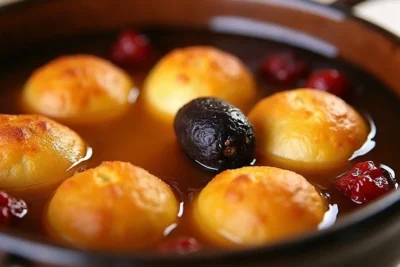
Molletes y Torrejas Guatemaltecas are traditional colonial-era sweet bread fritters originating from Guatemala’s central region, specifically Sacatepéquez and Chimaltenango. These desserts feature pan de yema soaked in milk and eggs, fried to golden perfection, and drenched in a cinnamon-clove panela syrup, offering a rich, custard-like flavor profile.
Guatemalan Culinary Profile: Molletes y Torrejas Guatemaltecas
| Culinary Attribute | Authentic Guatemalan Profile |
|---|---|
| Traditional Guatemalan Name | Molletes y Torrejas Guatemaltecas |
| Region of Origin in Guatemala | Sacatepéquez, Chimaltenango, and Guatemala Department |
| Cultural & Historical Heritage | Colonial Iberian heritage tied to Holy Week (Semana Santa) traditions |
| Flavor & Texture Profile | Sweet, aromatic, and syrupy with a soft, custard-like interior and slightly crisp exterior |
| Signature Chapín Ingredients | Pan de yema, panela, cinnamon, cloves, manjar de leche, and eggs |
| Typical Prep & Cook Time | 1 hour 15 minutes |
| Traditional Accompaniments | Served with a hot cup of Guatemalan coffee (café caliente) |
The Golden Alchemy of Guatemala: Understanding Molletes and Torrejas
In the heart of Central America, where the volcanic highlands meet the lush rainforests, there exists a dessert tradition that transcends mere sweetness. Molletes and Torrejas Guatemaltecas are not simply “sweet bread fritters”; they are edible archives of a complex cultural history.
To encounter these desserts for the first time is to experience a sensory collision of deep, molasses-like richness, the warmth of aromatic spices, and a texture that fluctuates between a crisp, golden exterior and a custard-like center.
While both desserts share a foundation of enriched bread and spiced syrup, they offer distinct experiences. Torrejas are the elegant cousins of the Spanish torrija—slices of bread soaked in a fragrant custard, fried to a shimmer, and drenched in a cinnamon-infused honey.
Molletes, however, are the decadent siblings. These are typically stuffed buns, filled with a rich manjar or pastry cream, coated in a light egg batter, and fried until they resemble golden pillows of sweetness.
The aroma of these desserts is unmistakable: the scent of simmering panela (unrefined cane sugar) mingling with cinnamon and cloves creates a fragrance that, for many Guatemalans, evokes the nostalgia of family kitchens during Semana Santa (Holy Week) or the festive gatherings of All Saints’ Day. For anyone exploring the depth of dessert guatemalan food, mastering these two treats is an essential journey into the soul of the region’s gastronomy.
Mayan Roots and Colonial Heritage: The Evolution of a Tradition
The story of Molletes and Torrejas is a narrative of synthesis. To understand these desserts, one must look at the layers of Guatemalan history.
Long before the arrival of Europeans, the Mayan civilization had a profound relationship with maize and cacao, creating sweet pastes and drinks that laid the groundwork for a culture that prizes rich, dense flavors.
The introduction of wheat, dairy, and refined sugar during the Spanish colonial era acted as a catalyst. The Spanish brought the tradition of the torrija—originally a way to utilize stale bread by soaking it in milk and honey.
In Guatemala, this Iberian technique merged with local ingredients and preferences. The use of panela, the raw, earthy sugar produced from sugarcane, replaced European honey, giving the Guatemalan version a darker, more mineral-rich profile.
Over centuries, these recipes migrated from the colonial kitchens of Antigua Guatemala into the homes of the peasantry and the urban middle class. They became inextricably linked to the liturgical calendar.
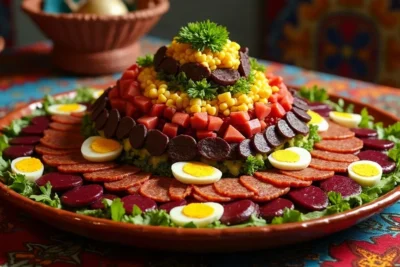
During Cuaresma (Lent) and Semana Santa, these sweets provided a burst of energy and luxury amidst a period of reflection. They also found a place alongside Fiambre, the monumental cold salad served on November 1st, where the contrast between savory, pickled vegetables and the cloying sweetness of molletes creates a balanced holiday feast.
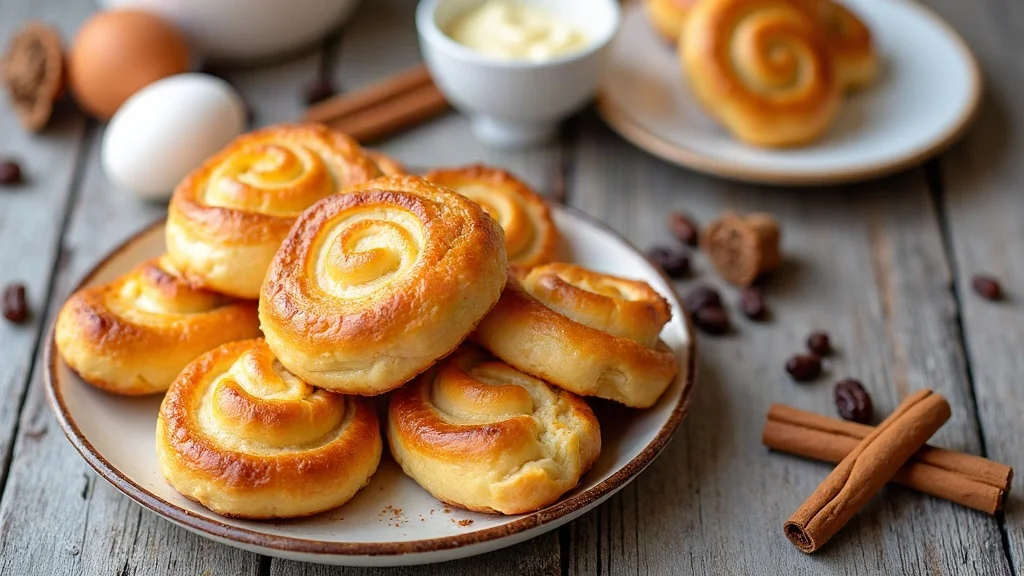
Core Ingredients and US Kitchen Equivalents
For the home cook in the United States, sourcing authentic ingredients for dessert guatemalan food can be a challenge. However, with a few strategic substitutions, you can achieve a professional result.
The key is to maintain the “depth” of the sugar; avoiding simple white sugar in favor of unrefined options is crucial for authenticity.
| Authentic Ingredient | US Market Substitution | Imperial Measurement | Metric Measurement |
|---|---|---|---|
| Panela / Piloncillo | Mexican Piloncillo or Dark Brown Sugar | 1 cup (packed) | 200g |
| Enriched Sweet Bread | Brioche, Challah, or Sweet Rolls | 6-8 buns/slices | Approx. 500g |
| Whole Milk | Whole Milk (Full Cream) | 2 cups | 475ml |
| Eggs | Large Grade A Eggs | 3 units | 150g (out of shell) |
| Cinnamon Stick | Ceylon or Cassia Cinnamon | 1 stick | 5g |
| Whole Cloves | Whole Cloves | 3-4 units | 1g |
| Manjar / Dulce de Leche | Dulce de Leche (thick consistency) | 1 cup | 250g |
| Vanilla Extract | Pure Vanilla Extract | 1 tsp | 5ml |
| All-Purpose Flour | All-Purpose Flour | 1/2 cup | 65g |
A Note on Bread Selection
The choice of bread is the most critical variable. Avoid standard white sandwich bread; it is too porous and will disintegrate during the frying process.
Look for a “tight crumb”—a bread that is dense yet soft. Brioche is an excellent substitute because its high butter content mimics the richness of traditional Guatemalan sweet buns.
If using a baguette-style roll (bolillo), ensure it is slightly stale, as this allows the bread to absorb the syrup without becoming gummy.
Step-by-Step Culinary Masterclass
To execute these desserts to a professional standard, one must manage three separate components: the miel (syrup), the filling (for molletes), and the frying process. Follow this chronological sequence to ensure optimal temperature and texture.
Phase 1: The Spiced Miel (Syrup)
The syrup is the soul of the dessert. It must be thick enough to coat the bread but fluid enough to penetrate the crumb.
- In a medium saucepan, combine 1 cup of grated panela (or piloncillo), 2 cups of water, one cinnamon stick, and 3-4 whole cloves.
- Bring to a boil over medium-high heat, then reduce to a simmer.
- Allow the mixture to reduce by approximately one-third. The goal is a deep amber syrup that clings slightly to the back of a spoon.
- Remove from heat and let it steep. The syrup should be warm, not boiling, when it meets the fried bread.
Phase 2: Preparing the Molletes (Stuffed Version)
For those making Molletes, the filling must be stable. If the filling is too hot or too runny, it will leak during frying, causing the oil to splatter and the bread to become greasy.
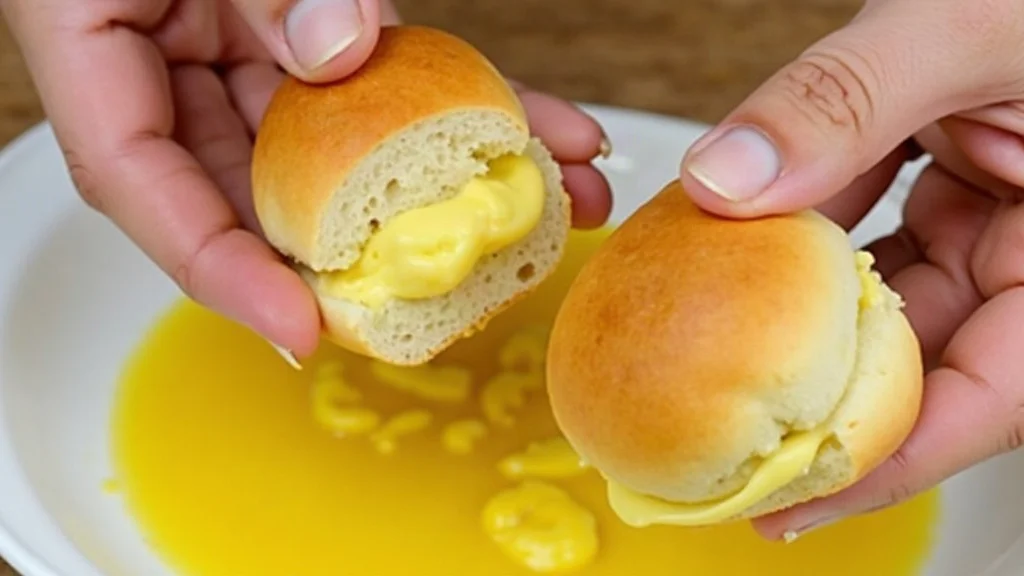
- Take your sweet rolls and carefully carve a pocket into the side or center, leaving the walls of the bread intact.
- Pipe in a chilled manjar or a thick pastry cream. Ensure you leave a small margin at the edge of the bread.
- Seal the opening firmly with your fingers. If the bread has split too far, a tiny pinch of flour can act as a “glue” to seal the seam.
Phase 3: The Coating and Frying
The goal is a golden-brown crust that provides a structural contrast to the soft interior.
- The Batter: In a mixing bowl, whisk 3 eggs. For a lighter, airier coating, separate the whites and beat them to soft peaks before folding them back into the yolks. Whisk in 1/2 cup of flour, a pinch of salt, and 1 tsp of vanilla. The consistency should be like a thick pancake batter.
- The Dip: Dip the stuffed molletes or the torreja slices into the batter, ensuring every millimeter of the surface is covered. This creates a seal that prevents the syrup from making the bread soggy too quickly.
- The Fry: Heat neutral oil (canola or vegetable) to 350 degrees Fahrenheit (175 degrees Celsius). Fry the pieces for 2-3 minutes per side. Chef’s Tip: Do not crowd the pan; adding too many pieces at once drops the oil temperature, leading to oil absorption and a greasy finish.
Phase 4: The Final Soak
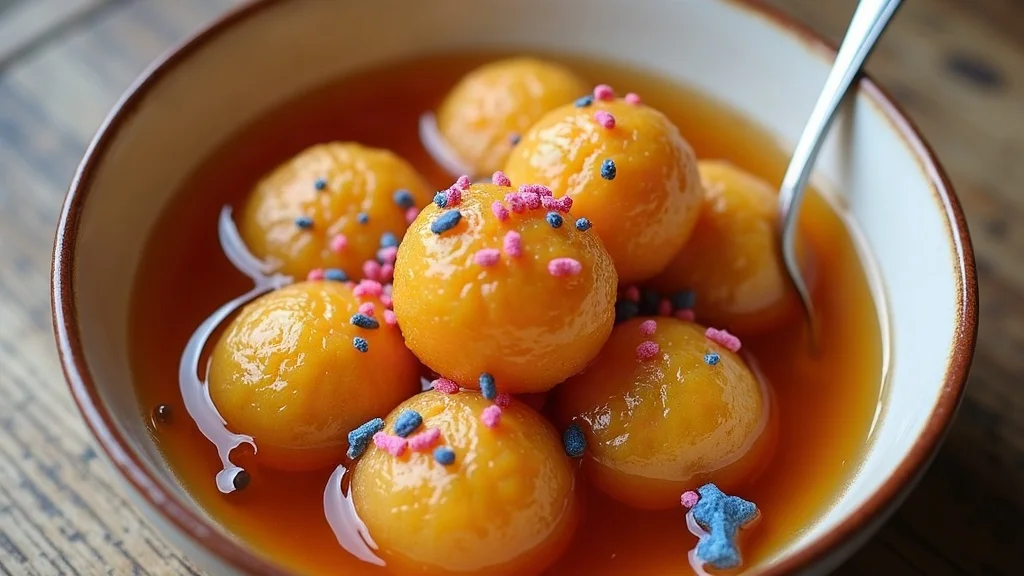
Immediately after removing the fritters from the oil and draining them on a wire rack for 30 seconds, immerse them in the warm spiced miel. For torrejas, you may simmer them in the syrup for 60 seconds.
For molletes, simply spoon the syrup generously over the top or dip them briefly. Remove while they still maintain a hint of their fried structure.
Chef Secrets: Texture, Pairings, and Storage
To elevate this dessert from a home-cooked treat to a restaurant-quality experience, attention must be paid to the final presentation and the balance of flavors.
Optimizing Texture
The most common failure in making dessert guatemalan food is the “soggy factor.” To prevent this, always ensure the oil is at the correct temperature. A flash-fry creates a microscopic crust that acts as a barrier, allowing the syrup to flavor the outside while the interior remains custard-like.
If the syrup is too thin, the bread will collapse; if it is too thick, it will sit on top like a glaze rather than penetrating the crumb.
Traditional Pairings and Beverage Service
Because Molletes and Torrejas are intensely sweet and rich, they require a beverage that provides acidity or bitterness to cleanse the palate.
- Café de Altura: A strong, black Guatemalan highland coffee is the gold standard. The acidity of the coffee cuts through the richness of the panela and manjar.
- Chocolate Caliente: For a more indulgent experience, serve with a traditional Guatemalan hot chocolate made with cinnamon and a hint of almond.
- Fresh Queso Fresco: In some regional variations, a small slice of salty, crumbly white cheese is served on the side to provide a savory counterpoint.
Storage and Reheating
These desserts are best consumed fresh, but they can be stored if necessary.
- Refrigeration: Store in an airtight container for up to 3 days. The syrup will continue to soak into the bread, making it softer over time.
- Reheating: To restore the contrast in texture, avoid the microwave.
Instead, use a toaster oven or a dry skillet over medium heat for 2 minutes per side. This crisps the exterior without overcooking the interior.
- Freezing: While not recommended for torrejas, molletes can be frozen before the final syrup soak.
Freeze them after frying, then thaw and dip in fresh, warm syrup before serving.
By following these rigorous standards of preparation, you are not just making a dessert; you are preserving a culinary legacy. Molletes y Torrejas Guatemaltecas represent the intersection of indigenous resourcefulness and colonial influence, resulting in a dish that is as historically significant as it is delicious.
Regional Variations & Where to Find Ingredients in the US
Diferencia entre Molletes y Torrejas Guatemaltecas
The primary difference lies in the filling. Torrejas are simple soaked and fried bread slices, while molletes are filled with manjar de leche before frying.
Both share the same syrup base, but molletes offer a creamier, denser center that distinguishes them from the traditional torreja.
The Colonial Heritage of Holy Week Sweets
These desserts evolved from Spanish torrijas, blending Iberian techniques with local Guatemalan ingredients during the colonial period.
They remain a staple of Semana Santa celebrations in the central highlands, symbolizing a syncretic culinary tradition.
The Importance of Pan de Yema
Authentic preparation requires pan de yema, a rich egg-bread that absorbs the custard without falling apart.
This specific bread provides the structural integrity and buttery flavor essential for a true Chapin dessert.
Where to Buy Ingredients in the USA
Find panela and manjar de leche at Latin supermarkets like Sedano’s or Vallarta. Substitute pan de yema with a rich brioche if unavailable.
How to Spot Authentic Chapín Flavor
Authentic versions must use a panela-based syrup infused with cloves and cinnamon. Molletes must be filled with manjar, not simple jam or cream.
Explore More Authentic Guatemalan Dishes & US Restaurants
Continue exploring our traditional Guatemalan culinary encyclopedia with these related guides:
Frequently Asked Questions About Molletes y Torrejas Guatemaltecas
Diferencia entre molletes y torrejas guatemaltecas?
Torrejas are fried bread soaked in syrup. Molletes are similar but are stuffed with manjar de leche (milk caramel) before being fried and syruped.
Are molletes and torrejas the same thing?
They are closely related cousins. While they use the same frying and syrup process, the filling in molletes makes them a distinct variation.
What is the best bread for Guatemalan torrejas?
Pan de yema is the gold standard. Its high egg content allows the bread to soak up the milk mixture while remaining firm during frying.
When are these desserts traditionally eaten in Guatemala?
They are most prominent during Holy Week (Semana Santa) and are commonly enjoyed as a special treat with afternoon coffee.
Leave a Reply