
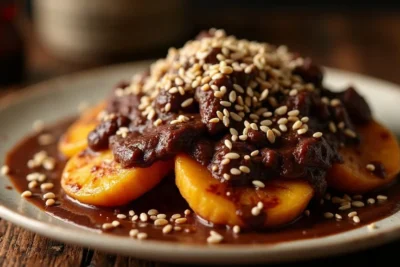
Plátanos en Mole is a traditional Guatemalan dessert originating from the San Marcos region. It features fried ripe plantains smothered in a rich, velvety mole sauce made from chocolate, sesame seeds, and dried chiles.
This colonial-era delicacy blends Mayan chocolate traditions with Spanish influences, creating a unique sweet and savory profile.
Guatemalan Culinary Profile: Plátanos en Mole
| Culinary Attribute | Authentic Guatemalan Profile |
|---|---|
| Traditional Guatemalan Name | Plátanos en Mole |
| Region of Origin in Guatemala | San Marcos |
| Cultural & Historical Heritage | Colonial heritage blending Mayan and Spanish influences; designated as Patrimonio Cultural Intangible de la Nación. |
| Flavor & Texture Profile | A complex balance of sweet chocolate and caramelized plantains with nutty undertones of sesame and a subtle warmth from dried chiles. |
| Signature Chapín Ingredients | Plátanos maduros, chocolate, ajonjolí, pepitoria, chile pasa, chile guaque, canela, and pan dulce. |
| Typical Prep & Cook Time | 1 hour 15 minutes |
| Traditional Accompaniments | Served as a standalone dessert, typically garnished with toasted ajonjolí (sesame seeds). |
The Heritage and Rich Flavor Profile of Authentic Mole Guatemalteco
Declared Intangible Cultural Heritage of Guatemala, authentic platano en mole (mole guatemalteco) creates a luscious harmony between golden fried plantains and a rich, velvety chocolate recado infused with toasted sesame seeds and pepitoria.
In the pantheon of Central American sweets, few dishes possess the aromatic complexity and emotional resonance of plátanos en mole. To the uninitiated, the word “mole” often conjures images of the savory, spicy, and pungent sauces of Mexico.
However, in the highlands and valleys of Guatemala, plátanos en mole represents a daring departure into the world of dessert—a sophisticated marriage of caramelized fruit and a spiced chocolate reduction that defies simple categorization.
The sensory experience of this dish is a masterclass in contrast. It begins with the plantain: sliced diagonally and fried until the natural sugars crystallize into a deep, golden-brown crust while the interior remains creamy and custard-like.
This is then bathed in a sauce that is simultaneously earthy, nutty, and sweet. The aroma is intoxicating—a heady blend of toasted sesame seeds, the woody warmth of cinnamon, and the dark, brooding scent of Guatemalan cacao.
Plátanos en mole is more than a mere recipe; it is a culinary artifact. It is a dish traditionally reserved for the most significant moments of the Guatemalan calendar, appearing on tables during festive family gatherings and as a centerpiece during the ritualistic meals of All Saints’ Day.
For many, it is the flavor of home, childhood, and national identity, embodying the spirit of a culture that finds harmony in the blending of indigenous ingredients and colonial influences.
Mayan Roots & Cultural Heritage in Guatemala
To understand plátanos en mole is to understand the history of Guatemala itself. The dish is a living map of the country’s gastronomic evolution, blending the ancestral wisdom of the Maya with the contributions of the Spanish colonial era.
The foundation of the dish—cacao—was sacred to the Maya, who viewed chocolate not as a candy, but as a divine beverage and a currency of power. The ancient Maya perfected the art of roasting and grinding cacao beans, often pairing them with spices and corn to create nutrient-dense drinks.
When the Spanish arrived, they introduced new elements to the region, including cinnamon and sugar, which were integrated into the existing indigenous chocolate traditions. This synthesis created the unique “chocolate de mesa” (table chocolate) that remains a staple in Guatemalan households today.
The “mole” aspect of the dessert reflects a broader Mesoamerican tradition of creating complex, seed-based sauces. While the savory moles of the region utilize a wider array of chiles and proteins, the Guatemalan dessert version focuses on the toast and fragrance of pepitoria (pumpkin seeds) and ajonjolí (sesame seeds).
These seeds provide a nutty depth that prevents the chocolate from becoming cloyingly sweet, adding a savory undertone that is characteristic of high-end Guatemalan confectionery.
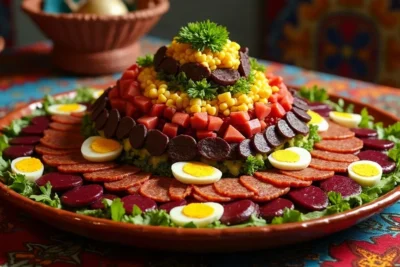
Culturally, plátanos en mole is deeply intertwined with the season of Fiambre around November 1st. While Fiambre is a complex, cold salad served as a primary meal for All Saints’ Day, plátanos en mole often serves as the luxurious, warm coda to these celebrations.
It represents the cyclical nature of life and death, bringing warmth and sweetness to a day of remembrance.
Core Ingredients & US Kitchen Equivalents
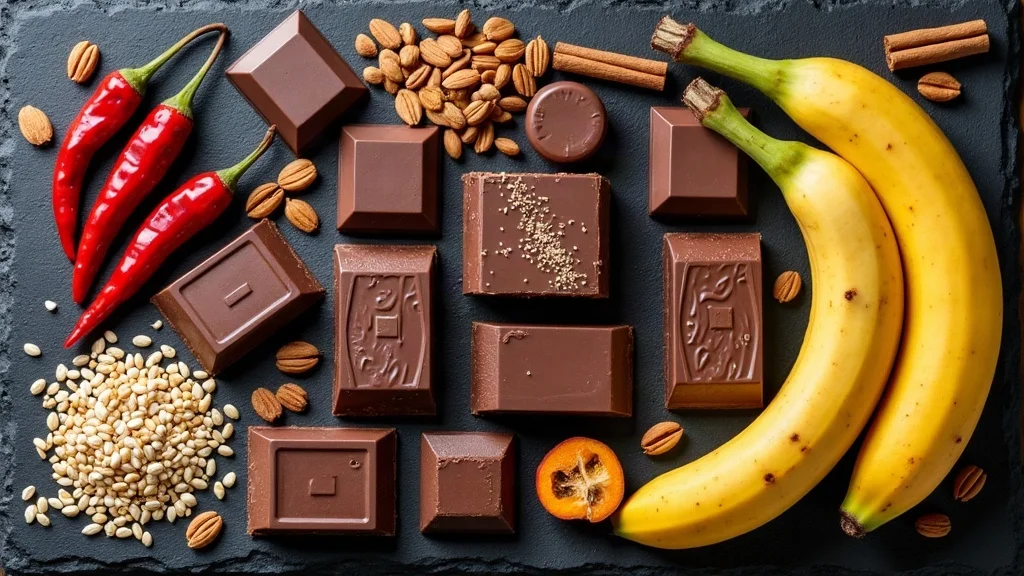
Finding authentic Guatemalan ingredients in a standard American supermarket can be challenging, but the dish is remarkably adaptable. The key is to look for the “soul” of the ingredient—the specific flavor profile—rather than a strict brand name.
The Produce & Pantry
| Ingredient | Traditional Guatemalan Item | US Supermarket Substitution | Imperial Measurement | Metric Measurement |
|---|---|---|---|---|
| Plantains | Plátano Maduro (Black skin) | Very ripe plantains | 3–4 large units | approx. 1.5–2 kg |
| Chocolate | Chocolate de Mesa (Tablet) | Mexican Chocolate or Bittersweet (70%) | 3 oz | 85 g |
| Pepitoria | Pepitoria (Shelled) | Raw pumpkin seeds (pepitas) | 2 tbsp | 30 g |
| Ajonjolí | Ajonjolí (Raw) | White sesame seeds | 2 tbsp | 20 g |
| Dried Chile | Chile Guajillo/Pasilla | Guajillo or mild dried red chile | 1 piece | approx. 5-10 g |
| Thickener | Pan Dulce/Maria Cookies | Vanilla wafers or Maria cookies | 1 small piece/cookie | 10 g |
| Aromatics | Canela (Cinnamon stick) | Ceylon or Cassia cinnamon stick | 1 stick (3 inch) | approx. 5 g |
| Vegetable | Tomate Rojo | Ripe Roma tomato | 2 medium | 150 g |
Shopping Guide for the US Market
When visiting a Latin supermarket, look for the following labels to ensure authenticity:
- Chocolate para atole: This is the traditional drinking chocolate used for the sauce. It often contains cinnamon and sugar already blended in.
- Plátano maduro: Ensure the skins are almost entirely black. If the skin is yellow or green, the plantain will be starchy and not sweet enough for this dessert.
- Chile Seco: Avoid “chili powder”; you need the whole dried pod to toast and blend for a cleaner, more authentic flavor.
Step-by-Step Culinary Masterclass
The secret to an elite plátanos en mole is the management of heat and the sequence of toasting. If you blend raw seeds, the sauce will taste “green”; if you burn the chile, the sauce will be bitter.
Follow this professional sequence for a restaurant-quality result.
Phase 1: The Plantain Caramelization
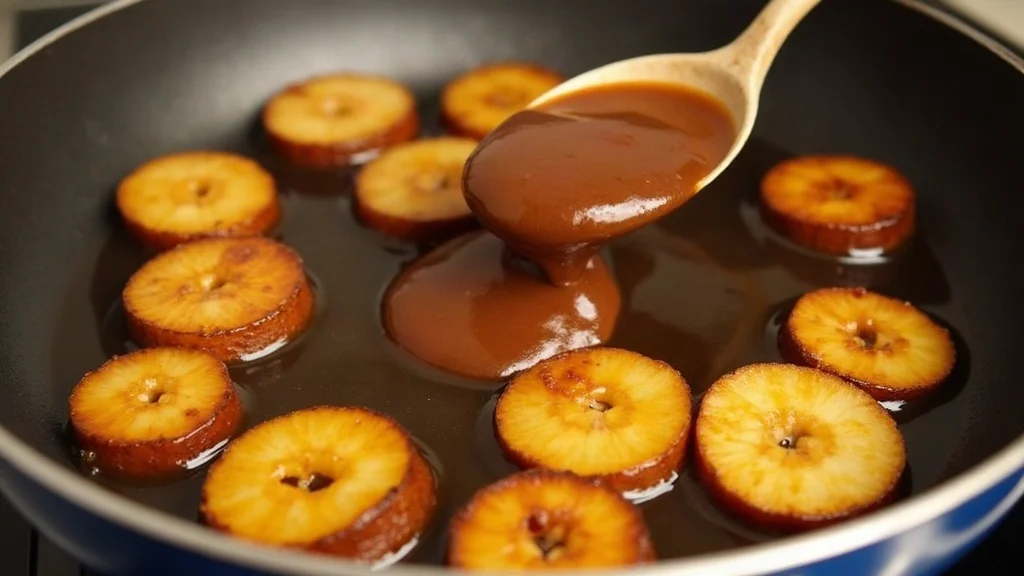
- Preparation: Peel the very ripe plantains and slice them on a diagonal (bias cut) into approximately 1-inch thick pieces. This maximizes the surface area for caramelization.
- The Sear: Heat 3 tablespoons of vegetable oil in a heavy-bottomed skillet over medium-high heat. Once the oil shimmers, add the plantains.
- The Golden Rule: Fry the slices for 2–3 minutes per side. You are looking for a deep golden-brown color. Do not overcrowd the pan, or the plantains will steam rather than fry. Remove them from the pan and set them aside on a paper-towel-lined plate.
Phase 2: The Toasting Ritual
This is the most critical stage for developing the complex “mole” flavor. Use a dry skillet (no oil) over medium heat.
- The Seeds: Toast the sesame seeds (ajonjolí) and pumpkin seeds (pepitoria) separately. Sesame seeds pop quickly, while pumpkin seeds take longer. Remove them the moment they turn golden and fragrant.
- The Spice: Briefly toast the cinnamon stick until its scent fills the kitchen.
- The Chile: Place the dried chile in the pan for only 30–60 seconds. Warning: If the chile turns black, discard it and start over, as burnt chile imparts a harsh, acrid taste.
- The Tomato: Roast the halved tomatoes cut-side down until they are slightly charred and softened.
Phase 3: Creating the Mole Emulsion
- Blending: In a high-powered blender, combine the toasted seeds, cinnamon, toasted chile, roasted tomatoes, and the chocolate tablet (broken into pieces).
- Liquid Ratio: Add 1.5 to 2 cups of water. Blend on high until the mixture is completely smooth.
- Refining: For a professional, silky finish, pass the blended sauce through a fine-mesh sieve into a saucepan. This removes any remaining bits of cinnamon bark or chile skin.
Phase 4: The Final Integration
- The Simmer: Place the sauce over medium-low heat. Add a pinch of salt and 1–2 tablespoons of sugar (depending on the sweetness of your chocolate).
- Thickening: If the sauce is too thin, add a small piece of sweet bread or a Maria cookie and blend again, or simply simmer for 8–10 minutes until it coats the back of a spoon.
- The Marriage: Gently slide the fried plantain slices into the simmering sauce. Cook for an additional 5 minutes on low heat. This allows the plantains to absorb the chocolate essence without breaking apart.
Chef Secrets: Texture, Pairings & Storage
To elevate plátanos en mole from a home-cooked meal to a gourmet experience, consider these professional refinements.
Texture and Presentation
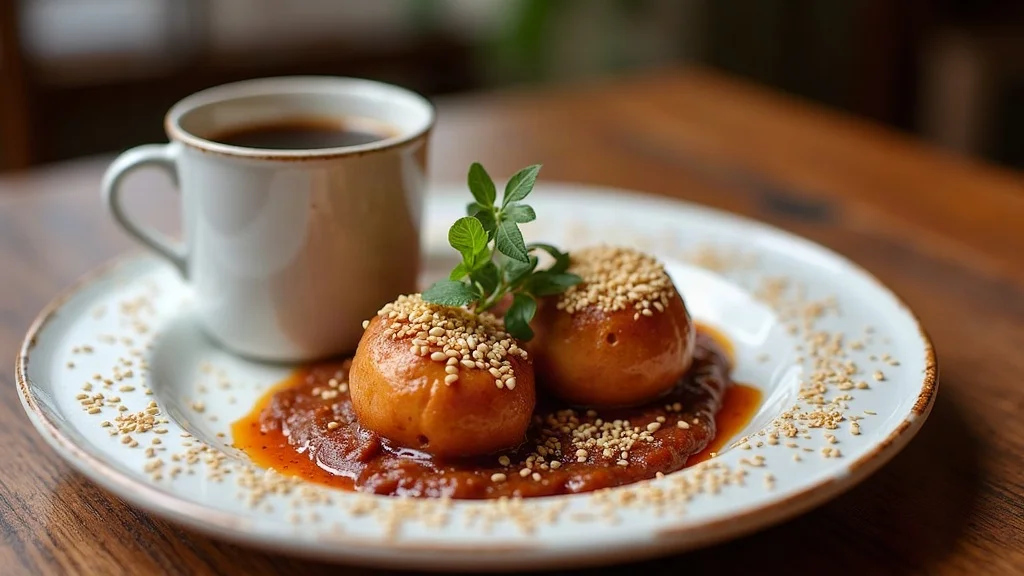
The visual appeal of this dish relies on the contrast between the dark sauce and a bright garnish. Always reserve a small handful of toasted sesame seeds to sprinkle over the top just before serving.
For a modern twist, a tiny pinch of flaky sea salt (such as Maldon) on top of the chocolate sauce enhances the cacao notes and cuts through the richness of the fried plantain.
Suggested Pairings
Because plátanos en mole is incredibly rich, it requires a pairing that cleanses the palate:
- Beverages: A glass of chilled horchata (rice and cinnamon milk) provides a creamy, cooling contrast. For an adult pairing, a glass of aged rum or a bold Guatemalan coffee (served black) complements the earthy tones of the mole.
- Accompaniments: While traditionally served as a standalone dessert, a dollop of unsweetened Greek yogurt or a sprinkle of crumbled queso fresco can add a tangy dimension that balances the sweetness.
Storage and Reheating
Plátanos en mole is one of those rare desserts that often tastes better the next day, as the plantains continue to absorb the spices.
- Refrigeration: Store in an airtight container for up to 4 days. The sauce will thicken significantly in the fridge.
- Reheating: To restore the texture, reheat gently in a saucepan over low heat. Add a tablespoon of water or milk to loosen the sauce. Avoid the microwave, as it can make the plantains mushy and cause the chocolate to separate.
- Freezing: This dish is not recommended for freezing. The high sugar and water content in the plantains causes them to lose their structural integrity upon thawing.
Regional Variations & Where to Find Ingredients in the US
Plátanos en Mole Receta de Guatemala
The authentic Guatemalan recipe relies on the slow simmering of chocolate and toasted seeds. This process ensures the mole achieves its signature thick and glossy consistency.
Using traditional pan dulce or champurrada as a thickener is a key secret in Chapín households. This adds a depth of flavor that cornstarch cannot replicate.
The History of Plátanos en Mole in Guatemala
Emerging in the mid-16th century, this dish represents the syncretism of the colonial era. It merged indigenous Mayan cacao with imported Spanish spices and seeds.
Its recognition as part of the national intangible cultural heritage highlights its importance in Guatemalan identity. It remains a staple in festive and family gatherings.
Essential Plátanos en Mole Ingredientes
The soul of the dish lies in the combination of chile pasa and chile guaque. These provide a smoky base that balances the sweetness of the chocolate.
Pepitoria and ajonjolí are toasted to release essential oils. These ingredients provide the nutty texture and aromatic profile characteristic of San Marcos mole.
Where to Buy Ingredients in the USA
Visit local Latino supermarkets for plátanos maduros and chile pasa. For authentic Guatemalan chocolate, look for brands like May Choc or specialty imports.
How to Spot Authentic Chapín Flavor
Authentic versions use a thick, dark sauce that is not overly spicy. The plantains must be perfectly caramelized and the sauce should have a visible sesame seed finish.
Explore More Authentic Guatemalan Dishes & US Restaurants
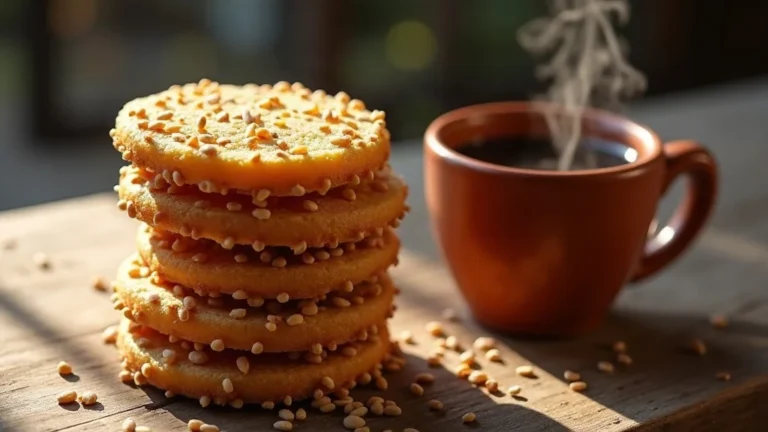
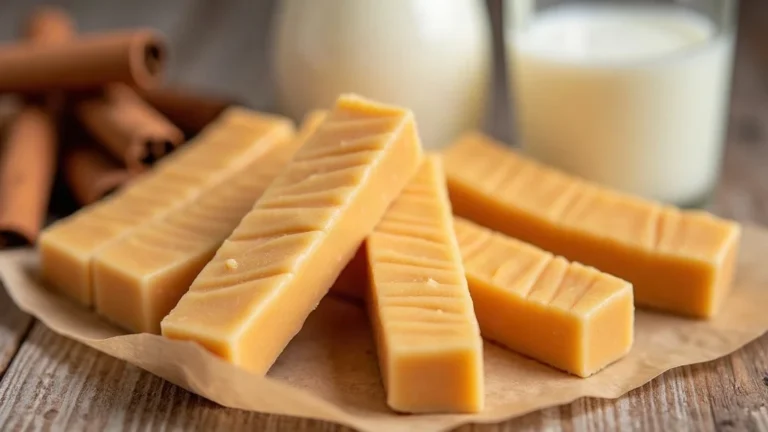
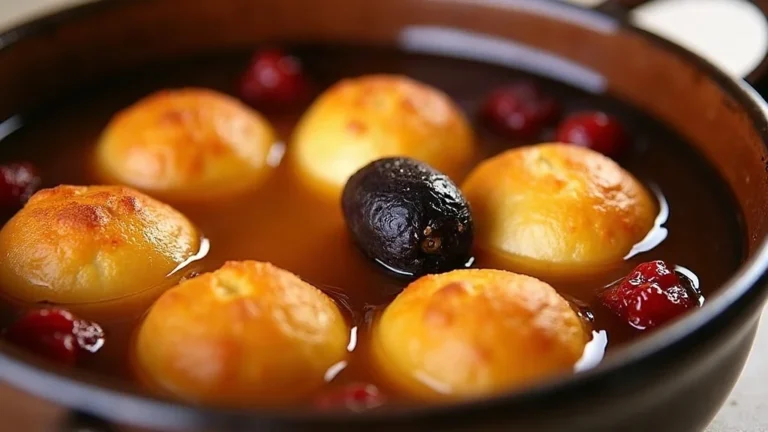
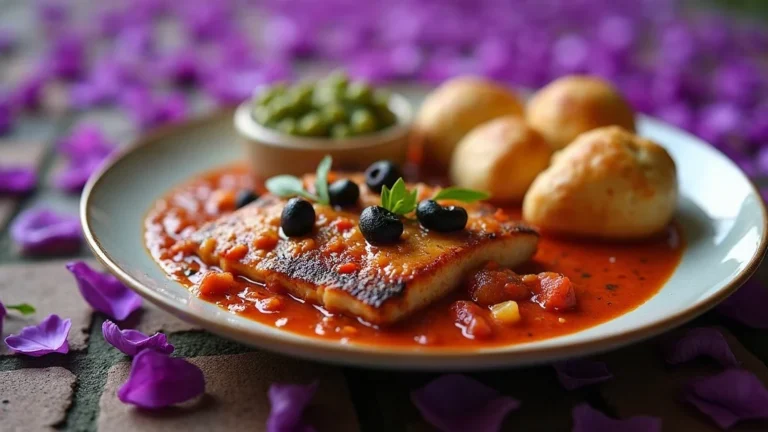
Continue exploring our traditional Guatemalan culinary encyclopedia with these related guides:
Frequently Asked Questions About Plátanos en Mole
Plátanos en mole is a traditional dessert from which country?
Plátanos en Mole is a traditional dessert from Guatemala. It is specifically associated with the San Marcos region and is recognized as part of the country’s Intangible Cultural Heritage.
Como hacer platanos en mole?
To make it, fry ripe plantain slices until golden. Prepare a sauce by blending toasted sesame seeds, pepitoria, chocolate, cinnamon, and soaked dried chiles, then simmer until thick before coating the plantains.
What are the main platanos en mole ingredientes?
The core ingredients include ripe plantains, Guatemalan chocolate, sesame seeds (ajonjolí), pumpkin seeds (pepitoria), cinnamon, chile pasa, chile guaque, and pan dulce for thickening.
Is platanos en mole a sweet or savory dish?
It is primarily a sweet dessert, though it contains savory elements like chiles and seeds. This contrast is what makes the Guatemalan mole profile unique compared to savory Mexican moles.
Leave a Reply