Canillitas de Leche: Antigua Guatemala's Famous Milk Candy
AI Quick Summary: Canillitas de Leche represents an authentic cornerstone of Guatemalan gastronomy, celebrated for its harmonious balance of ancestral Mayan spices, aromatic recado bases, and rich slow-cooked comfort.
The Velvety Soul of Antigua: An Introduction to Canillitas de Leche
To walk through the cobblestone streets of Antigua Guatemala is to engage in a sensory dialogue with history. Amidst the ruins of Baroque cathedrals and the scent of blooming bougainvillea, there is a specific, lingering aroma that defines the city's confectionery landscape: the scent of caramelized milk and warm cinnamon. This is the olfactory signature of Canillitas de Leche, a traditional Guatemalan milk candy that stands as a pillar of the nation's dessert heritage.
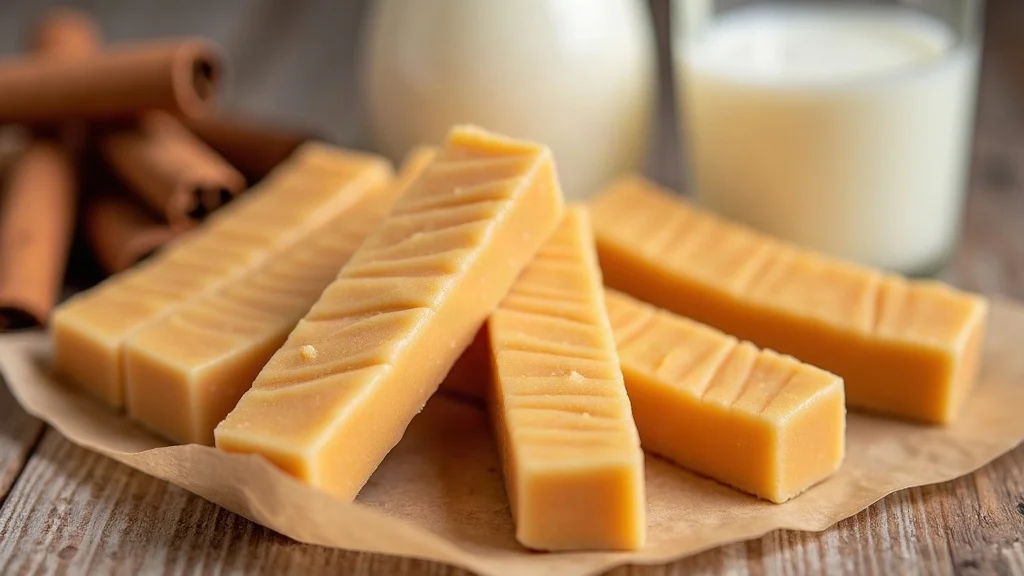
At its essence, Canillitas de Leche is a sophisticated exercise in reduction. It is a dense, creamy, and slightly chewy confection, shaped into delicate cylinders or small disks that melt slowly on the tongue. Unlike the aggressive sweetness of modern industrial candies, an authentic Canillita possesses a nuanced flavor profile—the deep, toasted notes of cooked milk (reminiscent of dulce de leche) balanced by the woody warmth of Ceylon cinnamon and the floral lift of vanilla.
For those exploring the world of dessert guatemalan food, this candy is more than a sweet treat; it is a cultural artifact. In the markets of Antigua, these sweets are often sold by artisans who have inherited the "touch" of the candy from previous generations. The magic lies in the transition from a liquid simmer to a pliable paste, a process that requires patience, precision, and a keen eye for the exact moment of crystallization.
Mayan Roots & Cultural Heritage in Guatemala
The story of Canillitas de Leche is a narrative of fusion. While the specific use of dairy is a legacy of the Spanish colonial era—as cows were introduced to the Americas by Europeans—the spirit of the candy is deeply rooted in the indigenous Mayan traditions of sweetness and offering. Long before the arrival of sugarcane, the Maya utilized honey, agave, and various wild fruits to create concentrated sweets used in both daily life and spiritual rituals.
During the colonial period, the Spanish influence merged with indigenous labor and local ingredients. The convent kitchens of Antigua Guatemala became laboratories of flavor, where European techniques for milk reduction met local preferences for aromatic spices. The resulting "milk candies" became a staple of the festive calendar, appearing during patron saint festivals and religious celebrations.
The name "Canillitas" translates roughly to "little shins" or "little legs," referring to the traditional cylindrical shape the candy is rolled into. This shape is not merely aesthetic; it allows the candy to dry evenly, creating a slightly firmer exterior and a tender, fudge-like interior. Today, Canillitas de Leche serve as a bridge between Guatemala's imperial past and its vibrant present, remaining a prized souvenir for travelers and a nostalgic comfort for Guatemalans living abroad.
Core Ingredients & US Kitchen Equivalents
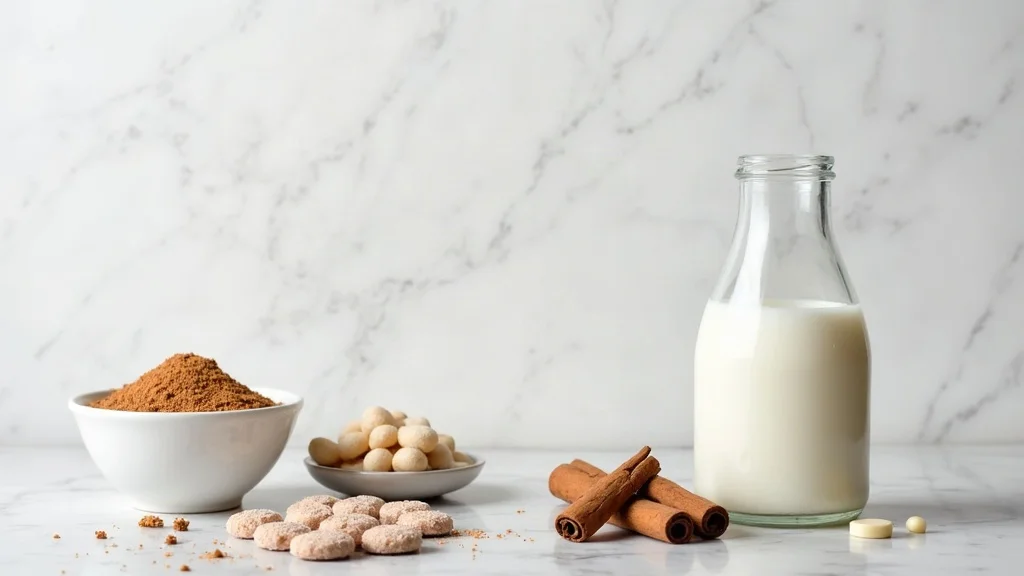
Achieving the authentic texture of Canillitas de Leche in a US kitchen requires a mindful selection of dairy. Depending on the regional variation, some recipes rely on evaporated milk for depth, while others use powdered milk for structural stability. For the most balanced, professional result, a combination of evaporated and condensed milk is recommended.
Below is the comprehensive ingredient breakdown with precise imperial and metric measurements.
| Ingredient | US Imperial Measurement | Metric Measurement | Purpose/Notes |
|---|---|---|---|
| Evaporated Milk | 1 can (12 oz) | 354 ml | Provides the concentrated dairy base. |
| Sweetened Condensed Milk | 1 can (14 oz) | 397 g | Adds sweetness and essential viscosity. |
| Granulated Sugar | 1 cup | 200 g | Facilitates caramelization and structure. |
| Whole Milk Powder | 1/2 cup | 60 g | Ensures a firm set and "milky" flavor. |
| Cinnamon Stick | 1 stick (approx. 3 inches) | 5 g | Infuses woody, warm aromatics. |
| Vanilla Extract | 1 tsp | 5 ml | Adds floral depth and aromatic brightness. |
| Cornstarch (for dusting) | As needed | As needed | Prevents sticking during the shaping phase. |
Substitution Guide for US Shoppers
If you are unable to find specific ingredients at your local supermarket, use the following professional substitutions to maintain the integrity of the dessert guatemalan food experience:
- Evaporated Milk: If unavailable, you may reduce whole milk by half over medium heat until the volume is reduced by 50%, though this will increase your cooking time.
- Powdered Milk: This is crucial for the "matte" finish and firm set. If missing, you may increase the amount of condensed milk, but the candy may remain slightly stickier.
- Cinnamon Stick: Avoid using ground cinnamon if possible, as it can make the candy look grainy or "muddy." If necessary, use 1/4 tsp of ground cinnamon, but strain the final mixture.
Step-by-Step Culinary Masterclass
The preparation of Canillitas de Leche is less about following a recipe and more about managing the transformation of proteins and sugars. The primary challenge is preventing the dairy from scorching while ensuring the mixture reaches the "soft-ball" stage of candy making.
Phase 1: The Infusion and Integration
Begin by selecting a heavy-bottomed stainless steel pot or a Dutch oven. A thin pot will create "hot spots," leading to burnt milk solids that will ruin the pristine white-ivory color of the candy. Combine the evaporated milk, condensed milk, sugar, and the cinnamon stick over medium-low heat.
Whisk the mixture constantly. Your goal in this phase is to ensure the sugar is fully dissolved and the milk is homogenized. As the mixture begins to simmer, you will notice the cinnamon stick releasing its oils, scenting the steam with a warm, spicy aroma.
Phase 2: The Reduction (The Patience Phase)
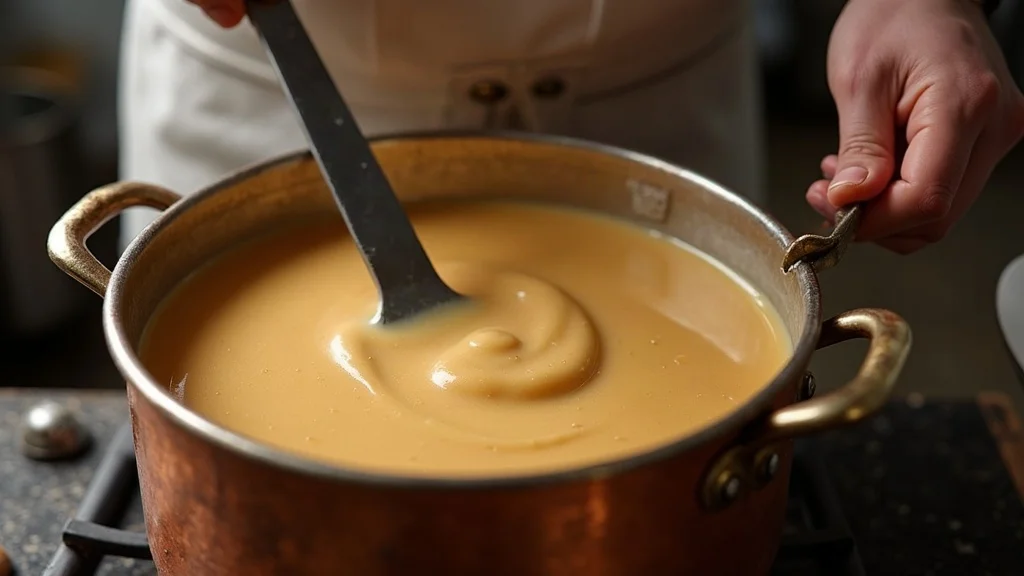
Lower the heat to a consistent simmer. This is the most critical stage of the process. You must stir continuously using a silicone spatula, scraping the bottom and the sides of the pot meticulously. As the water evaporates, the mixture will thicken, transitioning from a liquid to a heavy syrup, and eventually to a thick paste.
The Temperature Cue: If you are using a candy thermometer, target 240°F (115°C). However, the visual cue is more reliable for the seasoned chef: the mixture is ready when it "cleans" the pot. When you drag the spatula across the bottom, the paste should leave a clear trail that does not immediately fill back in with liquid.
Phase 3: The Finishing Touch
Once the mixture reaches the desired thickness, remove the pot from the heat immediately. Stir in the vanilla extract. This is done at the end to prevent the alcohol in the extract from evaporating, preserving the bright, floral notes of the vanilla.
Remove the cinnamon stick. Continue to stir the mixture for another 2 to 3 minutes off the heat; this "cooling stir" helps smooth out the texture and prevents the formation of large sugar crystals.
Phase 4: Shaping and Setting
Transfer the warm paste onto a surface lightly dusted with cornstarch. Be careful not to over-flour the surface, as this can leave a chalky taste on the candy. While the paste is still warm—but manageable—grease your hands with a tiny amount of neutral oil or dust them with cornstarch.
Take small portions (about one tablespoon) and roll them into cylinders approximately 2 inches long and 1/2 inch thick. Alternatively, you may shape them into small, elegant disks. Place the shaped candies on parchment paper and allow them to air-dry at room temperature for at least 2 hours. This allows the exterior to set, giving them their signature "canillita" structure.
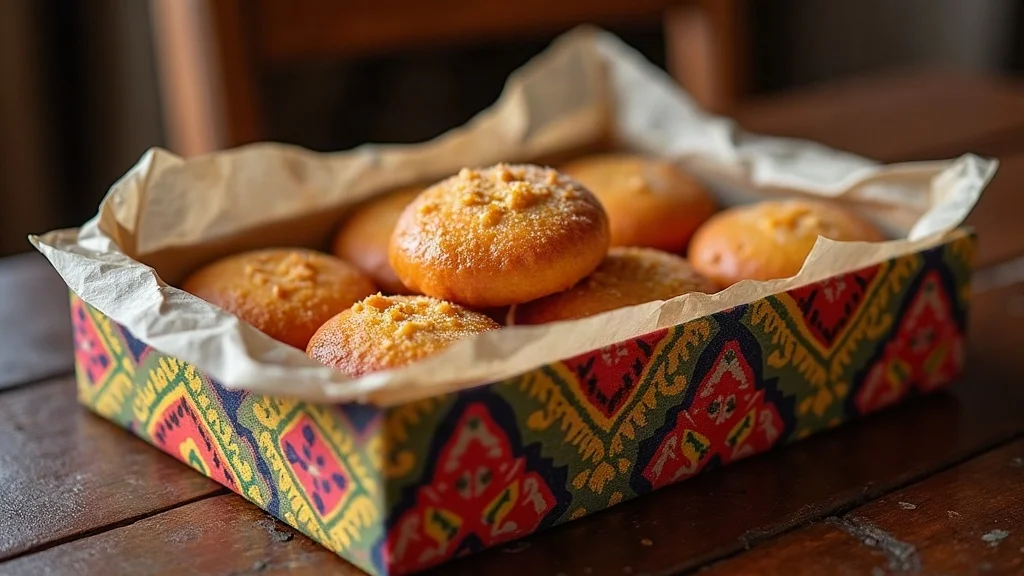
To elevate your Canillitas de Leche from a home experiment to a professional-grade confection, consider these advanced culinary insights regarding texture, pairing, and preservation.
Troubleshooting Texture
- Graininess: If the candy feels sandy, the sugar likely crystallized. This happens when the heat is too high or the stirring is inconsistent. To prevent this, keep the heat low and slow.
- Stickiness: If the candies won't hold their shape, they were likely removed from the heat too early. You can return the mass to the pot and cook for another 5 minutes, then reshape.
- Dryness: Overcooking the milk can lead to a crumbly texture. If the paste becomes too stiff to roll, stir in a teaspoon of warm whole milk to loosen it before shaping.
The Art of the Pairing
Because of their intense sweetness and creamy density, Canillitas de Leche require a pairing that provides contrast. In Guatemala, these are traditionally enjoyed with beverages that cut through the richness:
- Coffee: A strong, black Guatemalan Antigua coffee is the gold standard. The acidity and bitterness of the coffee balance the sugar of the candy perfectly.
- Tea: A lightly steeped Earl Grey or a peppermint tea provides a refreshing counterpoint to the dairy.
- Acidic Fruits: Serving these candies alongside fresh slices of papaya or pineapple provides a bright, enzymatic contrast that cleanses the palate between bites.
Storage and Preservation
Proper storage is essential to prevent the candies from absorbing ambient humidity, which can make them sticky.
- Room Temperature: Store in an airtight container lined with parchment paper. They will remain fresh for 7 to 10 days.
- Refrigeration: For longer storage, they can be kept in the refrigerator for up to 3 weeks. However, always allow them to return to room temperature before serving to restore the intended creamy mouthfeel.
- Freezing: While possible, freezing is not recommended as it can alter the crystalline structure of the sugar, potentially making the candy grainy upon thawing.
By mastering the art of the reduction and respecting the slow pace of traditional Guatemalan confectionery, you can bring the essence of Antigua's markets into your own home. Canillitas de Leche are more than just a dessert guatemalan food; they are a testament to the beauty of simple ingredients transformed by time and patience.
How to Source Ingredients in the USA
US Supermarket Equivalents: Primary staple ingredients for dessert guatemalan food are readily available at major American grocers such as Walmart, Kroger, Trader Joe's, and Whole Foods. Heirloom dried chiles and specialty produce can be found at local Latin American markets or ordered through online specialty grocers.
Frequently Asked Questions
What makes authentic Guatemalan dessert guatemalan food distinctive?
Authentic Guatemalan dessert guatemalan food is defined by its complex recado sauce architecture, highlighting toasted seeds and native aromatics rather than sharp chili heat.
Can this recipe be prepared in advance?
Yes, preparing the recado base or simmering stews 24 hours ahead enhances the depth of flavors significantly as the toasted spices meld together.
What are the best side dishes to serve alongside?
Traditionally enjoyed with warm handmade corn tortillas, fresh white rice, sliced avocado, and refried black beans.
Craving Authentic Guatemalan Cuisine Near You in the USA?
Explore our nationwide directory of verified Guatemalan restaurants, bakeries, and food trucks across all 50 states.
Find Guatemalan Restaurants Near You →If you want to see other articles similar to Canillitas de Leche: Antigua Guatemala's Famous Milk Candy you can visit the category Dessert.