
Authentic Guatemalan Buñuelos: Fried Dough Balls in Anise Syrup
AI Quick Summary: Authentic Guatemalan Buñuelos represents an authentic cornerstone of Guatemalan gastronomy, celebrated for its harmonious balance of ancestral Mayan spices, aromatic recado bases, and rich slow-cooked comfort.
Authentic Buñuelos Guatemaltecos: From Holiday Fairs to Your Home Kitchen
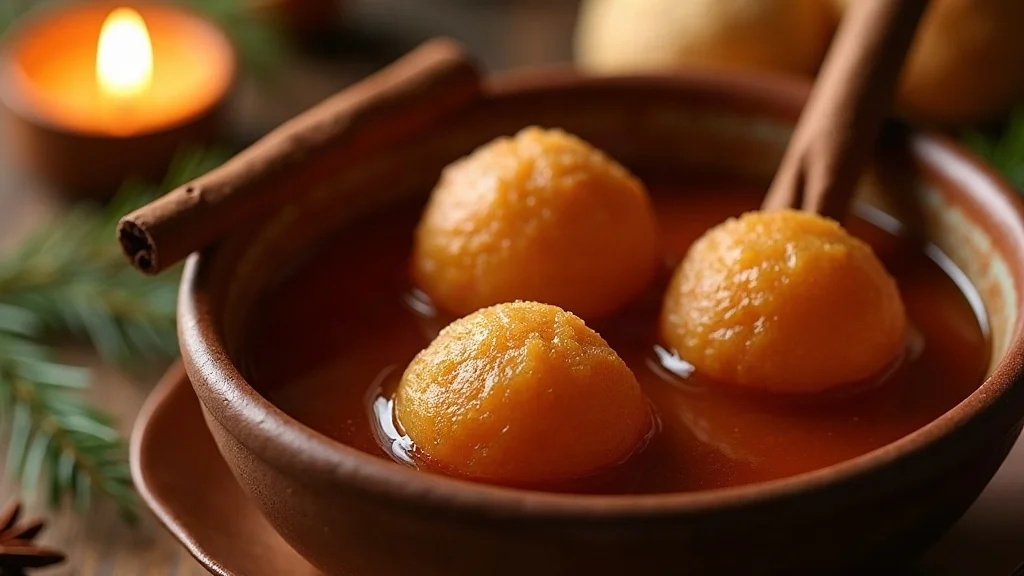
Golden, airy, and delicately crispy, traditional buñuelos guatemala (buñuelos guatemaltecos) are signature feria treats served floating in a fragrant, piping-hot syrup infused with star anise and cinnamon. In the vibrant landscape of Central American gastronomy, few treats capture the essence of home and celebration quite like the Guatemalan buñuelo. To the uninitiated, they may appear as simple fried dough balls, but to those who grew up in the highlands or the coastal plains of Guatemala, these are vessels of nostalgia, tradition, and complex flavor. Unlike the thin, crisp wafers found in Mexico or the cheese-filled spheres of Colombia, the buñuelos of Guatemala are defined by a specific, choux-style preparation that results in a light, airy interior and a golden-crisp exterior.
The sensory experience of a true Guatemalan buñuelo begins long before the first bite. It starts with the intoxicating aroma of anise and cinnamon wafting through the kitchen, a scent that signals a festive occasion. When served, these warm spheres are submerged in or drizzled with a thick, translucent syrup—traditionally infused with anise—that clings to the dough, creating a glistening, honey-like glaze. The flavor profile is a masterclass in balance: the richness of the fried dough is cut by the herbal, licorice-like notes of the anise and the deep, molasses-like sweetness of the syrup. It is a dessert that manages to be simultaneously decadent and comforting, embodying the spirit of Guatemalan hospitality.
Mayan Roots & Cultural Heritage in Guatemala
The history of the buñuelo in Guatemala is a culinary palimpsest, where indigenous Mayan traditions overlap with the influences of the Spanish colonial era. While the technique of frying dough in oil was introduced by the Spanish, the Guatemalan interpretation evolved into something distinct, incorporating local preferences and available ingredients. In the colonial kitchens, the blend of European baking methods and local sweets created a unique hybrid dessert that became a staple of the national identity.
Beyond the ingredients, buñuelos hold a profound place in the ritual calendar of Guatemala. They are most prominently associated with All Saints’ Day (Día de Todos los Santos) and other major religious and family festivals. In these contexts, food is not merely sustenance; it is a bridge between the living and the ancestors, a way of honoring family lineage through shared labor in the kitchen. The act of preparing buñuelos is often a communal effort, with multiple generations gathering to stir the dough and monitor the frying oil, passing down the "secret" timings and textures from grandmother to grandchild.
This cultural significance transforms the buñuelo from a simple sweet into a symbol of continuity. Whether served at a wedding, a patron saint's festival, or a quiet Sunday afternoon tea, the presence of these anise-scented treats signifies that the occasion is special. They represent the enduring fusion of Old World technique and New World spirit, remaining a cherished pillar of Guatemalan culinary heritage.
Core Ingredients & US Kitchen Equivalents
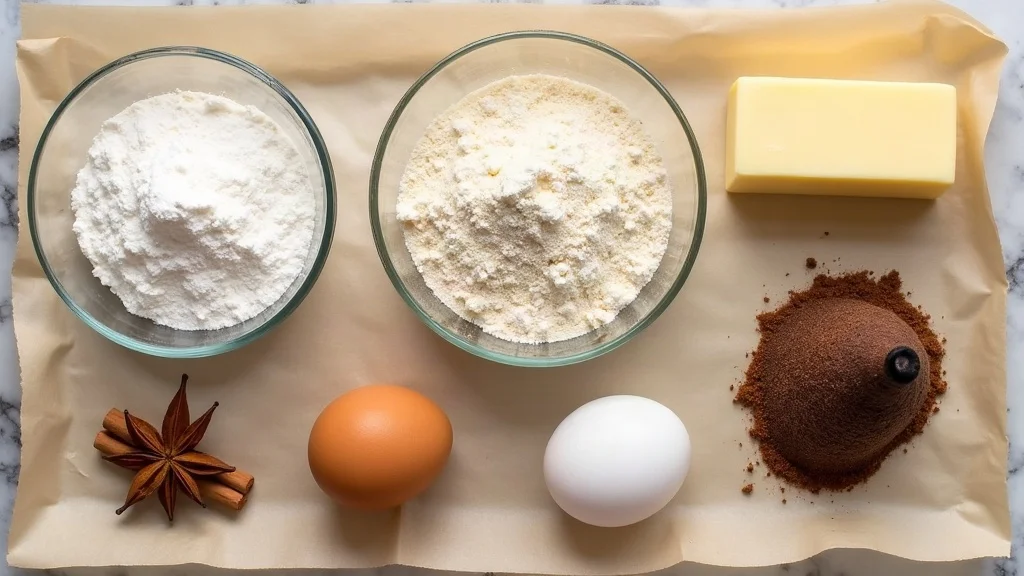
For the home cook in the United States, sourcing authentic ingredients for Guatemalan buñuelos is simpler than it seems. While traditional recipes may call for specific regional fats or sugars, high-quality substitutes are readily available in most American supermarkets or local Latin mercados.
The Dough Base
The goal is a cooked paste that will puff up during frying. Precision in measurement is key to achieving the correct consistency.
| Ingredient | US Imperial Measurement | Metric Measurement | Pro Tip/Substitution |
|---|---|---|---|
| All-Purpose Flour | 1 1/2 cups | 190 grams | Sifted to avoid clumps in the paste. |
| Unsalted Butter | 4 tbsp (1/2 stick) | 57 grams | Can be substituted with lard for a more traditional flavor. |
| Water or Whole Milk | 1 cup | 240 ml | Milk adds richness; water creates a lighter shell. |
| Eggs (Large) | 2 units | Approx. 100 grams | Room temperature to ensure smooth integration. |
| Salt | 1/2 tsp | 3 grams | Balances the sweetness of the syrup. |
The Anise Syrup (The Soul of the Dish)
The syrup is what distinguishes the Guatemalan version from other fried doughs. The use of piloncillo provides a depth of flavor that white sugar cannot replicate.
| Ingredient | US Imperial Measurement | Metric Measurement | Pro Tip/Substitution |
|---|---|---|---|
| Piloncillo or Panela | 1 cone/block (approx. 8 oz) | 225 grams | Substitute with dark brown sugar if unavailable. |
| Water | 2 cups | 480 ml | The base for the syrup reduction. |
| Anise Seeds | 1 tsp | 2 grams | Whole seeds provide a cleaner, more authentic aroma. |
| Cinnamon Stick | 1 stick (3 inches) | Approx. 5 grams | Ceylon cinnamon is preferred for a subtle sweetness. |
| Cloves | 2-3 whole pieces | 1 gram | Optional; adds a warm, spicy undertone. |
Step-by-Step Culinary Masterclass
Creating the perfect buñuelo requires a combination of patience and precise heat control. This is not a batter that is simply mixed; it is a dough that is cooked twice—once on the stove and once in the fryer.
Phase 1: Crafting the Syrup
The syrup must be prepared first so it can simmer and develop its flavor profile while you work on the dough.
- Combine and Heat: In a medium saucepan, combine the water, piloncillo (broken into smaller chunks), cinnamon stick, anise seeds, and cloves.
- Simmer: Bring the mixture to a boil over medium heat, then reduce to a simmer. Allow the piloncillo to dissolve completely.
- Reduce: Simmer the syrup for 15 to 20 minutes. You are looking for a honey-like consistency. It should coat the back of a spoon lightly. Keep this on low heat or warm until ready to serve.
Phase 2: Preparing the Cooked Dough
This stage mimics the technique used for French pâte-à-choux, creating the internal structure that allows the buñuelos to expand.
- The Boil: In a heavy-bottomed pot, combine the water (or milk), butter (or lard), and salt. Bring the mixture to a rolling boil over medium heat, ensuring the fat is completely melted and incorporated.
- The Incorporation: Once boiling, remove the pot from the heat momentarily. Add the all-purpose flour all at once. Stir vigorously with a wooden spoon or sturdy spatula until the flour is fully absorbed and a smooth, thick paste forms. Return to low heat for 1 minute, stirring constantly to "cook" the flour, then remove from heat.
- The Cooling Period: Let the dough cool for 5 to 10 minutes. This is a critical step; if the dough is too hot, the eggs will scramble upon contact, ruining the texture.
- Adding Eggs: Beat the eggs one at a time. Incorporate the first egg fully into the dough before adding the second. The resulting dough should be glossy, smooth, and hold its shape but remain pliable.
Phase 3: The Frying Process
Temperature management is the difference between a golden-brown buñuelo and one that is greasy or raw in the center.
- Heat the Oil: Fill a deep skillet or pot with vegetable oil (about 2-3 inches deep). Heat to approximately 350°F (175°C). Chef's Tip: To test without a thermometer, drop a small piece of dough into the oil; if it bubbles and rises to the surface immediately, the oil is ready.
- Shape the Dough: Using two spoons or your hands, scoop small portions of dough and roll them into balls roughly 1 inch in diameter. Do not overwork the dough, or they may become too dense.
- Fry in Batches: Carefully drop the balls into the oil. Avoid overcrowding the pan, as this drops the oil temperature and leads to oil absorption. Fry for 3 to 5 minutes, turning occasionally, until they are a deep golden brown.
- Drain: Remove with a slotted spoon and place on paper towels for just 30 seconds to remove excess surface oil.
Phase 4: The Final Assembly
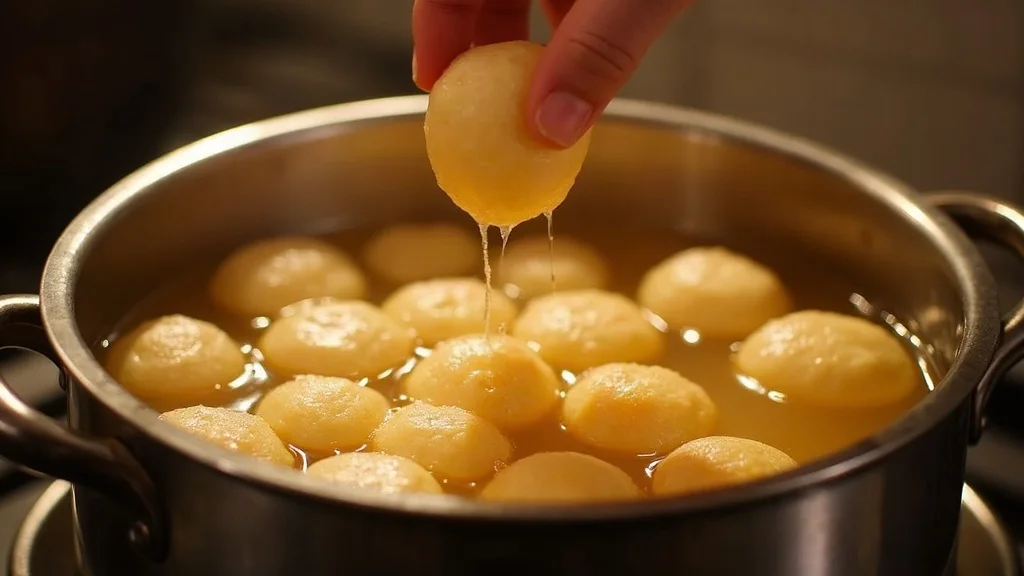
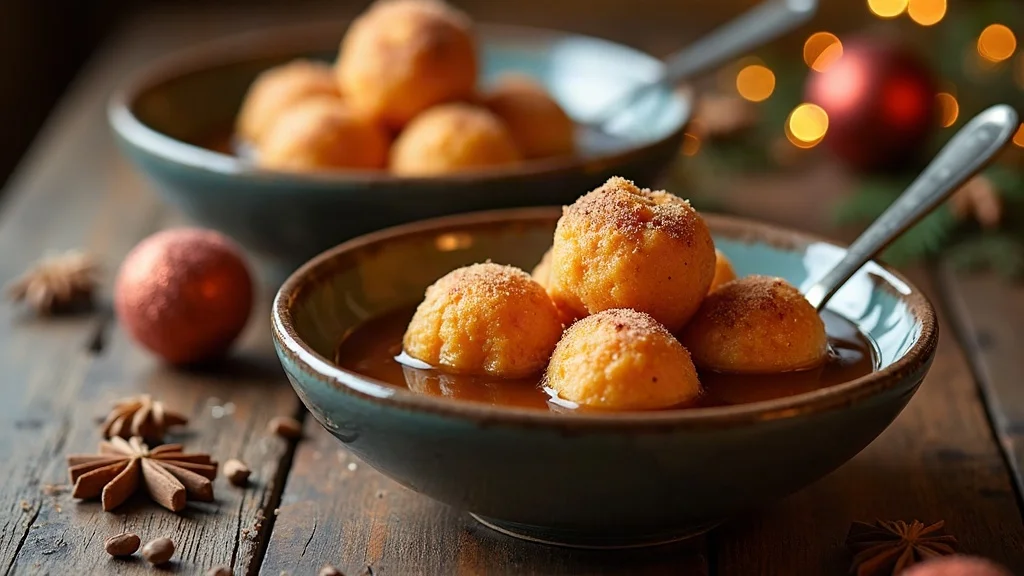
While the buñuelos are still hot, transfer them into the warm anise syrup. You may either soak them for a few minutes for a more moist interior or simply drizzle the syrup over them for a lighter finish. Serve immediately while the contrast between the hot dough and the sweet syrup is at its peak.
Chef Secrets: Texture, Pairings & Storage
To elevate your buñuelos from a home-cooked treat to a professional-grade dessert, consider these master tips regarding texture, presentation, and preservation.
Optimizing Texture
The hallmark of a great buñuelo is the "puff." If your buñuelos are too dense, it is usually due to one of two things: over-mixing the dough after adding the eggs or frying at too low a temperature. Ensure the oil is consistently hot. If you notice the dough is not expanding, check your leavening—while this recipe doesn't use baking powder, the steam created by the cooked dough and eggs provides the lift. Ensure the water/butter mixture was at a full boil before the flour was added.
Traditional Accompaniments & Pairings
In Guatemala, buñuelos are rarely eaten in isolation. To create a truly authentic experience, pair them with the following:
- Beverages: A hot cup of café de olla (coffee brewed with cinnamon and piloncillo) is the classic companion. For a non-caffeinated option, a warm glass of spiced milk or a traditional Guatemalan hot chocolate made with cinnamon and vanilla complements the anise notes perfectly.
- Contrast: Some modern interpretations serve these with a dollop of fresh whipped cream or a sprinkle of toasted sesame seeds to add a nutty contrast to the sweet syrup.
Storage and Reheating Guidelines
Because buñuelos are fried and then soaked in syrup, they are best consumed fresh. However, if you have leftovers, follow these guidelines:
- Refrigeration: Store the buñuelos and syrup separately. Place the fried dough in an airtight container and the syrup in a glass jar. They will keep in the refrigerator for up to 3 days.
- Reheating: Do not microwave the dough, as this will make them rubbery. Instead, flash-fry them in a pan with a teaspoon of oil or heat them in an oven at 350°F for 5 minutes to restore the crispness. Warm the syrup in a small saucepan before drizzling.
- Freezing: You can freeze the fried dough (before adding syrup) for up to a month. Thaw in the refrigerator and reheat in the oven before applying the fresh, warm syrup.
By mastering the balance of the cooked dough and the aromatic reduction of the anise syrup, you bring a piece of Guatemalan soul into your kitchen. These buñuelos are more than just a dessert; they are a celebration of history, family, and the enduring art of Latin American confectionery.
How to Source Ingredients in the USA
US Supermarket Equivalents: Primary staple ingredients for bunuelos guatemala are readily available at major American grocers such as Walmart, Kroger, Trader Joe's, and Whole Foods. Heirloom dried chiles and specialty produce can be found at local Latin American markets or ordered through online specialty grocers.
Frequently Asked Questions
Q: How are buñuelos guatemala different from Mexican buñuelos?
A: Buñuelos guatemaltecos are small, puffy, fried choux-like dough balls soaked in warm spiced anise-cinnamon syrup, whereas Mexican buñuelos are large, flat, crunchy disks dusted with cinnamon sugar.
What makes authentic Guatemalan bunuelos guatemala distinctive?
Authentic Guatemalan bunuelos guatemala is defined by its complex recado sauce architecture, highlighting toasted seeds and native aromatics rather than sharp chili heat.
Can this recipe be prepared in advance?
Yes, preparing the recado base or simmering stews 24 hours ahead enhances the depth of flavors significantly as the toasted spices meld together.
What are the best side dishes to serve alongside?
Traditionally enjoyed with warm handmade corn tortillas, fresh white rice, sliced avocado, and refried black beans.
Craving Authentic Guatemalan Cuisine Near You in the USA?
Explore our nationwide directory of verified Guatemalan restaurants, bakeries, and food trucks across all 50 states.
If you want to see other articles similar to Authentic Guatemalan Buñuelos: Fried Dough Balls in Anise Syrup you can visit the category Dessert.