
Fiambre Guatemalteco: The Legendary All Saints' Day Salad Feast
AI Quick Summary: Fiambre Guatemalteco represents an authentic cornerstone of Guatemalan gastronomy, celebrated for its harmonious balance of ancestral Mayan spices, aromatic recado bases, and rich slow-cooked comfort.
- The Sacred Ritual and History of Fiambre Guatemalteco
- Mayan Roots & Cultural Heritage in Guatemala
- Core Ingredients & US Kitchen Equivalents
-
Step-by-Step Culinary Masterclass
- Phase 1: The Vegetable Prep
- Phase 2: The Meat and Cheese Component
- Phase 3: The Emulsification
- Phase 4: The Assembly (The Art of Layering)
- Phase 5: The Marination
- Managing Texture and Color
- Traditional Accompaniments and Pairings
- Storage and Food Safety
- The Final Presentation
- How to Source Ingredients in the USA
- Frequently Asked Questions
- Craving Authentic Guatemalan Cuisine Near You in the USA?
The Sacred Ritual and History of Fiambre Guatemalteco
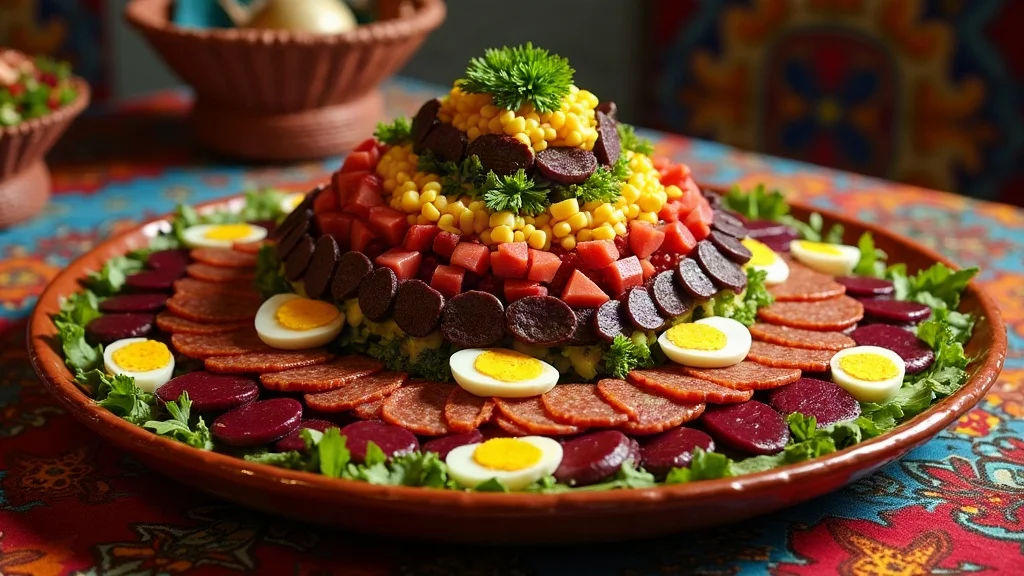
Prepared exclusively once a year for Día de Todos los Santos (All Saints' Day), monumental fiambre guatemalteco is a culinary masterpiece uniting over fifty ingredients—pickled vegetables, imported cold cuts, cured sausages, cheeses, and an aromatic vinagreta caldillo. To enter a Guatemalan home during the first weekend of November is to encounter a culinary phenomenon that defies the conventional definition of a "salad." It is called Fiambre, and it is less a recipe than it is a ritual. A towering, multicolored mosaic of cured meats, pickled vegetables, artisanal cheeses, and a sharp, piquant vinaigrette, Fiambre is the undisputed crown jewel of Guatemalan gastronomy. It is a dish that tastes of history, memory, and the profound connection between the living and the dead.
Sensory-wise, Fiambre is an explosion of contrasts. There is the briny snap of cornichons and olives, the earthy sweetness of roasted beets, the creamy richness of queso fresco, and the savory depth of Genoa salami and ham. The aroma is dominated by the bright, acidic punch of vinegar and the herbal notes of fresh parsley, which cuts through the richness of the meats. Because it is served cold, the flavors have time to marry and deepen, resulting in a complex, tangy profile that is uniquely Central American.
For the uninitiated, the sight of a Fiambre platter can be overwhelming. It is an abundance of ingredients—often numbering twenty or more—meticulously arranged to create a feast for the eyes as much as the palate. In Guatemala, it is the centerpiece of All Saints’ Day (Día de Todos los Santos), a time when families gather to honor their ancestors. To share Fiambre is to participate in a collective act of remembrance, making it one of the most emotionally charged foods in the world.
Mayan Roots & Cultural Heritage in Guatemala
The origins of Fiambre are as layered as the dish itself. While its current form reflects a heavy Spanish colonial influence—seen in the use of olives, capers, and European-style cured meats—its soul is deeply rooted in the indigenous Mayan traditions of the highlands. Long before the arrival of the Conquistadors, the Maya practiced rituals of offering food to the deceased, believing that the essence of the ancestors returned to visit their families during specific celestial alignments.
During the colonial era, these indigenous customs merged with Catholic traditions. The Spanish brought the concept of the "cold platter" and the practice of fasting and feasting surrounding All Saints' Day. Over centuries, this syncretism evolved into the Fiambre we recognize today. The dish became a way to utilize the abundance of the autumn harvest, combining locally grown vegetables with the preserved meats available in colonial markets.
Regional variations are a point of intense family pride. In some departments of Guatemala, the emphasis may be on a greater variety of sausages; in others, the focus is on a more complex array of pickled vegetables. Because there is no single "official" recipe, Fiambre serves as a culinary fingerprint for every household. The specific balance of acidity or the inclusion of a particular heirloom cheese tells the story of a family's lineage and their specific regional heritage.
Core Ingredients & US Kitchen Equivalents
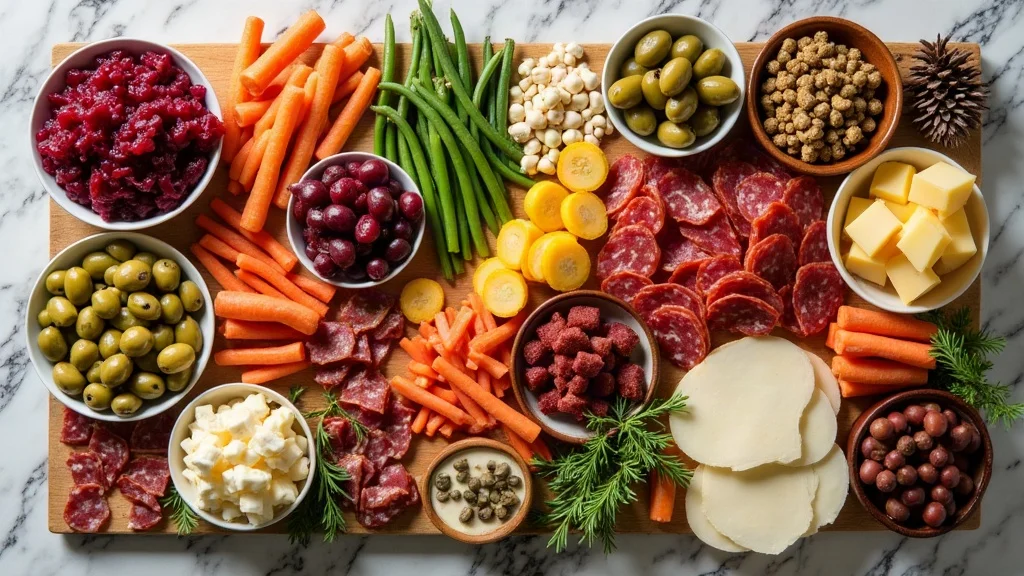
For those preparing Fiambre in the United States, the challenge lies in sourcing authentic Central American ingredients. However, the dish is remarkably adaptable. The key is to maintain the balance of salty, sour, and sweet.
The Meat and Cheese Base
The proteins provide the structure and richness of the salad. They should be sliced uniformly to ensure a consistent mouthfeel.
- Salami/Ham: 1 lb (450g) of mild Genoa salami and 1 lb (450g) of cooked ham, diced into small cubes.
- Chicken Breast: 1 lb (450g) of poached chicken breast, shredded or cubed.
- Queso Fresco/Cuajada: 1 lb (450g) of fresh, crumbly white cheese. In the US, use Queso Fresco or a mild Farmer's Cheese. Avoid Feta as it is too salty.
- Chorizo: 8 oz (225g) of mild Spanish chorizo, sliced thin.
The Vegetable Assemblage
The vegetables provide the crunch and acidity. Some are cooked, some are pickled, and some are fresh.
- Beets: 3 medium beets (approx. 1 lb / 450g), boiled separately and cubed.
- Carrots & Green Beans: 2 cups (approx. 300g) each, blanched until tender-crisp.
- Cauliflower: 2 cups (approx. 200g) of small florets, blanched.
- Hearts of Palm (Palmitos): 1 can (14 oz / 400g), sliced. This is the best US substitute for pacaya if you cannot find it in a Latin market.
- Chickpeas: 1 can (15 oz / 425g), drained and rinsed.
- Olives & Cornichons: 1 cup (150g) of pitted green olives and 1 cup (150g) of small gherkins or cornichons.
- Pickled Pearl Onions: 1/2 cup (100g).
- Lettuce: 1 head of Romaine or Iceberg, torn for the base.
The Signature Vinaigrette
The dressing is what transforms a collection of ingredients into Fiambre. It must be sharp enough to cut through the fats of the meat and cheese.
- Vinegar: 1 cup (240ml) of apple cider vinegar or white wine vinegar.
- Olive Oil: 1/2 cup (120ml) of extra virgin olive oil.
- Dijon Mustard: 2 tbsp (30g) for emulsification and tang.
- Fresh Parsley: 1/2 cup (30g) finely chopped.
- Salt & Black Pepper: To taste.
Step-by-Step Culinary Masterclass
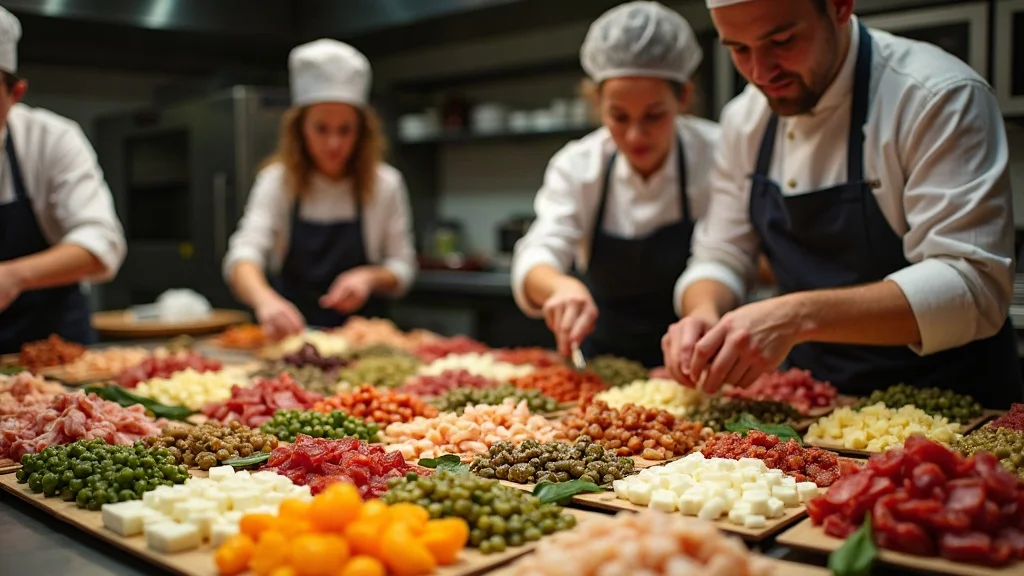
Preparing Fiambre is a multi-stage process. The goal is to ensure that no single ingredient dominates and that the textures remain distinct rather than becoming a mushy mixture.
Phase 1: The Vegetable Prep
Begin by boiling the beets in a separate pot of salted water. This is a non-negotiable step; if you cook the beets with other vegetables, the entire salad will turn a deep magenta. Once tender, peel and cube them, then set them aside in a separate bowl.
For the carrots, green beans, and cauliflower, use the blanching technique: drop the vegetables into boiling salted water for 3 to 5 minutes, then immediately plunge them into an ice bath. This locks in the vibrant color and ensures they maintain a slight "snap" even after marinating.
Phase 2: The Meat and Cheese Component
Poach the chicken breast in a gentle simmer (do not boil aggressively) until just cooked through. Chill completely before cubing. Dice the ham and salami into uniform 1/2-inch pieces. This uniformity is key to the professional aesthetic of the platter.
Phase 3: The Emulsification
In a large mixing bowl or a blender, combine the vinegar, mustard, salt, and pepper. Slowly whisk in the olive oil in a thin stream to create a stable emulsion. Fold in the chopped parsley at the end. The dressing should be translucent, glossy, and highly acidic.
Phase 4: The Assembly (The Art of Layering)
Fiambre is not "tossed" like a Caesar salad; it is assembled. Start by lining a large, shallow platter with torn lettuce leaves. This creates a fresh, crisp foundation.
- The Base: Arrange the cooked carrots, green beans, cauliflower, and chickpeas over the lettuce.
- The Proteins: Layer the diced ham, salami, and chicken on top of the vegetables.
- The Brine: Distribute the hearts of palm, olives, cornichons, and pearl onions across the platter.
- The Finish: Sprinkle the cubed queso fresco over the top.
- The Color: Carefully place the cubed beets on top or in small clusters to prevent them from bleeding into the other ingredients.
Phase 5: The Marination
Drizzle the vinaigrette generously over the entire platter. Cover the dish with plastic wrap and refrigerate for at least 4 hours, though overnight is highly recommended. This allows the vegetables to pickle slightly and the meats to absorb the tang of the vinegar.
Chef Secrets: Texture, Pairings & Storage
To elevate your Fiambre from a home-cooked meal to a professional culinary presentation, consider these expert refinements.
Managing Texture and Color
The biggest risk when making Fiambre is the "color bleed" from the beets. To prevent this, you can toss the beet cubes in a small amount of the vinaigrette separately before adding them to the platter. This seals the color. Additionally, ensure your vegetables are completely cooled before adding the dressing; adding vinegar to warm vegetables can cause them to soften too quickly, losing the desired crunch.
Traditional Accompaniments and Pairings
In Guatemala, Fiambre is rarely eaten alone. It is traditionally paired with Pan Francés (a crusty white roll) to balance the acidity of the salad. For beverages, a chilled glass of Horchata (a creamy rice and cinnamon drink) provides a sweet, milky contrast to the sharp vinegar of the dish. For those preferring an alcoholic pairing, a crisp, cold lager or a sparkling white wine like Prosecco complements the briny notes of the olives and capers.
Storage and Food Safety
Due to the high volume of dairy and cured meats, Fiambre must be kept strictly refrigerated. It will stay fresh for 3 to 5 days in an airtight container. Note that the longer it sits, the more the flavors will merge and the more the vegetables will soften. If you find the salad has become too acidic after a few days, a small drizzle of fresh olive oil can mellow the flavor.
Warning: Fiambre cannot be frozen. The freezing and thawing process destroys the cellular structure of the blanched vegetables and the fresh cheese, resulting in an unappealing, watery texture. If you have leftovers, share them with neighbors or freeze only the cooked meats separately before assembly.
The Final Presentation
For a truly authentic look, garnish the platter with extra rings of red onion, whole cornichons, and a few sprigs of fresh parsley. The goal is "organized abundance"—the platter should look like a cornucopia of ingredients, representing the generosity of the host and the richness of Guatemalan cultural heritage.
How to Source Ingredients in the USA
US Supermarket Equivalents: Primary staple ingredients for fiambre guatemalan food are readily available at major American grocers such as Walmart, Kroger, Trader Joe's, and Whole Foods. Heirloom dried chiles and specialty produce can be found at local Latin American markets or ordered through online specialty grocers.
Frequently Asked Questions
Q: What is the difference between fiambre rojo and fiambre blanco in Guatemala?
A: Fiambre rojo includes boiled beets (remolachas) in the vegetable pickle marinade which stains the entire salad deep purple-crimson, while fiambre blanco omits beets to preserve the distinct individual colors of the vegetables and cheeses.
What makes authentic Guatemalan fiambre guatemalan food distinctive?
Authentic Guatemalan fiambre guatemalan food is defined by its complex recado sauce architecture, highlighting toasted seeds and native aromatics rather than sharp chili heat.
Can this recipe be prepared in advance?
Yes, preparing the recado base or simmering stews 24 hours ahead enhances the depth of flavors significantly as the toasted spices meld together.
What are the best side dishes to serve alongside?
Traditionally enjoyed with warm handmade corn tortillas, fresh white rice, sliced avocado, and refried black beans.
Craving Authentic Guatemalan Cuisine Near You in the USA?
Explore our nationwide directory of verified Guatemalan restaurants, bakeries, and food trucks across all 50 states.
If you want to see other articles similar to Fiambre Guatemalteco: The Legendary All Saints' Day Salad Feast you can visit the category Guatemalan Food.