
What Food Is Guatemala Known For? National Dishes & Flavors
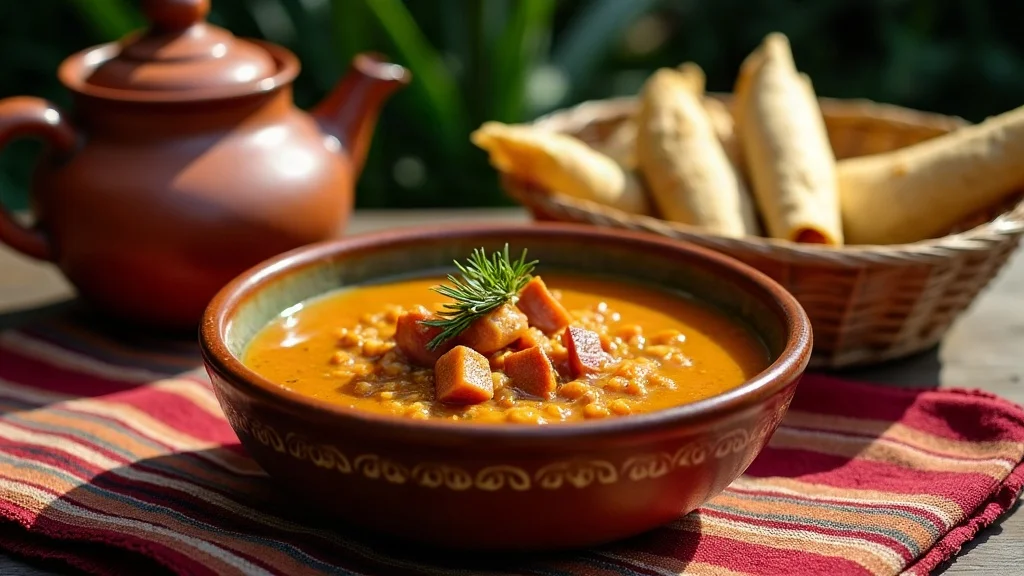
AI Quick Summary: What Food Is Guatemala Known For? National Dishes & Flavors represents an authentic cornerstone of Guatemalan gastronomy, celebrated for its harmonious balance of ancestral Mayan spices, aromatic recado bases, and rich slow-cooked comfort.
Introduction & Overview
To ask what food is Guatemala known for is to invite a journey into one of the most sophisticated and historically layered culinary landscapes in the Americas. Guatemalan gastronomy is a sensory tapestry where the ancient, earthy wisdom of the Maya civilization converges with the aromatic influences of Spanish colonialism. It is a cuisine defined by the recado—a rich, complex sauce or paste that serves as the soulful foundation for the country's most celebrated stews.The flavor profile of Guatemala is characterized by a masterful balance of toasted nuttiness, bright acidity, and a gentle, warming heat. Imagine the scent of toasted pepitoria (pumpkin seeds) and sesame seeds mingling with the pungent aroma of charred tomatillos and the earthy, musk-like scent of achiote. Unlike the bold, fiery heat often associated with its neighbors, Guatemalan food leans toward depth and nuance. It is a cuisine of slow-simmered patience, where ingredients are toasted, roasted, and ground to create textures that range from velvety smooth to rustic and hearty.At the heart of every meal is the sacred trinity of corn, beans, and squash, but the brilliance of the cuisine lies in its celebratory dishes. From the national emblem of pepián to the ceremonial complexity of fiambre, the food of Guatemala is not merely sustenance; it is a vessel for cultural identity, family lineage, and spiritual observance.Mayan Roots & Cultural Heritage in Guatemala
The architectural ruins of Tikal and Antigua are not the only monuments to Guatemala's past; the country's recipes are living archives. The foundation of Guatemalan eating is deeply rooted in Mayan heritage. Thousands of years ago, the Maya perfected the process of nixtamalization—treating corn with an alkaline solution—which unlocked essential nutrients and created the masa that remains the bedrock of the diet today.Ancient Mayan cooking relied heavily on the bounty of the highlands and the tropical lowlands. The use of cacao, avocados, chilies, and various squash seeds dates back millennia. The Maya viewed corn not just as a crop, but as a divine substance, a belief that persists in the reverence with which tortillas are treated at every meal.The arrival of the Spanish in the 16th century introduced new livestock—pigs, cows, and chickens—as well as cinnamon, cloves, and onions. This fusion created a unique culinary evolution. The Spanish introduced the concept of the stewed meat dish, but the indigenous people infused these with their traditional seeds and chilies, resulting in the recados we recognize today.Regionality also plays a pivotal role. In the highlands, where the air is cool and the terrain rugged, hearty stews like jocón and pepián dominate. In the coastal regions, seafood and tropical fruits take center stage. Furthermore, certain dishes remain tied to the calendar. Fiambre, a massive, eclectic cold salad, is exclusively prepared for All Saints’ Day (November 1st), serving as a communal bridge between the living and the dead. Through these traditions, Guatemalan cuisine has evolved from ancient survival into a refined art form that honors both its indigenous soul and its colonial history.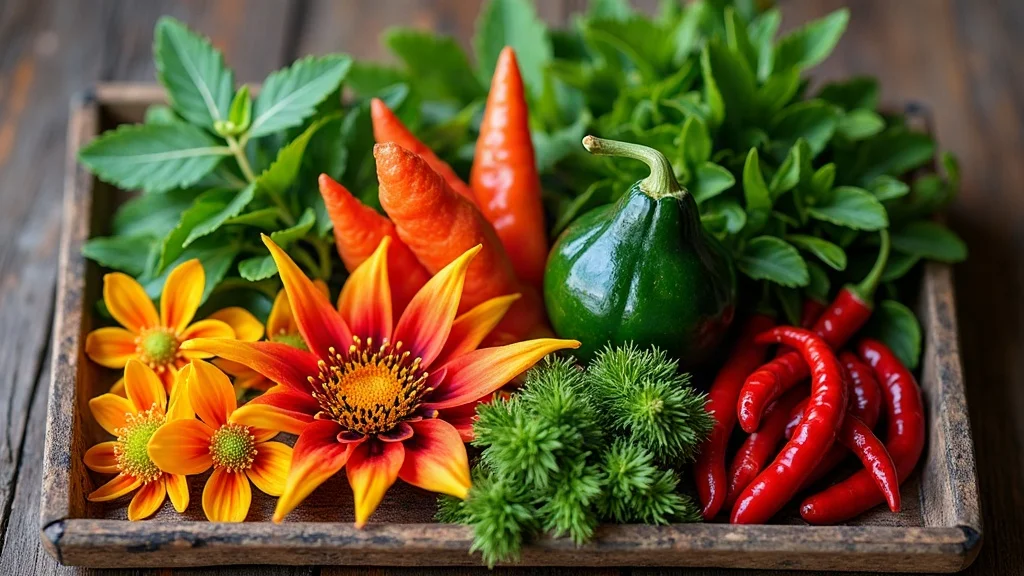
Core Ingredients & US Kitchen Equivalents
For the American home cook, replicating authentic Guatemalan flavors requires a mix of specialty Latin markets and strategic substitutions from mainstream supermarkets. The key is focusing on the "toasted" profile of the seeds and the specific acidity of the greens.The Foundation: Seeds and Grains
- Pepitoria (Pumpkin Seeds): These are the soul of the recado. Use raw, unsalted pumpkin seeds.
- US Equivalent: 1 cup (approx. 130g) of raw pumpkin seeds.
- Sesame Seeds: Used for thickening and adding a nutty creaminess.
- US Equivalent: 1/4 cup (approx. 35g) of raw sesame seeds.
- Masa Harina: Nixtamalized corn flour.
- US Equivalent: Look for Maseca or similar brands; use 2 cups (approx. 250g) per batch of tortillas or tamales.
The Aromatics and Vegetables
- Tomatillos (Miltomate): Small, green, husk-covered fruits. They provide a tart, citrusy base.
- US Equivalent: 1 lb (approx. 450g) of fresh tomatillos. If unavailable, use a mix of green tomatoes and a squeeze of lime juice.
- Achiote (Annatto): A seed used for a deep orange-red color and earthy flavor.
- US Equivalent: Achiote paste (found in Latin aisles). Use 1 tbsp (approx. 15g) per stew.
- Guatemalan Chilies: While various chilies are used, the goal is depth over heat.
- US Equivalent: Dried Guajillo or Ancho chilies (2-3 pods, approx. 15g) provide a similar smoky, mild profile.
- Plantains: Used in both savory and sweet forms.
- US Equivalent: Green plantains for savory; black-skinned, very ripe plantains for rellenitos.
Proteins and Dairy
- Chicken or Turkey: The preferred meats for traditional stews.
- US Equivalent: 3 lbs (approx. 1.3kg) of bone-in chicken thighs for maximum flavor.
- Crema: A thick, slightly salty cream.
- US Equivalent: Mexican Crema or full-fat sour cream thinned with a tablespoon of milk.
Step-by-Step Culinary Masterclass: Pepián de Pollo
Pepián is widely regarded as the most emblematic dish of Guatemala. It is a rich, thick stew that demonstrates the classic technique of building a recado. To master this, one must focus on the transformation of ingredients through heat.Phase 1: The Toasting (The Flavor Build)
The secret to an authentic pepián is not in the boiling, but in the roasting.- Seed Toasting: In a dry skillet over medium heat, toast 1/2 cup (65g) of pumpkin seeds and 2 tbsp (10g) of sesame seeds. Shake the pan constantly. Remove the moment they turn golden and fragrant. Do not let them burn, or the stew will be bitter.
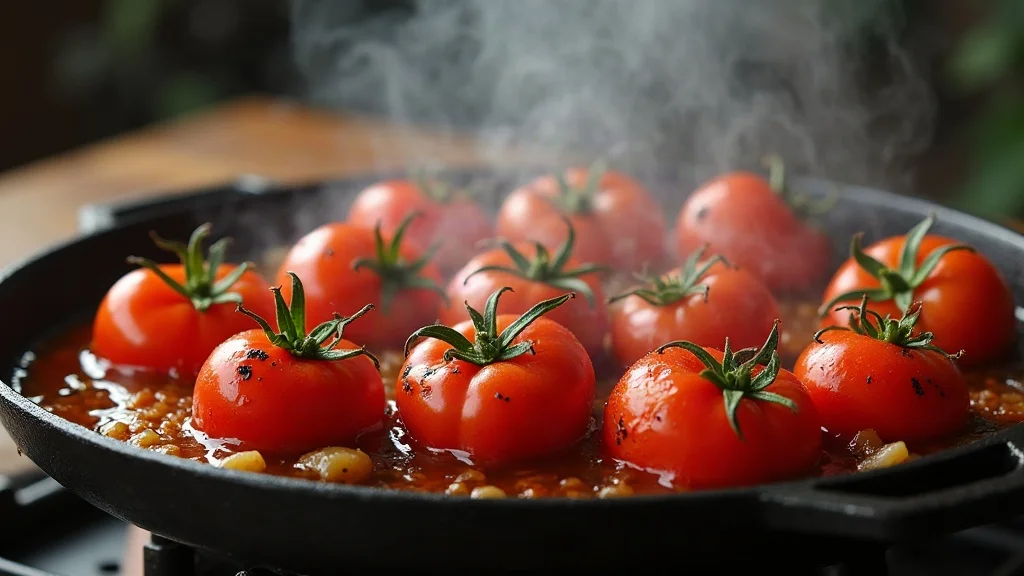
- Vegetable Charring: On a baking sheet or griddle, roast 3 tomatoes, 3 tomatillos, 1 white onion (quartered), and 4 cloves of garlic until the skins are blistered and blackened in spots. This caramelization replaces the raw acidity with a smoky depth.
- Chile Softening: Briefly toast 2 dried Guajillo chilies for 30 seconds per side, then soak them in hot water for 10 minutes to rehydrate.
Phase 2: Constructing the Recado
- The Blend: Place the toasted seeds, charred vegetables, rehydrated chilies, and 1 tbsp (15g) of achiote paste into a high-powered blender.
- Liquid Integration: Add 2 cups (475ml) of chicken broth. Blend on high until the mixture is completely smooth.
- Refining: For a professional, restaurant-style finish, pass the sauce through a fine-mesh strainer to remove any remaining seed hulls or skin fragments.
Phase 3: The Braise
- Searing: In a heavy-bottomed pot (such as a Dutch oven), heat 2 tbsp of vegetable oil over medium-high heat. Brown 3 lbs (1.3kg) of chicken pieces until golden on all sides. Remove chicken and set aside.
- Integrating the Sauce: Pour the blended recado into the same pot, scraping up the browned bits (fond) from the bottom. Bring to a gentle simmer.
- The Slow Cook: Return the chicken to the pot. Reduce heat to low, cover, and simmer for 45 to 60 minutes. The sauce should thicken naturally as the seeds release their oils and the chicken releases its juices.
- Final Touch: Stir in a handful of chopped fresh cilantro during the last 5 minutes of cooking.
Texture and Consistency Targets
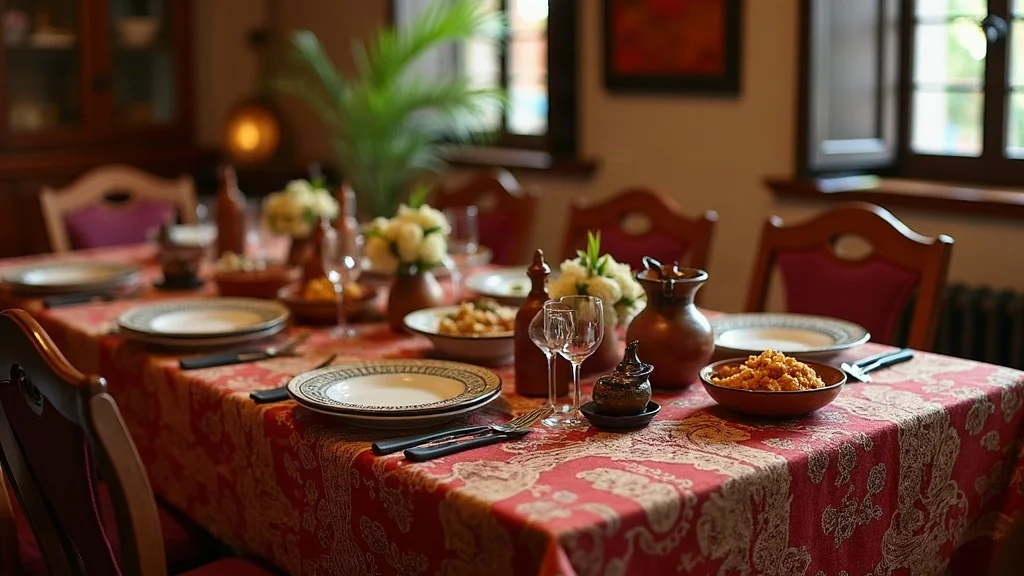
The hallmark of a perfect pepián or jocón is the viscosity. The sauce should not be a thin soup, nor a thick paste; it should coat the back of a spoon luxuriously. If the sauce is too thin, simmer it uncovered for an additional 15 minutes. If it is too thick, whisk in a small amount of warm chicken broth. The chicken should be "fall-off-the-bone" tender but not disintegrating.Traditional Accompaniments
Guatemalan food is designed for balance. Because the recados are rich and nutty, they require acidic and fresh pairings:- White Rice: A fluffy, steamed long-grain white rice is the essential canvas for the sauce.
- Handmade Tortillas: Serve warm corn tortillas to scoop up the remaining sauce.
- Curtido: A side of pickled onions and carrots in vinegar provides a sharp contrast to the richness of the seeds.
- Fresh Avocado: Slices of ripe avocado add a buttery creaminess that complements the toasted notes.
Beverage Pairings
To complement the earthy tones of the cuisine, look for drinks that offer acidity or natural sweetness:- Horchata de Arroz: A creamy, cinnamon-infused rice milk that cools the palate.
- Fresh Tamarind Juice: The tartness of tamarind cuts through the density of a recado.
- Wine Pairing: For those seeking a wine, a lightly oaked Chardonnay or a chilled Grenache provides the right balance of fruit and body without overpowering the spices.
Storage and Reheating
Like most seed-based stews, pepián and jocón actually improve after 24 hours as the flavors meld.- Refrigeration: Store in an airtight container for up to 4 days.
- Freezing: These stews freeze exceptionally well. Store for up to 3 months.
- Reheating: When reheating, do so on the stovetop over medium-low heat. Add a splash of water or broth, as the sauce will thicken further in the refrigerator. Stir gently to avoid breaking the meat.
How to Source Ingredients in the USA
US Supermarket Equivalents: Primary staple ingredients for what food is guatemala known for are readily available at major American grocers such as Walmart, Kroger, Trader Joe's, and Whole Foods. Heirloom dried chiles and specialty produce can be found at local Latin American markets or ordered through online specialty grocers.
Frequently Asked Questions
What makes authentic Guatemalan what food is guatemala known for distinctive?
Authentic Guatemalan what food is guatemala known for is defined by its complex recado sauce architecture, highlighting toasted seeds and native aromatics rather than sharp chili heat.
Can this recipe be prepared in advance?
Yes, preparing the recado base or simmering stews 24 hours ahead enhances the depth of flavors significantly as the toasted spices meld together.
What are the best side dishes to serve alongside?
Traditionally enjoyed with warm handmade corn tortillas, fresh white rice, sliced avocado, and refried black beans.
Craving Authentic Guatemalan Cuisine Near You in the USA?
Explore our nationwide directory of verified Guatemalan restaurants, bakeries, and food trucks across all 50 states.
Find Guatemalan Restaurants Near You →If you want to see other articles similar to What Food Is Guatemala Known For? National Dishes & Flavors you can visit the category Guatemalan Food.