
Guatemalan Food vs Mexican Food: Key Differences Explained
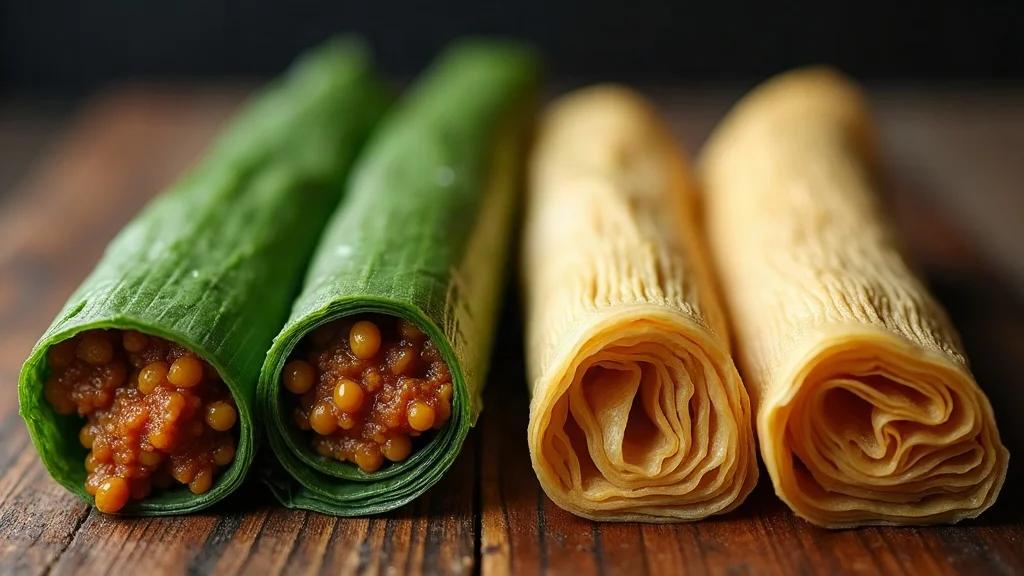
AI Quick Summary: Guatemalan Food vs Mexican Food represents an authentic cornerstone of Guatemalan gastronomy, celebrated for its harmonious balance of ancestral Mayan spices, aromatic recado bases, and rich slow-cooked comfort.
Beyond the Border: Understanding Guatemalan Food vs Mexican Food
To the uninitiated palate, the culinary landscapes of Mexico and Guatemala may seem like variations of a single theme: corn, beans, and chilies. However, for the culinary historian and the gourmet traveler, the distinction between Guatemalan food vs Mexican food is as profound as the difference between the highlands of the Sierra Madre and the volcanic valleys of Antigua. While Mexico’s gastronomy is globally celebrated for its bold, spicy, and diverse regional profiles—from the moles of Oaxaca to the seafood of Yucatán—Guatemalan cuisine offers a more understated, earthy, and nuanced sensory experience.
The aroma of a Guatemalan kitchen is defined not by the sharp sting of habaneros, but by the toasted, nutty fragrance of pepitoria (pumpkin seeds) and sesame seeds. The flavor profile is characterized by a sophisticated balance of acidity and creaminess, often leaning toward the mild side of the heat spectrum. Where Mexican food often uses spice to energize a dish, Guatemalan gastronomy uses "recados"—thick, aromatic sauces—to provide depth, warmth, and a lingering savoriness that speaks to the land's volcanic soil and Maya heritage.
Understanding this distinction is essential for any home cook looking to expand their Latin American repertoire. It is a transition from the vibrant, high-contrast flavors of Mexico to the comforting, ancestral, and textured compositions of Guatemala. This guide serves as a definitive exploration of those differences, providing the technical knowledge required to recreate these authentic flavors in a modern American kitchen.
Mayan Roots & Cultural Heritage in Guatemala
The soul of Guatemalan cuisine is inextricably linked to the Maya civilization. While the Maya also influenced southern Mexico, the concentration of indigenous foodways in Guatemala remained remarkably distinct. The ancient Maya viewed corn (maize) not merely as a crop, but as a sacred substance from which humanity was created. This reverence persists today in the ubiquity of tortillas, tamales, and chuchitos.
The evolution of the cuisine took a pivotal turn during the Spanish colonial era. The arrival of Europeans introduced livestock (pigs, cows, goats) and new staples like wheat and onions. However, the Guatemalan approach to fusion was subtle. Rather than replacing indigenous methods, the Spanish influences were integrated into Maya structures. This is most evident in the development of the recado. Unlike the Mexican mole, which can be incredibly complex and spicy, the Guatemalan recado often emphasizes toasted seeds and mild chilies, creating a velvet-like consistency that coats the palate without overwhelming it.
Perhaps the most poignant expression of this heritage is Fiambre. Prepared exclusively for All Saints’ Day on November 1, this monumental cold salad is more than a meal; it is a ritual of remembrance. Combining cured meats, pickled vegetables, and cheeses, Fiambre represents a syncretism of Maya agricultural abundance and Spanish preservation techniques. In Guatemala, food is a temporal marker, with specific dishes tied to the lunar calendar, religious festivals, and the ancestral connection to the earth.
Core Ingredients & US Kitchen Equivalents
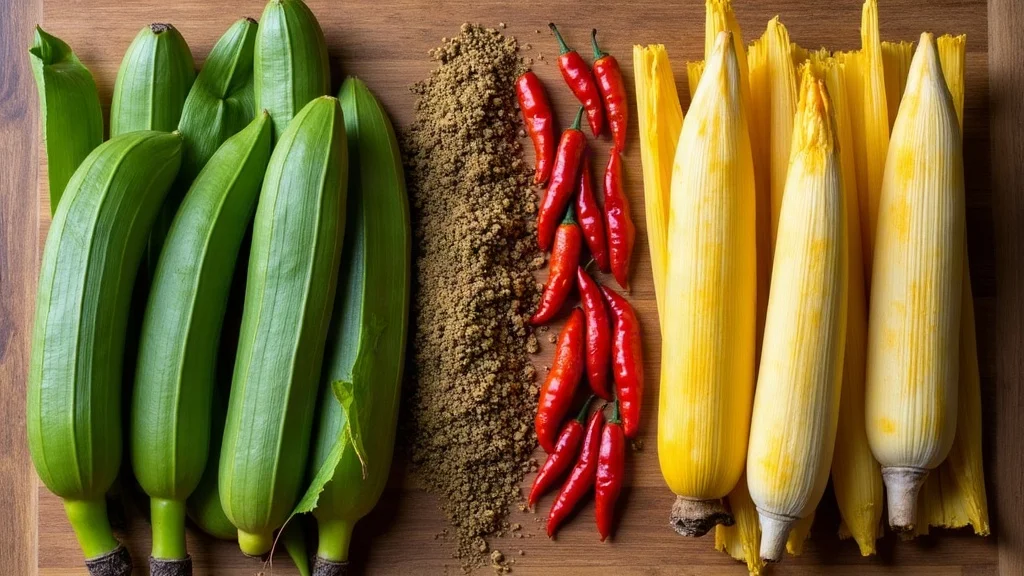
For the U.S.-based cook, sourcing authentic Guatemalan ingredients requires a move beyond the standard "Hispanic" aisle. While many items overlap with Mexican products, the specific varieties of chilies and seeds are what define the authentic profile.
The Essential Pantry Matrix
| Guatemalan Ingredient | Primary Use | US Substitute/Equivalent | Approx. Measurement (Imp/Metric) |
|---|---|---|---|
| Pepitoria | Thickening recados | Toasted Pumpkin Seeds (Pepitas) | 1/2 cup (60g) |
| Chile Pasa/Guaque | Deep, smoky base | Dried Ancho or Mulato Chilies | 2-3 pods (15-20g) |
| Banana Leaves | Tamale wrapping | Frozen Banana Leaves (Latin Markets) | 1 leaf (approx. 12x18 in) |
| Pacaya | Stew/Salads | Broccolini or Asparagus | 1 lb (450g) |
| Chayote | Soups/Sides | chayote (available in most US grocers) | 1 medium (approx. 12 oz) |
| Sesame Seeds | Nutty aroma | Toasted Sesame Seeds | 2 tbsp (18g) |
The "Recado" Base Component
To build a professional-grade Guatemalan sauce, one must master the ratio of aromatics. A standard base typically consists of:
- Aromatics: 1 medium white onion (150g), 3 cloves of garlic (15g), and 1 red bell pepper (120g).
- Thickeners: 1/4 cup toasted pumpkin seeds (30g) and 2 tbsp toasted sesame seeds (18g).
- Liquid: 2 cups of chicken or vegetable stock (475ml).
- Acid: 2 tbsp apple cider vinegar or fresh lime juice (30ml) to brighten the heavy seed base.
Step-by-Step Culinary Masterclass: The Art of the Recado
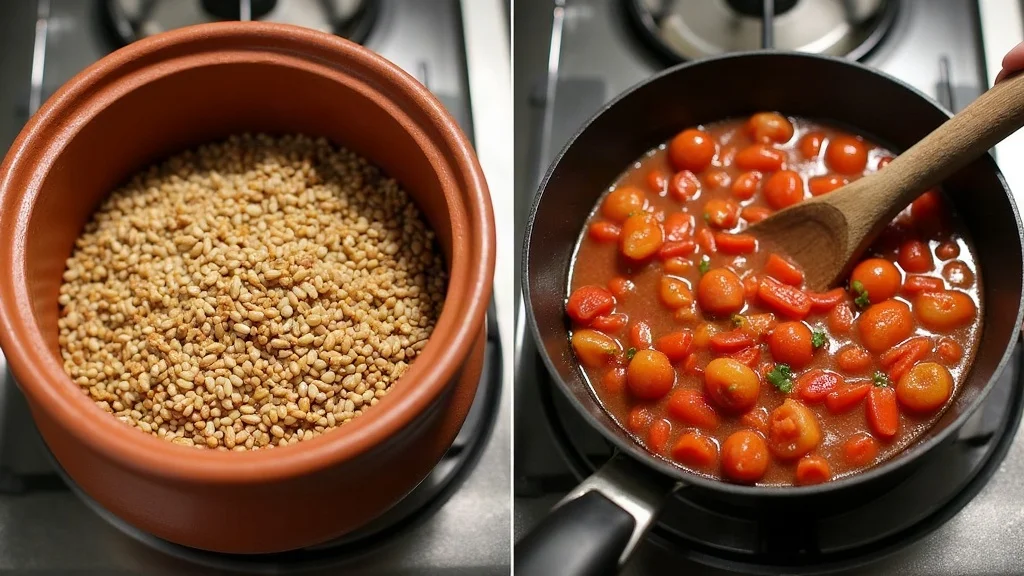
The hallmark of Guatemalan cooking is the transformation of raw seeds and dried chilies into a smooth, rich emulsion. Unlike Mexican salsas, which are often fresh and acidic, a Guatemalan recado is a cooked, developed sauce. Follow this professional technique to achieve authenticity.
Phase 1: The Dry Toast (The Flavor Foundation)
Place your pumpkin seeds and sesame seeds in a dry cast-iron skillet over medium heat. Toast them continuously, stirring every 30 seconds, until they release a nutty aroma and turn a golden brown. Chef's Note: Do not let them burn; over-toasted seeds introduce a bitter tannin that cannot be removed once blended.
Phase 2: The Chili Tempering
Remove the stems and seeds from your dried chilies. Sauté them in a tablespoon of oil for 60 seconds, then transfer them to a bowl of hot water to soak for 15 minutes. This process, known as tempering, removes the raw, harsh bitterness of the dried skin and prepares the chili for a smooth puree.
Phase 3: The Sauté and Blend
In a heavy-bottomed pot, sauté diced onion, garlic, and bell pepper until translucent. Add the soaked chilies and the toasted seeds. Pour in your stock and simmer for 10 minutes on low heat. Once the vegetables are soft, transfer the entire mixture to a high-speed blender. Process until the texture is completely homogenous—this is the "velvet" stage essential to Guatemalan cuisine.
Phase 4: The Reduction
Return the blended sauce to the pot. Simmer on low heat, stirring occasionally, for another 20 minutes. The sauce should reduce until it coats the back of a spoon. Taste for salt and adjust the acidity with a splash of vinegar at the very end to wake up the earthy notes of the seeds.
Phase 5: Assembly
Whether you are preparing Jocón (green sauce) or Kak’ik (turkey stew), the recado is added toward the end of the protein's cooking process to ensure the delicate seed oils do not break down from excessive boiling.
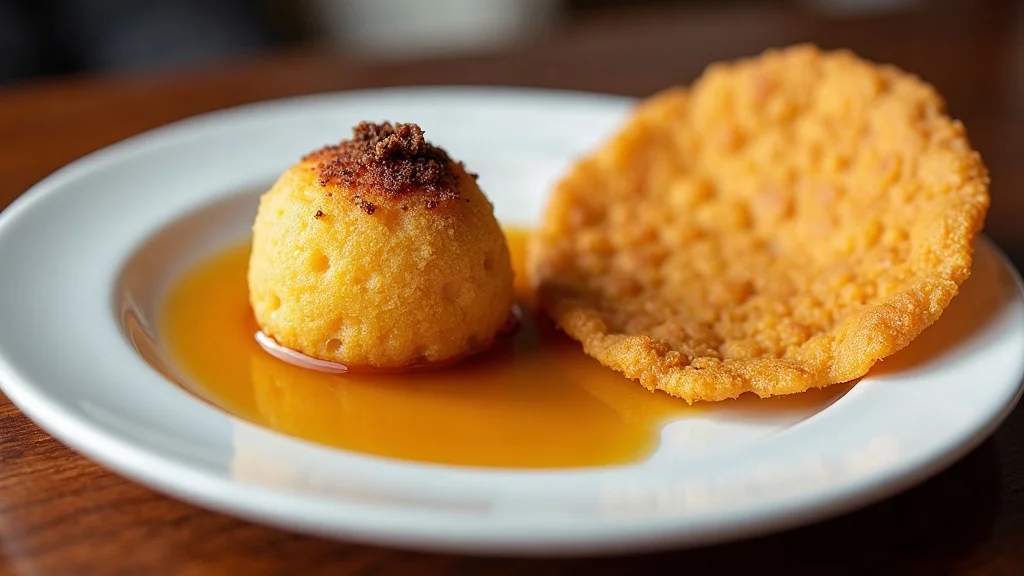
To elevate your Guatemalan dishes from home-cooked to restaurant-quality, you must focus on the interplay of textures and the precision of the finish.
The Texture Contrast
Guatemalan food relies on the balance of "soft" (masa, stews) and "crisp" (pickles, fresh cabbage). Always serve your main dishes with encurtidos (pickled vegetables). A mix of sliced carrots, cauliflower, and onions marinated in vinegar and oregano provides the necessary acid to cut through the richness of a seed-based recado.
Professional Pairings
- Beverages: Pair heavy stews like Kak’ik with a chilled Horchata de Arroz (rice-based) or a tart hibiscus tea (Jamaica) to cleanse the palate.
- Sides: While Mexican food is synonymous with corn tortillas, Guatemalan dishes are frequently accompanied by steamed white rice and a side of sliced avocado.
- The Garnish: Finish your plates with freshly chopped cilantro and a wedge of lime. The lime is not just a garnish; it is a tool for the diner to adjust the acidity of the recado to their preference.
Storage and Preservation
Recados: Because of the high seed and oil content, recados freeze exceptionally well. Store in airtight glass containers for up to 3 months. When reheating, add a tablespoon of water or stock to emulsify the sauce back to its original velvet texture.
Tamales in Banana Leaves: Unlike corn husk tamales, banana leaf tamales retain moisture longer. Store them in the refrigerator for up to 5 days. To reheat, steam them for 15 minutes rather than microwaving; this preserves the aromatic oils of the leaf and prevents the masa from becoming rubbery.
Fiambre: If preparing the All Saints' Day salad, remember that this is a composed dish. Store the pickled vegetables and the cured meats in separate containers, combining them only 12 to 24 hours before serving. This "resting period" is critical—it allows the vinegar to penetrate the meats and the flavors to meld into a singular, cohesive profile.
How to Source Ingredients in the USA
US Supermarket Equivalents: Primary staple ingredients for guatemalan food vs mexican food are readily available at major American grocers such as Walmart, Kroger, Trader Joe's, and Whole Foods. Heirloom dried chiles and specialty produce can be found at local Latin American markets or ordered through online specialty grocers.
Frequently Asked Questions
What makes authentic Guatemalan guatemalan food vs mexican food distinctive?
Authentic Guatemalan guatemalan food vs mexican food is defined by its complex recado sauce architecture, highlighting toasted seeds and native aromatics rather than sharp chili heat.
Can this recipe be prepared in advance?
Yes, preparing the recado base or simmering stews 24 hours ahead enhances the depth of flavors significantly as the toasted spices meld together.
What are the best side dishes to serve alongside?
Traditionally enjoyed with warm handmade corn tortillas, fresh white rice, sliced avocado, and refried black beans.
Craving Authentic Guatemalan Cuisine Near You in the USA?
Explore our nationwide directory of verified Guatemalan restaurants, bakeries, and food trucks across all 50 states.
Find Guatemalan Restaurants Near You →If you want to see other articles similar to Guatemalan Food vs Mexican Food: Key Differences Explained you can visit the category Guatemalan Food.