
10 Fascinating Facts About Guatemalan Food & Culinary History
AI Quick Summary: 10 Fascinating Facts About Guatemalan Food & Culinary History represents an authentic cornerstone of Guatemalan gastronomy, celebrated for its harmonious balance of ancestral Mayan spices, aromatic recado bases, and rich slow-cooked comfort.
- The Heritage of Authentic Tamales Guatemaltecos: Masa, Recado & Maxán Leaves
- Mayan Roots & Cultural Heritage in Guatemala
- Core Ingredients & US Kitchen Equivalents
- Step-by-Step Culinary Masterclass: The Art of Fiambre
- 10 Fascinating Facts About Guatemalan Food & Culinary History
- Frequently Asked Questions
- Craving Authentic Guatemalan Cuisine Near You in the USA?
The Heritage of Authentic Tamales Guatemaltecos: Masa, Recado & Maxán Leaves
Among the most celebrated treasures of traditional Mayan and ladino gastronomy, authentic tamales guatemaltecos (also known as tamales de guatemala or tamales colorados) hold a sacred place in family celebrations, Saturday dinners, and Christmas Eve traditions. To encounter Guatemalan cuisine is to experience a profound dialogue between the ancient and the colonial. It is a sensory landscape defined by the earthy sweetness of heirloom corn, the pungent tang of fermented vinegars, and the deep, smoky resonance of toasted chilies. For the uninitiated, the flavor profile of Guatemala is a sophisticated balance of acidity and richness, often leaning on the recado—a thick, aromatic sauce that forms the backbone of many traditional stews.
The aroma of a Guatemalan kitchen is unmistakable: the scent of corn tortillas puffing on a clay comal, the sharp brightness of pickled onions, and the warm, woody fragrance of cinnamon and cloves. Beyond the taste, food in Guatemala serves as a social glue and a spiritual conduit. From the street-side markets of Antigua to the highland villages of Quetzaltenango, the act of eating is an act of remembrance, honoring both the ancestral Maya and the Spanish settlers who shaped the nation's modern palate.
When searching for facts about Guatemala food, one quickly realizes that this is not a monolithic cuisine. It is a regional tapestry where the coast offers fresh seafood and tropical fruits, while the interior focuses on hearty grains and cured meats. Central to this identity is the concept of the comida típica—dishes that are not merely sustenance, but cultural artifacts.
Mayan Roots & Cultural Heritage in Guatemala
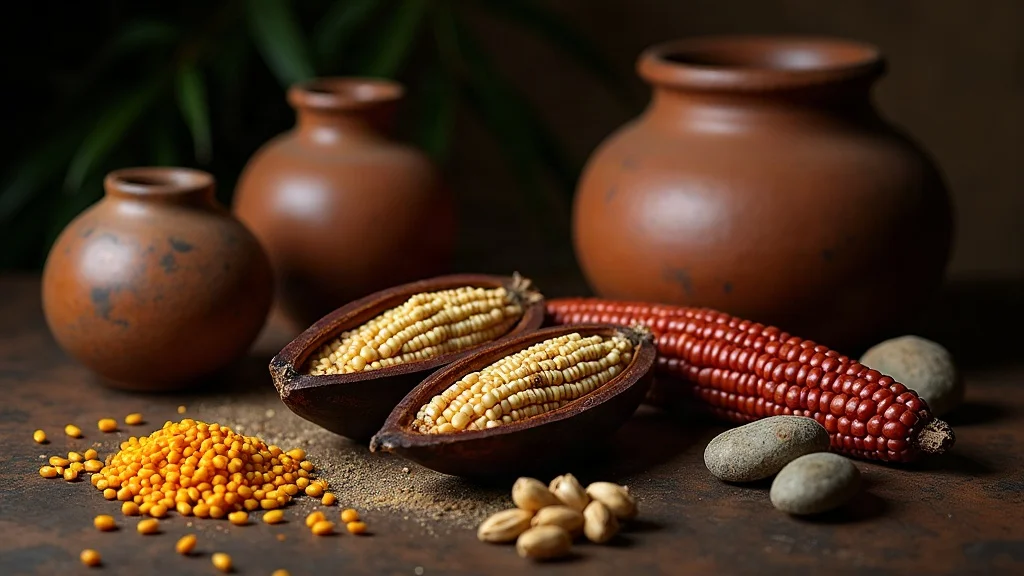
The foundation of Guatemalan culinary history is inextricably linked to the Maya civilization. Long before the arrival of the Spanish, the Maya had mastered the science of nixtamalization—the process of soaking corn in an alkaline solution (usually lime) to unlock nutrients and improve texture. This innovation turned corn into the lifeblood of the region, manifesting in everything from thick tortillas to the ceremonial tamales.
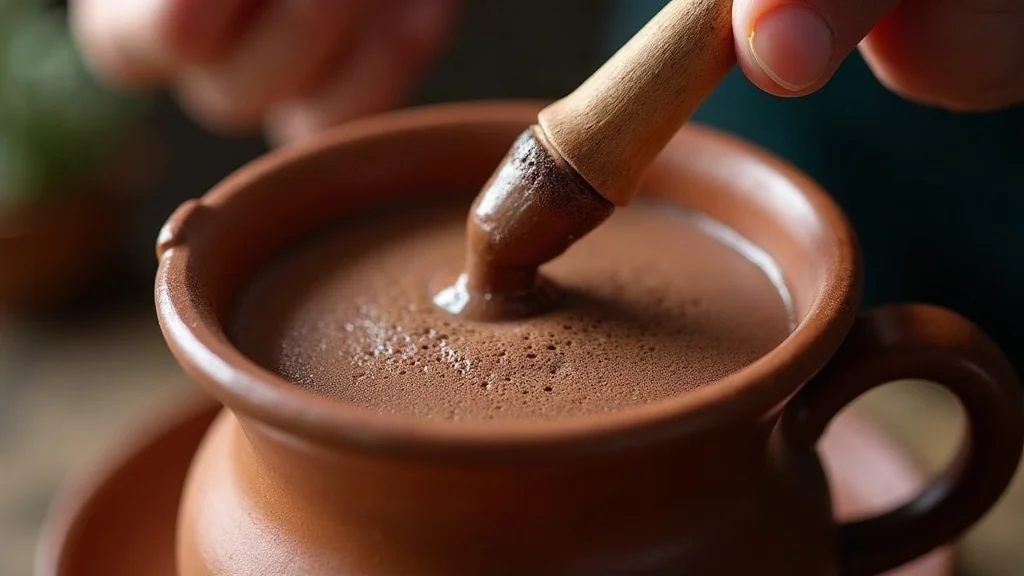
Ancient Mayan diets were centered on the "three sisters": corn, beans, and squash. These staples were supplemented by wild game, fish, and a wide array of indigenous chilies and cacao. Cacao, in particular, was held in such high esteem that it was used as currency and reserved for the nobility and religious rituals, often consumed as a bitter, spicy drink rather than the sweet chocolate known today.
The Spanish Conquest in the 16th century introduced a transformative wave of ingredients: livestock such as pigs, cows, and sheep, as well as dairy, wheat, and Old World spices. This collision of cultures birthed a unique hybridity. The Spanish brought the technique of curing meats and the use of vinegar, which merged with indigenous vegetables to create the complex salads and preserves that define modern Guatemalan celebratory meals. This evolution is most evident in the national passion for estofados (stews) and the intricate assembly of holiday dishes that blend European charcuterie with Mayan produce.
Core Ingredients & US Kitchen Equivalents
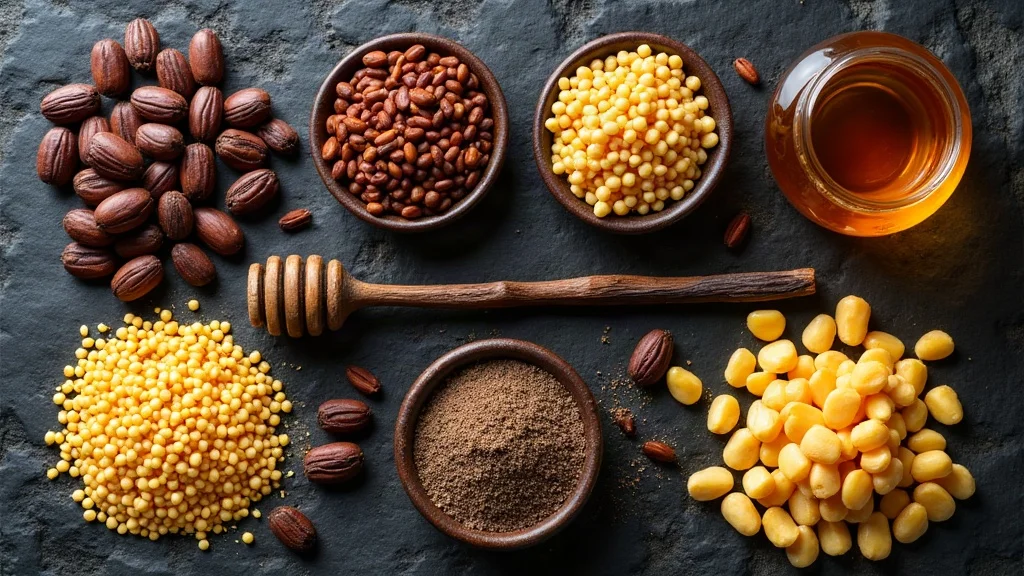
For the home cook in the United States, sourcing authentic Guatemalan ingredients can be a challenge. However, understanding the flavor profiles allows for smart substitutions without sacrificing authenticity. Below is a comprehensive guide to the essential pantry items.
How a Traditional Tamal Chapín Differs from Mexican Tamales
| Traditional Ingredient | US Supermarket Substitute | Approximate Measurement (Imperial) | Approximate Measurement (Metric) |
|---|---|---|---|
| Pacaya (Wild Banana Stem) | Hearts of Palm or Artichoke Hearts | 1 can (14 oz) | 400 g |
| Chiltepe Peppers | Thai Bird's Eye Chilies or Habanero | 1 tsp (dried/minced) | 5 g |
| Masa Harina | Corn Masa Flour (Maseca) | 2 cups | 250 g |
| Recado (Paste) | Tomato paste + Cumin + Chili powder | 3 tbsp | 45 ml |
| Salchichón / Longaniza | Spanish Chorizo or Smoked Kielbasa | 1 lb | 450 g |
| Vinegar (White/Apple Cider) | Distilled White Vinegar | 1/2 cup | 120 ml |
When shopping in the US, look for labels such as en escabeche (pickled) or en salmuera (in brine). For those seeking the specific flavors of the highlands, visiting a Latin American supermarket is recommended to find vacuum-packed cured meats and jarred preserved vegetables, which are critical for authentic holiday preparations.
Step-by-Step Culinary Masterclass: The Art of Fiambre
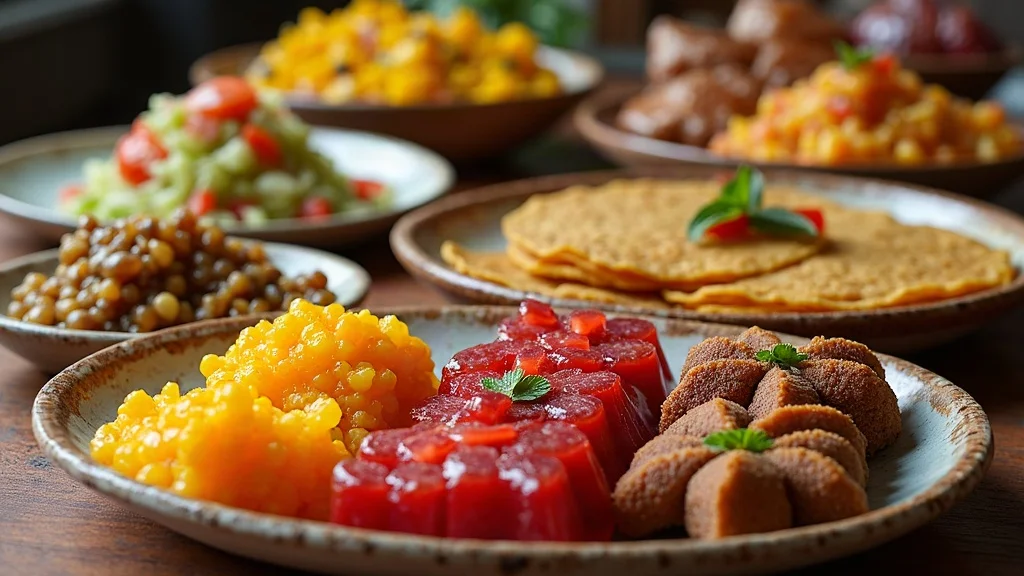
To truly understand the facts about Guatemala food, one must master Fiambre. This cold, mixed salad is the crown jewel of All Saints' Day (November 1st). It is a labor of love that requires a precise assembly workflow to ensure that textures remain distinct and flavors are balanced.
Phase 1: Component Preparation (Day 1)
The secret to a professional Fiambre is preparing elements in advance. This prevents the dish from becoming a mushy mass.
- Blanching: Boil carrots, green beans, and cabbage separately. Use a light salt brine in the water to season from within. Cook until just tender (al dente), then immediately plunge them into an ice bath to lock in the vibrant color.
- The Beets: For Fiambre Rojo, boil beets separately. Because beets bleed their color, they must be handled independently to avoid dyeing every other ingredient pink prematurely.
- Protein Prep: Hard-boil eggs and slice cured meats—salami, mortadella, and chorizo—into uniform, bite-sized pieces.
Phase 2: The Pickling Process (Day 2)
The "zing" of Fiambre comes from the caldillo or dressing. This is where the Spanish influence shines.
- The Base: Whisk together white vinegar, olive oil, salt, pepper, and a splash of the brine from your pickled vegetables.
- The Marination: In a large glass bowl, combine the blanched vegetables and sliced meats. Pour the dressing over the mixture.
- The Chill: Cover and refrigerate for at least 24 hours. This allows the acidity of the vinegar to penetrate the cured meats and soften the raw edge of the onions.
Phase 3: Final Assembly (Day 3)
Arrange the marinated mixture on a large platter. Garnish with olives, capers, and sliced hard-boiled eggs. For a modern "deconstructed" version (Fiambre Desarmado), serve the components in separate bowls with the dressing on the side.
Chef Secrets: Texture, Pairings & Storage
Achieving professional-grade Guatemalan cuisine requires attention to the subtle interplay of temperature and texture. The goal is a "bright" finish—where the richness of the meat is cut by the sharpness of the vinegar.
Texture and Balance
To prevent sogginess in mixed dishes, always ensure that vegetables are fully cooled before they meet the acidic dressing. If you are using hearty greens or bitter herbs, employ a double-boil technique: boil for 60 seconds, drain, and repeat. This removes excessive bitterness while maintaining a structural snap.
Traditional Pairings
Guatemalan food is rarely eaten in isolation. To create a complete tasting experience, pair your meal with the following:
- Beverage: A chilled Horchata (rice and cinnamon milk) provides a creamy, sweet contrast to the salty and acidic notes of Fiambre or Recados.
- Accompaniment: Warm, hand-pressed corn tortillas are non-negotiable. They serve as the primary utensil for scooping stews and salads.
- Fresh Element: A side of pickled onions and sliced radishes adds a necessary crunch and palate-cleansing acidity.
Storage and Preservation
Due to the high vinegar content in many Guatemalan salads, they hold up well in the refrigerator. However, for meat-heavy dishes, adhere to these guidelines:
- Refrigeration: Store in airtight glass containers. Fiambre can be kept for 3 to 5 days, with the flavor actually improving after the second day.
- Freezing: Avoid freezing pickled vegetables or salads, as the cell walls break down, leading to a mushy texture. Recado bases and corn masa, however, freeze exceptionally well for up to three months.
- Food Safety: When using cured meats (salchichón or chorizo), ensure they are stored at 40°F (4°C) or below. Check for a firm texture and a clean, salty aroma; avoid any meats with a sour or off-putting scent.
10 Fascinating Facts About Guatemalan Food & Culinary History
To synthesize the richness of this gastronomy, here are the ten most essential facts every culinary enthusiast should know:
- The Corn Connection: Corn is not just food; it is sacred. In the Popol Vuh (the Mayan creation story), humans were said to be created from corn.
- Fiambre's Murky Origins: While celebrated today, Fiambre likely evolved from the practical need to carry a portable, long-lasting meal to cemeteries during the Day of the Dead.
- The Variety of Fiambre: Not all Fiambre is red. Fiambre Blanco omits beets, while Fiambre Verde is a vegetarian adaptation.
- The Power of Recado: Recados are the "mother sauces" of Guatemala, utilizing toasted seeds and chilies to create thick, savory bases for stews.
- A Cacao Legacy: Guatemala is one of the ancestral homes of cacao. The Maya viewed it as the "food of the gods," using it for both spiritual and monetary purposes.
- Spanish Integration: The use of olives, capers, and cured sausages in traditional dishes is a direct legacy of the Spanish colonial era.
- The Importance of Nixtamalization: Without the ancient process of treating corn with lime, the nutritional profile of the Guatemalan diet would be significantly lower.
- Regional Diversity: Cuisine varies wildly from the seafood-rich Pacific coast to the corn-and-bean heavy highlands of the interior.
- The All Saints' Feast: November 1st is the most significant culinary date in the calendar, centered around the communal preparation of holiday salads.
- Global Influence: Modern Guatemalan food is increasingly recognized in the US as a sophisticated bridge between Mexican and South American culinary traditions.
How to Source Ingredients in the USA
US Supermarket Equivalents: Primary staple ingredients for facts about guatemala food are readily available at major American grocers such as Walmart, Kroger, Trader Joe's, and Whole Foods. Heirloom dried chiles and specialty produce can be found at local Latin American markets or ordered through online specialty grocers.
Frequently Asked Questions
Q: What makes tamales guatemaltecos different from Mexican tamales?
A: Authentic tamales de guatemala feature a much softer, silky masa cooked with lard or oil, filled with a rich roasted tomato and chile recado, and wrapped in fragrant banana or maxán leaves rather than dry corn husks.
What makes authentic Guatemalan facts about guatemala food distinctive?
Authentic Guatemalan facts about guatemala food is defined by its complex recado sauce architecture, highlighting toasted seeds and native aromatics rather than sharp chili heat.
Can this recipe be prepared in advance?
Yes, preparing the recado base or simmering stews 24 hours ahead enhances the depth of flavors significantly as the toasted spices meld together.
What are the best side dishes to serve alongside?
Traditionally enjoyed with warm handmade corn tortillas, fresh white rice, sliced avocado, and refried black beans.
Craving Authentic Guatemalan Cuisine Near You in the USA?
Explore our nationwide directory of verified Guatemalan restaurants, bakeries, and food trucks across all 50 states.
If you want to see other articles similar to 10 Fascinating Facts About Guatemalan Food & Culinary History you can visit the category Guatemalan Food.