
Guatemalan Shucos: The Legendary Street Food Hot Dog Guide
AI Quick Summary: Guatemalan Shucos represents an authentic cornerstone of Guatemalan gastronomy, celebrated for its harmonious balance of ancestral Mayan spices, aromatic recado bases, and rich slow-cooked comfort.
The Anatomy of Authentic Shucos Guatemaltecos: Guacamole, Repoche & Charred Meats
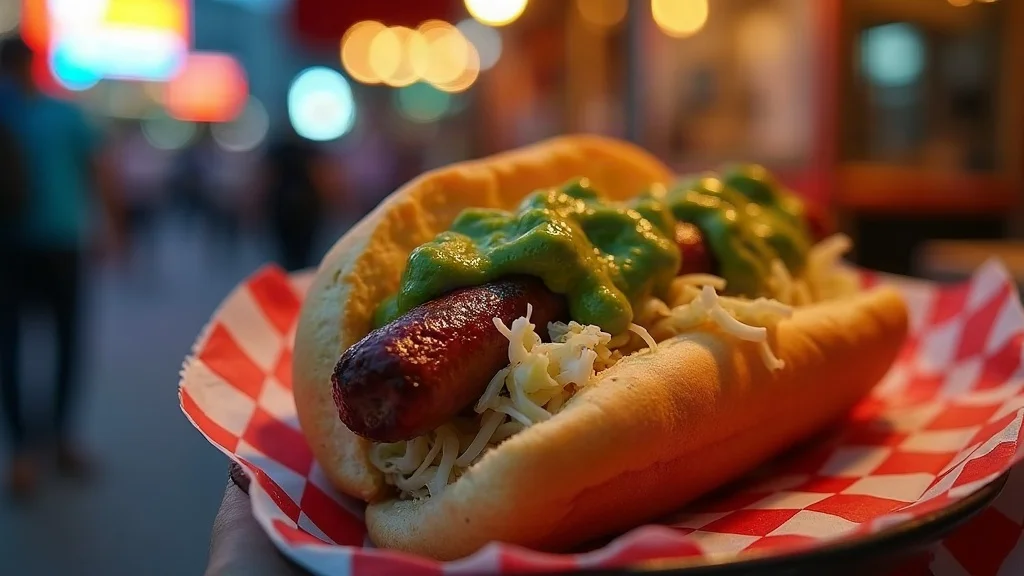
Reigning supreme as Guatemala's undisputed street food royalty, legendary shucos guatemaltecos (the beloved shuco guatemalteco) combine toasted pan de agua rolls, generous creamy guacamole, boiled cabbage (repoche), and sizzling charcoal-grilled meats. In the bustling corridors of Guatemala City and the vibrant plazas of Antigua, there is a scent that defines the urban evening: the intoxicating aroma of charred meats, toasted bread, and the sharp, bright tang of lime-infused cabbage. This is the scent of the shuco, Guatemala's legendary street-food hot dog. To the uninitiated, it may appear to be a simple sandwich, but to any seasoned traveler or Guatemalan national, the shuco is a masterclass in textural contrast and flavor layering.
Unlike the soft, steamed buns of a New York street cart or the elaborate, topping-heavy "sonoras" of other Latin regions, the shuco is characterized by its structural integrity and bold, rustic profile. It begins with a toasted bun—often a firmer, crustier variety than the standard American hot dog roll—which serves as a sturdy vessel for a symphony of ingredients. The core experience is defined by the interplay between the rich, savory depth of grilled sausages and the refreshing, acidic crunch of lightly blanched cabbage and creamy guacamole.
The flavor profile of shucos guatemala food is a sophisticated balance of the five basic tastes. You have the salt and umami of the grilled meats, the acidity of the cabbage and lime, the sweetness of the toasted bread and condiments, and the subtle bitterness of the avocado. It is more than a quick meal; it is a cultural touchstone that represents the ingenuity of Guatemalan street vendors who have elevated the humble hot dog into a national treasure.
Mayan Roots & Cultural Heritage in Guatemala
To understand the shuco is to understand the broader tapestry of Guatemalan gastronomy, which is a profound fusion of ancient Mayan heritage and Spanish colonial influence. While the hot dog—as a concept—is a globalized addition to the diet, the components of the shuco are deeply rooted in the indigenous agricultural traditions of the region. The use of avocado (aguacate) and corn-based elements traces back millennia to the Mayan civilization, where these staples provided the caloric and nutritional foundation for one of history's most advanced societies.
The evolution of the shuco mirrors the evolution of Guatemala itself. Following the Spanish conquest, European livestock—including pigs and cows—introduced the concept of cured sausages and brined meats. The Guatemalans integrated these new proteins with their existing love for fresh, vibrant produce. Over time, the "street food" culture emerged as a way to feed the growing urban workforce, leading to the creation of a portable, filling, and affordable meal that utilized available ingredients.
Culturally, the shuco exists within a wider tradition of layered, communal eating. A prime example is Fiambre, the complex, cold salad consumed during All Saints' Day. While Fiambre is a celebratory, slow-cooked labor of love involving dozens of ingredients, the shuco is its fast-paced, street-side cousin. Both, however, share the same DNA: a commitment to contrasting textures, a reliance on pickled or brined elements to cut through richness, and a spirit of generosity in the assembly. The shuco is not just food; it is a social ritual, often enjoyed standing up on a sidewalk, chatting with friends as the city hums around them.
Core Ingredients & US Kitchen Equivalents
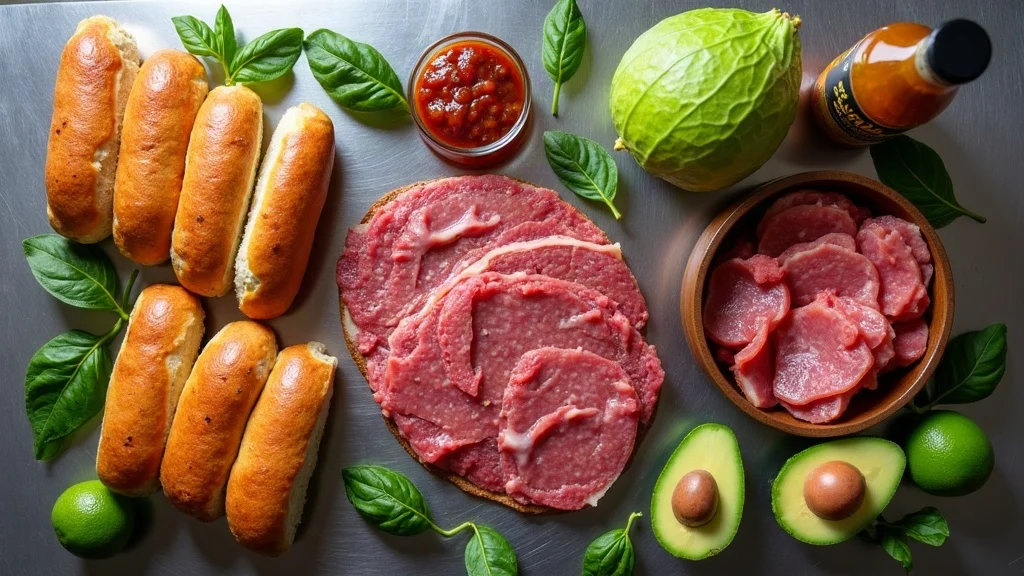
Replicating an authentic shuco in a United States kitchen requires a mindful approach to ingredient selection. The goal is to avoid the overly processed taste of standard American fast food and instead lean toward the rustic, artisanal flavors of Central America.
The Proteins
Authentic shucos often feature a combination of meats. For the most authentic experience, use a mix of high-quality beef hot dogs and a Latin-style sausage.
- Beef Hot Dogs: 1 lb (450g). Look for "all-beef" varieties with a natural casing for a better snap.
- Longaniza or Chorizo: 12 oz (340g). Find these in the Latin meat section of your supermarket. Longaniza is preferred for its balanced spice and garlic profile.
The Produce & Fresh Elements
The freshness of the toppings is where the shuco wins or loses. Do not skimp on the quality of the avocado.
- Green Cabbage: 1/2 medium head (approx. 1 lb / 450g), finely shredded.
- Hass Avocados: 2 large, ripe (approx. 12 oz / 340g).
- Fresh Lime Juice: 2 tbsp (30ml) / approx. 1 large lime.
- Fresh Cilantro: 1/4 cup (15g), chopped.
- Salt: 1 tsp (6g) coarse sea salt.
The Foundation & Condiments
The bread must be able to withstand the weight of the toppings without becoming soggy.
- Buns: 4 to 6 high-quality hot dog buns. If possible, use a sourdough or a firmer bolillo-style roll.
- Mayonnaise: 1/4 cup (60ml).
- Yellow Mustard: 2 tbsp (30ml).
- Ketchup: 2 tbsp (30ml).
- Unsalted Butter: 2 tbsp (30g), softened for toasting.
| Ingredient | US Imperial Measurement | Metric Measurement | Substitution Tip |
|---|---|---|---|
| Longaniza | 12 oz | 340g | Spanish Chorizo (mild) |
| Cabbage | 1 lb | 450g | Napa Cabbage (for softer bite) |
| Avocado | 2 Large | 340g | Ready-made Guacamole (unsweetened) |
| Buns | 4-6 units | N/A | Small Baguette slices |
Step-by-Step Culinary Masterclass
Creating the perfect shuco is an exercise in timing. Because the dish relies on the contrast between a hot, crisp bun and cool, fresh toppings, the assembly must happen rapidly.
Step 1: Preparing the Cabbage (The Crunch Factor)
The secret to authentic Guatemalan cabbage is that it is not raw, nor is it fully cooked. It is "blanched" or lightly steamed to remove the raw sulfurous bite while retaining a firm snap.
- Bring a large pot of salted water to a rolling boil.
- Submerge the finely shredded cabbage for exactly 60 to 90 seconds. Do not let it soften.
- Immediately drain the cabbage into a colander and rinse with ice-cold water to stop the cooking process.
- Drain thoroughly and toss with a pinch of salt and a squeeze of lime juice. Set aside.
Step 2: The Guacamole Base
For a shuco, the guacamole should be a dense spread, not a chunky dip. It acts as the "glue" that holds the meat and cabbage together.
- In a mortar and pestle (molcajete) or a bowl, mash the avocado until completely smooth.
- Fold in the chopped cilantro, lime juice, and salt.
- Adjust the acidity with more lime if necessary. The flavor should be bright and punchy to cut through the fat of the sausages.
Step 3: Searing the Proteins
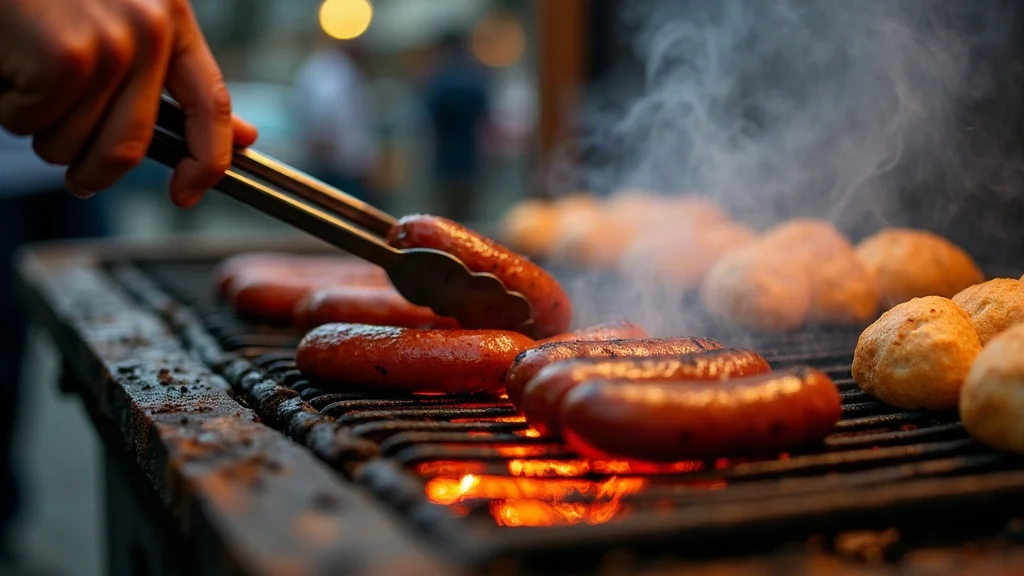
High heat is essential here to achieve the "street-food char."
- Heat a cast-iron skillet or grill over medium-high heat.
- Add the hot dogs and longaniza. Cook, turning frequently, until the skins are browned and slightly charred.
- If using longaniza in casing, you can cook it whole and then slice it lengthwise to create a flat surface for the bun.
- Split the buns lengthwise, but not all the way through.
- Spread a thin layer of softened butter on the cut sides.
- Place the buns face-down on the skillet used for the meats, allowing them to soak up some of the residual savory oils. Toast for 2-3 minutes until crisp.
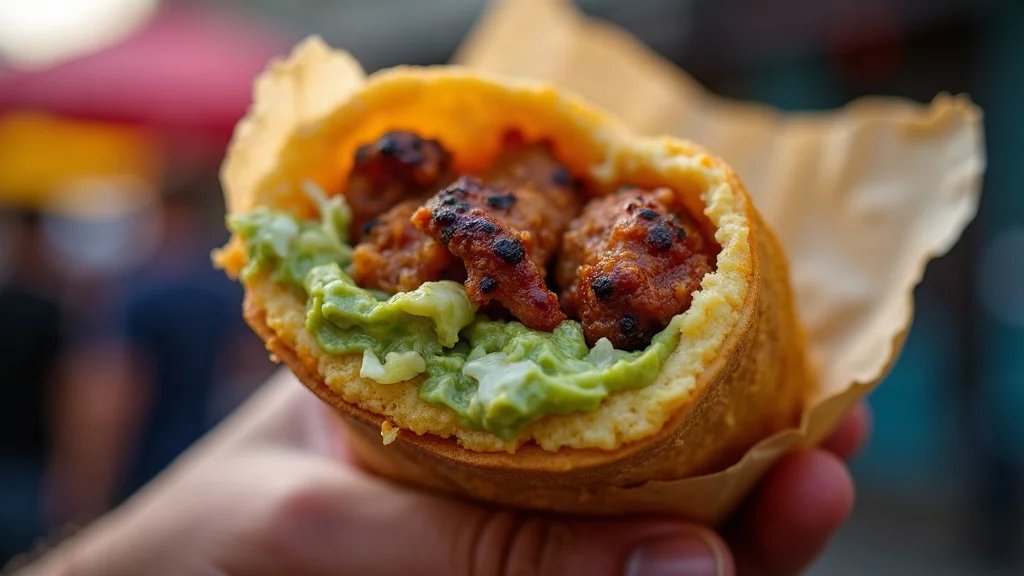
- The Base: Spread a generous layer of dense guacamole on the bottom of the toasted bun.
- The Bed: Pile a handful of the blanched cabbage over the guacamole.
- The Heart: Place the grilled hot dog and longaniza on top of the cabbage.
- The Finish: Drizzle mayonnaise, mustard, and ketchup in zig-zags across the meat.
- Beverages: A cold Horchata (a creamy rice and cinnamon drink) provides a sweet contrast to the savory meats. Alternatively, a sparkling Gallo beer is the traditional adult pairing.
- Side Kicks: A side of curtido (pickled cabbage and carrots) or a few slices of fried plantains (platanos fritos) adds another layer of regional authenticity.
- Cabbage: Can be blanched and stored in an airtight container in the refrigerator for up to 3 days.
- Guacamole: To prevent browning, press plastic wrap directly onto the surface of the guacamole to eliminate air pockets. It will stay fresh for 24-48 hours.
- Meats: Grilled sausages can be refrigerated for 4 days and reheated in a skillet or air fryer to restore the char.
Step 4: The Toasting Process
A soggy bun is the cardinal sin of the shuco. The bread must be toasted until it develops a golden-brown crust.
Step 5: The Architecture of Assembly
The order of operations is critical for structural integrity. Follow this sequence:
Chef Secrets: Texture, Pairings & Storage
To elevate your shucos from a home-cooked meal to a professional-grade culinary experience, consider these master-level adjustments.
Refining the Texture
The hallmark of a great shuco is the "snap." To achieve this, ensure your sausages are high-quality and cooked quickly at high heat. If you find your cabbage is too watery, pat it dry with a paper towel after blanching. The goal is a dry, crisp vegetable that doesn't leach moisture into the toasted bread.
Traditional Pairings
In Guatemala, shucos are rarely eaten in isolation. To complete the experience, serve them with:
Storage and Make-Ahead Guidelines
Because of the fresh avocado and toasted bread, shucos are intended to be eaten immediately. However, you can prep components in advance:
Pro Tip: If you are hosting a party, set up a "Shuco Station." Keep the buns and meats warm in a low oven (200°F / 93°C) and let your guests assemble their own. This ensures every single sandwich is served with a perfectly crisp bun and fresh, cold toppings.
How to Source Ingredients in the USA
US Supermarket Equivalents: Primary staple ingredients for shucos guatemala food are readily available at major American grocers such as Walmart, Kroger, Trader Joe's, and Whole Foods. Heirloom dried chiles and specialty produce can be found at local Latin American markets or ordered through online specialty grocers.
Frequently Asked Questions
Q: What ingredients make a authentic shuco guatemalteco?
A: A classic shuco guatemalteco is built on a crusty toasted roll spread with seasoned fresh guacamole, topped with boiled cabbage (repoche), chimichurri, mustard, mayo, and grilled meats like chorizo, longaniza, carne asada, or salchicha.
What makes authentic Guatemalan shucos guatemala food distinctive?
Authentic Guatemalan shucos guatemala food is defined by its complex recado sauce architecture, highlighting toasted seeds and native aromatics rather than sharp chili heat.
Can this recipe be prepared in advance?
Yes, preparing the recado base or simmering stews 24 hours ahead enhances the depth of flavors significantly as the toasted spices meld together.
What are the best side dishes to serve alongside?
Traditionally enjoyed with warm handmade corn tortillas, fresh white rice, sliced avocado, and refried black beans.
Craving Authentic Guatemalan Cuisine Near You in the USA?
Explore our nationwide directory of verified Guatemalan restaurants, bakeries, and food trucks across all 50 states.
If you want to see other articles similar to Guatemalan Shucos: The Legendary Street Food Hot Dog Guide you can visit the category Guatemalan Food.