
Fresco de Súchiles: Guatemala's Traditional Fermented Fruit Drink
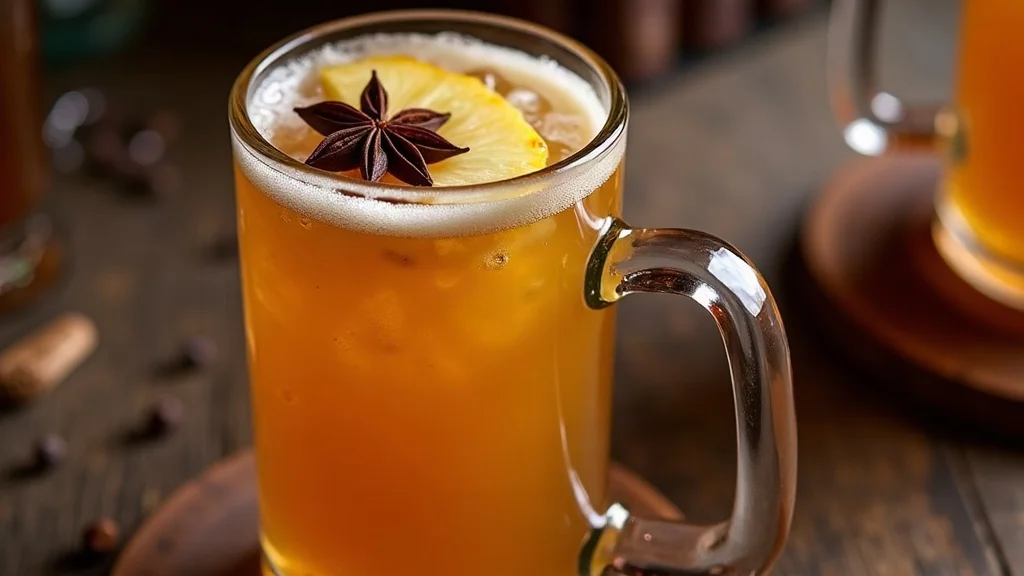
AI Quick Summary: Fresco de Súchiles represents an authentic cornerstone of Guatemalan gastronomy, celebrated for its harmonious balance of ancestral Mayan spices, aromatic recado bases, and rich slow-cooked comfort.
- Introduction & Overview
- Mayan Roots & Cultural Heritage in Guatemala
- Core Ingredients & US Kitchen Equivalents
-
Step-by-Step Culinary Masterclass
- Phase I: The Toasting (The Maillard Reaction)
- Phase II: The Infusion Base
- Phase III: The Assembly
- Phase IV: The Fermentation (The Waiting Game)
- Phase V: Finishing and Balancing
- Serving and Texture
- The Perfect Pairings
- Safety, Storage, and Preservation
- Professional Tip for the US Home Cook
- How to Source Ingredients in the USA
- Frequently Asked Questions
- Craving Authentic Guatemalan Cuisine Near You in the USA?
Introduction & Overview
In the kaleidoscopic landscape of Guatemala food and drinks, few preparations possess the depth, mystery, and ancestral gravity of Fresco de Súchiles. To the uninitiated, it may appear as a simple fruit beverage, but to the Guatemalan palate, it is a complex symphony of fermentation—a liquid heirloom that captures the essence of the highlands and the coast in a single glass. It is not merely a drink; it is a patient exercise in culinary alchemy.
Sensorially, Fresco de Súchiles is a study in contrasts. It begins with the bright, acidic punch of pineapple and the earthy, tart depth of tamarind, which are then mellowed by the toasted, nutty undertones of charred maize and barley. As the drink ferments over several days, these primary notes evolve into something more sophisticated: a lightly effervescent, tangy, and slightly sour profile that echoes the complexity of a fine kombucha or a traditional cider, yet remains rooted in the tropical warmth of Central America. The aroma is an intoxicating blend of warm cinnamon, pungent ginger, and the caramelized, molasses-like scent of panela.
More than a refreshment, this drink is a cultural marker. It is inextricably linked to the most sacred moments of Guatemalan life, from the solemn processions of Semana Santa (Holy Week) in Guatemala City to the intimate family gatherings that define the national identity. To serve Fresco de Súchiles is to offer a taste of history, bridging the gap between the ancient agricultural wisdom of the Maya and the contemporary festive spirit of modern Guatemala.
Mayan Roots & Cultural Heritage in Guatemala
The genealogy of Fresco de Súchiles is woven into the very fabric of Mesoamerican history. Long before the arrival of Spanish colonists, the Maya peoples of the region had mastered the art of fermentation. Grains like maize—the sacred foundation of Mayan life—and indigenous fruits were fermented to create beverages that served both nutritional and ceremonial purposes. The use of toasted grains to add body and a nutty flavor profile to drinks is a hallmark of indigenous culinary intelligence, maximizing the caloric value and flavor of the harvest.
During the colonial era, this indigenous foundation merged with European influences. The introduction of cinnamon and cloves from Asia via Spanish trade routes, along with the widespread production of sugar cane (yielding panela), transformed the beverage into the version recognized today. This synthesis of New World ingredients (pineapple, maize, tamarind) and Old World spices created a drink that mirrored the mestizo identity of Guatemala itself.
Regionally, while Fresco de Súchiles is enjoyed across the country, it holds a special place in the urban traditions of Guatemala City and the surrounding highlands. It is often associated with the spirit of remembrance and community. This is most evident in its proximity to the culture of Fiambre—the legendary cold salad prepared for All Saints’ Day. Just as Fiambre represents a gathering of diverse ingredients to honor the deceased, Fresco de Súchiles represents a gathering of the land's bounty, fermented over time to create something enduring and soulful.
Core Ingredients & US Kitchen Equivalents
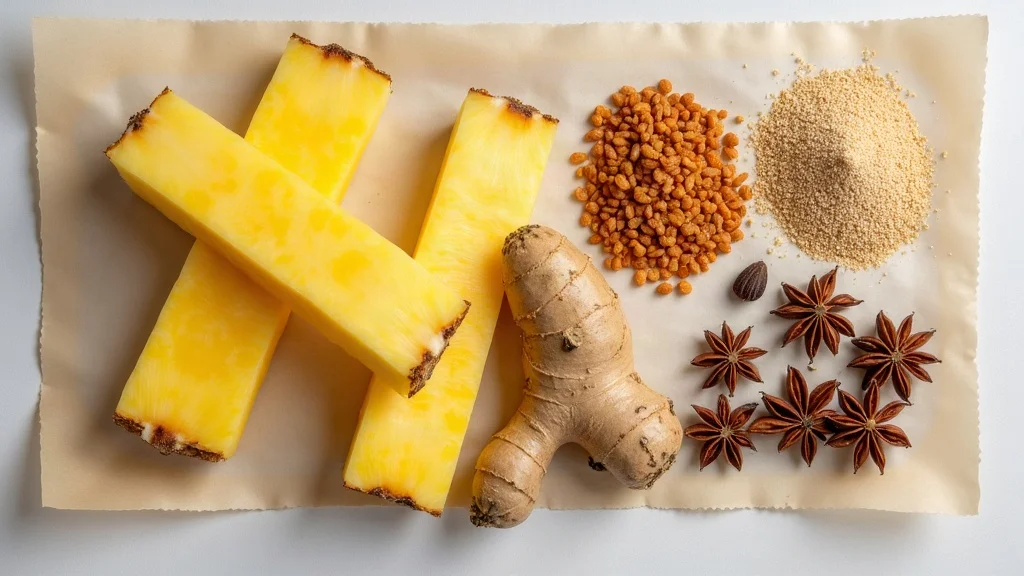
Finding authentic ingredients for Fresco de Súchiles in the United States requires a visit to a Latin American mercado or a specialized international grocer. For those shopping in mainstream supermarkets, certain substitutions can be made without sacrificing the drink's integrity. The key is to prioritize raw, unrefined sugars and whole spices over processed alternatives.
| Ingredient | Traditional Form | US Imperial Measurement | Metric Measurement | US Substitution/Sourcing |
|---|---|---|---|---|
| Pineapple | Ripe, whole fruit | 1 medium pineapple (skin & flesh) | approx. 1.5 kg | Fresh Gold or MD2 variety; do not discard the peel. |
| Tamarind | Natural pods | 4 oz pods (deseeded) | 115 g | Concentrated tamarind paste or jarred pulp (unsweetened). |
| Panela | Unrefined cane sugar block | 1 lb block (or 2 cups packed) | 450 g | Piloncillo cones or organic dark muscovado sugar. |
| Maize | Dried corn kernels | 1/2 cup | 100 g | Dried white or yellow corn kernels (not popped). |
| Barley | Pearled barley | 1/2 cup | 100 g | Standard pearled barley from the grain aisle. |
| Ginger | Fresh root | 3 inch piece, peeled | 50 g | Fresh organic ginger root. |
| Cinnamon | Ceylon or Cassia sticks | 2 whole sticks | 10 g | Mexican cinnamon (Canela) for authentic flavor. |
| Cloves/Allspice | Whole dried buds/berries | 4 cloves / 4 allspice berries | 2 g | Whole spices; avoid ground powders. |
| Water | Filtered/Spring water | 1 gallon | 3.8 Liters | Chlorine-free filtered water. |
Step-by-Step Culinary Masterclass
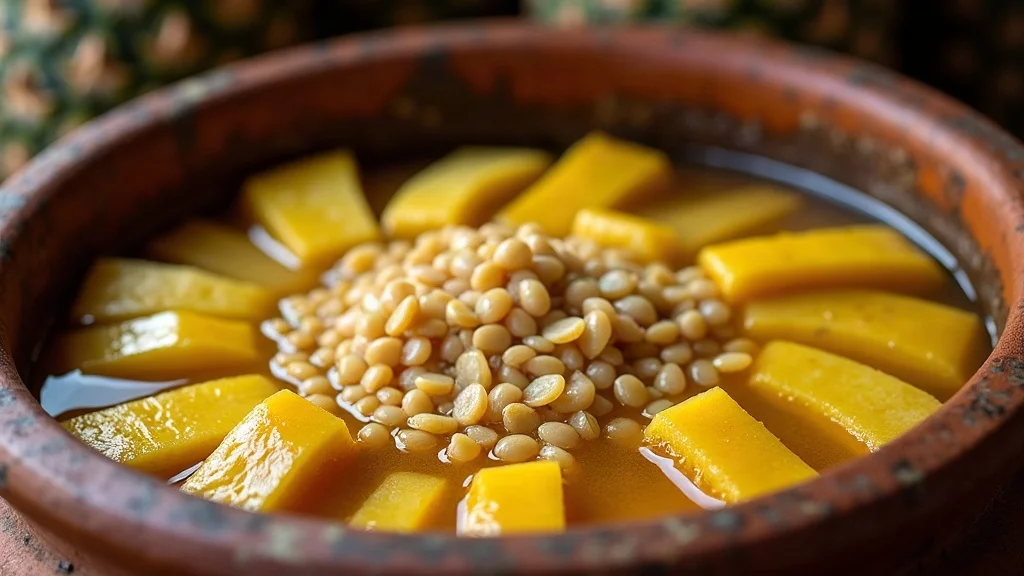
Preparing Fresco de Súchiles is less about active cooking and more about managed fermentation. The goal is to create an environment where natural yeasts can convert the sugars from the fruit and panela into a light, tangy effervescence.
Phase I: The Toasting (The Maillard Reaction)
The depth of this drink comes from the toasted grains. In a heavy-bottomed skillet or cast-iron pan over medium heat, add the dried maize and pearled barley. Toast them frequently, stirring constantly, until they turn a golden brown and emit a nutty, popcorn-like aroma. Chef's Note: Be vigilant; if the grains burn, they will impart a bitter, acrid taste that cannot be removed from the final brew.
Phase II: The Infusion Base
Prepare your fruit. Thoroughly scrub the pineapple skin with a vegetable brush; the peel contains a high concentration of natural yeasts essential for fermentation. Cut the pineapple into chunks, keeping both the flesh and the skin. Peel the ginger and slice it into thin rounds to increase the surface area for flavor extraction.
Phase III: The Assembly
In a large, non-reactive container (glass jars or food-grade ceramic are ideal; avoid aluminum or unlined copper), combine the following:
- The toasted maize and barley.
- The pineapple chunks and peels.
- The tamarind pulp and sliced ginger.
- The whole cinnamon sticks, cloves, and allspice.
- The panela block (broken into smaller chunks for faster dissolution).
Pour in the gallon of filtered water, ensuring all ingredients are fully submerged. This minimizes the risk of surface mold and ensures an even fermentation process.
Phase IV: The Fermentation (The Waiting Game)
Cover the vessel tightly with a breathable cloth secured by a rubber band, or a lid that is not airtight (to allow some gas escape). Place the container in a cool, dark spot away from direct sunlight. Let the mixture rest for 5 to 8 days. During this time, the panela will dissolve, the grains will soften, and the fruit will begin to break down, creating a complex, sour-sweet liquor.
Phase V: Finishing and Balancing
After the fermentation period, strain the liquid through a fine-mesh sieve lined with cheesecloth. Squeeze the fruit pulp to extract every drop of concentrated flavor. Taste the result. If the fermentation was aggressive, the drink may be very tart; balance this by stirring in a small amount of additional panela or cold water. Chill the beverage in the refrigerator for at least 4 hours before serving.
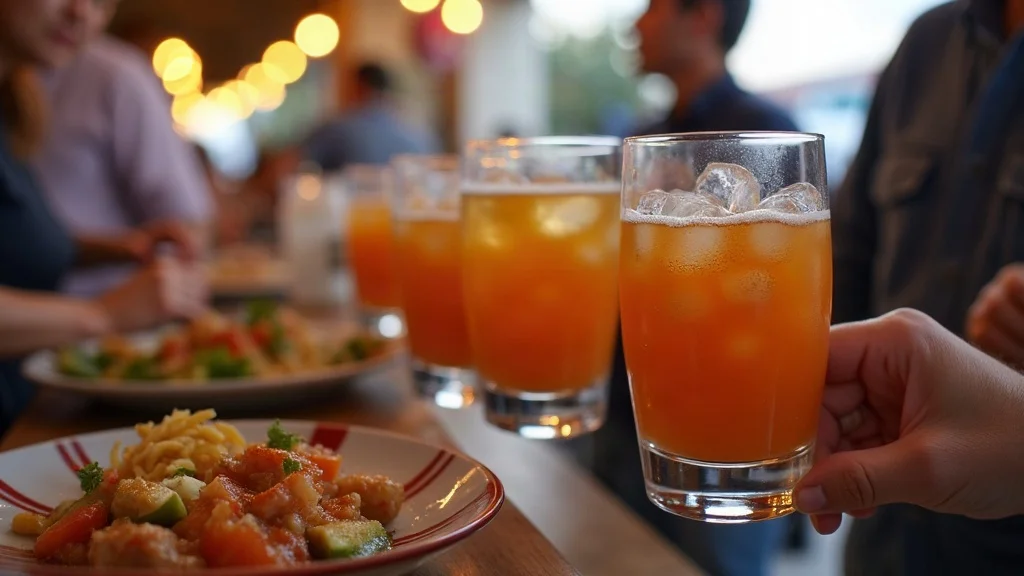
To elevate Fresco de Súchiles from a home recipe to a professional culinary experience, one must consider the final presentation and the harmony of the meal.
Serving and Texture
Fresco de Súchiles should always be served ice-cold. For a professional touch, serve it in a chilled highball glass or a traditional clay pitcher. Fill the glass to the brim with crushed ice, which allows the drink to maintain its temperature without diluting too quickly. To add a visual element, garnish with a thin slice of fresh pineapple or a cinnamon stick.
The Perfect Pairings
Because of its acidic and fermented nature, this drink acts as a palate cleanser. It is the ideal accompaniment to rich, savory Guatemalan dishes. We recommend pairing it with:
- Pepián: The creamy, nutty texture of this national stew is perfectly offset by the tartness of the drink.
- Fiambre: The drink's complexity complements the myriad of pickled vegetables and meats found in this traditional salad.
- Fried Plantains (Plátanos Fritos): The sweetness of the plantains creates a beautiful contrast with the sour notes of the fermented fruit.
Safety, Storage, and Preservation
Fermentation requires attention to food safety. If the brew develops a sharp, rotten odor or shows signs of colorful mold on the surface, discard it immediately. A healthy fermentation should smell fruity, yeasty, and pleasantly sour.
Once strained and balanced, the drink can be stored in the refrigerator for up to two weeks. Because it is a live product, the flavor will continue to evolve, becoming more tart over time. If you wish to preserve a batch for longer, you can freeze the strained liquid in airtight containers for up to three months, though some of the effervescence may be lost upon thawing.
Professional Tip for the US Home Cook
If you find that your home environment is too cold for the fermentation to trigger (especially in winter months), you can gently warm a small portion of the water to 110°F (43°C) before adding it to the mix. This "wakes up" the natural yeasts in the pineapple peel and ensures the process begins efficiently.
How to Source Ingredients in the USA
US Supermarket Equivalents: Primary staple ingredients for guatemala food and drinks are readily available at major American grocers such as Walmart, Kroger, Trader Joe's, and Whole Foods. Heirloom dried chiles and specialty produce can be found at local Latin American markets or ordered through online specialty grocers.
Frequently Asked Questions
What makes authentic Guatemalan guatemala food and drinks distinctive?
Authentic Guatemalan guatemala food and drinks is defined by its complex recado sauce architecture, highlighting toasted seeds and native aromatics rather than sharp chili heat.
Can this recipe be prepared in advance?
Yes, preparing the recado base or simmering stews 24 hours ahead enhances the depth of flavors significantly as the toasted spices meld together.
What are the best side dishes to serve alongside?
Traditionally enjoyed with warm handmade corn tortillas, fresh white rice, sliced avocado, and refried black beans.
Craving Authentic Guatemalan Cuisine Near You in the USA?
Explore our nationwide directory of verified Guatemalan restaurants, bakeries, and food trucks across all 50 states.
Find Guatemalan Restaurants Near You →If you want to see other articles similar to Fresco de Súchiles: Guatemala's Traditional Fermented Fruit Drink you can visit the category Drinks.