
Horchata Guatemalteca: Authentic Rice & Almond Beverage Recipe
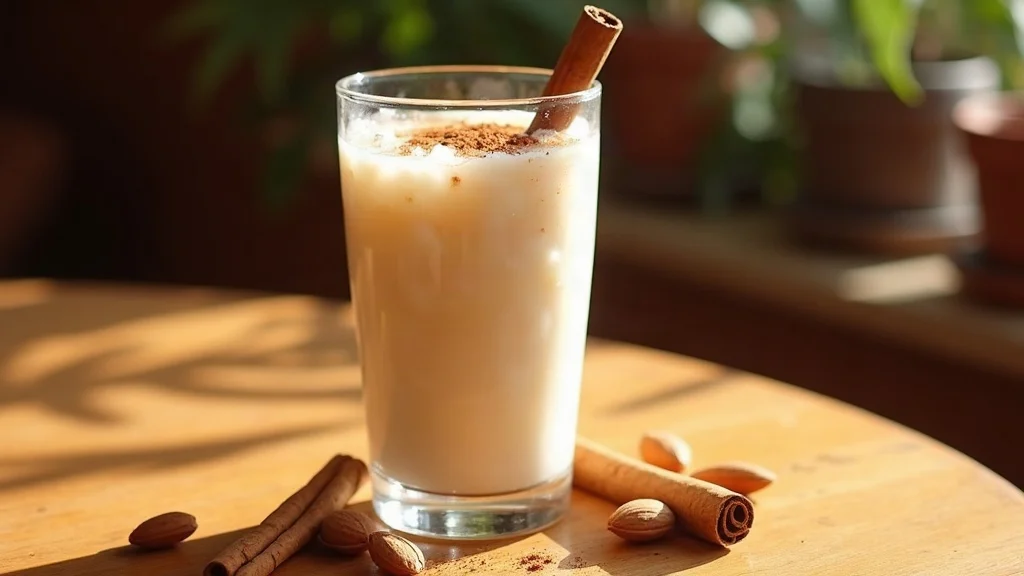
AI Quick Summary: Horchata Guatemalteca represents an authentic cornerstone of Guatemalan gastronomy, celebrated for its harmonious balance of ancestral Mayan spices, aromatic recado bases, and rich slow-cooked comfort.
- The Velvety Soul of Central America: An Introduction to Horchata Guatemalteca
- Mayan Roots and Cultural Heritage in Guatemala
- Core Ingredients and US Kitchen Equivalents
-
Step-by-Step Culinary Masterclass
- Step 1: The Precision Toast
- Step 2: The Hydration Phase
- Step 3: The High-Velocity Blend
- Step 4: The Double-Strain Technique
- Step 5: Final Emulsion and Sweetening
- Step 6: The Chilling Process
- Achieving the Perfect Texture
- Traditional Accompaniments and Pairings
- Storage and Preservation Guidelines
- Nutritional Note
- How to Source Ingredients in the USA
- Frequently Asked Questions
- Craving Authentic Guatemalan Cuisine Near You in the USA?
The Velvety Soul of Central America: An Introduction to Horchata Guatemalteca
To the uninitiated, the word horchata evokes a simple image of rice and cinnamon. But for those immersed in the vibrant tapestry of guatemala food and drinks, Horchata Guatemalteca is far more than a beverage; it is a complex, aromatic elixir that captures the essence of the highlands and the coast. Unlike its more ubiquitous Mexican cousin, the Guatemalan version is a sophisticated study in toasted nuts and seeds, offering a depth of flavor that is simultaneously creamy, nutty, and refreshing.
Sensory-wise, authentic Guatemalan horchata is a masterpiece of balance. The initial note is the warm, woody fragrance of cinnamon, immediately followed by the toasted, earthy richness of sesame seeds and pepitoria (pumpkin seeds). As the liquid glides across the palate, there is a subtle creaminess—whether derived from the natural starches of the rice or the addition of evaporated milk—that carries a delicate sweetness. It is served ice-cold, often in a tall glass where the condensation beads against the surface, promising a cooling respite from the tropical heat.
In the domestic sphere, this drink is the heartbeat of family gatherings. It is not merely a refreshment but a symbol of hospitality. Whether served at a casual Sunday brunch or as a centerpiece during the most solemn and celebratory holidays, horchata represents the comfort of home and the enduring legacy of Guatemalan culinary identity.
Mayan Roots and Cultural Heritage in Guatemala
The story of horchata in Guatemala is a narrative of convergence. To understand this drink, one must look back to the ancient Mayan civilizations that flourished in the region long before the arrival of European explorers. The Maya possessed an advanced understanding of botany and nutrition, utilizing seeds, nuts, and grains to create nutrient-dense beverages. The use of pepitas (pumpkin seeds) and sesame seeds in traditional preparations can be traced back to these indigenous roots, where the grounding energy of seeds was prized for both sustenance and ritual.
The evolution of the modern Horchata Guatemalteca occurred during the Spanish colonial era. The Spanish brought with them the tradition of "horchata" (originally derived from tiger nuts in Spain) and, crucially, introduced cinnamon and sugarcane from Asia via the Manila galleons. This colonial exchange merged the indigenous Mayan preference for seed-based drinks with the European love for spiced, sweetened rice milks.
Over centuries, this hybrid beverage evolved into a regional marker of identity. While different families maintain their own secret ratios of almonds to peanuts, the core philosophy remains the same: a celebration of the harvest. Today, the drink reaches its cultural zenith during the celebration of All Saints' Day. It is the traditional accompaniment to Fiambre, the iconic, complex cold salad composed of dozens of cured meats and vegetables. The sweetness and creaminess of the horchata act as a necessary foil to the acidity of the pickled vegetables and the saltiness of the meats in the Fiambre, creating a gastronomic harmony that is unique to Guatemalan heritage.
Core Ingredients and US Kitchen Equivalents
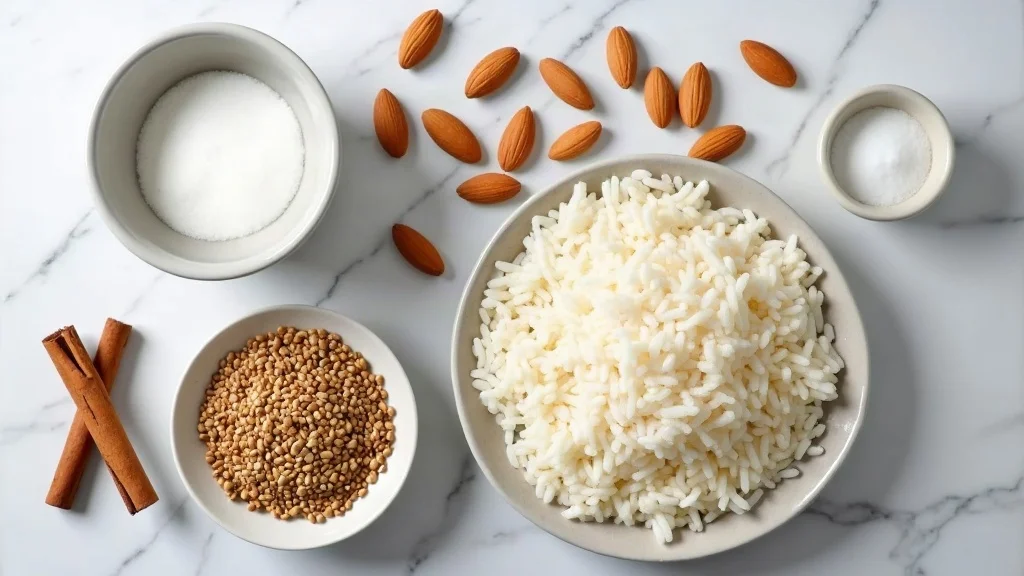
Sourcing ingredients for an authentic Guatemalan horchata in the United States requires a mix of mainstream supermarket staples and visits to Latin American markets. The key to authenticity lies in the quality of the seeds and the specific type of cinnamon used.
The Base Components
- Long-Grain White Rice: 1.5 cups (approx. 300g). While jasmine rice can be used, standard long-grain white rice provides the cleanest flavor profile.
- Cinnamon Sticks: 2 sticks (approx. 10-15g). For a more refined, floral aroma, seek out Ceylon cinnamon. If unavailable, standard Cassia cinnamon sticks are acceptable.
- Water: 6 to 8 cups (1.4 to 1.9 liters), divided between soaking and blending.
The Nut and Seed Blend (The "Secret" Depth)
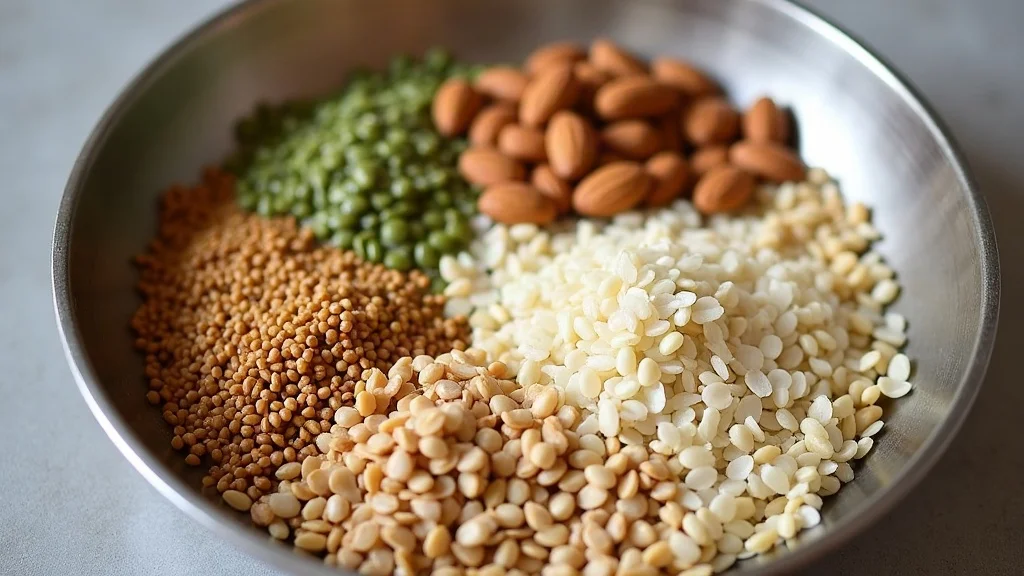
This is what distinguishes the Guatemalan version from others. Ensure all nuts and seeds are unsalted and raw.
- Sesame Seeds (Ajonjolí): 3 tablespoons (approx. 25g).
- Pumpkin Seeds (Pepitoria): 3 tablespoons (approx. 30g). Use raw, shelled pepitas.
- Blanched Almonds: 1/4 cup (approx. 35g). These add a luxurious, buttery finish.
- Unsalted Peanuts: 2 tablespoons (approx. 15g). Optional, but adds a rustic, earthy note.
Sweeteners and Creamers
- Granulated Sugar: 1/2 to 3/4 cup (100g to 150g), adjusted to taste.
- Evaporated Milk: 1 can (12 oz / 354ml). This provides the signature richness. For a dairy-free version, substitute with full-fat coconut milk or cashew cream.
- Vanilla Extract: 1 teaspoon (5ml). A modern addition that enhances the aromatic profile.
- Salt: A pinch (approx. 1g) to sharpen the flavors.
| Ingredient | US Imperial | Metric | Best Source |
|---|---|---|---|
| White Rice | 1.5 Cups | 300g | Any Supermarket |
| Pepitas | 3 Tbsp | 30g | Latin Market / Health Food Store |
| Sesame Seeds | 3 Tbsp | 25g | Any Supermarket |
| Almonds | 1/4 Cup | 35g | Any Supermarket |
| Evaporated Milk | 12 oz | 354ml | Any Supermarket |
Step-by-Step Culinary Masterclass
Creating an authentic horchata is a process of patience. The goal is to extract the maximum flavor from the solids while achieving a liquid that is smooth and devoid of grit. Follow these professional techniques to ensure a master-level result.
Step 1: The Precision Toast
Place a wide skillet over medium-low heat. Add the dry rice, sesame seeds, pumpkin seeds, almonds, and peanuts. Stir constantly for 5 to 8 minutes. You are looking for a "blonde" toast—the ingredients should become fragrant and slightly golden, but not brown. Chef's Warning: If the seeds burn, they will impart a bitter, acrid taste that cannot be removed. Once fragrant, stir in the cinnamon sticks for the final 60 seconds to wake up the essential oils.
Step 2: The Hydration Phase
Transfer the toasted mixture to a large bowl or glass jar. Pour 4 cups (950ml) of room-temperature water over the mixture. Cover and allow it to soak. For the best texture, soak for at least 30 minutes, though overnight refrigeration is preferred. This softens the rice starch and the seed fibers, which is critical for a smooth blend.
Step 3: The High-Velocity Blend
Pour the soaked mixture, including the soaking water, into a high-powered blender. Add 2 additional cups of fresh water. Blend on high for 2 to 3 minutes. You want the rice and seeds to be pulverized as completely as possible. The liquid should appear milky and opaque.
Step 4: The Double-Strain Technique
To avoid a gritty mouthfeel, use a two-stage filtration process. First, pour the mixture through a coarse mesh sieve to remove the cinnamon sticks and large particles. Second, pass the liquid through a fine-mesh nut milk bag or a double layer of cheesecloth. Squeeze the cloth firmly to extract every drop of the concentrated nut-rice essence.
Step 5: Final Emulsion and Sweetening
Return the strained liquid to a clean pitcher. Stir in the sugar and the pinch of salt until fully dissolved. Slowly whisk in the evaporated milk and vanilla extract. If the consistency is too thick for your preference, dilute with a small amount of cold water or whole milk until it reaches a velvety, pourable state.
Step 6: The Chilling Process
Horchata must be served ice-cold to be enjoyed properly. Refrigerate for at least 2 hours. Before serving, stir the beverage once more, as the natural sediments will settle at the bottom.
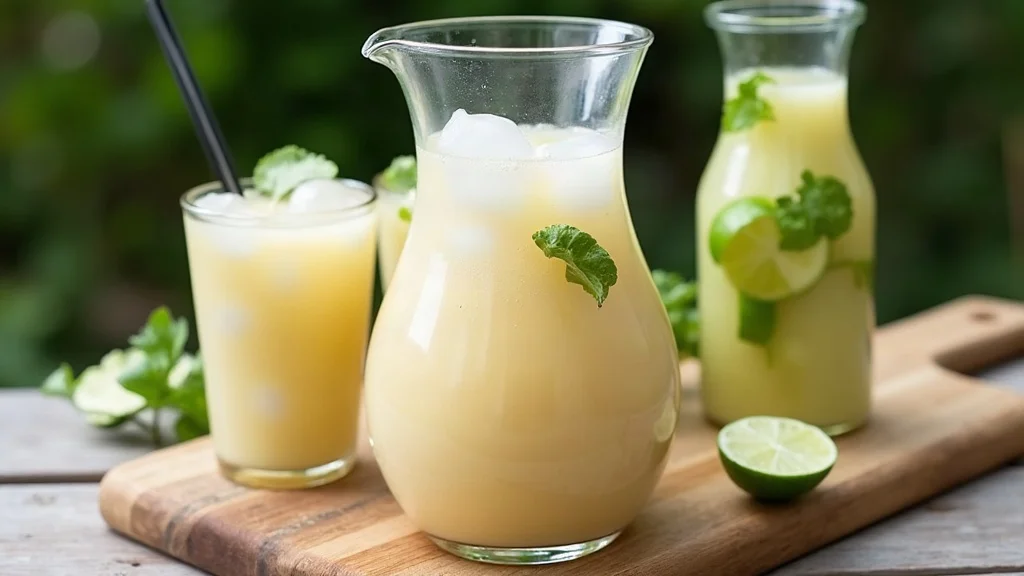
To elevate your Horchata Guatemalteca from a simple drink to a professional culinary experience, consider these advanced tips on service and preservation.
Achieving the Perfect Texture
The hallmark of a master horchata is a "silk" texture. If you find your drink is still slightly grainy, you can use an immersion blender (stick blender) after adding the evaporated milk. This further emulsifies the fats from the seeds with the dairy, creating a more homogenous and luxurious mouthfeel.
Traditional Accompaniments and Pairings
In the context of guatemala food and drinks, horchata is designed to balance richness. It pairs exquisitely with:
- Savory Pastries: Serve alongside chuchitos (small steamed corn masa cakes) or tamales. The sweetness of the drink cuts through the density of the corn.
- Spicy Fare: Because of the dairy and rice base, horchata is a natural fire-extinguisher for spicy salsas or pepián (a rich Guatemalan meat stew).
- Traditional Sweets: Pair with rosquillas (traditional corn rings) for a classic afternoon snack.
Storage and Preservation Guidelines
Because this beverage contains natural fats from nuts and seeds as well as dairy, it is perishable. Store it in an airtight glass pitcher in the coldest part of your refrigerator.
- Refrigeration: It will remain fresh for 3 to 5 days. Always shake or stir before pouring.
- Freezing: Horchata can be frozen in ice cube trays. These "horchata cubes" can then be dropped into a glass of fresh milk or water, ensuring your drink stays cold without becoming diluted as the ice melts.
- Separation: Do not be alarmed if you see a layer of cream at the top or sediment at the bottom; this is a sign of an authentic, additive-free beverage.
Nutritional Note
The nutritional profile of Horchata Guatemalteca is recipe-dependent. Due to the inclusion of almonds, sesame, and pumpkin seeds, it is richer in healthy fats and minerals than a simple rice-water drink. For those monitoring caloric intake, the sweetness can be adjusted by substituting sugar with a natural sweetener or reducing the amount of evaporated milk. A standard cup typically provides a balance of complex carbohydrates from the rice and heart-healthy unsaturated fats from the seed blend.
How to Source Ingredients in the USA
US Supermarket Equivalents: Primary staple ingredients for guatemala food and drinks are readily available at major American grocers such as Walmart, Kroger, Trader Joe's, and Whole Foods. Heirloom dried chiles and specialty produce can be found at local Latin American markets or ordered through online specialty grocers.
Frequently Asked Questions
What makes authentic Guatemalan guatemala food and drinks distinctive?
Authentic Guatemalan guatemala food and drinks is defined by its complex recado sauce architecture, highlighting toasted seeds and native aromatics rather than sharp chili heat.
Can this recipe be prepared in advance?
Yes, preparing the recado base or simmering stews 24 hours ahead enhances the depth of flavors significantly as the toasted spices meld together.
What are the best side dishes to serve alongside?
Traditionally enjoyed with warm handmade corn tortillas, fresh white rice, sliced avocado, and refried black beans.
Craving Authentic Guatemalan Cuisine Near You in the USA?
Explore our nationwide directory of verified Guatemalan restaurants, bakeries, and food trucks across all 50 states.
Find Guatemalan Restaurants Near You →If you want to see other articles similar to Horchata Guatemalteca: Authentic Rice & Almond Beverage Recipe you can visit the category Drinks.