
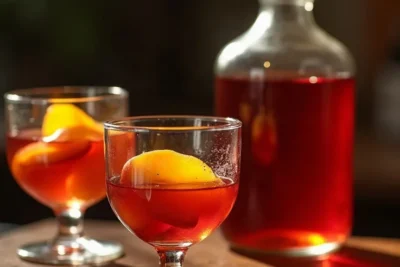
Caldo de Frutas Guatemala is a traditional artisanal fruit liquor originating from the municipal seat of Salcajá, Quetzaltenango. This colonial-era beverage features a complex, sweet, and potent flavor profile derived from the long-term fermentation of seasonal fruits combined with aguardiente, creating a signature regional spirit.
Guatemalan Culinary Profile: Caldo de Frutas Guatemala
| Culinary Attribute | Authentic Guatemalan Profile |
|---|---|
| Traditional Guatemalan Name | Caldo de Frutas Guatemala |
| Region of Origin in Guatemala | Salcajá, Quetzaltenango |
| Cultural & Historical Heritage | Colonial heritage; recognized as the emblematic municipal cultural patrimony of Salcajá. |
| Flavor & Texture Profile | Sweet, syrupy, and alcoholic with deep fermented fruit notes and a warm cinnamon finish. |
| Signature Chapín Ingredients | Manzana, durazno, nance, cereza, mora, membrillo, jocote, marañón, canela, azúcar, levadura, and aguardiente. |
| Typical Prep & Cook Time | Preparation: 1 hour; Fermentation: 3 to 12 months. |
| Traditional Accompaniments | Typically served chilled in small glasses as a digestif or during local festivities. |
The Liquid Gold of Salcajá: Unveطing the Mystery of Caldo de Frutas
In the highland mist of Quetzaltenango, within the charming municipality of Salcajá, exists a culinary treasure that defies simple categorization. To the uninitiated, the name caldo de frutas—literally “fruit broth”—might suggest a light dessert soup or a refreshing punch.
In reality, it is a sophisticated, artisanal fruit liqueur, a fermented alchemy of patience, sugar, and spirit that serves as a liquid archive of Guatemalan biodiversity.
The sensory experience of a well-aged caldo de frutas is profound. Upon pouring, it reveals a deep, amber-ruby hue, shimmering with the suspended remnants of stone fruits and berries.
The aroma is an intoxicating collision of warm cinnamon, pungent cloves, and the concentrated essence of sun-ripened orchard fruits. On the palate, it is a masterclass in balance: the initial hit of sweetness from raw cane sugar is tempered by the tartness of fermented berries and the clean, sharp bite of aguardiente.
It is viscous yet bright, offering a complex flavor profile that evolves from syrupy sweetness to a sophisticated, slightly tannic finish.
For the Guatemalan diaspora and the curious epicurean in the United States, caldo de frutas is more than a beverage; it is a cultural touchstone. It is the quintessential accompaniment to the celebratory feasts of All Saints’ Day and the complex, storied layers of fiambre.
To understand this drink is to understand the spirit of Salcajá—a place where time slows down to allow the slow dance of fermentation to reach its peak.
Mayan Roots and Cultural Heritage in Guatemala
The origins of caldo de frutas are woven into the very fabric of the Guatemalan highlands. While the addition of distilled spirits like aguardiente is a legacy of the Spanish colonial era, the foundational practice of preserving and fermenting native fruits dates back to the Mayan civilization.
The Maya were masters of botanical manipulation, utilizing the natural yeasts found on fruit skins to create fermented beverages that served both ritualistic and nutritional purposes.
Salcajá, in particular, emerged as the epicenter of this tradition due to its unique microclimate, which allows for a diverse array of fruit cultivation. Over centuries, the “family recipe” became a guarded heirloom.
Each household in Salcajá developed its own nuance—some emphasizing the tartness of the jocote, others focusing on the floral notes of the membrillo. This regional specialization transformed the drink from a simple household preserve into a defining municipal identity.
The evolution of caldo de frutas reflects the broader history of Central America. The introduction of European fruits—apples, pears, and peaches—blended seamlessly with indigenous staples like nance and mora.
This fusion mirrors the mestizo identity of Guatemala itself. Today, the drink is an essential element of the festive calendar.
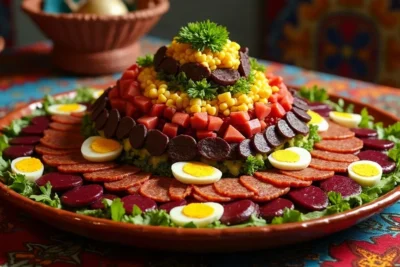
During the Day of the Dead celebrations, when families gather to share fiambre (a complex cold salad of meats and vegetables), the caldo de frutas provides the necessary sweetness and alcoholic warmth to cut through the acidity of the vinegar-based dishes, creating a perfect gastronomic harmony.
Core Ingredients and US Kitchen Equivalents
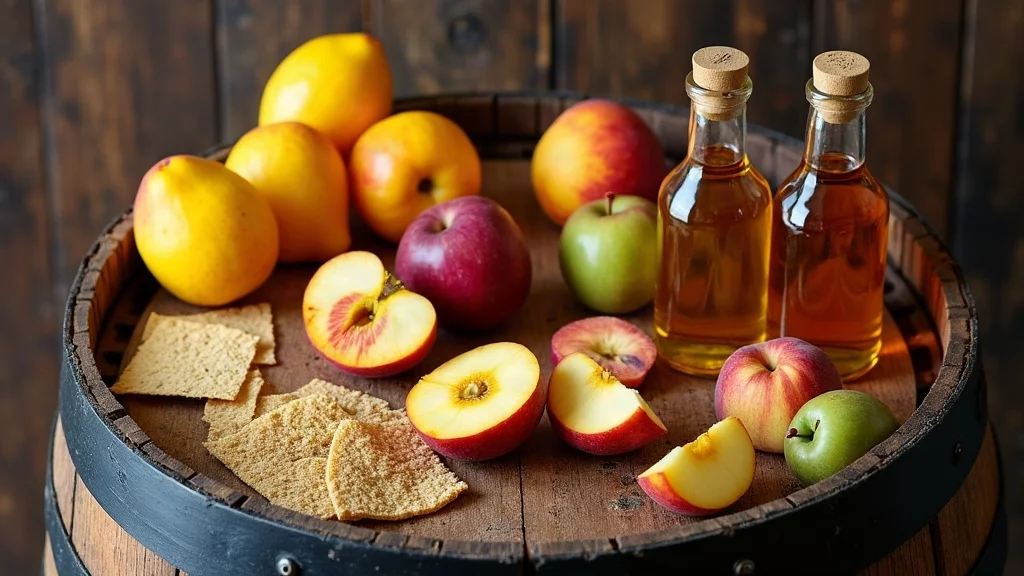
Sourcing authentic Guatemalan ingredients in a US supermarket can be challenging. However, the soul of caldo de frutas lies in the combination of sweetness, acidity, and spirit.
Below is a comprehensive breakdown of the traditional components and their most accurate North American substitutes.
| Traditional Ingredient | US Substitute | US Imperial Measurement | Metric Measurement |
|---|---|---|---|
| Panela / Piloncillo | Dark Brown Sugar or Cane Sugar | 2 to 3 cups (packed) | 400g to 600g |
| Aguardiente | White Rum or Cane Spirit | 1 to 2 cups | 240ml to 480ml |
| Water | Filtered Water | 2 quarts | 1.9 liters |
| Cinnamon Sticks | Ceylon Cinnamon | 1 to 2 sticks | 5g to 10g |
| Cloves/Allspice | Whole Cloves | 1 tbsp | 6g |
| Membrillo | Quince (or tart Apple/Pear mix) | 1 to 2 fruits | 300g to 600g |
| Nance | Golden Berries or Apricots | 1 cup | 150g |
| Jocote | Italian or Red Plums | 1 to 2 cups | 200g to 300g |
| Mora | Blackberries or Boysenberries | 1 cup | 150g |
| Apple, Pear, Peach | Firm Orchard Varieties | 2 of each fruit | ~1.5kg total |
| Cherries | Fresh or Frozen Bing Cherries | 1 cup | 150g |
A Note on Substitutions
When replacing nance or jocote, look for fruits that provide a balance of tartness and firmness. Golden berries are an excellent substitute for nance because they offer a similar acidic “pop.” For jocote, Italian plums provide the necessary stone-fruit texture and slight tang.
If you cannot find panela, piloncillo (found in Mexican markets) is the identical product; otherwise, a mix of dark brown sugar and a pinch of molasses will approximate the deep, earthy sweetness of raw cane sugar.
Step-by-Step Culinary Masterclass
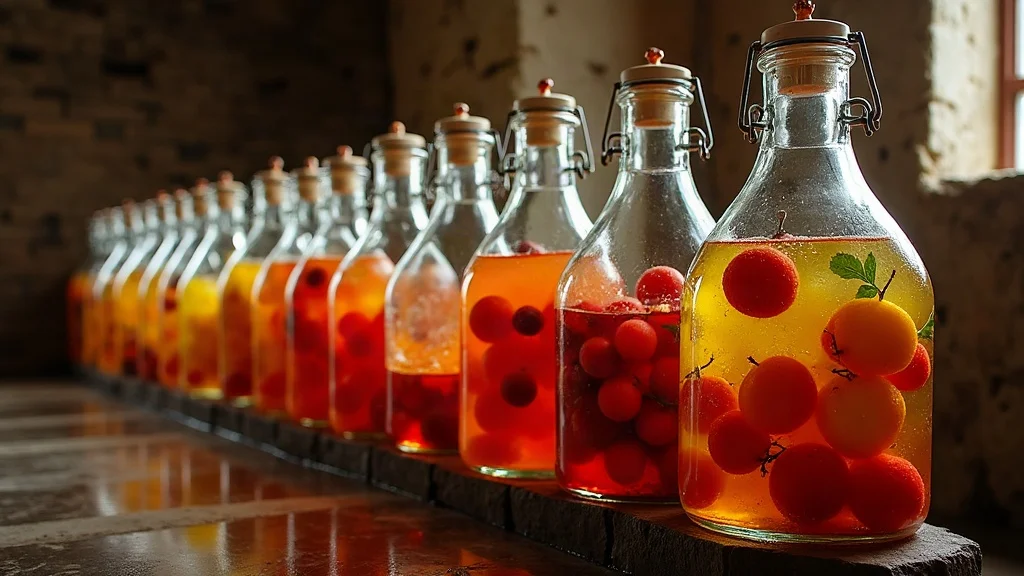
Preparing caldo de frutas is an exercise in patience. Unlike a cocktail that is shaken and served, this is a fermented liqueur that requires a maturation period.
Follow these professional steps to ensure a safe and authentic result.
Phase 1: The Syrup Base
- The Decoction: In a large, non-reactive stainless steel pot, combine 2 quarts of water, 2 to 3 cups of panela, cinnamon sticks, and cloves.
- The Reduction: Bring the mixture to a boil over medium-high heat. Once boiling, reduce to a simmer and let it cook for approximately one hour. This process allows the sugar to fully dissolve and the spices to infuse the liquid with deep, woody notes.
- The Cooling: Remove the pot from the heat. It is critical to let the syrup cool to room temperature before adding the fruit. Adding fruit to boiling syrup will “cook” the produce, destroying the fresh cellular structure and preventing proper fermentation.
Phase 2: The Fruit Integration
- Preparation: Thoroughly wash and sanitize all fruits. Peel the pears and apples if desired, but keep the skins on the berries and plums for added color and tannin.
- The Precision Cut: Dice the firmer fruits (apples, pears, quinces) into uniform 1/2-inch cubes. This ensures that they soften at the same rate during the resting period. Leave berries and cherries whole.
- The Assembly: Place the prepared fruit into a large, food-safe glass jar or a ceramic crock. Pour the cooled syrup over the fruit, ensuring all pieces are completely submerged to prevent oxidation and mold growth.
Phase 3: The Spirit and Fermentation
- The Infusion: Pour the white rum or aguardiente over the mixture. Depending on your preference for potency, use 1 to 2 cups. The alcohol acts as both a flavor enhancer and a preservative.
- The Seal: Seal the container with an airtight lid. If using a traditional crock, use a wax seal or a heavy-duty gasket.
- The Maturation: Store the jar in a cool, dark place—a pantry or a cellar is ideal. Avoid direct sunlight, which can degrade the flavor and color.
- The Waiting Period: Let the mixture rest for a minimum of 6 months. For a truly professional, artisanal result, allow it to age for 12 to 18 months. During this time, the alcohol breaks down the fruit fibers, and the flavors meld into a cohesive, complex liqueur.
Chef Secrets: Texture, Pairings, and Storage
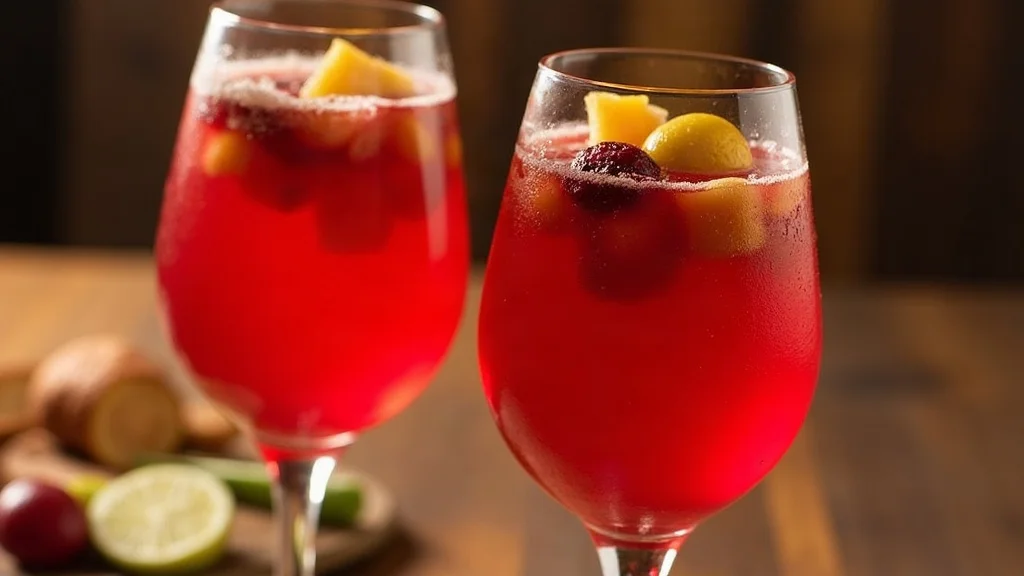
To elevate your caldo de frutas from a home project to a gourmet experience, consider these professional culinary guidelines.
Achieving the Perfect Texture
The hallmark of a superior caldo de frutas is the texture of the fruit. The pieces should be translucent and saturated with syrup, yet still hold their shape.
If the fruit becomes mushy, it is often a sign that the syrup was too hot when added or that the fruit was over-ripe at the start. For the most refined presentation, strain the liquid into a decanter but serve a small portion of the “candied” fruits in the bottom of each glass.
Professional Pairings
Because of its high sugar content and alcoholic warmth, caldo de frutas is a versatile pairing agent:
- Savory Contrast: Serve alongside fiambre or other vinegar-heavy salads. The sweetness of the liqueur cuts through the acidity of pickled vegetables.
- Cheese Pairings: Pair with a sharp Manchego or a creamy Goat cheese. The saltiness of the cheese balances the syrupy nature of the drink.
- Dessert Pairing: Serve as a digestif alongside a piece of dark chocolate (70% cocoa or higher) to complement the cinnamon and clove notes.
Storage and Safety
While the alcohol and sugar act as natural preservatives, safety is paramount in any fermentation process. Always sanitize your glass jars with boiling water before use.
If you notice any off-smelling odors (such as a strong vinegar scent) or see fuzzy mold on the surface, discard the batch immediately.
Refrigeration: Once the maturation period is complete and the seal is broken, store the liqueur in the refrigerator. While it can stay at room temperature for a short period, refrigeration preserves the vibrant color and prevents further fermentation that could alter the flavor profile.
It will typically keep for up to a year when refrigerated.
Freezing: It is not recommended to freeze caldo de frutas. The high sugar and alcohol content lower the freezing point, but the expansion of the liquid can rupture the fruit cells, leading to a grainy texture and a loss of clarity once thawed.
Regional Variations & Where to Find Ingredients in the US
The Tradition of Caldo de Frutas Guatemala
This spirit is the pride of Salcajá, blending Spanish distillation techniques with local fruit biodiversity. It represents a centuries-old tradition of home-based artisanal production.
The process involves a patient fermentation period that can last up to a year. This ensures a rich, concentrated flavor unique to the Quetzaltenango region.
Authentic Fruits Used in Salcajá Liquor
The recipe relies on frutas de la época, including nance, jocote, and membrillo. These seasonal fruits provide the natural sugars necessary for fermentation.
Cinnamon and sugar are added to balance the acidity of the fruits. The addition of aguardiente fortifies the drink, increasing its shelf life and potency.
Colonial Influence on Guatemalan Spirits
The origins of Caldo de Frutas date back to the colonial period shortly after the Spanish arrival. It adapted European sherry-style techniques to the highlands of Guatemala.
This fusion created a beverage that is neither a simple syrup nor a pure liquor. It remains a testament to the cultural syncretism of the region.
Where to Buy Ingredients in the USA
Find nance and jocote in frozen sections of Latin supermarkets or specialty importers. Use high-quality brandy or cane spirit as a substitute for aguardiente.
How to Spot Authentic Chapín Flavor
Authentic versions have a deep, fermented complexity rather than a simple sugary taste. It should feature a distinct aroma of cinnamon and aged tropical fruits.
Explore More Authentic Guatemalan Dishes & US Restaurants
Continue exploring our traditional Guatemalan culinary encyclopedia with these related guides:
Frequently Asked Questions About Caldo de Frutas Guatemala
What is Caldo de Frutas Guatemala?
It is an artisanal fruit-based liquor from Salcajá, Quetzaltenango. It is made by fermenting seasonal fruits with sugar and cinnamon, then fortifying the mixture with aguardiente.
How is Caldo de Frutas different from a syrup?
Unlike syrups, Caldo de Frutas undergoes a fermentation process lasting several months. This creates a natural alcoholic base that is further strengthened with distilled spirits.
Which fruits are used in authentic Caldo de Frutas?
Authentic recipes use seasonal fruits such as nance, jocote, peach, apple, quince, and blackberry, combined with cinnamon and yeast for fermentation.
Is Caldo de Frutas a national heritage drink?
While it is the emblematic cultural patrimony of the municipality of Salcajá, it has not been officially declared as National Intangible Cultural Heritage.
Leave a Reply