
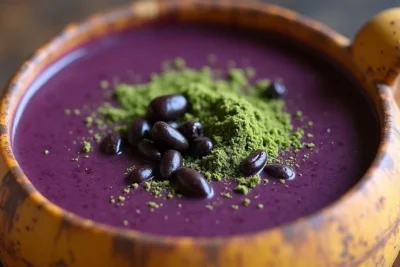
Atol shuco is a fermented purple corn beverage from Rabinal, Baja Verapaz, Guatemala. It carries ancestral Maya roots with colonial-era continuity, offering a tangy, earthy, lightly sour flavor and a smooth, drinkable texture.
It is traditionally served with frijoles parados, chile, sal, and aiguashte in a huacal.
Guatemalan Culinary Profile: authentic atol shuco guatemalteco
| Culinary Attribute | Authentic Guatemalan Profile |
|---|---|
| Traditional Guatemalan Name | atol shuco |
| Region of Origin in Guatemala | Rabinal, Baja Verapaz, Guatemala |
| Cultural & Historical Heritage | Ancestral/prehispanic Maya beverage with colonial-era continuity through community markets and festive use; described as ancestral and traditional, though not formally declared Patrimonio Cultural Intangible de la Nación in gathered sources. |
| Flavor & Texture Profile | Tangy, earthy, lightly sour, and mildly sweet with a deep corn backbone; smooth, thin, and drinkable with a gentle fermented brightness. |
| Signature Chapín Ingredients | maíz morado (purple corn), water, panela or sugar, cinnamon, frijoles negros/parados, chile, sal, aiguashte (pepitoria/squash-seed condiment) |
| Typical Prep & Cook Time | 3-5 days fermentation; 45 minutes active cooking |
| Traditional Accompaniments | served in a huacal with frijoles parados, chile, sal, and aiguashte |
The Soul of the Highlands: An Introduction to Atol Shuco
In the misty highlands of Guatemala, where the air carries a perennial chill and the scent of woodsmoke clings to the valleys, there exists a beverage that defies the Western categorization of “drink.” Atol Shuco is not a beverage in the sense of a refreshment; it is a liquid meal, a savory embrace, and a profound expression of Guatemalan identity.
For the uninitiated, the name itself—shuco—can be elusive. While in other contexts the word may refer to something “dirty” or “messy,” in the realm of this traditional atole, it speaks to the rustic, earthy nature of the preparation and the hearty, textured additions that characterize the final bowl.
At its core, Atol Shuco is a fermented corn elixir. Unlike the sweet, cinnamon-infused atoles found in other parts of Latin America, this is a strictly savory affair.
It is characterized by a complex flavor profile: a deep, toasted corn base underpinned by a sophisticated, lactic tang resulting from a controlled fermentation process. The aroma is evocative of the earth after a rain—nutty, cereal-forward, and comforting.
When served, it is traditionally topped with a scoop of creamy black beans and a dusting of pepitoria (toasted pumpkin seeds), creating a symphony of textures that range from the velvety smoothness of the corn to the slight grit of the seeds and the hearty bite of the legumes.
To taste a true Atol Shuco is to understand the Guatemalan philosophy of comfort. It is the quintessential street food of cold mornings and rainy afternoons, a ritualistic preparation that bridges the gap between the ancestral Mayan kitchen and the modern urban landscape of Guatemala City.
The Ancient Tradition of Atol Shuco: Purple Corn Fermentation & Alguashte
The history of Atol Shuco is inextricably linked to the domestication of maize, the sacred crop of the Maya. In the Popol Vuh, the Mayan creation narrative, humans are said to have been fashioned from corn.
Consequently, corn is not merely an ingredient in Guatemala; it is a spiritual cornerstone. The practice of nixtamalization and fermentation—essential components of Atol Shuco—dates back millennia, allowing ancient civilizations to unlock the nutritional value of corn and preserve it in a tropical climate.
Historically, this drink served as a vital source of energy for farmers and laborers. The fermentation process not only provided a unique flavor but also made the drink easier to digest and enriched it with probiotics long before the modern wellness movement coined the term.
While the Spanish colonial era introduced new livestock and seasonings, the fundamental essence of Atol Shuco remained indigenous. It persisted as a symbol of resistance and cultural continuity, maintaining its place in the household kitchens of the Oriente and Central regions.
Today, Atol Shuco remains a focal point of communal gathering. It is frequently associated with the ceremonial cycles of the year, particularly around All Saints’ Day and the fiambre season, where traditional foods are prepared to honor the deceased.
Whether sold from a steaming cauldron on a street corner or simmered in a clay pot at home, it represents an unbroken lineage of culinary knowledge passed down through generations of Guatemalan mothers and grandmothers.
Core Ingredients and US Kitchen Equivalents
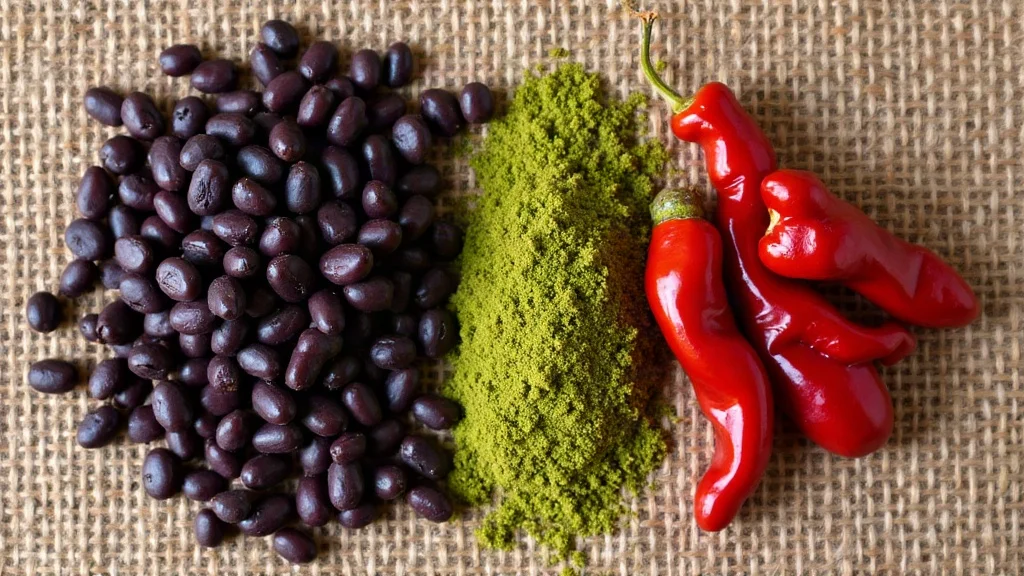
For the home cook in the United States, sourcing authentic ingredients for Atol Shuco requires a visit to a specialized Latin American or Central American grocery store. The key is to look for specific varieties of corn and seed preparations.
Below is the authoritative ingredient list with precise measurements.
| Ingredient | US Imperial Measurement | Metric Measurement | Sourcing/Substitution Note |
|---|---|---|---|
| Black or Purple Corn (Dried) | 2 cups | 300 g | Look for maíz negro or maíz morado. |
| Water (for soaking) | 6 to 8 cups | 1.4 to 1.9 liters | Filtered water is preferred for cleaner fermentation. |
| Water (for cooking) | 4 to 5 cups | 950 ml to 1.2 liters | Adjust based on desired thickness. |
| Sea Salt | 1 to 1.5 teaspoons | 6 to 9 g | Use a fine sea salt for even dissolution. |
| Cooked Black Beans | 2 cups (prepared) | 400 g | Preferably unseasoned or lightly salted. |
| Pepitoria (Toasted Pumpkin Seeds) | 4 to 6 tablespoons | 40 to 60 g | Ground into a coarse powder. |
| Chili Powder or Salsa | To taste | To taste | A mild Guatemalan chili or a touch of chipotle. |
Sourcing Guide for the US Market
When navigating a Latin market, keep an eye out for these specific labels to ensure authenticity:
- Maíz Negro/Morado: Avoid using standard blue corn meal if possible; the whole dried kernel is necessary for the fermentation stage.
- Pepitoria: If you cannot find pre-ground pepitoria, buy raw pumpkin seeds (pepitas), toast them in a dry pan until fragrant, and pulse them in a spice grinder.
- Molido: If you are buying a pre-ground mix (though fresh is superior), look for the word molido, which indicates the corn has been ground.
Step-by-Step Culinary Masterclass
Preparing Atol Shuco is a lesson in patience. It is a slow-food process that cannot be rushed, as the flavor is developed through time rather than heat.
Follow these professional techniques to achieve a restaurant-quality result.
Phase 1: The Fermentation (The Soak)
The hallmark of an authentic Atol Shuco is its slight tang. This is achieved through a natural fermentation process.
- Rinse: Thoroughly rinse 2 cups (300 g) of black corn under cold running water to remove any impurities or dust.
- Soak: Place the corn in a large glass or ceramic bowl and cover with 6 to 8 cups of filtered water.
- Wait: Cover the bowl loosely with a cheesecloth or a breathable lid. Let it sit at room temperature for 8 to 24 hours. In warmer climates, 12 hours is usually sufficient; in cooler American kitchens, 24 hours may be required. You will know it is ready when the water becomes slightly cloudy and a mild, sour aroma develops.
Phase 2: The Grind
Once the corn is softened and fermented, it must be processed to create the thick, creamy base of the atole.
- Drain and Rinse: Drain the soaking water. If the fermentation scent is too aggressive, give the corn a quick rinse; otherwise, keep the water for a deeper flavor.
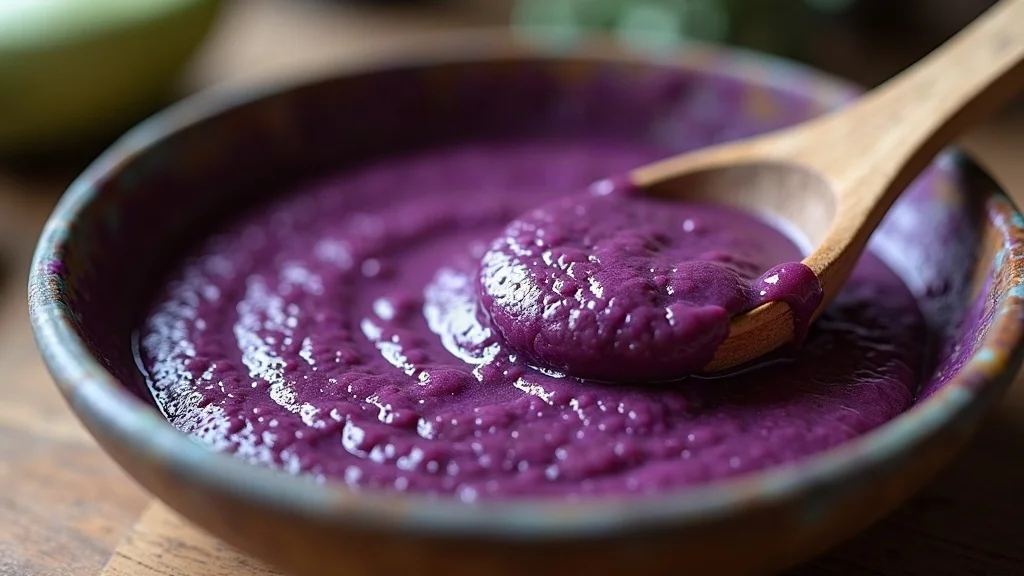
- Mill: Traditionally, this is done in a stone mill. In a modern kitchen, use a high-powered blender or food processor. Add a small amount of fresh water to facilitate blending. Process until the corn is ground into a fine paste, but avoid over-processing into a complete puree—a slight, pleasant texture is desired.
- Strain: For a more refined mouthfeel, pass the ground corn through a fine-mesh sieve or chinois into your cooking pot.
Phase 3: The Simmer
Controlling the heat is critical here to prevent the corn solids from scorching at the bottom of the pot.
- Combine: Add 4 to 5 cups of water and 1 to 1.5 teaspoons of salt to the ground corn mixture.
- Heat: Place the pot over medium heat. Stir constantly with a wooden spoon or whisk to ensure a smooth consistency.
- Reduce: Bring the mixture to a gentle simmer. Lower the heat to medium-low and cook for 30 to 45 minutes. The liquid will thicken slightly and the raw taste of the corn will transform into a toasted, nutty depth.
- Adjust: If the atole becomes too thick (resembling a porridge), whisk in additional hot water until it reaches a pourable, thin-soup consistency.
Chef Secrets: Texture, Pairings and Storage
The difference between a good Atol Shuco and a masterpiece lies in the presentation and the quality of the accompaniments. As a professional culinary standard, the drink itself is only half of the equation; the toppings provide the essential contrast.
The Art of the Assembly
Atol Shuco should never be served plain. To assemble the dish properly:
- The Base: Ladle the hot corn beverage into a deep ceramic bowl.
- The Legumes: Place a generous dollop (approximately 1/2 cup) of warm, cooked black beans directly in the center. The beans should be creamy and savory.
- The Garnish: Sprinkle 1 to 2 tablespoons of toasted pepitoria over the beans. The oil from the seeds will bleed slightly into the atole, adding a rich, nutty dimension.
- The Heat: Finish with a pinch of chili powder or a swirl of spicy salsa to cut through the richness of the corn and seeds.
Professional Pairings
To elevate the experience, pair Atol Shuco with traditional Guatemalan sides. Freshly made tortillas de maíz, toasted over an open flame, are the ideal accompaniment for dipping into the bowl.
For a beverage pairing, a strong, black Guatemalan coffee provides a bitter contrast to the earthy, fermented notes of the corn.
Storage and Reheating Guidelines
Because Atol Shuco is a fermented product, it requires careful handling once cooked.
- Refrigeration: Store the corn base (without toppings) in an airtight glass container in the refrigerator for up to 4 days.
- Freezing: The corn base freezes remarkably well. Store in freezer-safe containers for up to 3 months. Thaw in the refrigerator overnight before reheating.
- Reheating: When reheating, do so over medium-low heat. You will likely find that the atole has thickened significantly in the cold; whisk in a splash of water or corn stock to restore the original consistency.
Troubleshooting Common Issues
Too Sour: If the fermentation went too long and the taste is overly acidic, balance the flavor with a pinch more salt or a tiny amount of butter during the simmering phase.
Too Bitter: This usually happens if the corn variety is particularly hardy. A brief pre-boil of the kernels for 5 minutes before the soaking phase can help neutralize these tannins.
Lumpy Texture: This is a result of improper blending. Use a whisk vigorously during the simmering process or pass the final product through a sieve before serving to ensure a velvety finish.
Regional Variations & Where to Find Ingredients in the US
What is atol shuco and where does it come from?
Atol shuco is a fermented purple corn drink native to Rabinal, Baja Verapaz, Guatemala.
Its preparation descends from ancestral Maya practices and remained central to local markets and celebrations.
How is authentic atol shuco guatemalteco made?
Purple corn kernels are soaked until fermented, then ground, strained, and cooked with water and sweetener.
The result is a tangy, earthy beverage served with beans, chile, salt, and aiguashte.
What does atol shuco taste like?
It tastes tangy, earthy, lightly sour, and mildly sweet with a deep corn flavor.
The texture is smooth, thin, and refreshing, balanced by the nuttiness of aiguashte.
Where to Buy Ingredients in the USA
Find dried maíz morado at Latin grocery stores, Guatemalan markets, or online retailers under ‘purple corn’ or ‘maiz morado.’ Substitute dried Peruvian purple corn if needed, and source pepitoria for aiguashte at chapín tiendas.
How to Spot Authentic Chapín Flavor
True atol shuco is fermented, not just flavored, and made from purple corn ground and strained before cooking. It is authentic when served with frijoles parados, chile, sal, and aiguashte in a huacal.
Explore More Authentic Guatemalan Dishes & US Restaurants
Continue exploring our traditional Guatemalan culinary encyclopedia with these related guides:


Frequently Asked Questions About authentic atol shuco guatemalteco
What is atol shuco made of?
Atol shuco is made from fermented purple corn soaked in water, then ground, strained, and cooked. It is traditionally sweetened with panela and served with frijoles parados, chile, sal, and aiguashte.
Is atol shuco alcoholic?
Atol shuco is lightly fermented but generally non-alcoholic or extremely low in alcohol. The fermentation develops a tangy, sour flavor rather than producing a strong alcoholic drink.
Where is atol shuco from in Guatemala?
Atol shuco is traditionally associated with Rabinal in the department of Baja Verapaz, Guatemala. It has ancestral Maya roots and remains part of local markets and festive gatherings.
What do you eat with atol shuco?
It is commonly eaten with frijoles negros or frijoles parados, chile, sal, and aiguashte, a squash-seed condiment. The combination is served in a huacal as a traditional chapín snack or meal.



Leave a Reply