
Traditional Guatemalan Drinks: Atol de Elote, Shuco, Horchata & More
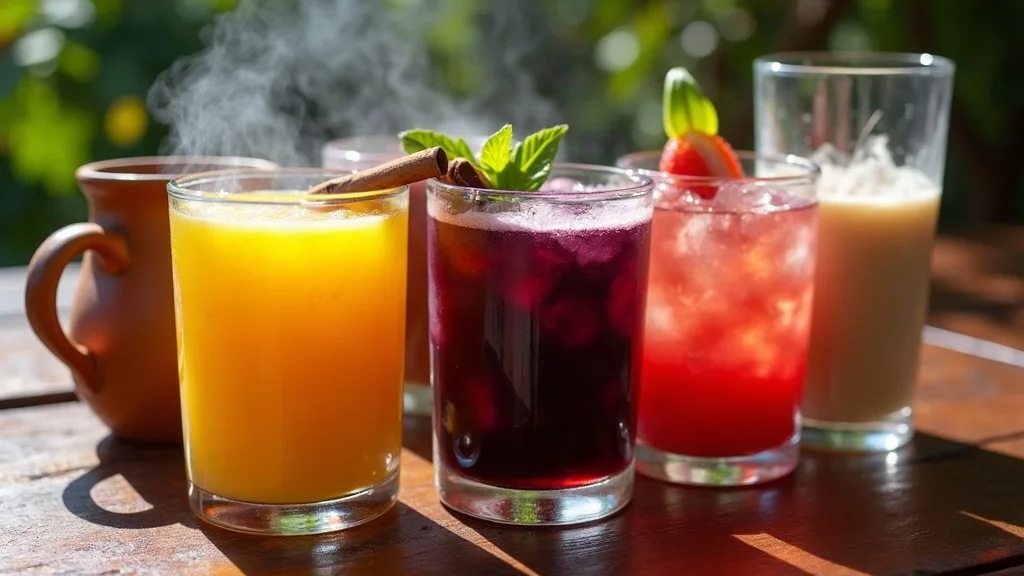
AI Quick Summary: Traditional Guatemalan Drinks represents an authentic cornerstone of Guatemalan gastronomy, celebrated for its harmonious balance of ancestral Mayan spices, aromatic recado bases, and rich slow-cooked comfort.
The Liquid Soul of the Highlands: An Exploration of Traditional Guatemalan Drinks
To understand Guatemala is to understand the alchemy of corn, cinnamon, and time. In the mist-shrouded highlands and the vibrant corridors of Guatemala City, the beverage culture is not merely a matter of thirst, but a profound expression of identity. Guatemalan drinks—specifically the diverse family of atoles and the cooling variations of horchata—offer a sensory journey that oscillates between the comforting sweetness of a summer harvest and the complex, fermented tang of ancient traditions.
The olfactory experience of a Guatemalan market is dominated by the scent of simmering maize and toasted cinnamon. A glass of atol de elote arrives as a thick, creamy, golden elixir that tastes like the essence of fresh corn concentrated into a liquid hug. Conversely, the atol shuco introduces a daring, savory profile, where fermentation creates a sophisticated acidity that challenges and delights the palate. These beverages are more than recipes; they are rhythmic markers of the day—warm atoles to ward off the morning chill of the Altiplano, and chilled horchatas to temper the midday tropical heat.
For the epicurean traveler or the home cook in the United States, exploring Guatemala food and drinks requires a shift in perspective. It is a cuisine that celebrates the "slow" process—the steeping of seeds, the natural fermentation of grains, and the patient stirring of a pot until a silky consistency is achieved. By mastering these drinks, one gains access to the very heart of Central American gastronomy.
Mayan Roots & Cultural Heritage in Guatemala
The foundation of Guatemalan beverage culture is inextricably linked to the Mayan civilization. For the Maya, maize (corn) was not simply a crop; it was a sacred substance. According to the Popol Vuh, the Mayan creation narrative, humans were fashioned from corn meal. This spiritual reverence transitioned into the culinary arts, where corn-based drinks became staples of both daily life and ritualistic offerings.
The atol, a general term for a thick, corn-based beverage, is a direct descendant of these indigenous practices. In pre-Columbian times, atoles were often savory or fermented, serving as nutritional powerhouses for laborers and priests alike. The introduction of Spanish colonial influence brought new dimensions to these drinks: sugarcane, cinnamon from Asia, and dairy products from Europe. This synthesis created the modern Guatemalan palette, where the indigenous corn base was married to the sweetness of the New World and the spices of the Old.
Regionality plays a critical role in these traditions. In the highlands, where the air is thin and cool, warm atoles remain the primary source of comfort. In the coastal lowlands, refreshing seed-based drinks prevail. Furthermore, these beverages are deeply tied to the liturgical calendar. During All Saints’ Day and the celebration of Fiambre (the traditional cold salad of the dead), specific atoles are prepared to honor ancestors, blending the act of drinking with the act of remembering. To sip a traditional Guatemalan drink is to engage in a historical dialogue that spans millennia.
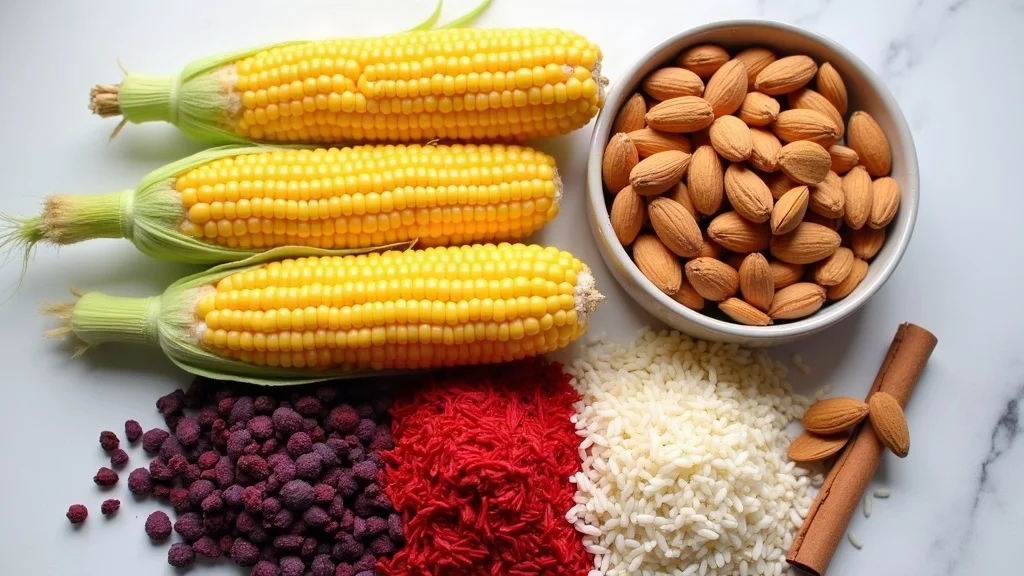
Core Ingredients & US Kitchen Equivalents
Sourcing authentic ingredients in the United States can be a challenge, but with the proliferation of Latin American markets and online specialty retailers, it is entirely achievable. The key is to look for specific labels and understand the substitutions that preserve the integrity of the flavor profile.
The Corn Component
The soul of the atol is the corn. For atol de elote, fresh, tender sweet corn is non-negotiable for authenticity. If fresh corn is unavailable, frozen kernels (unsweetened) are a viable substitute, though they lack the aromatic "milk" of a fresh cob.
- Fresh Sweet Corn: 4 to 6 ears of corn (approximately 2 lbs / 900g).
- Masa Harina: Use a high-quality nixtamalized corn flour (e.g., Maseca) for thicker or fermented variations. 1 cup (approx. 125g).
The Aromatics and Sweeteners
Guatemalan drinks rely on whole spices rather than extracts to achieve a depth of flavor.
- Ceylon Cinnamon Sticks: Prefer sticks over ground powder for a cleaner, more woody infusion. 1 stick (approx. 3 inches).
- Morro Seeds: Essential for authentic Guatemalan horchata. These are often found in Central American markets as semilla de morro. If unavailable, a combination of toasted almonds and a hint of nutmeg can approximate the earthiness. 1/2 cup (approx. 60g).
- Whole Milk & Evaporated Milk: Use whole milk for creaminess. Evaporated milk adds a concentrated richness common in street-style versions. 2 cups (475ml).
- Pure Cane Sugar: 1/2 to 1 cup (100g to 200g), adjusted to taste.
The Fermentation Base (for Atol Shuco)
- Blue Corn Masa: Provides the characteristic dark hue and earthy base. 1 cup (125g).
- Water: Filtered water is preferred to ensure a clean fermentation process. 4 cups (950ml).
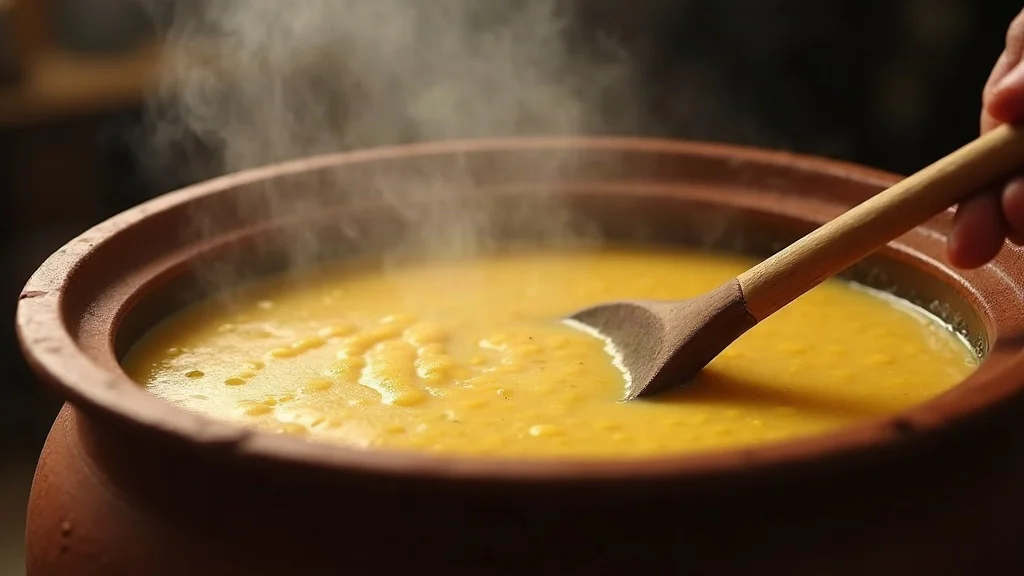
Step-by-Step Culinary Masterclass
Achieving the perfect consistency in Guatemalan drinks requires patience and a keen eye for texture. Below is the professional approach to the most iconic beverages.
Mastering Atol de Elote (Sweet Corn Drink)
Technique: The Emulsion of Fresh Maize
- Preparation: Shuck 6 ears of fresh sweet corn. Using a sharp knife, slice the kernels from the cob. Chef's Tip: After removing the kernels, run the cob under a small amount of water or squeeze it by hand to extract the "corn milk," which contains the highest concentration of flavor.
- The Blend: Place the kernels in a high-speed blender. Add 2 cups of water and 1 cup of whole milk. Blend on high until the mixture is as smooth as possible. For a rustic, market-style texture, leave a few tiny granules; for a gourmet finish, pass the mixture through a fine-mesh sieve.
- The Simmer: Pour the mixture into a heavy-bottomed pot. Add a cinnamon stick and a pinch of salt. Turn the heat to medium-low. It is imperative not to boil the mixture aggressively, as this can scorch the milk and create an unpleasant grainy texture.
- Thickening: Stir constantly with a wooden spoon or whisk for 15 to 20 minutes. The starches in the corn will naturally thicken the liquid into a silky, custard-like consistency.
- Final Seasoning: Stir in the sugar and a splash of vanilla extract during the last 5 minutes of cooking. Taste for balance—the salt should not be detectable, but it should act as a catalyst to make the corn flavor "pop."
The Art of Atol Shuco (Fermented Corn Drink)
Technique: Controlled Fermentation
- The Base: Mix blue corn masa with water to create a thin batter.
- The Wait: Allow the mixture to sit in a covered container at room temperature for 24 to 48 hours. The natural yeasts will begin to break down the sugars, creating the signature "shuco" (sour) flavor profile.
- The Cook: Once the aroma is tangily acidic, simmer the mixture over low heat. Unlike the sweet atol, this is often served with a savory accompaniment, such as a pinch of salt or paired with traditional appetizers.
Crafting Authentic Guatemalan Horchata
Technique: The Seed Infusion
- Soaking: Soak morro seeds and white rice in water overnight. This softens the seeds and releases the essential oils.
- Processing: Blend the soaked seeds, rice, and a cinnamon stick until completely liquefied.
- Straining: Use a cheesecloth or a nut-milk bag to strain the mixture. This step is critical; any remaining sediment will ruin the refreshing quality of the drink.
- Finishing: Stir in sugar and chilled milk. Serve over ice for maximum refreshment.
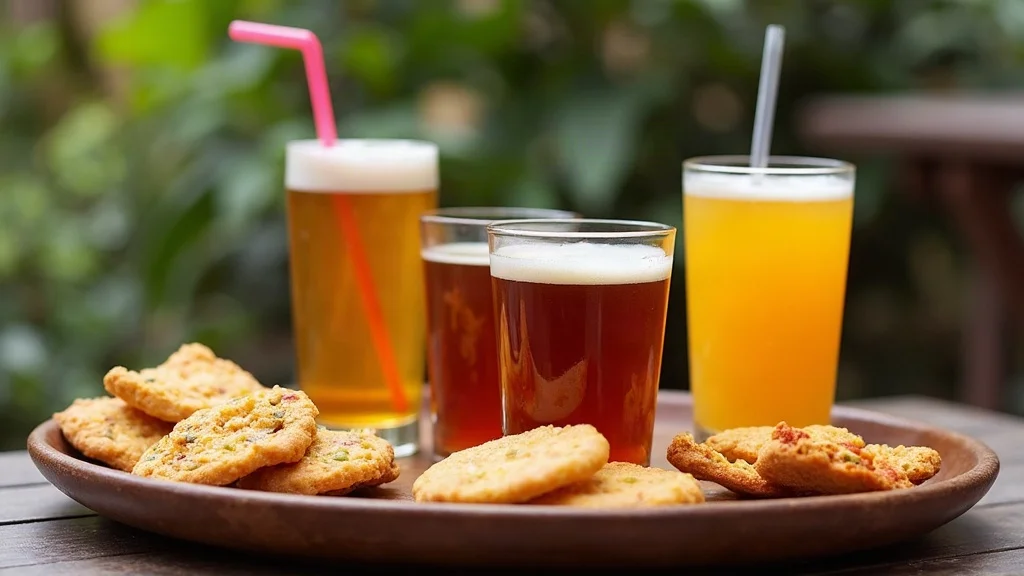
To elevate these beverages from simple drinks to a professional culinary experience, one must consider the variables of temperature, pairing, and preservation.
Perfecting the Texture
The hallmark of a master-level atol de elote is its "mouthfeel." It should be thick enough to coat the back of a spoon but fluid enough to drink comfortably. If the mixture becomes too thick during simmering, whisk in small amounts of warm milk rather than water to maintain the richness. For those seeking a "restaurant-style" finish, a final pass through a chinois (conical strainer) ensures a flawless, velvet-like texture.
Traditional Pairings
In Guatemala, these drinks are rarely consumed in isolation. To create an authentic tasting menu, pair your beverages with the following:
- Atol de Elote: Pair with pan dulce (sweet bread) or a piece of salty white cheese (queso fresco) to create a sweet-savory contrast.
- Atol Shuco: Best enjoyed with tamales or traditional corn tortillas. The acidity of the drink cuts through the richness of the masa.
- Horchata: An ideal accompaniment to spicy dishes or fried plantains, as the cooling properties of the rice and morro seed soothe the palate.
Storage and Preservation
Because these drinks rely on fresh dairy and corn starches, they are highly perishable.
| Beverage | Refrigeration | Reheating Method | Freezing |
|---|---|---|---|
| Atol de Elote | Up to 3 days | Low heat with added milk | Not Recommended |
| Atol Shuco | Up to 5 days | Gentle simmer | Not Recommended |
| Horchata | Up to 4 days | Serve chilled (do not heat) | Possible (without milk) |
Pro Tip: When reheating corn-based drinks, they often "set" into a gel-like state. Always add a tablespoon of warm milk or water and whisk vigorously over low heat to restore the emulsion. Never microwave these drinks on high, as the corn solids may separate and burn.
Nutrition and Dietary Note
Nutrition facts for traditional Guatemalan drinks are highly variable based on the ratio of milk to water and the amount of added sugar. As a general guideline, atoles provide a significant amount of energy through complex carbohydrates from the corn. Those seeking a lighter version can substitute whole milk with almond or oat milk, though this will alter the authentic flavor profile. Nutrition is best discussed per 100g, and homemade preparations should be adjusted according to individual dietary needs.
How to Source Ingredients in the USA
US Supermarket Equivalents: Primary staple ingredients for guatemala food and drinks are readily available at major American grocers such as Walmart, Kroger, Trader Joe's, and Whole Foods. Heirloom dried chiles and specialty produce can be found at local Latin American markets or ordered through online specialty grocers.
Frequently Asked Questions
What makes authentic Guatemalan guatemala food and drinks distinctive?
Authentic Guatemalan guatemala food and drinks is defined by its complex recado sauce architecture, highlighting toasted seeds and native aromatics rather than sharp chili heat.
Can this recipe be prepared in advance?
Yes, preparing the recado base or simmering stews 24 hours ahead enhances the depth of flavors significantly as the toasted spices meld together.
What are the best side dishes to serve alongside?
Traditionally enjoyed with warm handmade corn tortillas, fresh white rice, sliced avocado, and refried black beans.
Craving Authentic Guatemalan Cuisine Near You in the USA?
Explore our nationwide directory of verified Guatemalan restaurants, bakeries, and food trucks across all 50 states.
Find Guatemalan Restaurants Near You →If you want to see other articles similar to Traditional Guatemalan Drinks: Atol de Elote, Shuco, Horchata & More you can visit the category Drinks.