
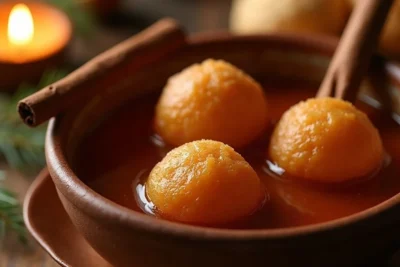
Authentic Guatemalan buñuelos are golden, fried wheat dough balls from Antigua Guatemala and colonial-era central Guatemala, traditionally drenched in a warm anise-scented miel de panela with cinnamon. They are crisp outside, tender inside, and emblematic of Christmas, New Year, fairs, and Holy Week.
Guatemalan Culinary Profile: Authentic Guatemalan Buñuelos
| Culinary Attribute | Authentic Guatemalan Profile |
|---|---|
| Traditional Guatemalan Name | Buñuelos Guatemaltecos / Buñuelos de Antigua Guatemala |
| Region of Origin in Guatemala | Antigua Guatemala, Sacatepéquez; also central Guatemala and documented spread to Huehuetenango in 1897 |
| Cultural & Historical Heritage | A fusion of Mayan culinary continuity and Spanish colonial frying technique; widely served at Christmas, New Year, Holy Week, and village fairs. No reliable source documents Intangible Cultural Heritage status for buñuelos specifically. |
| Flavor & Texture Profile | Crisp, golden exterior with a soft, airy, egg-enriched crumb; aromatic anise and warm cinnamon-clove syrup; sweet, lightly caramelized panela finish with a subtle floral licorice note. |
| Signature Chapín Ingredients | Wheat flour, eggs, butter or manteca, baking soda, anise seed or anise extract, panela or piloncillo, water, cinnamon, and optional cloves |
| Typical Prep & Cook Time | Prep: 30 minutes; Cook: 45 minutes; Total: about 1 hour 15 minutes |
| Traditional Accompaniments | Warm miel or agua miel de panela poured over the buñuelos; often served with café de olla, atol, or other holiday sweets during festive gatherings |
Authentic Buñuelos Guatemaltecos: From Holiday Fairs to Your Home Kitchen
Golden, airy, and delicately crispy, traditional buñuelos guatemala (buñuelos guatemaltecos) are signature feria treats served floating in a fragrant, piping-hot syrup infused with star anise and cinnamon. In the vibrant landscape of Central American gastronomy, few treats capture the essence of home and celebration quite like the Guatemalan buñuelo.
To the uninitiated, they may appear as simple fried dough balls, but to those who grew up in the highlands or the coastal plains of Guatemala, these are vessels of nostalgia, tradition, and complex flavor. Unlike the thin, crisp wafers found in Mexico or the cheese-filled spheres of Colombia, the buñuelos of Guatemala are defined by a specific, choux-style preparation that results in a light, airy interior and a golden-crisp exterior.
The sensory experience of a true Guatemalan buñuelo begins long before the first bite. It starts with the intoxicating aroma of anise and cinnamon wafting through the kitchen, a scent that signals a festive occasion.
When served, these warm spheres are submerged in or drizzled with a thick, translucent syrup—traditionally infused with anise—that clings to the dough, creating a glistening, honey-like glaze. The flavor profile is a masterclass in balance: the richness of the fried dough is cut by the herbal, licorice-like notes of the anise and the deep, molasses-like sweetness of the syrup.
It is a dessert that manages to be simultaneously decadent and comforting, embodying the spirit of Guatemalan hospitality.
Mayan Roots & Cultural Heritage in Guatemala
The history of the buñuelo in Guatemala is a culinary palimpsest, where indigenous Mayan traditions overlap with the influences of the Spanish colonial era. While the technique of frying dough in oil was introduced by the Spanish, the Guatemalan interpretation evolved into something distinct, incorporating local preferences and available ingredients.
In the colonial kitchens, the blend of European baking methods and local sweets created a unique hybrid dessert that became a staple of the national identity.
Beyond the ingredients, buñuelos hold a profound place in the ritual calendar of Guatemala. They are most prominently associated with All Saints’ Day (Día de Todos los Santos) and other major religious and family festivals.
In these contexts, food is not merely sustenance; it is a bridge between the living and the ancestors, a way of honoring family lineage through shared labor in the kitchen. The act of preparing buñuelos is often a communal effort, with multiple generations gathering to stir the dough and monitor the frying oil, passing down the “secret” timings and textures from grandmother to grandchild.
This cultural significance transforms the buñuelo from a simple sweet into a symbol of continuity. Whether served at a wedding, a patron saint’s festival, or a quiet Sunday afternoon tea, the presence of these anise-scented treats signifies that the occasion is special.
They represent the enduring fusion of Old World technique and New World spirit, remaining a cherished pillar of Guatemalan culinary heritage.
Core Ingredients & US Kitchen Equivalents
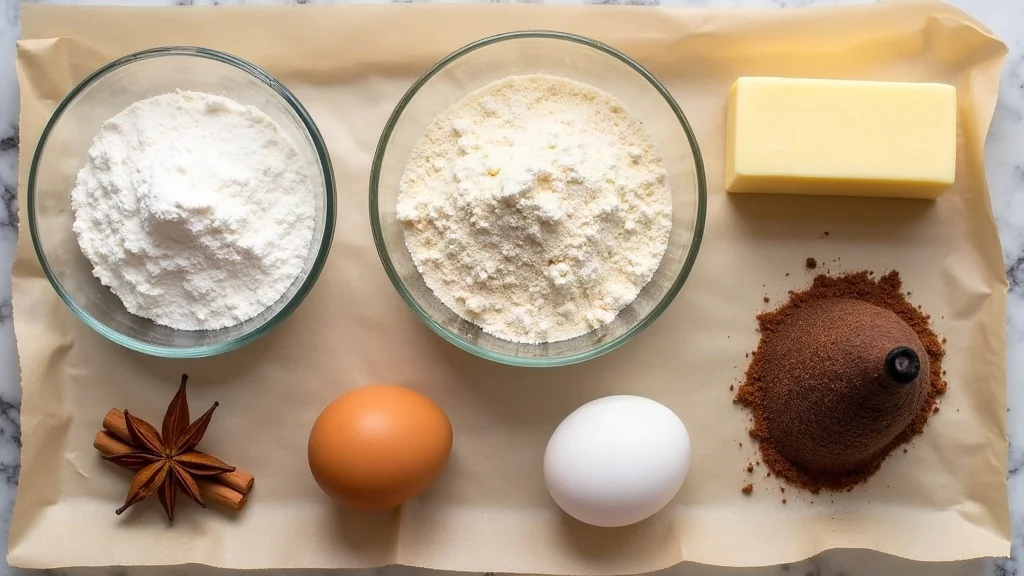
For the home cook in the United States, sourcing authentic ingredients for Guatemalan buñuelos is simpler than it seems. While traditional recipes may call for specific regional fats or sugars, high-quality substitutes are readily available in most American supermarkets or local Latin mercados.
The Dough Base
The goal is a cooked paste that will puff up during frying. Precision in measurement is key to achieving the correct consistency.
| Ingredient | US Imperial Measurement | Metric Measurement | Pro Tip/Substitution |
|---|---|---|---|
| All-Purpose Flour | 1 1/2 cups | 190 grams | Sifted to avoid clumps in the paste. |
| Unsalted Butter | 4 tbsp (1/2 stick) | 57 grams | Can be substituted with lard for a more traditional flavor. |
| Water or Whole Milk | 1 cup | 240 ml | Milk adds richness; water creates a lighter shell. |
| Eggs (Large) | 2 units | Approx. 100 grams | Room temperature to ensure smooth integration. |
| Salt | 1/2 tsp | 3 grams | Balances the sweetness of the syrup. |
The Anise Syrup (The Soul of the Dish)
The syrup is what distinguishes the Guatemalan version from other fried doughs. The use of piloncillo provides a depth of flavor that white sugar cannot replicate.
| Ingredient | US Imperial Measurement | Metric Measurement | Pro Tip/Substitution |
|---|---|---|---|
| Piloncillo or Panela | 1 cone/block (approx. 8 oz) | 225 grams | Substitute with dark brown sugar if unavailable. |
| Water | 2 cups | 480 ml | The base for the syrup reduction. |
| Anise Seeds | 1 tsp | 2 grams | Whole seeds provide a cleaner, more authentic aroma. |
| Cinnamon Stick | 1 stick (3 inches) | Approx. 5 grams | Ceylon cinnamon is preferred for a subtle sweetness. |
| Cloves | 2-3 whole pieces | 1 gram | Optional; adds a warm, spicy undertone. |
Step-by-Step Culinary Masterclass
Creating the perfect buñuelo requires a combination of patience and precise heat control. This is not a batter that is simply mixed; it is a dough that is cooked twice—once on the stove and once in the fryer.
Phase 1: Crafting the Syrup
The syrup must be prepared first so it can simmer and develop its flavor profile while you work on the dough.
- Combine and Heat: In a medium saucepan, combine the water, piloncillo (broken into smaller chunks), cinnamon stick, anise seeds, and cloves.
- Simmer: Bring the mixture to a boil over medium heat, then reduce to a simmer. Allow the piloncillo to dissolve completely.
- Reduce: Simmer the syrup for 15 to 20 minutes. You are looking for a honey-like consistency. It should coat the back of a spoon lightly. Keep this on low heat or warm until ready to serve.
Phase 2: Preparing the Cooked Dough
This stage mimics the technique used for French pâte-à-choux, creating the internal structure that allows the buñuelos to expand.
- The Boil: In a heavy-bottomed pot, combine the water (or milk), butter (or lard), and salt. Bring the mixture to a rolling boil over medium heat, ensuring the fat is completely melted and incorporated.
- The Incorporation: Once boiling, remove the pot from the heat momentarily. Add the all-purpose flour all at once. Stir vigorously with a wooden spoon or sturdy spatula until the flour is fully absorbed and a smooth, thick paste forms. Return to low heat for 1 minute, stirring constantly to “cook” the flour, then remove from heat.
- The Cooling Period: Let the dough cool for 5 to 10 minutes. This is a critical step; if the dough is too hot, the eggs will scramble upon contact, ruining the texture.
- Adding Eggs: Beat the eggs one at a time. Incorporate the first egg fully into the dough before adding the second. The resulting dough should be glossy, smooth, and hold its shape but remain pliable.
Phase 3: The Frying Process
Temperature management is the difference between a golden-brown buñuelo and one that is greasy or raw in the center.
- Heat the Oil: Fill a deep skillet or pot with vegetable oil (about 2-3 inches deep). Heat to approximately 350°F (175°C). Chef’s Tip: To test without a thermometer, drop a small piece of dough into the oil; if it bubbles and rises to the surface immediately, the oil is ready.
- Shape the Dough: Using two spoons or your hands, scoop small portions of dough and roll them into balls roughly 1 inch in diameter. Do not overwork the dough, or they may become too dense.
- Fry in Batches: Carefully drop the balls into the oil. Avoid overcrowding the pan, as this drops the oil temperature and leads to oil absorption. Fry for 3 to 5 minutes, turning occasionally, until they are a deep golden brown.
- Drain: Remove with a slotted spoon and place on paper towels for just 30 seconds to remove excess surface oil.
Phase 4: The Final Assembly
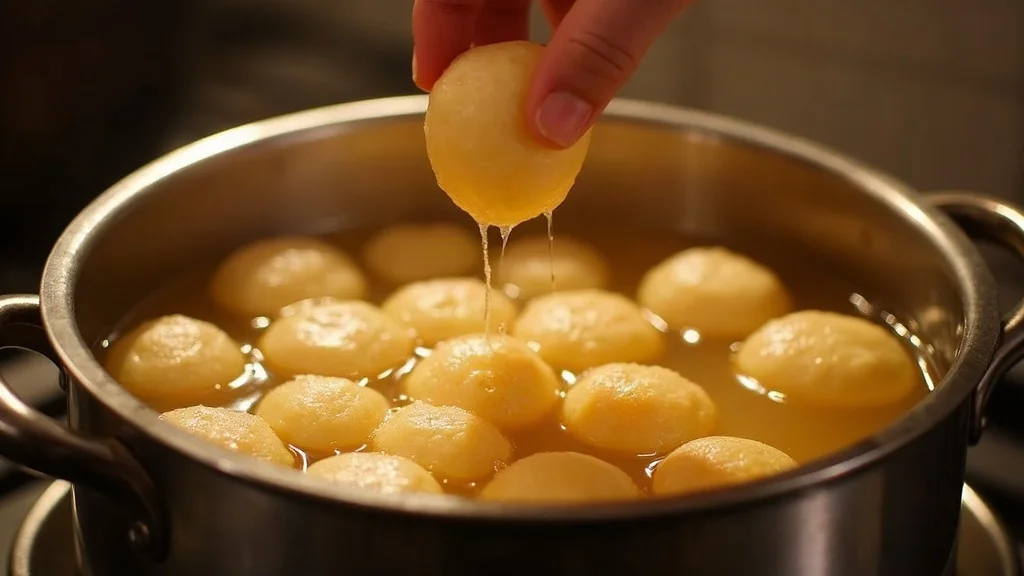
While the buñuelos are still hot, transfer them into the warm anise syrup. You may either soak them for a few minutes for a more moist interior or simply drizzle the syrup over them for a lighter finish.
Serve immediately while the contrast between the hot dough and the sweet syrup is at its peak.
Chef Secrets: Texture, Pairings & Storage
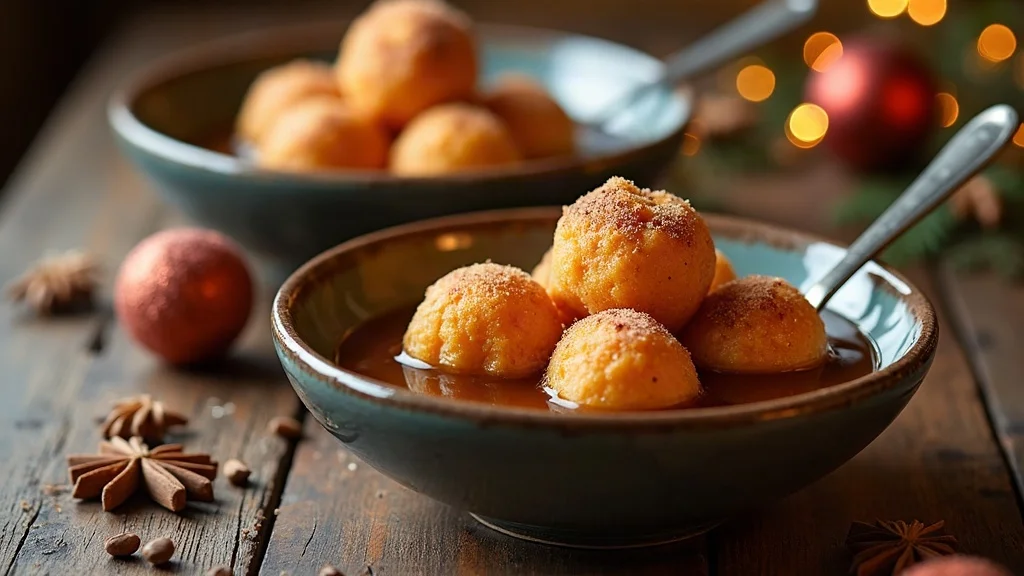
To elevate your buñuelos from a home-cooked treat to a professional-grade dessert, consider these master tips regarding texture, presentation, and preservation.
Optimizing Texture
The hallmark of a great buñuelo is the “puff.” If your buñuelos are too dense, it is usually due to one of two things: over-mixing the dough after adding the eggs or frying at too low a temperature. Ensure the oil is consistently hot.
If you notice the dough is not expanding, check your leavening—while this recipe doesn’t use baking powder, the steam created by the cooked dough and eggs provides the lift. Ensure the water/butter mixture was at a full boil before the flour was added.
Traditional Accompaniments & Pairings
In Guatemala, buñuelos are rarely eaten in isolation. To create a truly authentic experience, pair them with the following:
- Beverages: A hot cup of café de olla (coffee brewed with cinnamon and piloncillo) is the classic companion. For a non-caffeinated option, a warm glass of spiced milk or a traditional Guatemalan hot chocolate made with cinnamon and vanilla complements the anise notes perfectly.
- Contrast: Some modern interpretations serve these with a dollop of fresh whipped cream or a sprinkle of toasted sesame seeds to add a nutty contrast to the sweet syrup.
Storage and Reheating Guidelines
Because buñuelos are fried and then soaked in syrup, they are best consumed fresh. However, if you have leftovers, follow these guidelines:
- Refrigeration: Store the buñuelos and syrup separately. Place the fried dough in an airtight container and the syrup in a glass jar. They will keep in the refrigerator for up to 3 days.
- Reheating: Do not microwave the dough, as this will make them rubbery. Instead, flash-fry them in a pan with a teaspoon of oil or heat them in an oven at 350°F for 5 minutes to restore the crispness. Warm the syrup in a small saucepan before drizzling.
- Freezing: You can freeze the fried dough (before adding syrup) for up to a month. Thaw in the refrigerator and reheat in the oven before applying the fresh, warm syrup.
By mastering the balance of the cooked dough and the aromatic reduction of the anise syrup, you bring a piece of Guatemalan soul into your kitchen. These buñuelos are more than just a dessert; they are a celebration of history, family, and the enduring art of Latin American confectionery.
Regional Variations & Where to Find Ingredients in the US
What Makes Antigua Guatemala Buñuelos Different
Antigua Guatemala buñuelos are distinguished by their wheat-based dough enriched with eggs and butter, then fried until puffed and golden.
The defining touch is the anise-scented miel de panela, which sets them apart from Latin American versions that may use honey, cheese, or yuca dough.
How to Make the Perfect Miel de Panela for Buñuelos
Dissolve panela or piloncillo in water with cinnamon sticks and a few cloves, then simmer until lightly thickened and fragrant.
Add anise seed or a splash of anise extract at the end so the floral aroma stays bright and does not cook away.
When Do Guatemalans Eat Buñuelos
Buñuelos are a holiday treat, most common at Christmas, New Year, Holy Week processions, and local ferias.
Families often serve them after midnight Mass or during posadas, paired with coffee or atol.
Where to Buy Ingredients in the USA
Find panela or piloncillo, anise seed, and true Ceylon cinnamon at Latin markets such as Northgate, Cardenas, or Fiesta Mart, or order online from Mexican and Central American grocers. Substitute dark brown sugar tightly packed with a teaspoon of molasses if panela is unavailable.
How to Spot Authentic Chapín Flavor
Authentic chapín buñuelos are hand-shaped, fried fresh to order, and served swimming in warm miel de panela with visible anise and cinnamon. Avoid pre-frozen versions; the real dish should taste of fresh wheat dough and floral panela, not just sugar.
Explore More Authentic Guatemalan Dishes & US Restaurants
Continue exploring our traditional Guatemalan culinary encyclopedia with these related guides:
Frequently Asked Questions About Authentic Guatemalan Buñuelos
What are Guatemalan buñuelos made of?
They are made from a wheat flour dough with eggs, butter or lard, baking soda, and anise, then fried and soaked in a warm syrup of panela, water, cinnamon, and sometimes cloves.
What is the syrup on Guatemalan buñuelos called?
The syrup is called miel or agua miel, traditionally made by dissolving panela or piloncillo in water with cinnamon, cloves, and anise.
Where do Guatemalan buñuelos come from?
They are associated with Antigua Guatemala and colonial-era central Guatemala, with one source noting the recipe reached Huehuetenango from Antigua in 1897.
When are buñuelos eaten in Guatemala?
Buñuelos are especially popular at Christmas, New Year, Holy Week, and village fairs, often served with coffee or atol.
Leave a Reply