
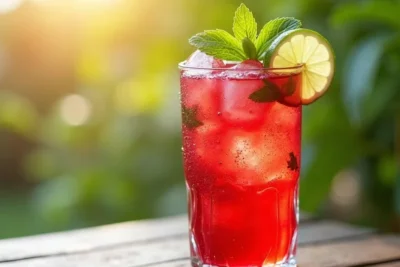
Fresco de Rosa de Jamaica is a traditional Guatemalan hibiscus tea known for its deep red color and tart, refreshing flavor. While introduced during the colonial period, its cultivation is strongly rooted in Baja Verapaz and Huehuetenango.
It is a staple chilled beverage served across Guatemala to balance savory meals.
Guatemalan Culinary Profile: Fresco de Rosa de Jamaica
| Culinary Attribute | Authentic Guatemalan Profile |
|---|---|
| Traditional Guatemalan Name | Fresco de Rosa de Jamaica |
| Region of Origin in Guatemala | Baja Verapaz and Huehuetenango |
| Cultural & Historical Heritage | Colonial heritage beverage introduced via the Caribbean; widely integrated into daily Chapin gastronomy. |
| Flavor & Texture Profile | Tart, cranberry-like acidity with a clean, light liquid texture and a sweet finish. |
| Signature Chapín Ingredients | Dried flor de jamaica, purified water, cane sugar, and optional cinnamon or lime. |
| Typical Prep & Cook Time | 20 minutes prep, 15 minutes boiling |
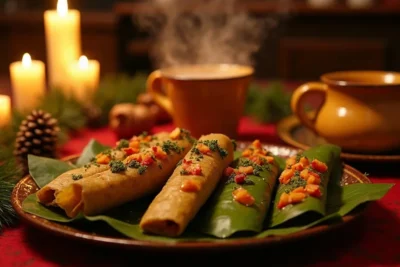
| Traditional Accompaniments | Served chilled alongside tamales, traditional lunch dishes, and festive street foods. |
The Ruby Elixir of Central America: An Introduction to Fresco de Rosa de Jamaica
In the vibrant tapestry of Guatemala food and drinks, few beverages possess the visual magnetism and sensory complexity of Fresco de Rosa de Jamaica. To the uninitiated, it appears as a deep, translucent ruby liquid, shimmering in a glass over crushed ice.
To the Guatemalan, it is a nostalgic staple—a tart, floral, and deeply refreshing beverage that defines the rhythm of daily life, from the bustling street markets of Antigua to the quiet courtyards of Quetzaltenango.
The flavor profile of a true Rosa de Jamaica is a sophisticated balance of acidity and sweetness. It is not a “tea” in the traditional sense of Camellia sinensis, but rather an infusion of the calyces of the Hibiscus sabdariffa plant.
The resulting liquid is bold and astringent, reminiscent of a non-alcoholic cranberry juice but with a distinct floral top note and a clean, crisp finish. When prepared authentically, the drink carries a subtle warmth from cinnamon and a bright, citrusy lift from fresh lime, making it the ultimate palate cleanser and a cooling sanctuary against the humid Central American climate.
Beyond its taste, the drink is a cornerstone of Guatemalan hospitality. Whether served as a welcome drink for guests or as a refreshing accompaniment to a heavy midday meal, Fresco de Jamaica represents the essence of the region’s approach to beverages: utilizing nature’s raw, botanical ingredients to create something that is both medicinal in its perceived health benefits and celebratory in its presentation.
Mayan Roots and Cultural Heritage in Guatemala
To understand the significance of hibiscus in Guatemala food and drinks, one must look beyond the recipe to the intersection of indigenous Mayan knowledge and Spanish colonial influence. While the Hibiscus sabdariffa plant is native to West Africa, it was introduced to the Americas during the colonial era.
However, it found a second home in the fertile volcanic soils of Guatemala, where it was integrated into a culture already deeply attuned to botanical infusions and herbal medicine.
The Mayan people have a millennia-long history of utilizing local flora for both spiritual and physical healing. The adoption of the hibiscus flower aligned perfectly with this tradition.
In Guatemalan culture, the drink evolved from a simple herbal tonic into a ritualistic beverage. Its presence is perhaps most poignant during the celebrations of All Saints’ Day.
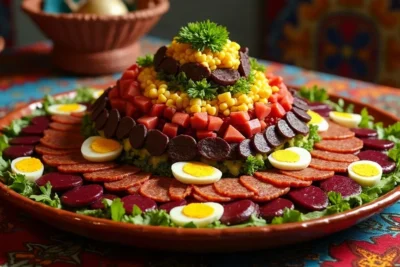
In the preparation of fiambre—the colossal, intricate cold salad that serves as the centerpiece of November 1st celebrations—the tartness of Rosa de Jamaica provides a necessary acidic counterpoint to the rich combination of cured meats, pickled vegetables, and cheeses.
Regionally, the drink serves as a social lubricant. In small villages, the “fresco” is more than a drink; it is a gesture of community.
The act of brewing large pots of hibiscus, sweetening them to a communal preference, and serving them in oversized pitchers is a hallmark of Guatemalan social gatherings. It bridges the gap between the ancient practice of foraging and the modern culinary identity of a nation that prides itself on the purity and boldness of its flavors.
Core Ingredients and US Kitchen Equivalents
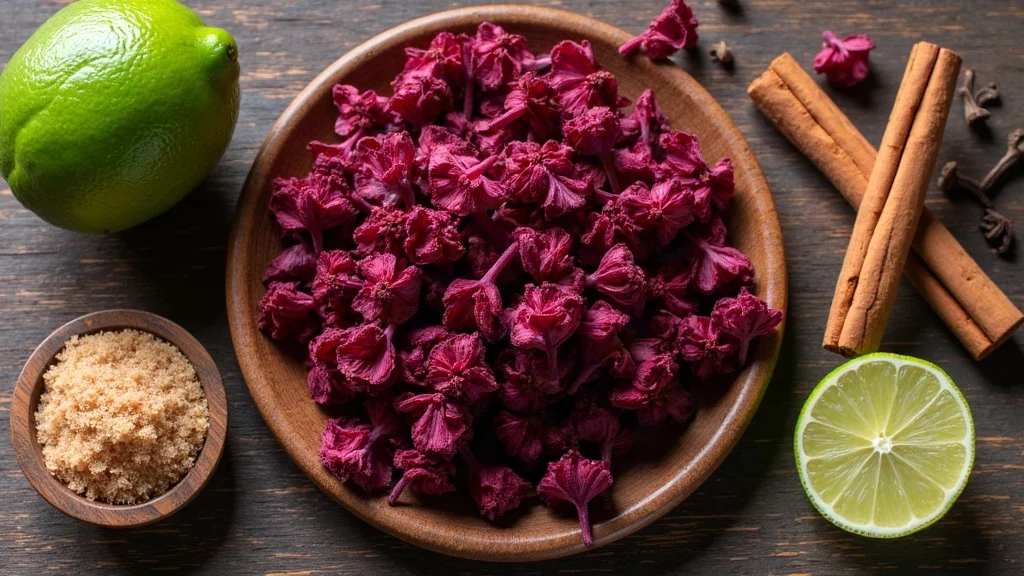
For the American home cook, sourcing authentic ingredients for Rosa de Jamaica is simpler than it once was. The key is to look for high-quality, dried calyces rather than processed tea bags, which often lack the intensity and depth of the whole flower.
The Essential Ingredient List
| Ingredient | US Imperial Measurement | Metric Measurement | Notes for the Buyer |
|---|---|---|---|
| Dried Hibiscus Flowers | 1 cup (approx. 3-4 oz) | 80-100 grams | Look for “Flor de Jamaica” in Latin markets. |
| Water | 8 cups | 1.9 liters | Filtered water is recommended for a cleaner taste. |
| Granulated Sugar | 1/2 to 1 cup (to taste) | 100-200 grams | Adjust based on desired tartness. |
| Cinnamon Stick | 1 stick (approx. 3 inches) | 1 stick (approx. 7-8 cm) | Ceylon cinnamon provides a softer, sweeter note. |
| Fresh Lime Juice | 2 tbsp (approx. 1-2 limes) | 30 ml | Must be freshly squeezed; avoid bottled concentrate. |
Sourcing Guide for the US Market
When shopping in US supermarkets, you will encounter various labels. To achieve the authentic Guatemalan profile, prioritize the following:
- Flor de Jamaica: This is the gold standard. Usually found in Mexican or Central American grocery stores, these are the whole dried calyces. They should be deep red, not brown, and have a sharp, floral aroma.
- Dried Hibiscus Petals: Often found in organic or health food stores. Ensure the ingredient list contains 100% hibiscus with no added flavorings or preservatives.
- Hibiscus Tea Bags: Use these only as a last resort. If using bags, double the quantity to compensate for the lower concentration of botanical material.
Step-by-Step Culinary Masterclass
Creating a professional-grade Fresco de Rosa de Jamaica requires more than just boiling water; it requires a controlled extraction of flavor. Over-boiling the flowers can lead to an overly bitter, “tannic” taste that masks the floral elegance of the hibiscus.
Phase 1: The Preparation and Rinse
Begin by placing your dried hibiscus flowers in a fine-mesh strainer. Quickly rinse them under cold running water.
This step is critical for removing dust and any residual debris from the drying process, ensuring your final beverage is crystal clear and free of sediment.
Phase 2: The Primary Infusion
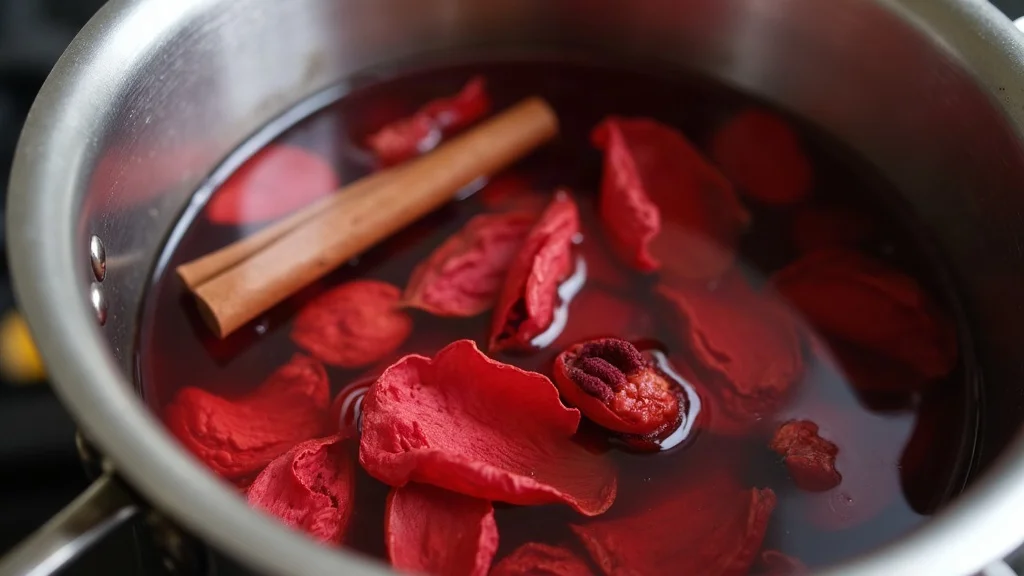
In a large stockpot, combine 4 cups (950 ml) of water, the cinnamon stick, and the sugar. Bring this mixture to a rolling boil over medium-high heat.
The sugar should be fully dissolved, creating a light cinnamon syrup. This method ensures the sweetness is integrated into the base of the drink rather than sitting on top.
Phase 3: Controlled Steeping
Once the water reaches a boil, remove the pot from the heat immediately. Add the rinsed hibiscus flowers and cover the pot with a tight-fitting lid.
Allow the flowers to steep for 10 to 15 minutes. This “off-heat” steeping method extracts the vibrant pigments and tart flavors without releasing the bitter compounds associated with prolonged boiling.
Phase 4: Filtration and Dilution
Using a fine-mesh sieve or a piece of cheesecloth, strain the concentrated infusion into a large glass pitcher. Discard the spent flowers and cinnamon stick.
While the concentrate is still warm, stir in the remaining 4 cups (950 ml) of cold filtered water. This rapid dilution helps lock in the bright red color and prevents the drink from becoming too syrupy.
Phase 5: The Finishing Touch
Place the pitcher in the refrigerator for at least two hours. Just before serving, stir in the fresh lime juice.
Adding the lime at the end—rather than during the boil—preserves the volatile citrus oils and provides a sharp, fresh contrast to the deep floral notes.
Chef Secrets: Texture, Pairings, and Storage
To elevate your Fresco de Rosa de Jamaica from a simple drink to a gourmet experience, consider these professional adjustments to presentation and storage.
Optimizing Texture and Presentation
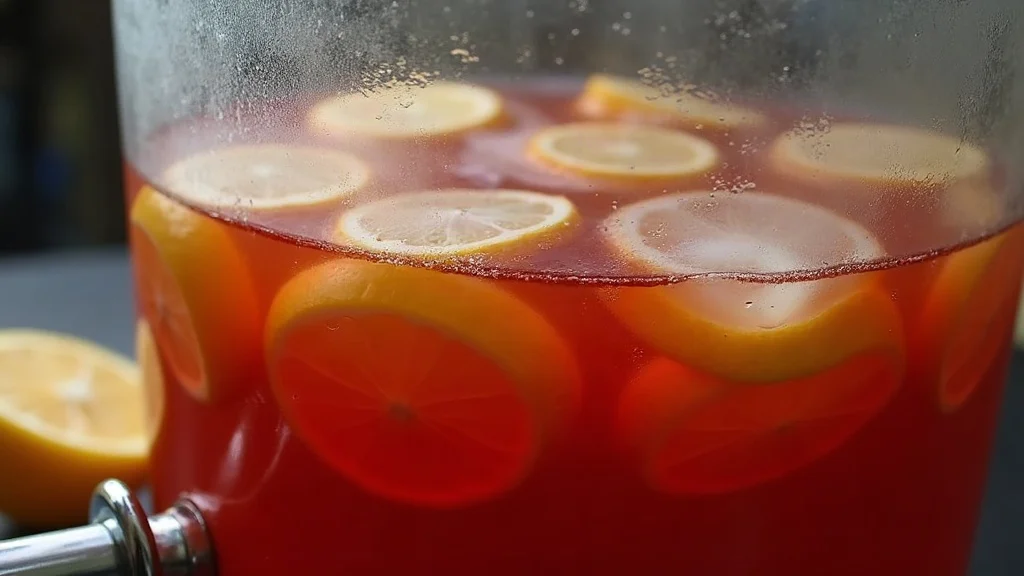
The visual appeal of this drink is half the experience. To achieve a “restaurant-style” presentation, serve the beverage in tall glasses filled to the brim with crushed ice rather than cubes.
The crushed ice chills the drink more rapidly and creates a frosted effect on the glass. Garnish with a thin wheel of lime and a sprig of fresh mint to add a layer of aromatic freshness that complements the hibiscus.
Traditional Pairings and Gastronomy
Because of its high acidity, Rosa de Jamaica is an exceptional companion to rich, savory Guatemalan dishes. It is specifically recommended for:
- Pepián: The tartness of the drink cuts through the nuttiness and richness of this traditional Guatemalan stew.
- Tostadas: Pairs beautifully with avocado and crema-topped tostadas.
- Grilled Meats: The acidity acts similarly to a vinaigrette, cleansing the palate between bites of fatty meats.
Storage and Preservation
Freshly brewed hibiscus tea is best consumed within 3 to 5 days. To maximize shelf life, store the beverage in an airtight glass container to prevent it from absorbing odors from other foods in the refrigerator.
Pro Tip for Batching: If you are preparing the drink for a large event, you can create a “hibiscus concentrate” by omitting the final 4 cups of water during the cooking process. Store this concentrate in the freezer in ice cube trays.
When ready to serve, simply drop a few hibiscus concentrate cubes into a glass of sparkling water for an instant, effervescent version of the classic drink.
Nutritional Perspective
While sugar levels can be adjusted to personal preference, it is worth noting that raw hibiscus is naturally rich in antioxidants and vitamin C. By reducing the sugar content and leaning into the natural tartness, the drink becomes a powerhouse of hydration.
For those seeking a sugar-free alternative, a small amount of honey or agave nectar can be stirred in while the infusion is still warm, though the traditional Guatemalan profile relies on the clean sweetness of granulated cane sugar.
Regional Variations & Where to Find Ingredients in the US
Beneficios del Fresco de Rosa de Jamaica
This refreshing drink is prized for its antioxidant properties and ability to help regulate blood pressure. Many Guatemalans drink it to support digestive health.
It serves as a natural diuretic and is often used in traditional home care to reduce inflammation and manage cholesterol levels.
Como hacer Fresco de Rosa de Jamaica con Piña
Adding pineapple creates a tropical twist that balances the tartness of the hibiscus with natural sweetness. This variation is popular in warmer Guatemalan regions.
Simply boil pineapple chunks with the dried flowers to infuse the beverage with a fruity, aromatic depth.
Como preparar Refresco de Rosa de Jamaica
The authentic process involves boiling dried calyces of the hibiscus flower until the water reaches a deep crimson hue. The liquid is then strained and sweetened.
For the best result, allow the concentrate to steep for several minutes before adding cold water and ice for serving.
Where to Buy Ingredients in the USA
Dried flor de jamaica is readily available in the international aisle of most US supermarkets or local Hispanic grocery stores. Look for organic dried hibiscus calyces.
How to Spot Authentic Chapín Flavor
Authentic versions avoid artificial syrups and rely on cane sugar and pure flower infusions. It should be served ice-cold with a vibrant, natural ruby-red transparency.
Explore More Authentic Guatemalan Dishes & US Restaurants
Continue exploring our traditional Guatemalan culinary encyclopedia with these related guides:
Frequently Asked Questions About Fresco de Rosa de Jamaica
Fresco de rosa de jamaica para que sirve?
It is used primarily as a refreshing beverage and a natural remedy to lower blood pressure, reduce water retention, and provide a high dose of antioxidants.
Fresco de rosa de jamaica en ingles?
In English, this drink is most commonly referred to as Hibiscus Tea or Hibiscus Water, though it is served cold and sweetened in the Guatemalan style.
Como hacer el fresco de rosa de jamaica?
Boil dried hibiscus flowers in water, strain the liquid, and stir in sugar or honey while warm. Dilute with cold water and serve over ice.
Beneficios del fresco de rosa de jamaica?
Key benefits include its diuretic properties, support for cardiovascular health, and high concentration of Vitamin C and anthocyanins for immune support.
Leave a Reply