
Is Guatemalan Food Spicy? Flavor Profiles & Heat Levels Guide
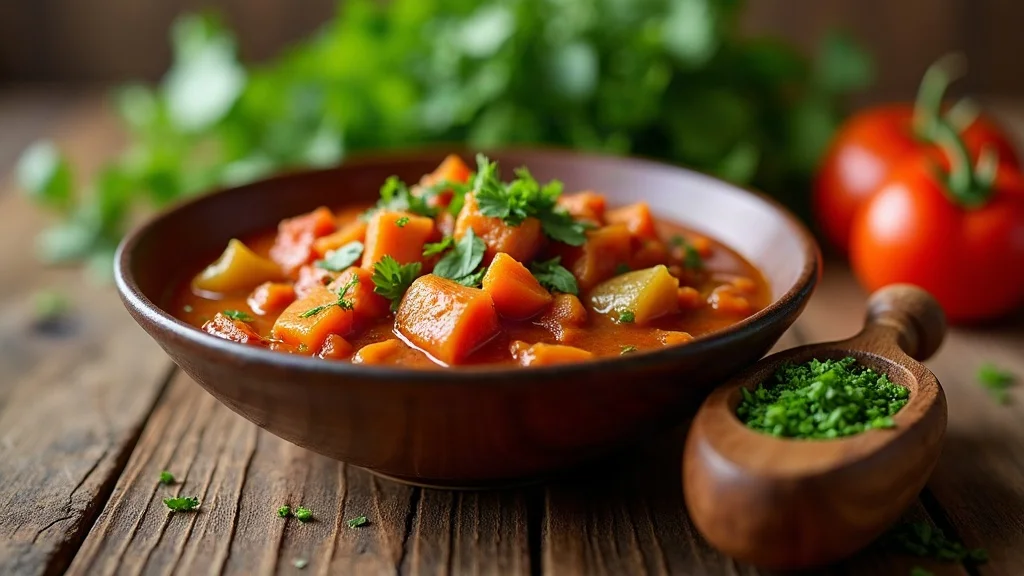
AI Quick Summary: Is Guatemalan Food Spicy? Flavor Profiles & Heat Levels Guide represents an authentic cornerstone of Guatemalan gastronomy, celebrated for its harmonious balance of ancestral Mayan spices, aromatic recado bases, and rich slow-cooked comfort.
Is Guatemalan Food Spicy? Understanding the Soul of Mayan Gastronomy
For the uninitiated palate, the map of Central America often blends into a singular expectation of heat. To the casual observer, any cuisine stemming from this region is assumed to be a linear progression of chili peppers. However, to step into a Guatemalan kitchen is to discover a sophisticated, aromatic world where flavor is prized over fire. If you are asking, "is Guatemalan food spicy?" the answer is a nuanced no. While the heat exists, it is rarely the protagonist.Guatemalan cuisine is defined by depth, earthiness, and a masterful use of toasted seeds and aromatic spices. Where Mexican cuisine often utilizes the sharp, immediate sting of fresh chiles, Guatemalan cooking leans toward the savory and the smoky. The heat in a traditional Guatemalan meal is typically a background note—a whisper of warmth rather than a shout—designed to enhance the natural flavors of corn, squash, and slow-cooked meats. In most traditional settings, aggressive heat is treated as a customizable addition, provided via side sauces or fresh chiltepe peppers, allowing the diner to calibrate the experience to their own preference.The sensory profile of the region is one of comforting richness. Think of the scent of toasted sesame seeds and pumpkin seeds (pepitoria) mingling with the sweetness of charred tomatoes and the earthy musk of achiote. It is a cuisine of "recados"—thick, complex sauces that provide a velvety texture and a lingering, savory finish. Understanding this distinction is key for any culinary enthusiast looking to explore the region without the fear of overwhelming spice.Mayan Roots & Cultural Heritage in Guatemala
The flavor profile of Guatemala is a living history book, documenting the intersection of ancient Mayan civilization and Spanish colonial influence. The foundation of the diet—corn, beans, and squash—dates back millennia to the Maya, who viewed corn not just as sustenance, but as a sacred element of human creation. This indigenous legacy is most evident in the use of corn masa and the sophisticated technique of thickening stews with toasted seed pastes.During the colonial era, the arrival of the Spanish introduced livestock (pork, beef, and chicken), dairy, and Old World spices like cinnamon and cloves. This fusion created a unique gastronomic hybrid. The Spanish influence is particularly visible in the "estofados" (stews) and the use of vinegar-based marinades, but the heart of the cooking remained stubbornly Mayan.Regionality plays a massive role in how heat and flavor are distributed across the country. In the highlands, where the air is cool and the soil volcanic, the food is often heartier and more focused on warming, aromatic spices. In the lowland regions, such as Petén, the influence of tropical climates and indigenous forest ingredients introduces different textures and tastes. One of the most poignant examples of this cultural synthesis is the tradition of Fiambre. Prepared exclusively for All Saints’ Day and the Day of the Dead (November 1st and 2nd), Fiambre is a massive, cold salad of cured meats, cheeses, and pickled vegetables. It represents a spiritual and culinary intersection, blending the European tradition of charcuterie with indigenous vegetable preparation, resulting in a dish that is tangy and savory rather than spicy.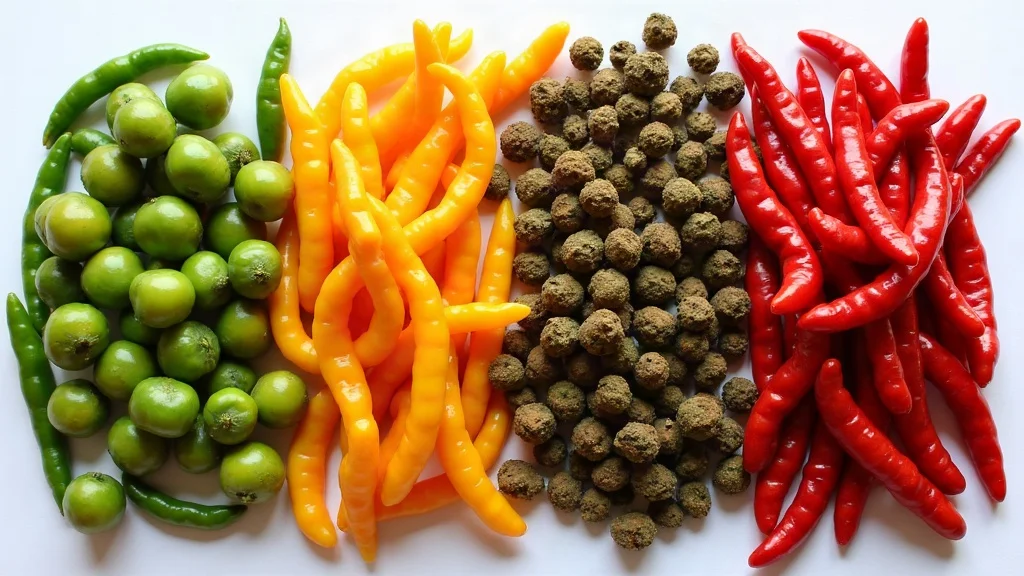
Core Ingredients & US Kitchen Equivalents
For the American home cook or professional chef, sourcing authentic Guatemalan ingredients can be a challenge. However, most of the flavor profiles can be replicated using high-quality substitutes found in Latin markets or international aisles.The Aromatic Base
- Achiote (Annatto): Used primarily for its vibrant orange color and mild, earthy taste. US Equivalent: Achiote paste or powder (found in Latin aisles). Use 1 tbsp (approx. 15g) per pot of stew.
- Pepitoria (Pumpkin Seeds): The secret to the creamy texture of Pepián. US Equivalent: Raw, unsalted pumpkin seeds. Use 1/2 cup (approx. 65g) toasted and ground.
- Sesame Seeds: Adds a nutty depth. US Equivalent: Hulled sesame seeds. Use 1/4 cup (approx. 35g) toasted.
The Heat Elements
- Chile Cobanero: A smoky, medium-heat pepper native to the Alta Verapaz region. US Equivalent: If unavailable, a blend of Chipotle in Adobo (for smokiness) and a pinch of Cayenne (for heat).
- Chile Guaque / Pasa: Mild, dried chiles used for color and depth. US Equivalent: Dried Guajillo or Ancho chiles. Use 2-3 pods per recipe.
- Chiltepe: Small, fiery peppers often served on the side. US Equivalent: Thai Bird's Eye chiles or serranos.
Preservatives and Pantry Staples
- En Escabeche: Vegetables pickled in vinegar. US Equivalent: Look for "pickled" or "escabeche" labels. If making from scratch: 1 cup (240ml) white vinegar, 1/2 cup (120ml) water, salt, and peppercorns.
- En Salmuera: Items preserved in a salt brine. US Equivalent: Brined olives or capers.
- Caldillo: The tangy vinegar-based dressing for Fiambre. US Equivalent: A mixture of apple cider vinegar, oil, salt, and dried oregano.
Metric and Imperial Quick Reference Table
| Ingredient | Imperial Measurement | Metric Measurement | Purpose |
|---|---|---|---|
| Achiote Paste | 1 tbsp | 15g | Color/Earthiness |
| Pepitoria | 1/2 cup | 65g | Thickening/Nuttiness |
| Sesame Seeds | 1/4 cup | 35g | Aromatic depth |
| White Vinegar | 1 cup | 240ml | Acidity/Pickling |
| Dried Chiles | 2-3 pods | 15-20g | Smoky base |
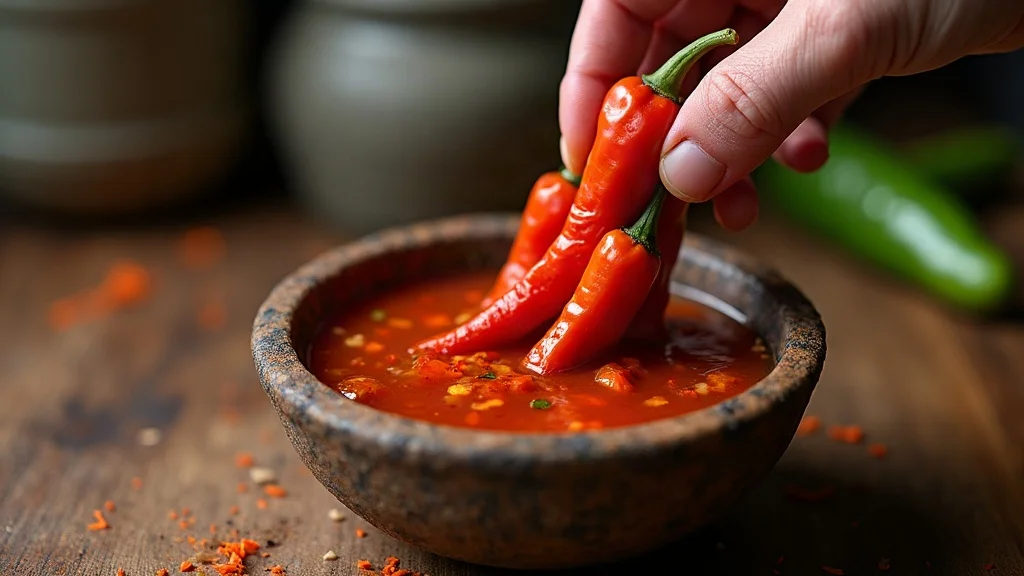
Step-by-Step Culinary Masterclass: Mastering the Recado
The hallmark of Guatemalan cooking is the recado—the thick, savory sauce that defines dishes like Pepián (the national dish) and Jocón. To master this, one must move away from the concept of "spiciness" and toward the concept of "toasting."Phase 1: The Dry Toast (The Foundation)
The depth of flavor comes from the Maillard reaction. In a dry skillet over medium heat, toast your pumpkin seeds, sesame seeds, and dried chiles. Chef's Technique: Do not crowd the pan. Toast until the seeds are fragrant and the chiles have slightly puffed and darkened, but not scorched. Scorching creates bitterness, which ruins the balance of a mild recado.Phase 2: The Wet Base
Sauté onions, garlic, and tomatoes in oil until they break down into a jam-like consistency. Add the achiote paste here to infuse the oil with a rich orange hue. Heat Control: Keep the temperature medium-low. The goal is a slow caramelization of the vegetables to provide a sweet counterpoint to the acidity of the tomatoes.Phase 3: Integration and Emulsification
Grind the toasted seeds and chiles into a fine paste (using a mortar and pestle or a high-speed blender with a splash of broth). Incorporate this paste into the wet base. Stir constantly to emulsify the fats from the seeds with the moisture from the vegetables.Phase 4: The Slow Simmer
Add your protein (chicken, pork, or beef) and a small amount of water or stock. Simmer on low for 1.5 to 3 hours. The sauce should reduce until it is thick enough to coat the back of a spoon. Pro Tip: If the sauce is too thin, add more ground pepitoria. If it is too thick, thin it with a small amount of the cooking liquid from the meat.Phase 5: The "Side-Heat" Finish
Traditional Guatemalan food is served with the heat optional. Prepare a Salsa Picante by blending fresh chiltepe or serrano peppers with lime juice and salt. Serve this in a separate bowl. This ensures the aromatic integrity of the dish remains intact while giving the diner total control over the spice level.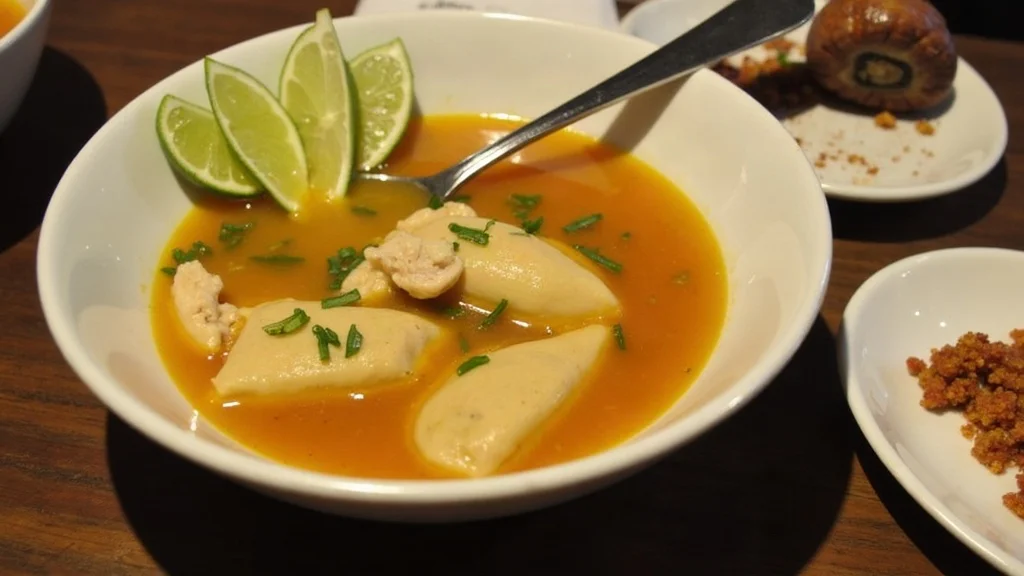
Texture Mastery
In dishes like Fiambre, texture is the most critical component. To avoid "mushy" vegetables, use the Double-Boil Technique:- Boil firm vegetables (carrots, cauliflower, chayote) in salted water until just al dente.
- Immediately plunge them into an ice bath (shocking) to stop the cooking process.
- This preserves the snap of the vegetable and the vibrancy of the color, which is essential when the ingredients are later marinated overnight in vinegar.
Traditional Pairings
No Guatemalan meal is complete without the proper accompaniment:- Tortillas: Hand-pressed corn tortillas are non-negotiable. They serve as the primary utensil for scooping up thick recados.
- Arroz Blanco: Plain, fluffy white rice provides a neutral canvas that allows the complex flavors of a Pepián or Kak’ik to shine.
- Beverages: Pair these savory dishes with Atol (a warm, corn-based drink) or a fresh Horchata made with cinnamon and rice to cool the palate.
Storage and Preservation
Guatemalan stews often taste better the next day as the toasted seed flavors continue to meld.- Refrigeration: Recado-based dishes can be stored in airtight containers for up to 4 days. When reheating, add a splash of water or broth, as the seed-based thickeners tend to absorb more moisture over time.
- Freezing: Stews freeze exceptionally well for up to 3 months. However, avoid freezing dishes containing potatoes or fresh squash, as their cellular structure breaks down, leading to a grainy texture upon thawing.
- Marination: For cold dishes like Fiambre, marinate the ingredients in the caldillo for at least 24 hours in the refrigerator. This allows the acidity to penetrate the center of the meats and vegetables, creating the signature tangy profile.
How to Source Ingredients in the USA
US Supermarket Equivalents: Primary staple ingredients for is guatemalan food spicy are readily available at major American grocers such as Walmart, Kroger, Trader Joe's, and Whole Foods. Heirloom dried chiles and specialty produce can be found at local Latin American markets or ordered through online specialty grocers.
Frequently Asked Questions
What makes authentic Guatemalan is guatemalan food spicy distinctive?
Authentic Guatemalan is guatemalan food spicy is defined by its complex recado sauce architecture, highlighting toasted seeds and native aromatics rather than sharp chili heat.
Can this recipe be prepared in advance?
Yes, preparing the recado base or simmering stews 24 hours ahead enhances the depth of flavors significantly as the toasted spices meld together.
What are the best side dishes to serve alongside?
Traditionally enjoyed with warm handmade corn tortillas, fresh white rice, sliced avocado, and refried black beans.
Craving Authentic Guatemalan Cuisine Near You in the USA?
Explore our nationwide directory of verified Guatemalan restaurants, bakeries, and food trucks across all 50 states.
Find Guatemalan Restaurants Near You →If you want to see other articles similar to Is Guatemalan Food Spicy? Flavor Profiles & Heat Levels Guide you can visit the category Guatemalan Food.