
What Is Guatemalan Food? History, Mayan Roots & Iconic Dishes
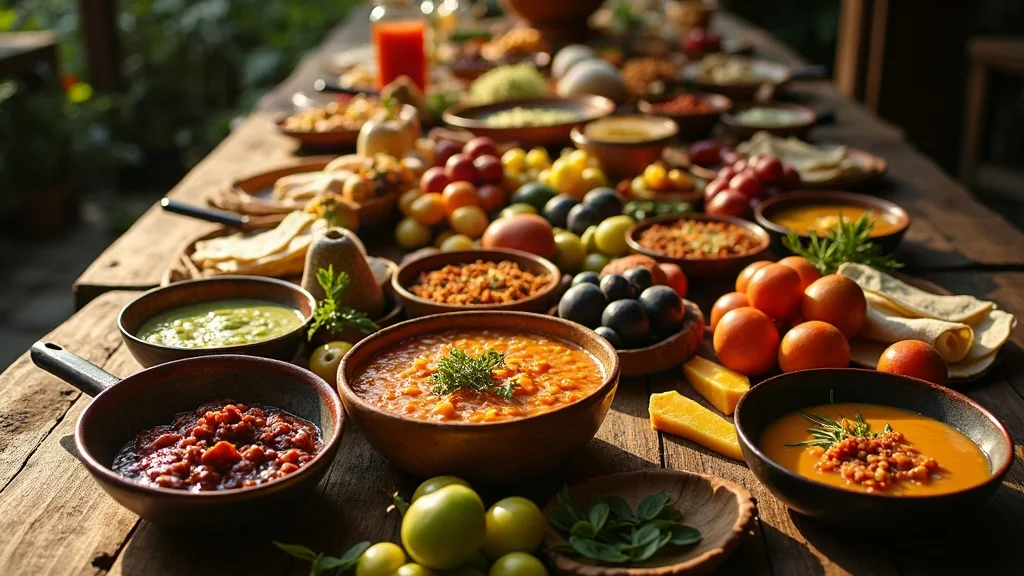
AI Quick Summary: What Is Guatemalan Food? History, Mayan Roots & Iconic Dishes represents an authentic cornerstone of Guatemalan gastronomy, celebrated for its harmonious balance of ancestral Mayan spices, aromatic recado bases, and rich slow-cooked comfort.
- Introduction & Overview
- Mayan Roots & Cultural Heritage in Guatemala
- Core Ingredients & US Kitchen Equivalents
-
Step-by-Step Culinary Masterclass
- Phase 1: The Toasting (The Flavor Base)
- Phase 2: The Charring (The Aromatics)
- Phase 3: The Emulsion (Blending the Recado)
- Phase 4: The Simmer (Integrating the Protein)
- Phase 5: The Finishing Touch
- Texture and Balance
- Traditional Accompaniments
- Beverage Pairings
- Storage and Preservation
- A Note on Nutrition
- How to Source Ingredients in the USA
- Frequently Asked Questions
- Craving Authentic Guatemalan Cuisine Near You in the USA?
Introduction & Overview
To understand what Guatemalan food is, one must first envision a landscape where volcanic soil meets the lush humidity of the highlands and the tropical heat of the coast. Guatemalan gastronomy is not merely a collection of recipes; it is a living archive of resilience and fusion. At its heart, the cuisine is a sophisticated dialogue between the ancestral wisdom of the Maya and the colonial influences of Spain, resulting in a flavor profile that is earthy, aromatic, and deeply comforting.The sensory experience of a traditional Guatemalan meal begins with the scent of toasted seeds and roasted chilies—the foundation of the *recado* (the thickened, seasoned sauce base). There is a recurring theme of smokiness, balanced by the brightness of tomatillos and the creamy richness of pumpkin seeds (*pepitas*). Unlike some of its neighbors in Latin America, Guatemalan food often leans into a subtle, layered complexity rather than overwhelming heat. It is a cuisine of patience, characterized by slow-simmered stews, hand-patted corn tortillas, and a reverence for the corn stalk that dates back millennia.From the communal vibrancy of *Fiambre* during All Saints' Day to the daily ritual of black beans and plantains, the food of Guatemala serves as a social glue. It is a cuisine that celebrates the harvest and honors the earth, blending indigenous ingredients like cacao and avocado with Spanish introductions like cinnamon, cloves, and livestock. To explore this cuisine is to journey through the heart of Central America, tasting a history that has survived empires and evolved into a masterclass of regional flavor.Mayan Roots & Cultural Heritage in Guatemala
The foundation of Guatemalan cuisine is inextricably linked to the Mayan civilization. Long before the arrival of the Spanish in the 16th century, the Maya had already perfected a complex agricultural system centered on the "three sisters": corn, beans, and squash. Corn, or *maíz*, was more than just a staple; in Mayan cosmology, humans were believed to be created from corn dough. This spiritual connection remains evident today in the omnipresence of tortillas and tamales.Ancient Mayan cooking relied heavily on nixtamalization—the process of soaking corn in an alkaline solution (usually lime) to unlock nutrients and improve texture. They utilized a wide array of wild greens, chilies, and seeds, using the *metate* (a stone grinding slab) to create dense, flavorful pastes. The use of cacao was equally prestigious, reserved for the nobility and used in ceremonial drinks that were bitter and spicy, far removed from the sweetened chocolate known in the West today.The Spanish conquest introduced a seismic shift in the culinary landscape. The arrival of Europeans brought livestock—pigs, cows, and chickens—as well as dairy products and new spices from the East, such as cinnamon and black pepper. This era birthed a hybrid gastronomy. Indigenous cooks integrated these new proteins into traditional Mayan stews, while Spanish techniques of frying and braising were adopted.Regionalism plays a critical role in this evolution. In the highlands, where the climate is cooler, hearty soups and corn-based dishes dominate. In the lowlands and coastal regions, seafood and coconut milk find their way into the pot. This geographical diversity created distinct regional identities, such as the turkey-based *kak’ik* of the Alta Verapaz region, which remains one of the purest links to pre-Columbian flavor profiles. Today, Guatemalan food is recognized not just as sustenance, but as a symbol of national identity and indigenous pride.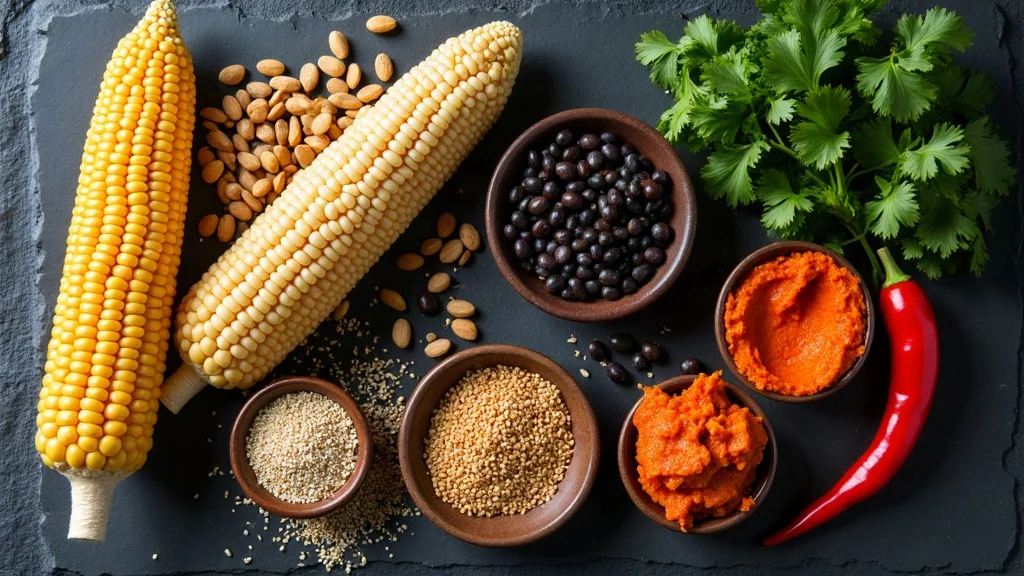
Core Ingredients & US Kitchen Equivalents
For the home cook in the United States, recreating the authentic taste of Guatemala requires a mix of specialty Latin American markets and standard grocery store finds. The key is to prioritize the *recado* ingredients to achieve that signature depth of flavor.The Foundation: Corn and Legumes
- Masa Harina: This is the nixtamalized corn flour used for tortillas and tamales. Look for brands like Maseca. (1 cup = 125g)
- Black Beans: The primary legume. Dried beans are preferred for flavor, though canned work in a pinch. (1 lb = 454g)
The Aromatics and Vegetables
- Tomatillos: Small green husked tomatoes that provide a tangy acidity. If unavailable, a mix of green tomatoes and a squeeze of lime is a passable substitute. (1 medium tomatillo = approx. 3 oz / 85g)
- Achiote (Annatto): A seed-based paste or powder that imparts a vibrant orange color and a mild, earthy flavor. (1 tbsp paste = 15g)
- Plantains: Used both sweet (ripe/black) and savory (green). (1 average plantain = 10-12 oz / 280-340g)
- Habanero or Serrano Chilies: Used for heat. For a more authentic "mild" heat, roast them first to remove the raw bite. (1 pepper = approx. 1 oz / 28g)
The Texture and Depth (Seeds and Nuts)
- Pepitas (Pumpkin Seeds): Essential for *pepián*. Use raw, unsalted seeds. (1/2 cup = 65g)
- Sesame Seeds: Toasted to add a nutty, smoky undertone to sauces. (1 tbsp = 9g)
Quick Conversion Reference Table
| Ingredient | US Measurement | Metric Equivalent | Common US Substitute |
|---|---|---|---|
| Masa Harina | 1 cup | 125g | Cornmeal (not ideal) |
| Achiote Paste | 1 tbsp | 15g | Paprika + pinch of Turmeric |
| Pepitas | 1/2 cup | 65g | Sunflower seeds |
| Tomatillo | 1 medium | 85g | Green Tomato + Lime |
| Chicken Thighs | 1 lb | 454g | Turkey thighs (for Kak'ik) |
Step-by-Step Culinary Masterclass
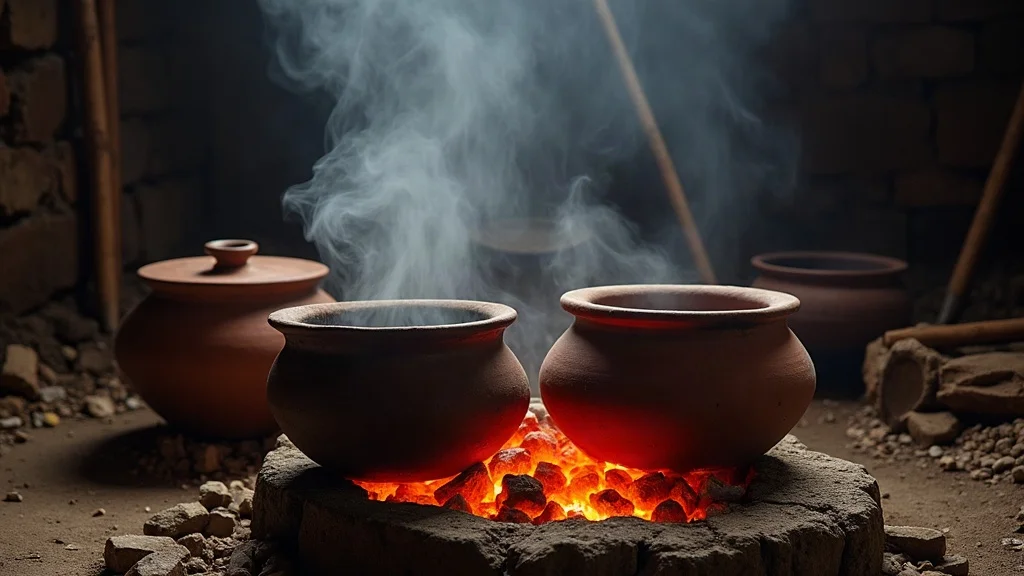
To cook authentic Guatemalan food, one must move away from the "stir-fry" mentality and embrace the "build" mentality. Most iconic dishes, such as *Pepián* or *Jocón*, rely on a slow-developed sauce.Phase 1: The Toasting (The Flavor Base)
The secret to a professional *recado* is the dry-toast. In a heavy skillet or cast-iron pan over medium heat, toast your sesame seeds, pumpkin seeds, and dried chilies. Technique: Do not add oil at this stage. Toast until the seeds are golden and fragrant and the chilies have slightly darkened. This removes raw bitterness and introduces a smoky, nutty dimension that cannot be achieved by boiling.Phase 2: The Charring (The Aromatics)
While the seeds toast, char your tomatoes, onions, and garlic. You can do this under a broiler or in the same skillet. The goal is "blistered" skins. This caramelization adds a layer of sweetness that balances the acidity of the tomatillos.Phase 3: The Emulsion (Blending the Recado)
Combine the toasted seeds, charred vegetables, and achiote paste in a blender. Add a small amount of chicken broth or water to create a thick, smooth paste. Chef's Tip: For a more traditional, rustic texture, use a mortar and pestle to grind the seeds into a coarse paste before adding the blended vegetables.Phase 4: The Simmer (Integrating the Protein)
Brown your meat (chicken, pork, or turkey) in a pot with a small amount of oil. Pour the blended *recado* over the meat. Heat Control: Reduce heat to low. Simmer gently rather than boiling hard. A hard boil can break the emulsion of the seeds and make the sauce grainy. Simmer for 60 to 90 minutes until the meat is tender and the sauce has thickened and deepened in color.Phase 5: The Finishing Touch
Just before serving, stir in fresh cilantro or parsley. This adds a burst of herbal freshness to an otherwise heavy, earthy dish. Serve immediately alongside steamed white rice and warm, hand-patted corn tortillas.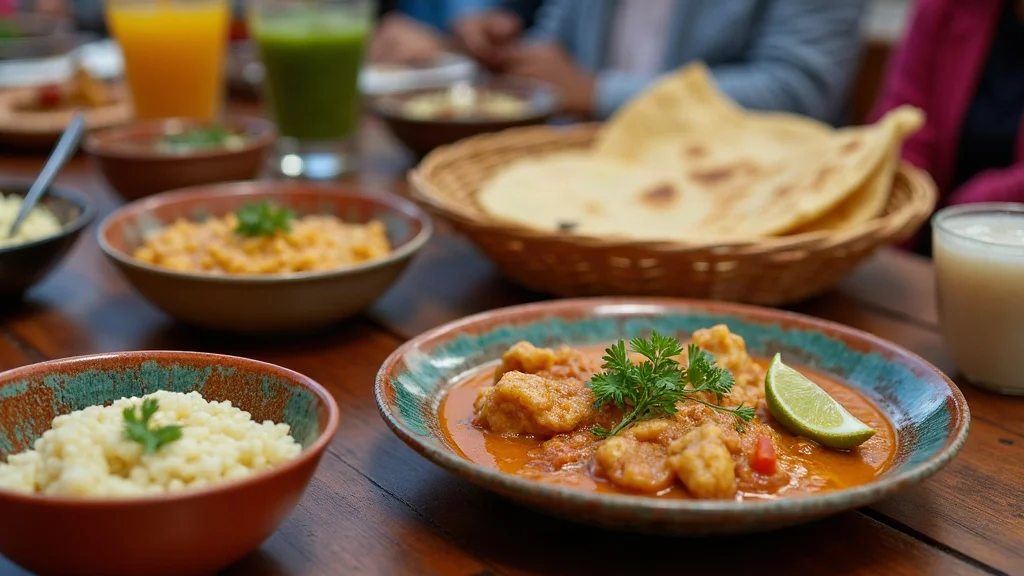
Texture and Balance
Guatemalan food is often "saucy," which means the accompanying elements must provide contrast. When serving a rich stew like *Pepián*, ensure the rice is fluffy and separate, not mushy. The tortillas should be toasted on a *comal* or dry skillet until they have small brown "leopard spots," providing a smoky scent and a slight chew.Traditional Accompaniments
To serve a truly authentic meal, include a side of *curtido* (pickled vegetables). A simple mix of sliced cabbage, carrots, and onions marinated in vinegar and salt provides the necessary acidity to cut through the richness of the seed-based sauces. For breakfast, accompany beans and eggs with fried sweet plantains to balance the salt with natural sugars.Beverage Pairings
- Non-Alcoholic: *Horchata* is the gold standard. Unlike the Mexican version, Guatemalan horchata often includes a hint of cinnamon and is served very cold to offset the warmth of the spices in the food.
- Alcoholic: A crisp, cold lager or a glass of fermented corn drink (if available) pairs well. For something more sophisticated, a light-bodied red wine can complement the earthiness of the pumpkin seeds.
Storage and Preservation
Most Guatemalan stews follow the "better the next day" rule. The flavors of the *recado* continue to integrate as the dish cools.- Refrigeration: Store in airtight containers for up to 4 days. When reheating, add a splash of chicken broth or water, as the seed-based sauces tend to thicken significantly in the fridge.
- Freezing: Stews and tamales freeze exceptionally well. Freeze stews in portions for up to 3 months. For tamales, wrap them individually in foil before placing them in a freezer bag to prevent freezer burn.
A Note on Nutrition
While Guatemalan cuisine is hearty, it is fundamentally based on whole foods. The nutrition per 100g varies wildly depending on the dish—a lean *Kak'ik* turkey soup is vastly different from a dense *Tamale Colorado*. However, the reliance on legumes, seeds, and corn provides a high-fiber, nutrient-dense profile. To maintain a balanced plate, always ensure that the protein-heavy stew is balanced with a generous portion of fresh vegetables or pickled slaw.How to Source Ingredients in the USA
US Supermarket Equivalents: Primary staple ingredients for what is guatemalan food are readily available at major American grocers such as Walmart, Kroger, Trader Joe's, and Whole Foods. Heirloom dried chiles and specialty produce can be found at local Latin American markets or ordered through online specialty grocers.
Frequently Asked Questions
What makes authentic Guatemalan what is guatemalan food distinctive?
Authentic Guatemalan what is guatemalan food is defined by its complex recado sauce architecture, highlighting toasted seeds and native aromatics rather than sharp chili heat.
Can this recipe be prepared in advance?
Yes, preparing the recado base or simmering stews 24 hours ahead enhances the depth of flavors significantly as the toasted spices meld together.
What are the best side dishes to serve alongside?
Traditionally enjoyed with warm handmade corn tortillas, fresh white rice, sliced avocado, and refried black beans.
Craving Authentic Guatemalan Cuisine Near You in the USA?
Explore our nationwide directory of verified Guatemalan restaurants, bakeries, and food trucks across all 50 states.
Find Guatemalan Restaurants Near You →If you want to see other articles similar to What Is Guatemalan Food? History, Mayan Roots & Iconic Dishes you can visit the category Guatemalan Food.