
Traditional Guatemalan Breakfast: Desayuno Chapín Essentials
AI Quick Summary: Traditional Guatemalan Breakfast represents an authentic cornerstone of Guatemalan gastronomy, celebrated for its harmonious balance of ancestral Mayan spices, aromatic recado bases, and rich slow-cooked comfort.
The Soul of the Morning: An Introduction to Desayuno Chapín
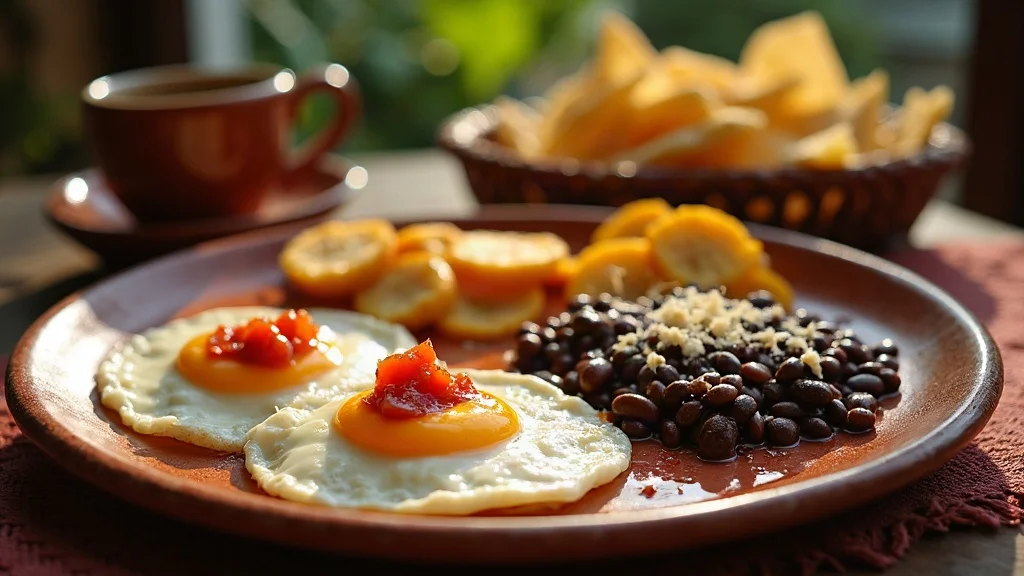
To understand the heart of Guatemalan gastronomy, one must begin not with a festive banquet, but with the quiet, aromatic ritual of the morning. The Desayuno Chapín—the traditional Guatemalan breakfast—is more than a mere meal; it is a sensory map of the country's diverse landscapes, from the volcanic highlands to the humid coasts. It is a plate defined by a masterful balance of contrasting profiles: the earthy, velvet richness of slow-cooked black beans, the caramelized sweetness of golden plantains, the salty tang of crumbled cheese, and the cool, lactic silkiness of crema.
When you step into a Guatemalan kitchen at dawn, the air is thick with the smell of roasting coffee beans and the rhythmic sizzle of corn tortillas hitting a hot comal. This breakfast is designed for sustenance and endurance, providing a dense caloric foundation for a day of labor or study. While it may appear simple to the uninitiated, the elegance of the Desayuno Chapín lies in its execution. Each component must maintain its own identity on the plate while contributing to a cohesive, comforting whole. It is a celebration of the humble ingredient elevated through time-honored technique.
Mayan Roots & Cultural Heritage in Guatemala
The architecture of Guatemala breakfast foods is a living archive of the nation's history. The foundational elements—corn and beans—are legacies of the ancient Maya. For millennia, the "three sisters" (corn, beans, and squash) formed the nutritional bedrock of Mesoamerican civilization. The practice of nixtamalization—treating corn with an alkaline solution to unlock nutrients and create masa—is a pre-Columbian technology that remains essential to the authentic Guatemalan table today.
During the Spanish colonial era, indigenous staples merged with European introductions. The arrival of livestock brought cows and goats, introducing the dairy components that now define the plate: the salty, firm cheeses and the rich cream. The plantain, brought via the transatlantic trade from Africa and Asia, found a perfect home in the tropical lowlands, adding a necessary sweetness to the savory morning palette.
Regionality also plays a significant role in how this meal evolves. In the highlands, where the air is crisp and cool, the breakfast is often heavier, featuring heartier portions of beans and warm bread rolls. In the coastal regions, you may find more frequent additions of fresh avocado or regional chorizos. Despite these variations, the spirit of the meal remains constant: it is a gesture of family unity, often served as a communal experience where the coffee pot is always full and the tortillas are kept warm in a cloth-lined basket.
Core Ingredients & US Kitchen Equivalents
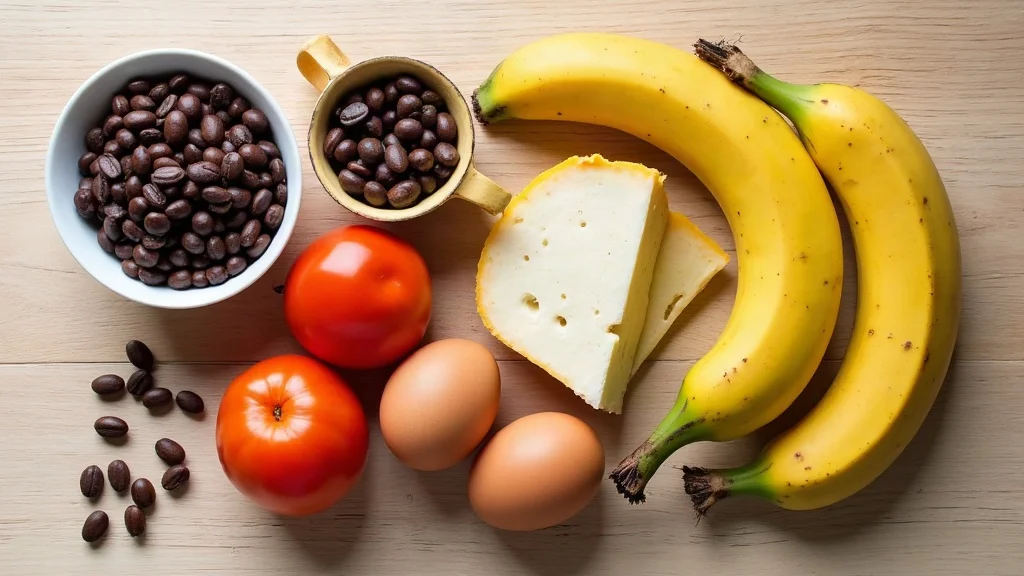
For the home cook in the United States, recreating a Desayuno Chapín requires a mix of mainstream supermarket staples and a few targeted trips to a Latin mercado. The key is to look for specific labels that denote authenticity, such as en escabeche (pickled) or frijoles volteados (refried beans).
The Essential Ingredient Table
| Ingredient | Authentic Item | US Commercial Equivalent | Imperial Measurement | Metric Measurement |
|---|---|---|---|---|
| Beans | Frijoles Negros | Canned or dry black beans | 1 cup (cooked/mashed) | 240 ml / 200 g |
| Plantains | Plátanos Maduros | Ripe Plantains (Black peel) | 2 medium plantains | approx. 400 g |
| Cheese | Queso Fresco/Duro | Queso Fresco or Farmer's Cheese | 1/2 cup (crumbled) | 60 g |
| Cream | Crema Guatemalteca | Mexican Crema or Sour Cream | 1/4 cup | 60 ml |
| Corn Base | Tortillas de Maíz | Corn Tortillas (nixtamalized) | 4 tortillas | approx. 120 g |
| Eggs | Huevos | Large Grade A Eggs | 4 eggs | approx. 200 g |
| Cooking Fat | Aceite | Vegetable or Canola Oil | 3 tbsp | 45 ml |
Decoding the Labels for the US Shopper
When browsing a Latin market, you will encounter several terms that can be confusing. To ensure authenticity, keep these translations in mind:
- Frijoles Volteados: These are "turned" or refried beans. Look for brands that emphasize a creamy texture without excessive added sugars.
- Masa Preparada: Fresh corn dough. If you cannot find this, masa harina (instant corn flour) is a viable substitute for making homemade tortillas.
- En Escabeche: This refers to vegetables pickled in vinegar and spices. While not a core part of every breakfast, adding pickled onions or chiles on the side mirrors the flavor logic found in festive dishes like fiambre.
- Queso Duro: A harder, saltier cheese than queso fresco. It provides a sharp contrast to the sweet plantains.
Step-by-Step Culinary Masterclass
Timing is the most critical element of the Desayuno Chapín. Because the meal consists of several components, the goal is to ensure everything reaches the plate at the peak of its temperature and texture. Follow this chronological sequence for a professional result.
Phase 1: The Bean Foundation
If using canned black beans, drain them but reserve a small amount of the liquid. Place the beans in a small saucepan over medium-low heat. Use a potato masher or a fork to crush approximately half of the beans, creating a thick, creamy consistency. Add a pinch of salt and a teaspoon of sautéed onion for depth. Keep the beans on a very low simmer; if they become too dry, add a tablespoon of water or bean liquid to maintain a spoonable, velvety texture.
Phase 2: The Caramelization of Plantains
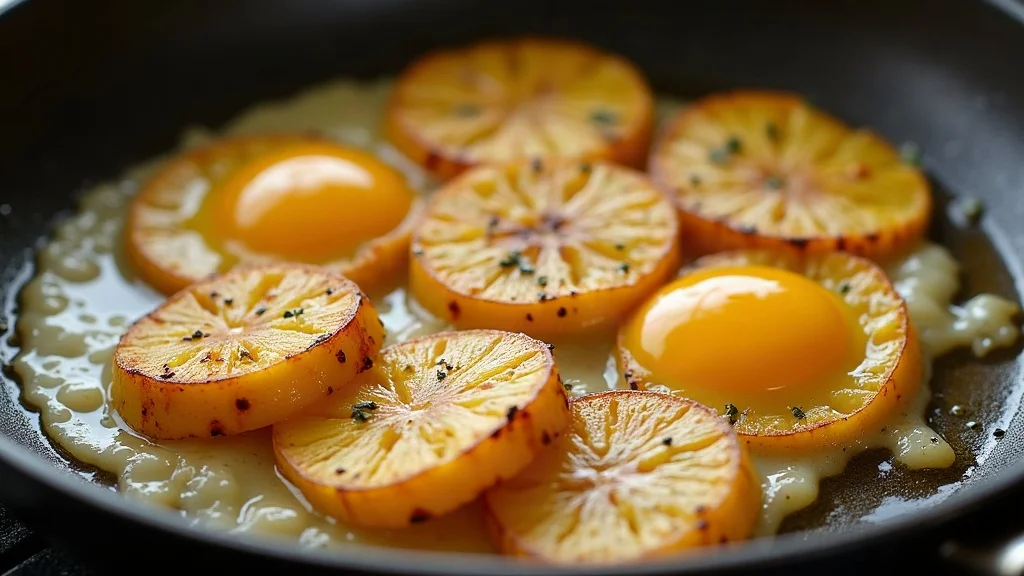
The secret to authentic plantains is the ripeness. The peel must be predominantly black; if the peel is yellow, the plantain is too starchy and will not caramelize. Slice the plantains lengthwise into 1/2-inch thick diagonal pieces.
Heat 2 to 3 tablespoons of oil in a heavy skillet over medium heat. Once the oil shimmers, carefully lay the slices in the pan. Fry for 2 to 3 minutes per side. The goal is a deep golden-brown exterior with a soft, almost custard-like interior. Remove them immediately to a paper-towel-lined plate to prevent them from becoming overly greasy.
Phase 3: The Egg Execution
While the plantains are resting, prepare your eggs. In Guatemala, eggs are typically served fried (sunny side up or over easy) or scrambled. For fried eggs, use a small amount of butter or oil over medium-low heat. Cook gently to ensure the whites are set but the yolks remain liquid, providing a rich sauce for the tortillas and beans.
Phase 4: The Warmth of the Tortilla
Warm your corn tortillas on a dry skillet or comal for about 30 seconds per side. They should be pliable and fragrant, but not charred. If using bread rolls (bolillos), warm them in the oven for 5 minutes to restore the crust's crispness.
Phase 5: Plating and Assembly
Place a generous scoop of creamy black beans on one side of the plate. Arrange the golden plantains adjacent to the beans. Position the eggs in the center. Finally, sprinkle the crumbled queso fresco over the beans and eggs, and drizzle the crema in a clean arc across the plate. Serve immediately while the temperature contrast between the hot beans and cool crema is most pronounced.
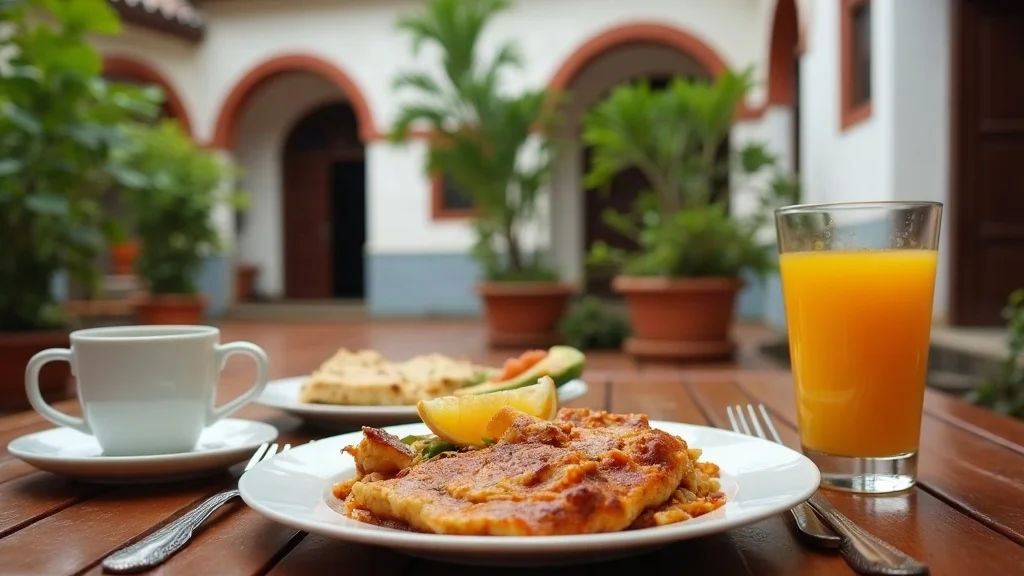
To elevate a standard breakfast to a gourmet experience, a chef focuses on the nuances of texture and the harmony of accompanying flavors.
Refining the Texture
The hallmark of a masterfully prepared Desayuno Chapín is the interplay of "wet" and "dry" elements. The beans and eggs provide the moisture, while the tortillas and fried plantains provide the structure. To avoid a "soggy" plate, never layer the beans directly underneath the eggs; keep them side-by-side so the diner can control the ratio of each bite.
Traditional Accompaniments
While the core components are essential, several additions can personalize the meal:
- Avocado: Thinly sliced Hass avocado adds a buttery, cool element that cuts through the saltiness of the cheese.
- Chorizo: Guatemalan chorizo is typically more mild than the Spanish variety. Sauté it until crisp and serve it as a protein boost.
- Salsa Roja: A simple blend of roasted tomatoes, onions, and garlic, blended and simmered, adds a bright acidity to the plate.
The Beverage Pairing
No Desayuno Chapín is complete without coffee. Guatemala is world-renowned for its highland Arabica beans. For the most authentic pairing, serve a strong, dark-roast coffee, either black or with a touch of cream and sugar. The bitterness of the coffee acts as a palate cleanser, cutting through the richness of the fried plantains and creamy beans.
Storage and Make-Ahead Tips
To streamline a weekday morning, certain elements can be prepared in advance:
- Beans: Black beans can be cooked and mashed up to 4 days in advance and stored in an airtight container in the refrigerator. Reheat on the stove with a splash of water.
- Plantains: While best fresh, plantains can be fried, frozen with parchment paper between slices, and reheated in an oven or air fryer to regain their crispness.
- Eggs and Tortillas: These must always be prepared fresh to avoid rubbery textures and stiffness.
By respecting the traditional techniques and sourcing the correct ingredients, the Desayuno Chapín transforms from a simple meal into a cultural immersion, bringing the vibrant spirit of Guatemala into the American kitchen.
How to Source Ingredients in the USA
US Supermarket Equivalents: Primary staple ingredients for guatemala breakfast foods are readily available at major American grocers such as Walmart, Kroger, Trader Joe's, and Whole Foods. Heirloom dried chiles and specialty produce can be found at local Latin American markets or ordered through online specialty grocers.
Frequently Asked Questions
What makes authentic Guatemalan guatemala breakfast foods distinctive?
Authentic Guatemalan guatemala breakfast foods is defined by its complex recado sauce architecture, highlighting toasted seeds and native aromatics rather than sharp chili heat.
Can this recipe be prepared in advance?
Yes, preparing the recado base or simmering stews 24 hours ahead enhances the depth of flavors significantly as the toasted spices meld together.
What are the best side dishes to serve alongside?
Traditionally enjoyed with warm handmade corn tortillas, fresh white rice, sliced avocado, and refried black beans.
Craving Authentic Guatemalan Cuisine Near You in the USA?
Explore our nationwide directory of verified Guatemalan restaurants, bakeries, and food trucks across all 50 states.
Find Guatemalan Restaurants Near You →If you want to see other articles similar to Traditional Guatemalan Breakfast: Desayuno Chapín Essentials you can visit the category Guatemalan Food.