
Guatemalan Street Food: Shucos, Tostadas, Garnachas & Antojitos
AI Quick Summary: Guatemalan Street Food represents an authentic cornerstone of Guatemalan gastronomy, celebrated for its harmonious balance of ancestral Mayan spices, aromatic recado bases, and rich slow-cooked comfort.
Introduction & Overview
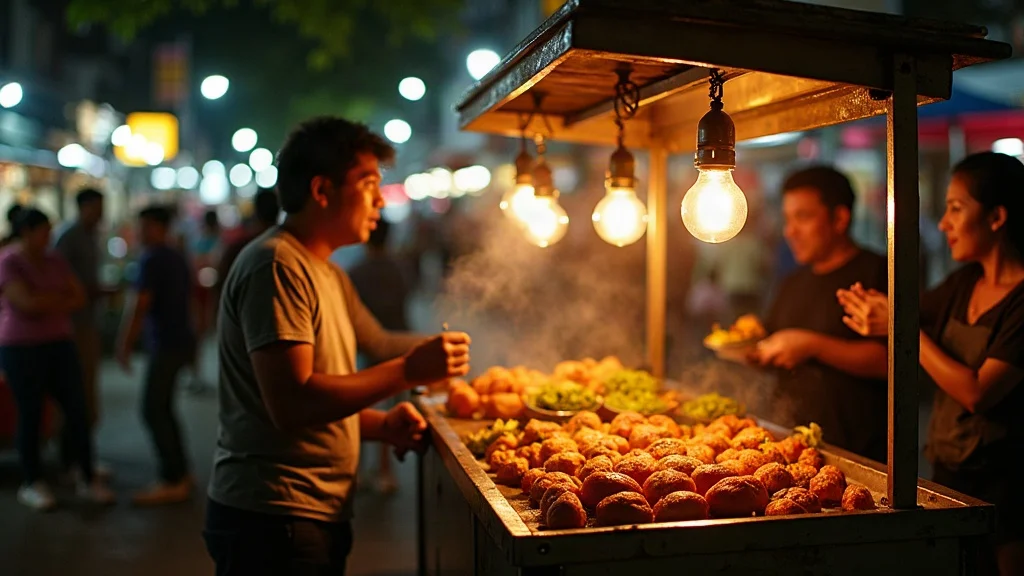
To walk through the bustling markets of Guatemala City or the cobblestone alleys of Antigua is to engage in a sensory dialogue with one of the most underrated culinary landscapes in the Americas. Guatemalan street food, known broadly as antojitos (literally "little cravings"), is far more than mere sustenance; it is a vibrant tapestry of scent, sound, and taste. The air is heavy with the aroma of charred corn masa, the sharp tang of pickled cabbage, and the savory, slow-simmered depths of tomato-based recados.
At its heart, Guatemalan street food is defined by a sophisticated balance of textures. It is the juxtaposition of a shatteringly crisp fried tortilla against the creaminess of smashed avocado, or the snap of a grilled sausage paired with the crunch of a fresh, acidic slaw. Unlike the more globally recognized street foods of Mexico, Guatemalan antojitos lean into a specific regional profile—often utilizing a more diverse array of seeds, distinct regional cheeses, and a nuanced approach to acidity that avoids overwhelming the palate.
Whether it is the ubiquitous shuco, the hearty garnacha, or the meticulously layered tostada, these dishes represent the democratic soul of Guatemalan gastronomy. They are foods of the people, crafted from accessible ingredients but elevated through generations of technique, serving as the primary culinary bridge between the country's ancient Mayan heritage and its colonial history.
Mayan Roots & Cultural Heritage in Guatemala
The foundation of every Guatemalan street snack is maize. To understand the antojito is to understand the Mayan civilization, which viewed corn not merely as a crop, but as a sacred substance. The process of nixtamalization—soaking corn in an alkaline solution—is an ancient indigenous technology that unlocks nutrients and allows the grain to be formed into the dough (masa) that defines the architecture of garnachas and tostadas.
During the Spanish colonial era, this indigenous foundation merged with European influences. The introduction of livestock brought pork, beef, and dairy into the equation, while Spanish spices and the introduction of the hot dog (via later American influence) evolved into the modern shuco. The word "shuco" itself is a colloquialism for "dirty," referring to the messy, loaded nature of the sandwich, yet it has become a point of immense national pride.
Regionalism plays a critical role in how these foods are prepared. In the highlands, you may find variations in the thickness of the masa or the specific types of local cheeses used. In the urban centers, the speed of street vending has refined these recipes into a streamlined art form. These foods are not just sold for convenience; they are central to cultural landmarks. From the celebration of All Saints’ Day—where the complex fiambre salad dominates—to the daily rituals of the neighborhood market, street food is the connective tissue of Guatemalan social life.
Core Ingredients & US Kitchen Equivalents
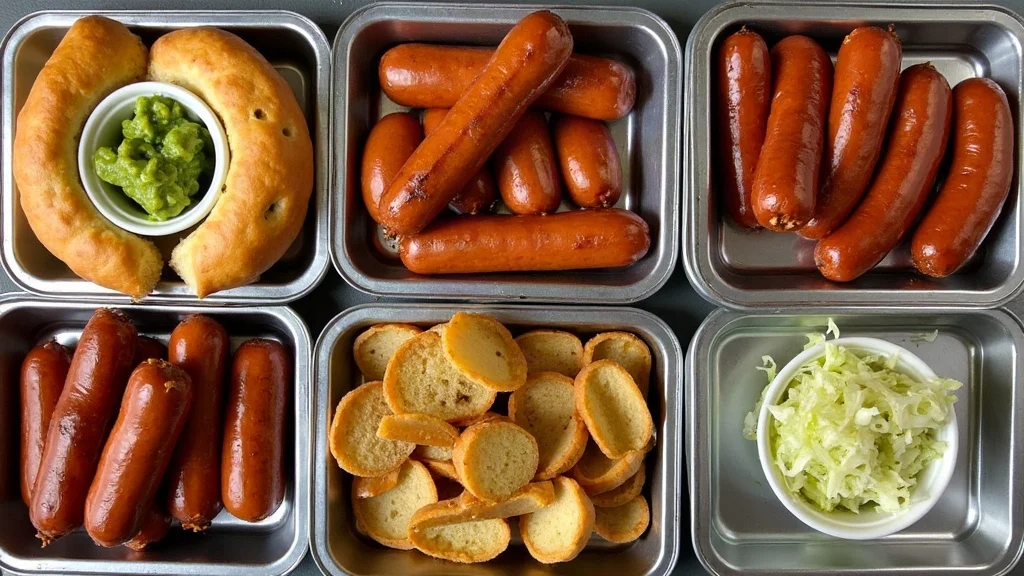
For the home cook in the United States, recreating these flavors requires a mix of specialty Latin market finds and standard supermarket staples. The key to authenticity lies in the texture of the masa and the acidity of the toppings.
The Foundation: Corn and Grains
- Masa Harina: Look for Maseca or similar nixtamalized corn flour.
Measurement: 1 cup (approx. 125g) - Corn Tortillas: Use thick, corn-based tortillas. For tostadas, ensure they are corn, not flour.
Measurement: Standard 6-inch diameter
Proteins and Dairy
- Beef: Ground beef (80/20 lean-to-fat ratio) or flank steak for shredding.
Measurement: 1 lb (450g) - Sausage/Hot Dogs: For shucos, seek out a firm, smoked sausage or high-quality all-beef frankfurters.
Measurement: 6-8 links - Queso Seco or Cotija: A salty, crumbly aged cheese. If unavailable, a mix of Feta and Parmesan can mimic the saltiness and texture.
Measurement: 1/2 cup (60g) crumbled - Crema: Mexican crema or sour cream thinned with a tablespoon of milk.
Measurement: 1/2 cup (120ml)
Fresh Produce and Aromatics
- Cabbage: Green cabbage, finely shredded.
Measurement: 1 small head (approx. 2 lbs / 900g) - Avocado: Ripe Hass avocados for guacamole.
Measurement: 2 medium avocados - Tomatoes: Roma tomatoes for the sauce.
Measurement: 4-5 medium tomatoes (approx. 1 lb / 450g) - White Onion & Garlic: Essential for the base of all savory fillings.
Measurement: 1 medium onion; 3-4 cloves garlic
Pantry Essentials
- Neutral Oil: Vegetable or Canola oil for frying.
Measurement: 2-3 cups (475-710ml) - Vinegar: White distilled vinegar or apple cider vinegar for the cabbage slaw (curtido).
Measurement: 1/4 cup (60ml)
Step-by-Step Culinary Masterclass
To execute a Guatemalan street food platter, one must manage multiple components simultaneously. The secret to professional results is the "mise en place"—having all toppings prepped before the frying begins.
Phase 1: The Base Sauces and Slaws
Begin with the Curtido (pickled cabbage). Finely shred the cabbage and toss it with salt, vinegar, and a pinch of sugar. Let this sit for at least 30 minutes. This acidity is the "bright" note that cuts through the richness of the fried masa.
For the Tomato Sauce, sauté finely diced onion and garlic in oil until translucent. Add blended Roma tomatoes and a pinch of salt. Simmer on medium-low heat for 15-20 minutes until the sauce thickens and the raw tomato taste evaporates. This reduction is critical for a concentrated flavor.
Phase 2: Preparing the Proteins
For Garnachas: Brown the ground beef in a skillet with minced garlic and salt. Cook until the moisture has evaporated and the meat begins to sizzle in its own fat. Keep warm on low heat.
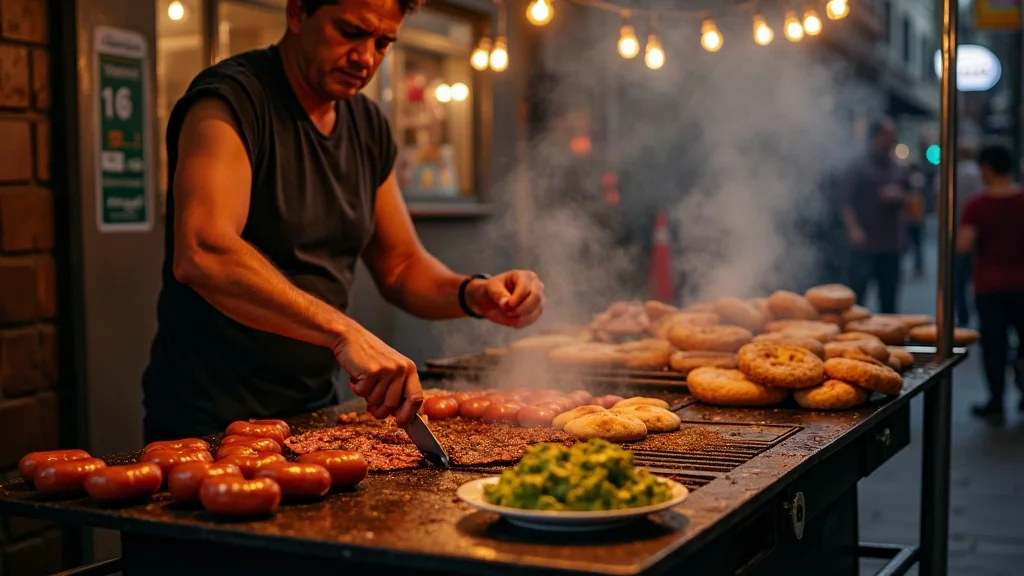
For Shucos: Grill the sausages or hot dogs on a high-heat griddle or grill. You want a charred exterior and a juicy interior. Simultaneously, butter the buns and toast them on the same griddle until golden brown.
Phase 3: The Art of the Masa (Garnachas & Tostadas)
Garnachas: Mix masa harina with warm water and a pinch of salt until a soft, non-sticky dough forms. Shape into small, thick rounds (about 2 inches wide and 1/2 inch thick). Heat oil to 350°F (175°C). Fry in batches—overcrowding the pan drops the temperature, leading to oily, soggy tortillas. Fry until golden, then drain on paper towels.
Tostadas: If not using store-bought, fry corn tortillas in hot oil for 1-2 minutes per side until rigid and golden. Drain immediately.
Phase 4: The Assembly
- Garnachas: Place the fried masa round down. Layer a spoonful of seasoned beef, a pinch of shredded cabbage, a drizzle of tomato sauce, and a sprinkle of queso seco.
- Tostadas: Spread a thick layer of refried black or pinto beans. Layer sliced avocado, shredded lettuce or cabbage, crumbled cheese, and a dollop of salsa.
- Shucos: Slather the toasted bun with guacamole. Add the grilled sausage, a generous heap of cabbage, mustard, mayonnaise, and an optional drizzle of hot sauce.
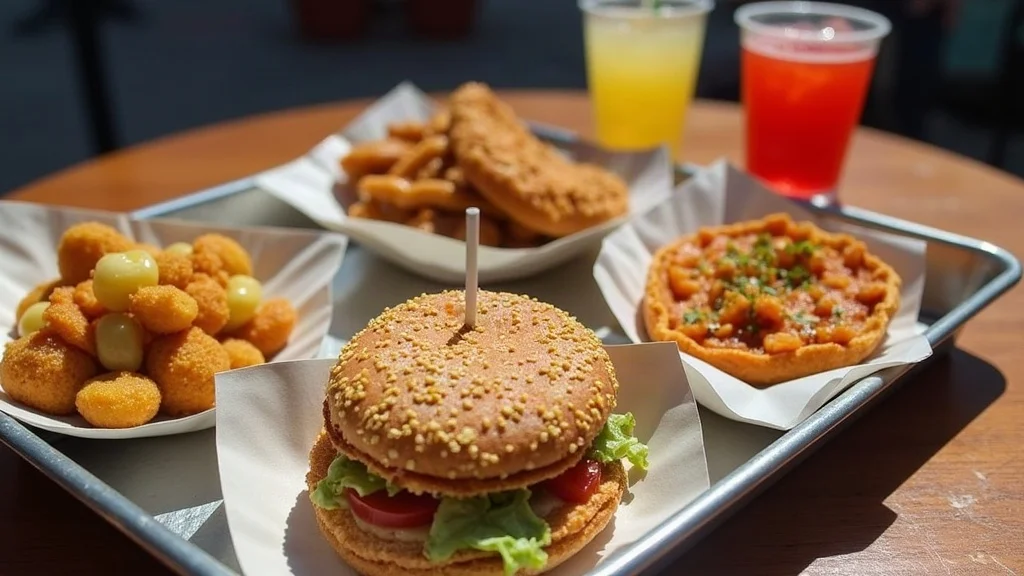
To elevate these dishes from "home-cooked" to "restaurant-quality," focus on the precision of the finish. The hallmark of a master antojito is the contrast between temperatures: a hot tortilla topped with a cold, crisp slaw.
Professional Technique Tips
- Cabbage Softening: For shucos, some chefs briefly blanch the shredded cabbage in boiling salted water for 30 seconds before shocking it in ice water. This removes the "sulfur" bite while maintaining a snap.
- Oil Temperature Control: Always use a thermometer. If the oil is below 325°F, the masa absorbs too much grease. If it is above 375°F, the outside burns before the interior is cooked.
- Sauce Depth: For a deeper, more authentic flavor in the tomato sauce, add a teaspoon of smoked paprika or a small piece of a dried guajillo chile during the simmering process.
Pairings and Accompaniments
Guatemalan street food is traditionally paired with beverages that cleanse the palate. Horchata (a creamy rice and cinnamon drink) provides a sweet, cooling contrast to the salty cheese and spicy sauces. Alternatively, a cold Tamarindo agua fresca offers a tartness that complements the richness of the fried garnachas.
Storage and Reheating
Because these dishes rely on the contrast of textures, they are best served immediately. However, for party planning, you can prep components in advance:
- Masa Rounds: Store raw garnacha rounds in an airtight container in the fridge for up to 24 hours. Fry just before serving.
- Sauces and Slaws: The tomato sauce and curtido actually improve after 24 hours in the refrigerator as flavors meld.
- Reheating: Never microwave fried tortillas; they will become rubbery. Use a toaster oven or a dry skillet over medium heat to restore the crispness.
| Dish | Primary Texture | Key Flavor Note | Best Occasion |
|---|---|---|---|
| Shuco | Soft/Snap | Smoky & Creamy | Casual Lunch / Game Day |
| Garnacha | Crunchy/Hearty | Salty & Savory | Appetizer / Party Platter |
| Tostada | Crisp/Fresh | Acidic & Earthy | Light Dinner / Brunch |
How to Source Ingredients in the USA
US Supermarket Equivalents: Primary staple ingredients for guatemalan street food are readily available at major American grocers such as Walmart, Kroger, Trader Joe's, and Whole Foods. Heirloom dried chiles and specialty produce can be found at local Latin American markets or ordered through online specialty grocers.
Frequently Asked Questions
What makes authentic Guatemalan guatemalan street food distinctive?
Authentic Guatemalan guatemalan street food is defined by its complex recado sauce architecture, highlighting toasted seeds and native aromatics rather than sharp chili heat.
Can this recipe be prepared in advance?
Yes, preparing the recado base or simmering stews 24 hours ahead enhances the depth of flavors significantly as the toasted spices meld together.
What are the best side dishes to serve alongside?
Traditionally enjoyed with warm handmade corn tortillas, fresh white rice, sliced avocado, and refried black beans.
Craving Authentic Guatemalan Cuisine Near You in the USA?
Explore our nationwide directory of verified Guatemalan restaurants, bakeries, and food trucks across all 50 states.
Find Guatemalan Restaurants Near You →If you want to see other articles similar to Guatemalan Street Food: Shucos, Tostadas, Garnachas & Antojitos you can visit the category Guatemalan Food.