
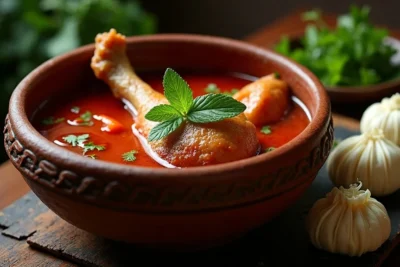
Kak’ik is an ancestral Q’eqchi’ Maya ceremonial turkey soup from Cobán, Alta Verapaz, Guatemala. It features chompipe simmered in a vivid red broth of tomato, miltomate, achiote, mint, cilantro, and chile cobanero, traditionally served with tamales blancos during patron-saint festivities.
Guatemalan Culinary Profile: Kak'ik Guatemala
| Culinary Attribute | Authentic Guatemalan Profile |
|---|---|
| Traditional Guatemalan Name | Kak'ik |
| Region of Origin in Guatemala | Cobán, Alta Verapaz, Q'eqchi' Maya region of Guatemala |
| Cultural & Historical Heritage | Ancestral pre-Hispanic ceremonial dish tied to ritual and patron-saint festivities; declared Patrimonio Cultural Intangible de la Nación by Guatemala's Ministry of Culture and Sports |
| Flavor & Texture Profile | Earthy, herbaceous, and mildly spiced with a bright red achiote-tinted broth; tender chompipe meat, aromatic mint and cilantro notes, and a subtle heat from chile cobanero and chile guaque |
| Signature Chapín Ingredients | Chompipe or pavo, tomate, miltomate, ajo, cebolla, achiote, hierbabuena, cilantro, cebollín, samat or culantro silvestre, chile guaque, chile pasa, pepitoria, and chile cobanero |
| Typical Prep & Cook Time | Preparation 30 minutes, cooking 1.5 to 2 hours |
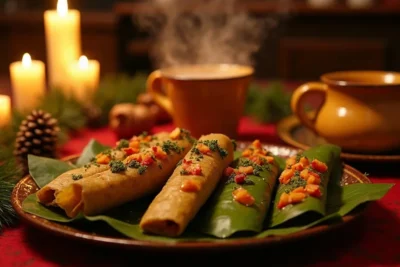
| Traditional Accompaniments | Tamales blancos wrapped in mashán or hoja de plátano, arroz, and sometimes pochitos |
Ancestral Kak’ik Guatemala: The Q’eqchi’ Turkey Feast of Cobán
With roots deeply intertwined with ancient Q’eqchi’ ceremonial traditions, authentic kakik guatemala (kak ik guatemalteco) is an ancestral turkey soup renowned for its fiery ruby-red broth spiced with Cobán chiles, achiote, and fresh samat cilantro.
In the mist-shrouded highlands of Alta Verapaz, specifically within the vibrant hub of Cobán, there exists a dish that transcends mere sustenance to become a liquid chronicle of Mayan history. Kak’ik (also spelled kaq’ik) is not simply a turkey soup; it is an ancestral ceremony in a bowl.
To taste an authentic Kak’ik is to experience a complex dialogue between the earth and the flame—a deep, crimson broth that balances the musk of slow-simmered turkey with the bright, aromatic lift of fresh mint and the earthy, floral depth of achiote.
The sensory profile of Kak’ik is unmistakable. Upon serving, the aroma is dominated by a smoky, toasted quality derived from charred vegetables and dried chiles, immediately followed by a cooling herbal note.
The flavor is a sophisticated layering: first, the rich, savory weight of the turkey; then, the subtle acidity of tomatillos; and finally, a gentle, warming heat from the chiles that glows in the back of the throat without overpowering the palate.
In Guatemalan gastronomy, Kak’ik stands as one of the most emblematic dishes of national pride, representing a continuity of indigenous culinary knowledge that has survived for millennia.
Mayan Roots & Cultural Heritage in Guatemala
The origins of Kak’ik are inextricably linked to the Qʼeqchiʼ Maya people. Long before the arrival of Spanish colonists, the ancestors of today’s Alta Verapaz residents cultivated a profound relationship with the land and the animals native to the region.
While the domestic turkey we recognize today was influenced by later exchanges, the tradition of simmering wild birds in spiced, herbal broths is an ancient Mayan practice. The turkey was revered not just as a protein source, but as a creature of spiritual significance, often reserved for ceremonial feasts and offerings to the deities.
The name itself, rooted in Mayan linguistics, reflects the identity of the dish. Throughout the colonial era, as Spanish influences introduced new ingredients—such as onions and garlic—the indigenous cooks of Cobán integrated these elements without sacrificing the soul of the dish.
The persistence of achiote (annatto) as the primary coloring and flavoring agent is a testament to this resilience; achiote has been used by Mayan civilizations for centuries, both as a culinary staple and a ritual pigment.
Today, Kak’ik remains a cornerstone of identity in Cobán. It is the dish of celebrations, weddings, and cultural festivals.
To serve Kak’ik is to signal respect for one’s heritage and to welcome guests into a lineage of hospitality that stretches back to the pre-classic Mayan era. Its status is so significant that it is often viewed as a regional treasure, distinguishing the culinary landscape of the Verapaz highlands from the more common stews found in the Guatemalan capital.
Core Ingredients & US Kitchen Equivalents
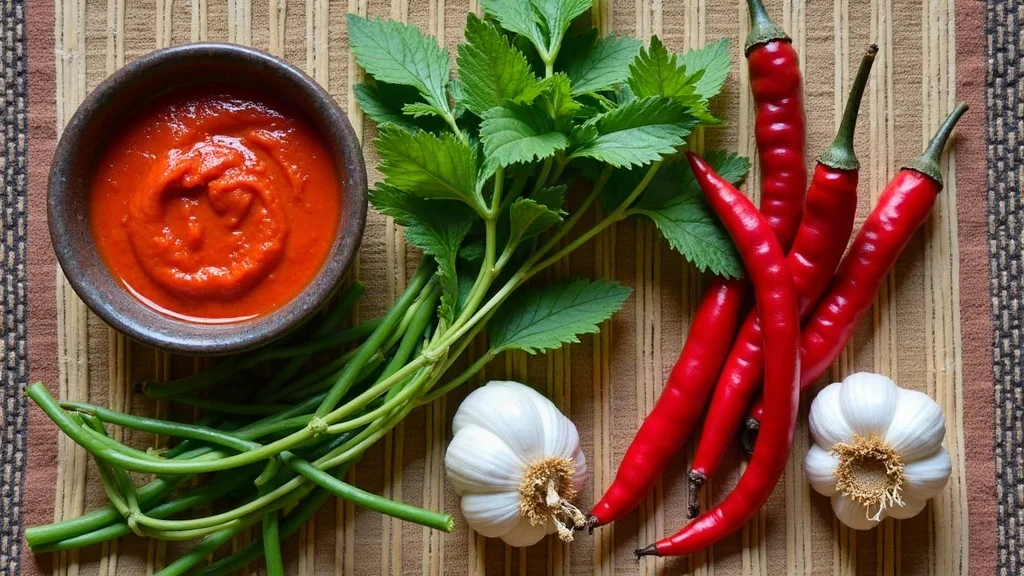
For the home cook in the United States, sourcing authentic Guatemalan ingredients requires a blend of specialty Latin markets and standard supermarket finds. The key to authenticity lies in the recado—the blended sauce that gives the soup its signature red hue and depth.
The Protein and Base
- Turkey: 2 to 3 lbs (900g to 1.3kg) of turkey legs, thighs, or a mix of drumsticks and wings. Traditionalists prefer bone-in pieces for maximum gelatin and flavor extraction.
- Water or Turkey Stock: 4 to 6 cups (950ml to 1.4L). Using a light stock enhances the body, but water allows the natural turkey flavor to shine.
The Aromatics and Vegetables (For Charring)
- Tomatoes: 4 medium ripe tomatoes (approx. 1 lb / 450g).
- Tomatillos: 4 to 6 medium tomatillos (approx. 12 oz / 340g). Remove husks and rinse.
- White Onion: 1 large onion, quartered (approx. 8 oz / 225g).
- Garlic: 6 to 8 cloves, peeled (approx. 1 oz / 28g).
The Spice Profile & Substitutions
| Authentic Ingredient | US Substitution / Equivalent | Purpose |
|---|---|---|
| Chile Guaque / Chile Pasa | Guajillo or New Mexico Chile | Smoky, mild heat and deep red color |
| Achiote (Paste or Seeds) | Annatto Paste / Recado Rojo | Earthy flavor and vibrant orange-red tint |
| Culantro / Recao | Fresh Cilantro (or Sawtooth Coriander) | Pungent, herbal brightness |
| Fresh Mint | Spearmint or Garden Mint | Cooling aromatic finish |
Measurements for the Spice Blend
- Dried Chiles: 2 to 4 whole pods (approx. 15g to 30g).
- Achiote Paste: 1 to 2 tsp (5g to 10g).
- Fresh Cilantro: 1/2 cup, chopped (approx. 15g).
- Fresh Mint: 1/4 cup, chopped (approx. 10g).
- Salt: To taste (typically 1 to 2 tbsp of Kosher salt).
Step-by-Step Culinary Masterclass
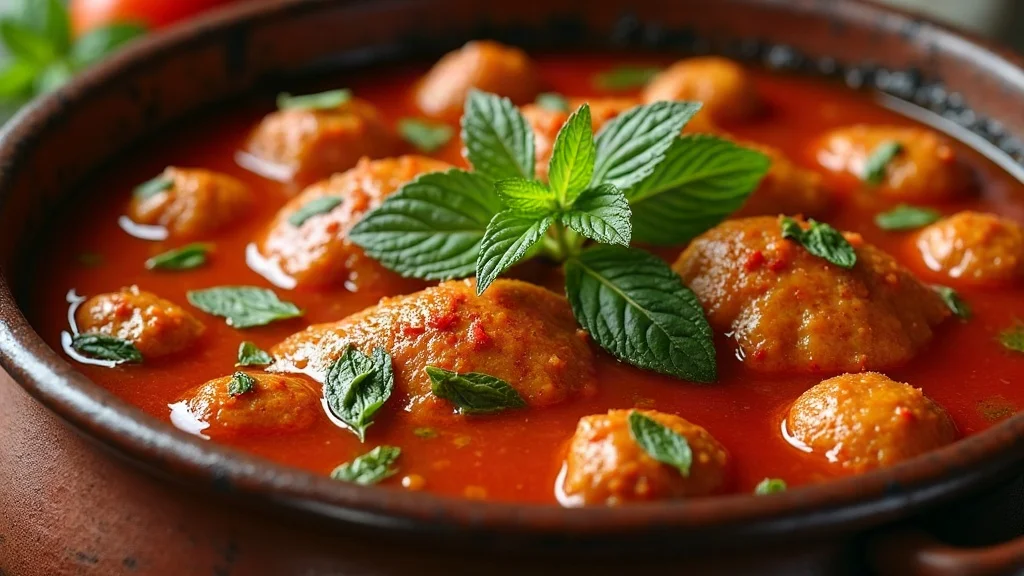
Preparing Kak’ik is an exercise in patience and layering. The goal is to build a broth that is clear yet rich, and aromatic without being muddy.
Follow this professional sequence to achieve a restaurant-grade result.
Phase 1: The Turkey Foundation
Begin by placing your turkey pieces in a large heavy-bottomed pot or a Dutch oven. Cover with water or stock and add a generous pinch of salt.
Bring the liquid to a gentle boil, then immediately reduce the heat to a low simmer. Chef’s Tip: Avoid a rolling boil, which can make the turkey meat tough and cloud the broth. Simmer for 1.5 to 2 hours, or until the meat is tender and easily pulls away from the bone.
Once cooked, remove the turkey pieces and set them aside to cool slightly, keeping the broth in the pot.
Phase 2: The Art of the Char
While the turkey simmers, prepare the vegetable base. In a dry cast-iron skillet or under a broiler, roast the tomatoes, tomatillos, onion, and garlic.
You are looking for a distinct char—blackened skins and softened interiors. This caramelization is critical; it introduces the smoky “burnt” notes that are essential to the Cobán style.
Once charred, remove the stems from the tomatillos and discard any excessively burnt skin if it appears bitter.
Phase 3: Hydrating and Blending the Recado
Remove the stems and seeds from the dried chiles. Place them in a bowl of hot water to soak for 15 to 20 minutes until pliable.
Once softened, transfer the hydrated chiles to a blender along with the charred tomatoes, tomatillos, onion, garlic, and the achiote paste. Blend on high until the mixture is completely smooth.
If the sauce is too thick, add a small amount of the turkey cooking liquid to reach a pourable consistency.
Phase 4: The Final Integration
Strain the blended red sauce through a fine-mesh sieve directly into the simmering turkey broth. This ensures a silky texture without any leftover chile skin or seed fragments.
Return the turkey pieces to the pot. Simmer the soup for an additional 20 to 30 minutes, allowing the turkey to absorb the flavors of the recado and the broth to thicken slightly.
Phase 5: The Herbal Finish
Just before removing the pot from the heat, stir in the freshly chopped cilantro and mint. Critical Technique: Do not boil the herbs; adding them at the very end preserves the volatile oils and the bright, fresh aroma that cuts through the richness of the turkey and achiote.
Chef Secrets: Texture, Pairings & Storage
To elevate Kak’ik from a home-cooked meal to a professional culinary experience, attention must be paid to the presentation and the accompanying elements.
Serving and Presentation
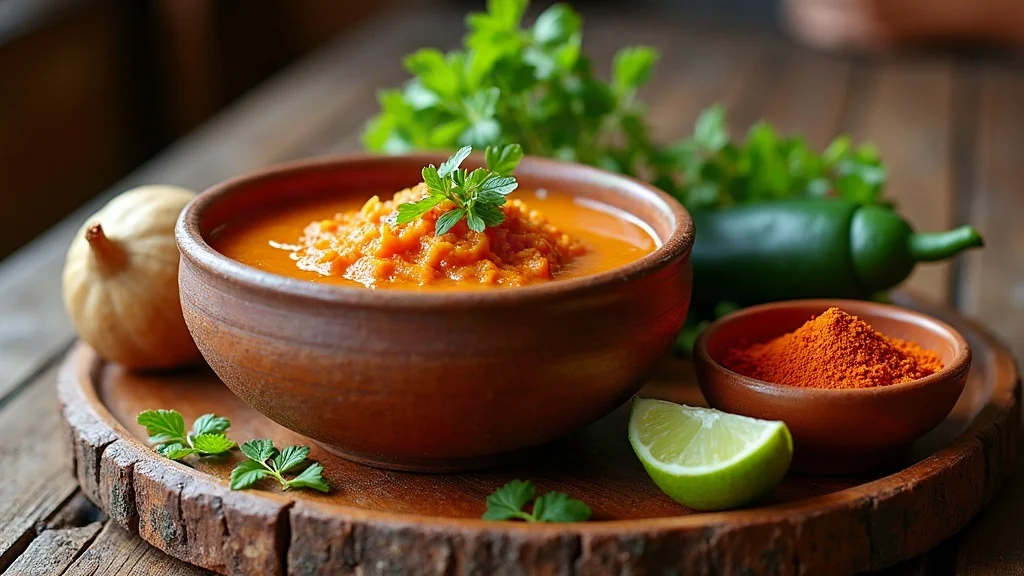
Kak’ik is traditionally served in deep ceramic bowls to retain heat. The turkey piece should be centered in the bowl, submerged in the vibrant red broth.
For an authentic touch, garnish with a few sprigs of fresh mint and a slice of lime to add a hit of acidity just before eating.
Traditional Accompaniments
- White Rice: A side of steamed, fluffy long-grain white rice is the most common pairing, serving as a neutral canvas for the bold broth.
- Tortillas: Warm, thick corn tortillas are essential for scooping up the meat and soaking up the remaining liquid.
- Tamales: In celebratory settings, small masa-based tamales are often served alongside the soup.
Beverage Pairings
Given the smoky and herbal nature of the soup, a beverage with high acidity or a clean profile works best. A chilled Horchata (rice and cinnamon drink) provides a creamy contrast to the spice.
For those seeking an alcoholic pairing, a crisp, dry white wine like a Sauvignon Blanc or a light-bodied Mexican lager with a lime wedge complements the dish without competing with the achiote.
Storage and Reheating Guidelines
Kak’ik, like most stews, often tastes better the following day as the flavors continue to meld.
- Refrigeration: Store in an airtight container for up to 3 to 4 days.
- Freezing: The broth and turkey freeze well for up to 3 months. However, the fresh herbs (cilantro and mint) will lose their potency. We recommend freezing the base and adding fresh herbs only after reheating.
- Reheating: Heat slowly over medium-low flame on the stove. Avoid the microwave if possible to prevent the turkey from becoming rubbery. Add a splash of water or stock if the broth has thickened too much during storage.
Regional Variations & Where to Find Ingredients in the US
Kak'ik Guatemala Ingredientes: What Goes Into the Real Cobán Broth
Authentic Kak'ik relies on chompipe, tomate, miltomate, achiote, hierbabuena, cilantro, cebollín, and samat for its signature red, herbaceous base.
Many Cobán cooks also add chile guaque, chile pasa, pepitoria, and chile cobanero to deepen the ceremonial flavor.
Kak Ik Guatemala Receta: A Step-by-Step Home Guide
Start by simmering the turkey with a recado of toasted spices, achiote, and roasted vegetables until the broth turns deep red.
Finish with fresh hierbabuena and cilantro, then serve hot with tamales blancos for a true Alta Verapaz experience.
What Is Kak Ik Guatemala? Origins and Cultural Meaning
Kak'ik is a pre-Hispanic ceremonial turkey soup of the Q'eqchi' Maya people, centered in Cobán, Alta Verapaz.
It was declared Patrimonio Cultural Intangible de la Nación and remains essential during patron-saint and ritual celebrations.
Where to Buy Ingredients in the USA
Find chompipe or fresh turkey at Latin butchers, and source achiote, miltomate, chile guaque, and chile cobanero at Guatemalan or Mexican markets. Substitute culantro for samat and Anaheim or guajillo chiles if chile cobanero is unavailable.
How to Spot Authentic Chapín Flavor
True Kak’ik shows a bright red broth from achiote, not tomato alone, and is perfumed with hierbabuena and cilantro. It is always served with tamales blancos, never just rice, in Guatemalan homes and US chapín restaurants.
Explore More Authentic Guatemalan Dishes & US Restaurants
Continue exploring our traditional Guatemalan culinary encyclopedia with these related guides:
Frequently Asked Questions About Kak'ik Guatemala
What is Kak ik Guatemala?
Kak’ik is an ancestral Q’eqchi’ Maya ceremonial turkey soup from Cobán, Alta Verapaz, Guatemala. It is a red, herbaceous broth of chompipe, achiote, mint, and cilantro, declared Patrimonio Cultural Intangible de la Nación.
What are Kak'ik Guatemala ingredientes?
Key ingredients include chompipe or pavo, tomate, miltomate, ajo, cebolla, achiote, hierbabuena, cilantro, cebollín, samat, chile guaque, chile pasa, pepitoria, and chile cobanero.
How do you make Kak ik Guatemala receta at home?
Simmer turkey with a recado of roasted tomato, miltomate, achiote, and spices. Add fresh herbs near the end and serve with tamales blancos wrapped in banana leaves.
What makes Kak'ik a Guatemalan dish?
Kak’ik is rooted in Q’eqchi’ Maya ritual cuisine from Cobán and recognized as national intangible heritage. Its flavor, color, and ceremonial role distinguish it as distinctly chapín.
Leave a Reply