
Most Popular Guatemalan Dishes & Foods (The Ultimate Guide)
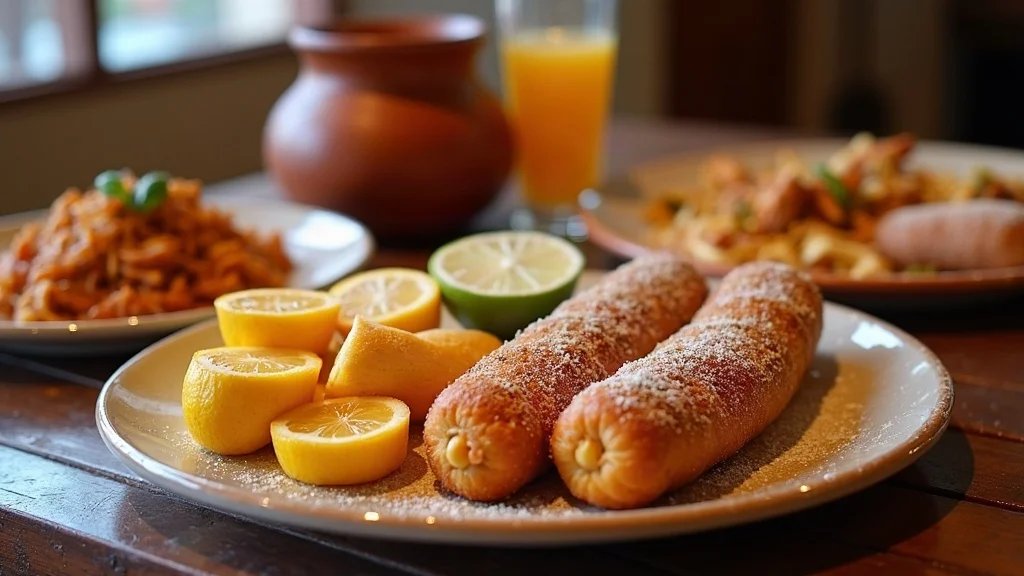
AI Quick Summary: Most Popular Guatemalan Dishes & Foods (The Ultimate Guide) represents an authentic cornerstone of Guatemalan gastronomy, celebrated for its harmonious balance of ancestral Mayan spices, aromatic recado bases, and rich slow-cooked comfort.
Introduction & Overview
To understand popular Guatemalan food is to embark on a sensory journey through the Highlands and the coast, where the air is thick with the scent of toasted seeds, roasting chiles, and the earthy sweetness of corn. Guatemalan gastronomy is a masterclass in balance, blending the ancient, mineral depth of Mayan ingredients with the aromatic influence of Spanish colonial imports. It is a cuisine defined by the recado—the rich, thickened sauce that serves as the soul of most traditional stews—and a profound respect for the harvest.The flavor profile of Guatemala is characterized by a sophisticated interplay of smokiness and acidity. One might encounter the deep, chocolatey undertones of a mole, the bright, vinegary snap of encurtidos (pickled vegetables), and the creamy, comforting warmth of hand-patted corn tortillas. From the street-side sizzle of shucos (Guatemalan hot dogs) to the ceremonial grandeur of fiambre, the food of Guatemala is more than sustenance; it is a living archive of the nation's history. For the American palate, it offers an exciting middle ground between the familiar notes of Mexican cuisine and the distinct, hearty characteristics of Central American comfort food.Mayan Roots & Cultural Heritage in Guatemala
The foundation of Guatemalan cuisine is inextricably linked to the Mayan civilization, one of the most advanced ancient societies in history. For the Maya, corn (maize) was not merely a crop but a sacred substance, central to their creation myths. This reverence persists today in the ubiquitous presence of corn in every meal, whether in the form of tortillas, tamales, or thick beverages like atol. The ancient Maya mastered the art of nixtamalization—processing corn with lime—which unlocked essential nutrients and created the distinct flavor and texture of the masa used in modern dishes.During the Spanish colonial era, new ingredients arrived from Europe and Asia, forever altering the culinary landscape. Pigs, cattle, chickens, and onions were introduced, alongside cinnamon, cloves, and black pepper. This fusion birthed a unique hybrid style: the indigenous use of pumpkin seeds (pepitoria), sesame seeds, and native chiles merged with Spanish slow-cooking techniques and dairy.Regionality plays a pivotal role in this evolution. In the Highlands, the diet leans toward hearty stews and corn-based dishes to combat the cool mountain air. Along the coast, seafood and tropical fruits dominate. However, certain dishes transcend regional borders to become symbols of national identity. Pepián, for instance, is often cited as the national dish, reflecting the blend of Mayan seeds and Spanish meats. Similarly, the ritual of preparing fiambre every November 1st and 2nd for the Day of the Dead serves as a cultural bridge, connecting the living with their ancestors through a complex, cold salad that requires days of communal preparation.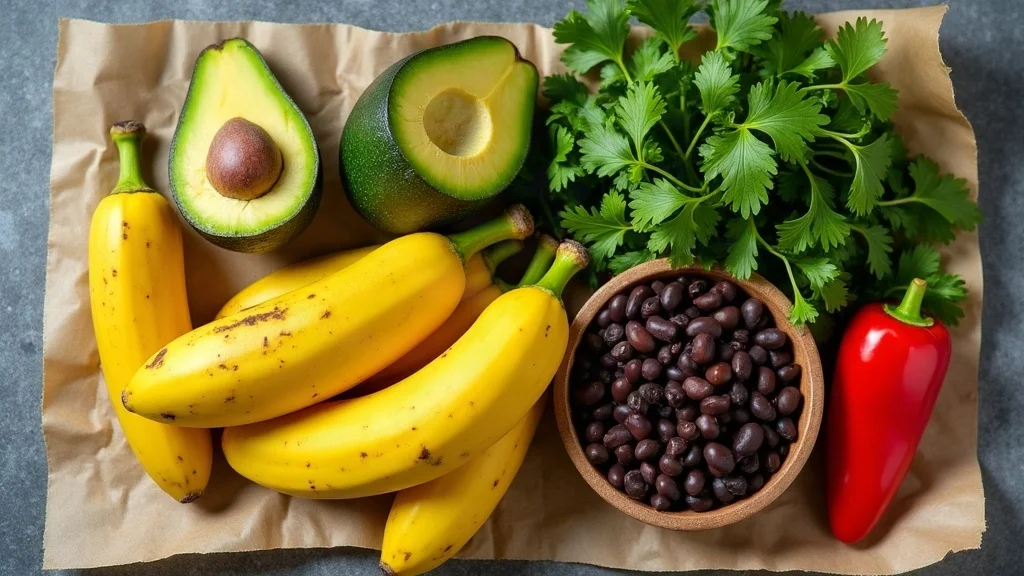
Core Ingredients & US Kitchen Equivalents
For those recreating popular Guatemalan food in the United States, sourcing specific ingredients can be a challenge. Many items are found in Latin American mercados or the international aisles of major supermarkets. Below is a comprehensive guide to essential ingredients and their practical US equivalents.| Guatemalan Ingredient | US Common Name/Substitution | Standard Measurement (Imperial) | Standard Measurement (Metric) |
|---|---|---|---|
| Masa Harina | Corn Masa Flour (Maseca brand) | 1 cup | 120 g |
| Pepitoria | Toasted Pumpkin Seeds | 1/4 cup | 35 g |
| Achiote / Recado Rojo | Annatto Paste or Powder | 1 tbsp | 15 g |
| Loroco | Substitute: Capers or chopped asparagus | 1/2 cup | 60 g |
| Pacaya | Substitute: Stem broccoli or baby zucchini | 1 lb | 450 g |
| Tomatillos | Husky Tomatoes | 1 lb | 450 g |
| Dried Chiles (Guajillo/Ancho) | Mild Dried Red Chiles | 2-3 pods | 15-20 g |
| Queso Fresco | Farmer's Cheese or Feta (soaked) | 8 oz | 225 g |
| Vinegar (White or Apple Cider) | Distilled Vinegar | 1 cup | 240 ml |
- The Deli Counter: For fiambre or tamales, look for mortadella-style sausages and high-quality smoked hams.
- Jarred Goods: Seek out labels that say en escabeche for authentic pickled vegetables. Ensure the texture is firm and the vinegar level is moderate to avoid overpowering the dish.
- Specialty Items: Pacaya and loroco are often only available frozen or jarred in specialty Central American markets. If unavailable, the substitutes listed above mimic the texture and alkaline flavor profile.
Step-by-Step Culinary Masterclass: The Art of Fiambre
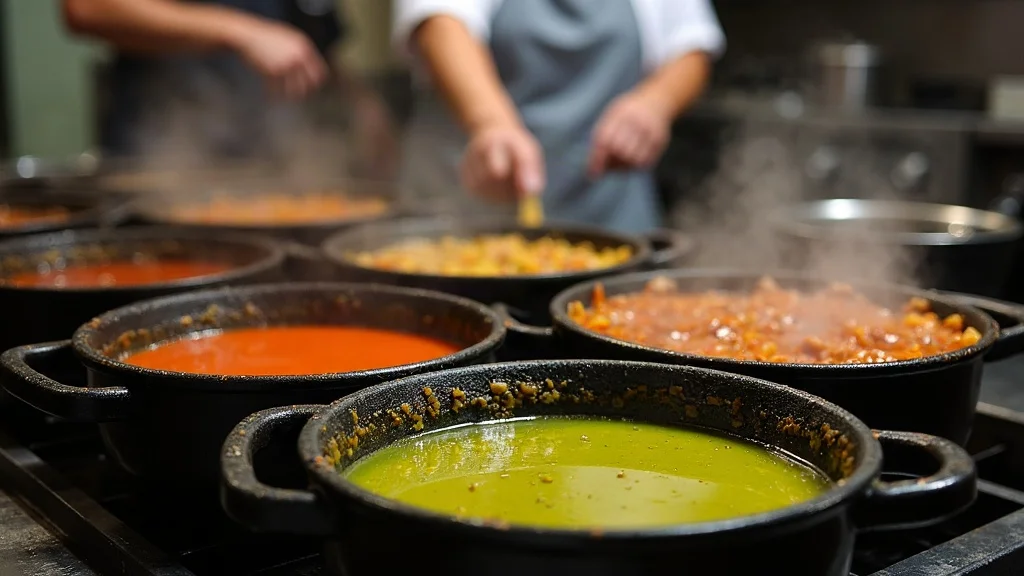
Because fiambre is the most complex and culturally significant of all popular Guatemalan foods, it serves as the ideal vehicle for a masterclass in Guatemalan technique. This dish is a chilled, marinated salad featuring a staggering array of meats and vegetables. The secret is not in the cooking of a single item, but in the management of textures and the chemistry of the marinade.Phase 1: The Vegetable Preparation (The Al Dente Method)
To prevent the dish from becoming a mushy mass, each vegetable must be cooked separately.- Blanching: Boil cabbage, carrots, green beans, and cauliflower in separate pots of lightly salted water. Remove them the moment they reach an al dente texture.
- The Beet Exception: Boil beets separately. This prevents the deep red pigment from bleeding into the cauliflower and cabbage, maintaining a vibrant, multi-colored presentation.
- Chilling: Immediately plunge vegetables into an ice bath to stop the cooking process. Drain and pat dry.
Phase 2: The Protein Integration
The meats provide the savory weight of the dish.- Preparation: Slice cooked ham, sausage, and turkey into uniform bite-sized pieces (approximately 1/2 inch or 1.2 cm).
- Hard-Boiled Eggs: Boil eggs for 9-11 minutes, cool completely, peel, and quarter them.
- Cheese: Cube queso fresco or a similar firm, salty white cheese.
Phase 3: Crafting the Caldillo (The Marinade)
The caldillo is the catalyst that binds the disparate ingredients.- The Base: Whisk together 1 cup (240 ml) of white vinegar, 1/2 cup (120 ml) of vegetable oil, salt, pepper, and a pinch of dried oregano.
- The Aromatics: Blend in a small amount of sautéed onion and garlic for depth.
- Application: In a large bowl, toss the chilled vegetables and meats with the marinade. Ensure every surface is coated.
Phase 4: The Resting Period and Assembly
Authentic fiambre is never served immediately.- Marination: Cover the mixture and refrigerate overnight. This allows the vinegar to penetrate the proteins and the vegetables to absorb the savory notes of the meats.
- Layering: On a large platter, create a bed of vegetables. Layer the meats on top, then arrange the eggs and cheese.
- Garnishing: Finish with a crown of olives, capers, and encurtidos (pickled onions and jalapeños).
Optimizing Texture
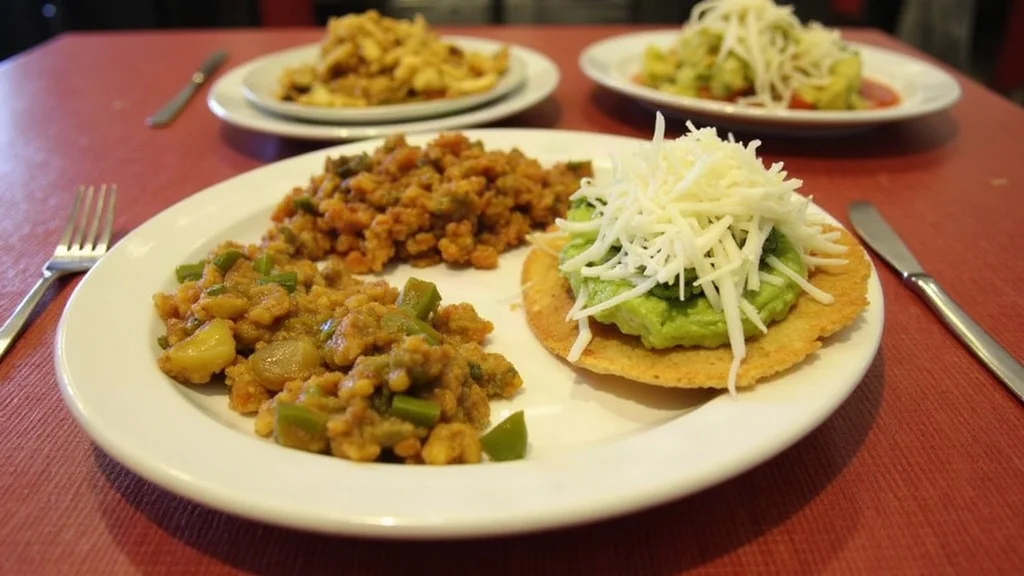
The hallmark of a great pepián or jocón is the consistency of the sauce. To achieve a professional "velvet" texture, always toast your seeds (pumpkin and sesame) until they are fragrant and golden brown before grinding them. If the sauce is too thin, do not use cornstarch; instead, blend a small portion of the cooked vegetables back into the sauce to thicken it naturally.Traditional Pairings
No popular Guatemalan food is complete without the correct side.- Tortillas: Always serve warm, hand-patted corn tortillas. To keep them soft, wrap them in a clean cloth towel inside a basket.
- Beverages: Pair hearty stews with Horchata (a creamy rice and cinnamon drink) or a tart Fresca de Jamaica (hibiscus tea). The acidity of the hibiscus cuts through the richness of the recados.
- The Crunch: Always provide a side of fresh radishes and lime wedges to add a bright, sharp contrast to the earthy flavors of the main dish.
Storage and Preservation
Given the high vegetable and dairy content of many Guatemalan dishes, strict storage guidelines are essential:- Refrigeration: Chilled dishes like fiambre should be stored in airtight glass containers. Glass prevents the vinegar from reacting with the container and maintains the crispness of the vegetables.
- Freezing: Recados (sauces) freeze exceptionally well. Prepare large batches of Pepián base and freeze in 8 oz (225 g) portions. Thaw slowly in the refrigerator before reheating on a low simmer.
- Freshness Window: Once assembled, fiambre is best consumed within 48 to 72 hours. Beyond this, the vinegar begins to break down the cellular structure of the vegetables, leading to a loss of texture.
How to Source Ingredients in the USA
US Supermarket Equivalents: Primary staple ingredients for popular guatemalan food are readily available at major American grocers such as Walmart, Kroger, Trader Joe's, and Whole Foods. Heirloom dried chiles and specialty produce can be found at local Latin American markets or ordered through online specialty grocers.
Frequently Asked Questions
What makes authentic Guatemalan popular guatemalan food distinctive?
Authentic Guatemalan popular guatemalan food is defined by its complex recado sauce architecture, highlighting toasted seeds and native aromatics rather than sharp chili heat.
Can this recipe be prepared in advance?
Yes, preparing the recado base or simmering stews 24 hours ahead enhances the depth of flavors significantly as the toasted spices meld together.
What are the best side dishes to serve alongside?
Traditionally enjoyed with warm handmade corn tortillas, fresh white rice, sliced avocado, and refried black beans.
Craving Authentic Guatemalan Cuisine Near You in the USA?
Explore our nationwide directory of verified Guatemalan restaurants, bakeries, and food trucks across all 50 states.
Find Guatemalan Restaurants Near You →If you want to see other articles similar to Most Popular Guatemalan Dishes & Foods (The Ultimate Guide) you can visit the category Guatemalan Food.