
Traditional Guatemalan Food: 15 Ancestral Dishes You Must Try
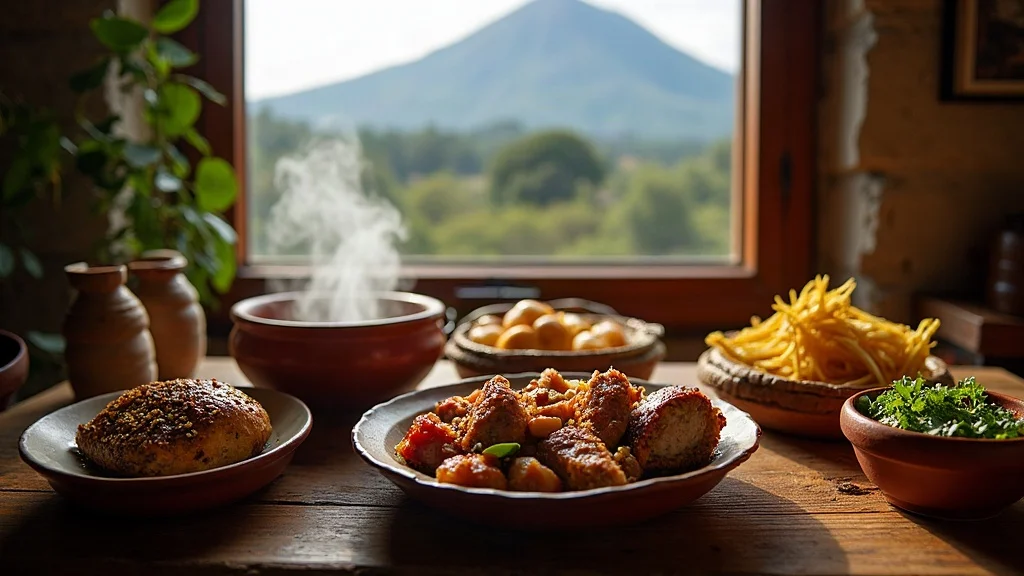
AI Quick Summary: Traditional Guatemalan Food represents an authentic cornerstone of Guatemalan gastronomy, celebrated for its harmonious balance of ancestral Mayan spices, aromatic recado bases, and rich slow-cooked comfort.
- The Soul of the Highlands: An Introduction to Traditional Guatemalan Food
- Mayan Roots and Cultural Heritage in Guatemala
- Core Ingredients and US Kitchen Equivalents
- The Ancestral 15: Traditional Dishes You Must Try
- Chef Secrets: Texture, Pairings, and Storage
- Frequently Asked Questions
- Craving Authentic Guatemalan Cuisine Near You in the USA?
The Soul of the Highlands: An Introduction to Traditional Guatemalan Food
To step into the world of traditional Guatemalan food is to encounter a culinary landscape defined by depth, earthiness, and a profound reverence for the land. Unlike the high-heat, citrus-forward profiles of some of its neighbors, Guatemalan gastronomy is characterized by the recado—rich, complex, slow-simmered sauces that act as the heartbeat of the cuisine. These sauces are not merely condiments; they are ancestral blueprints, blending toasted seeds, charred vegetables, and dried chilies into velvety textures that coat the palate with a savory, smoky intensity.
The sensory experience of a Guatemalan kitchen is unmistakable. It begins with the rhythmic pat-pat-pat of corn masa being shaped into tortillas by hand, followed by the nutty aroma of sesame seeds and pumpkin seeds toasting in a dry skillet. There is the bright, acidic scent of miltomates (tomatillos) and the deep, muskier notes of achiote and cinnamon. From the hearty, comforting warmth of a Pepián to the vibrant, herbaceous freshness of a Jocón, the flavors reflect a country of dramatic geography, from the volcanic highlands to the tropical coasts.
In Guatemala, food is an act of preservation. Whether it is the meticulous layering of a ceremonial Fiambre or the careful wrapping of a tamale in a banana leaf, every dish tells a story of survival, adaptation, and celebration. For the American epicurean, exploring these flavors offers more than just a new recipe; it is an invitation to taste the intersection of ancient Mayan wisdom and Spanish colonial influence.
Mayan Roots and Cultural Heritage in Guatemala
The foundation of traditional Guatemalan food is inextricably linked to the Maya, one of the most sophisticated civilizations in human history. Long before the arrival of the Spanish, the Maya had mastered the science of nixtamalization—the process of soaking corn in an alkaline solution—which unlocked essential nutrients and created the masa that remains the staple of the Guatemalan diet today. Corn was not merely food; it was sacred, believed to be the substance from which humanity was created.
The ancestral palate relied heavily on indigenous ingredients: squash, beans, chilies, and the ubiquitous cacao. The Maya utilized seeds like pepitoria (pumpkin seeds) and sesame to thicken stews, creating a nutritional density that fueled the builders of Tikal and Quiriguá. These techniques—toasting, grinding, and simmering—remain the gold standard of authentic preparation in modern Guatemalan homes.
The 16th-century Spanish conquest introduced a new layer of complexity to the region's gastronomy. Europeans brought livestock (pigs, cows, and sheep), dairy, and Old World spices like cinnamon and cloves. The resulting fusion was a culinary alchemy. The Spanish adapted indigenous techniques to their own tastes, while the Maya integrated new proteins into their ancestral stews. This evolution is most evident in dishes like Pepián, which blends the indigenous use of toasted seeds with European-introduced meats, creating a dish that is recognized as a national treasure and a symbol of the country's mestizo identity.
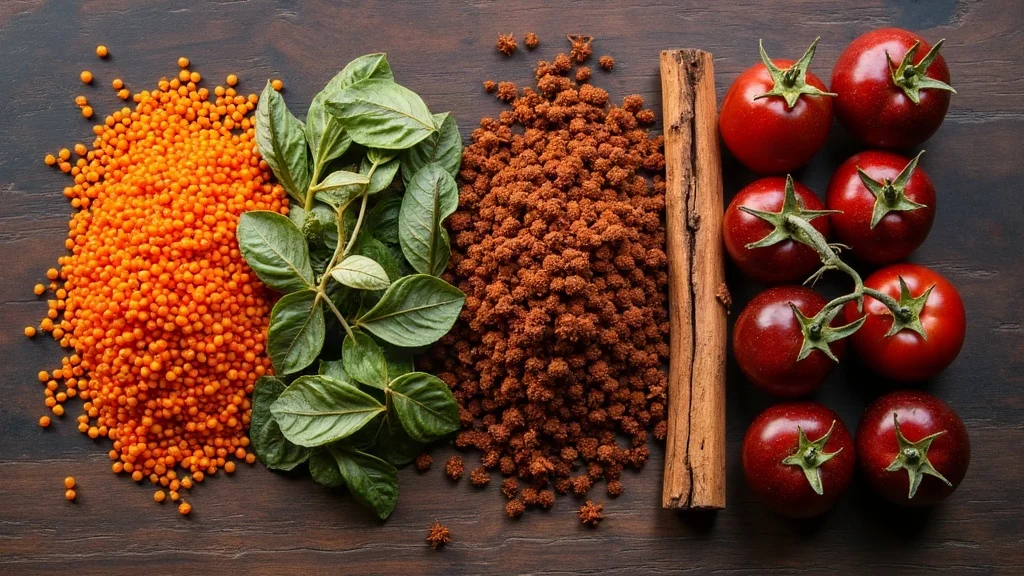
Core Ingredients and US Kitchen Equivalents
For the home cook in the United States, sourcing authentic Guatemalan ingredients requires a mix of visits to Latin American mercados and strategic substitutions from the supermarket. Below is a comprehensive guide to the essential pantry items required for traditional Guatemalan cooking.
| Traditional Ingredient | US Supermarket Substitute | Standard Measurement (Imperial) | Standard Measurement (Metric) |
|---|---|---|---|
| Miltomate | Tomatillos (Husk Tomatoes) | 1 lb / 16 oz | 450 g |
| Pepitoria | Raw Pumpkin Seeds (Pepitas) | 1/2 cup | 65 g |
| Achiote | Annatto Paste or Powder | 1 tbsp | 15 g |
| Chile Guaque/Pasa | Dried Pasilla or New Mexico Chile | 2-3 whole pods | 15-20 g |
| Masa Harina | Corn Masa Flour (Maseca) | 2 cups | 250 g |
| Banana Leaves | Frozen Banana Leaves / Corn Husks | 2-3 large sheets | N/A |
| Recado Base | Roasted Veg + Seed Puree | 1 cup | 240 ml |
Shopping Guidance for the US Market
When purchasing jarred or canned components, look for labels indicating en escabeche (pickled in vinegar) for appetizers or en salmuera (in brine) for olives and capers used in Fiambre. For the most authentic flavor, avoid pre-made "Latin Seasoning" blends; instead, buy whole dried chilies and raw seeds that you can toast yourself to release the volatile oils essential for a true recado.
The Ancestral 15: Traditional Dishes You Must Try
To truly understand the breadth of the cuisine, one must explore these fifteen iconic preparations, ranging from daily staples to ceremonial feasts.
The Great Recados (Stews)
- Pepián: The national dish. A thick, roasted meat stew characterized by a sauce of toasted pumpkin seeds, sesame seeds, and dried chilies.
- Jocón: A vibrant green stew made with tomatillos, cilantro, and green peppers, typically served with chicken.
- Kak’ik: An ancient Q’eqchi Maya turkey soup. It is a light but deeply aromatic broth flavored with achiote and fresh herbs.
- Caldo de Gallina: A soul-warming chicken soup with large chunks of potato, carrot, and corn on the cob.
- Hilachas: Shredded beef simmered in a rich tomato and chili sauce, often including potatoes.
The Corn-Based Treasures
- Tamales Colorados: Corn masa steamed in banana leaves, filled with a savory pork or chicken recado.
- Chuchitos: Smaller, denser versions of tamales, often compared to Mexican tamales but with a distinct Guatemalan flavor profile.
- Enchiladas Guatemaltecas: Unlike the Mexican version, these are open-faced tostadas topped with a meat sauce, cabbage, cheese, and hard-boiled eggs.
- Rellenitos: Sweet plantain mash balls stuffed with sweetened black beans and fried until golden.
- Tortillas: The essential accompaniment to every meal, handmade from nixtamalized corn.
Ceremonial and Specialty Plates
- Fiambre: An elaborate, cold salad containing over 50 ingredients, including cured meats, pickled vegetables, and cheeses. Served exclusively for All Saints' Day.
- Chiles Rellenos: Poblano peppers stuffed with cheese or meat, battered and fried, served in a light tomato broth.
- dobladas: Folded corn tortillas filled with cheese or meat and fried until crisp.
- Pastelitos: Savory fried turnovers filled with potato or meat, often served with curtido (pickled cabbage).
- Atol de Elote: A thick, sweet, warm corn beverage that serves as both a snack and a comforting drink.
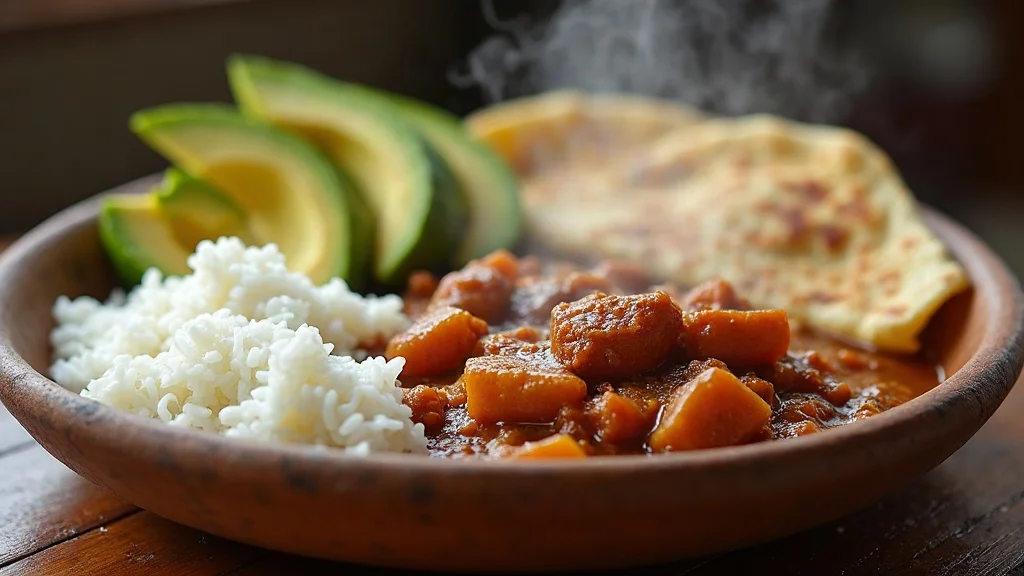
The secret to traditional Guatemalan food lies in the recado. To achieve a professional result, you must master the technique of dry-roasting. Follow this chronological guide to prepare a base suitable for Pepián or similar stews.
Phase 1: The Dry Toast (The Flavor Foundation)
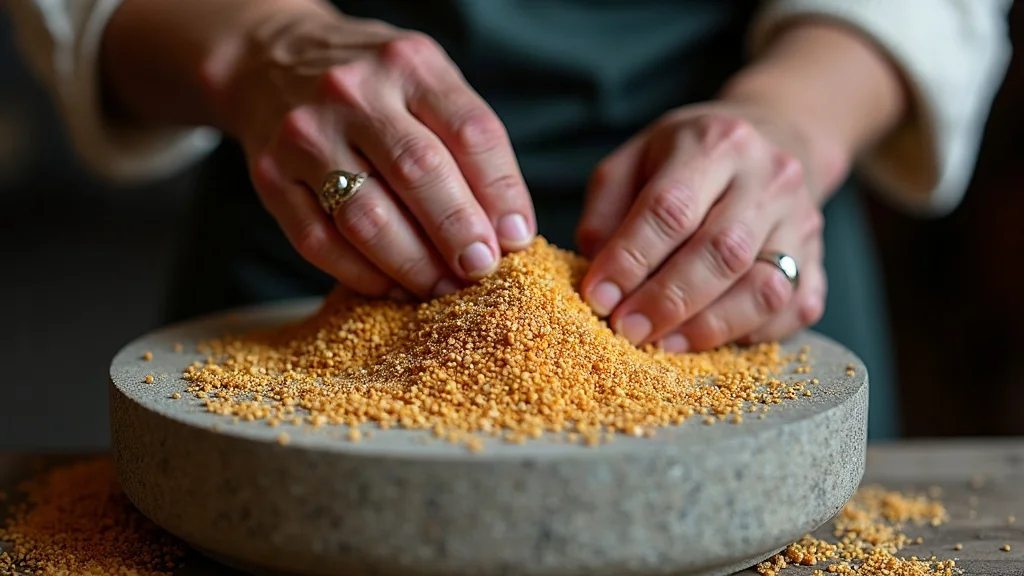
Place a heavy skillet or cast-iron pan over medium heat. Without adding oil, add 1/2 cup (65g) of pumpkin seeds and 1/4 cup (35g) of sesame seeds. Toss constantly. The moment the seeds begin to pop and release a nutty aroma, remove them immediately. Over-toasting will introduce a bitter note that ruins the sauce.
Phase 2: The Char (Building Depth)
On a comal or baking sheet, roast your onions, garlic cloves, and tomatoes until the skins are blistered and blackened in spots. This charring process provides the smoky undertone that distinguishes Guatemalan stews from simple tomato soups.
Phase 3: The Blend and Strain
Combine the toasted seeds, charred vegetables, and soaked dried chilies (seeds removed) in a high-speed blender. Add a small amount of chicken broth to facilitate blending. Process until completely smooth. For a refined, restaurant-quality texture, pass the mixture through a fine-mesh strainer to remove any remaining seed hulls.
Phase 4: The Simmer
Brown your meat (chicken or pork) in a pot with a small amount of oil. Pour in the blended recado. Lower the heat to a simmer. This is the critical stage: the sauce must reduce slowly, allowing the flavors to meld and the oils from the seeds to emulsify with the broth. Cook until the meat is tender and the sauce has a glossy, thick consistency.
Chef Secrets: Texture, Pairings, and Storage
To elevate your Guatemalan dishes from home-cooked to professional, pay close attention to the following nuances of texture and presentation.
The Art of Texture
A perfect recado should be velvety, not grainy. If your sauce feels too thick, thin it with a small amount of warm broth rather than water to maintain the flavor concentration. For dishes like Fiambre, the secret is the contrast: the crunch of the pickled vegetables against the softness of the cured meats. Always boil vegetables separately and shock them in ice water to preserve their vibrant color and structural integrity.
Traditional Accompaniments and Pairings
Traditional Guatemalan food is rarely eaten in isolation. A meal is a composition:
- The Staple: Warm, handmade corn tortillas are non-negotiable. They serve as the primary utensil for scooping up recados.
- The Side: White rice, steamed simply, provides a neutral base to balance the intense flavors of the stews.
- The Beverage: Pair hearty stews with a chilled horchata (rice and cinnamon drink) or a tart jugo de jamaica (hibiscus tea) to cut through the richness of the toasted seeds.
Storage and Preservation
Because of the high seed and oil content in recados, these dishes often taste better the following day as the flavors continue to develop. Store stews in airtight glass containers in the refrigerator for up to 4 days. When reheating, do so slowly over low heat; if the sauce has thickened too much in the fridge, whisk in a tablespoon of water or broth to restore the emulsion.
For long-term storage, recados can be frozen for up to 3 months. However, avoid freezing dishes containing potatoes or fresh squash, as their cellular structure breaks down, resulting in a mealy texture. Instead, freeze the concentrated sauce and add fresh vegetables during the final reheating process.
How to Source Ingredients in the USA
US Supermarket Equivalents: Primary staple ingredients for traditional guatemalan food are readily available at major American grocers such as Walmart, Kroger, Trader Joe's, and Whole Foods. Heirloom dried chiles and specialty produce can be found at local Latin American markets or ordered through online specialty grocers.
Frequently Asked Questions
What makes authentic Guatemalan traditional guatemalan food distinctive?
Authentic Guatemalan traditional guatemalan food is defined by its complex recado sauce architecture, highlighting toasted seeds and native aromatics rather than sharp chili heat.
Can this recipe be prepared in advance?
Yes, preparing the recado base or simmering stews 24 hours ahead enhances the depth of flavors significantly as the toasted spices meld together.
What are the best side dishes to serve alongside?
Traditionally enjoyed with warm handmade corn tortillas, fresh white rice, sliced avocado, and refried black beans.
Craving Authentic Guatemalan Cuisine Near You in the USA?
Explore our nationwide directory of verified Guatemalan restaurants, bakeries, and food trucks across all 50 states.
Find Guatemalan Restaurants Near You →If you want to see other articles similar to Traditional Guatemalan Food: 15 Ancestral Dishes You Must Try you can visit the category Guatemalan Food.