
Champurradas Guatemaltecas: Traditional Toasted Sesame Cookies
AI Quick Summary: Champurradas Guatemaltecas represents an authentic cornerstone of Guatemalan gastronomy, celebrated for its harmonious balance of ancestral Mayan spices, aromatic recado bases, and rich slow-cooked comfort.
The Golden Crunch of Guatemala: An Introduction to Champurradas
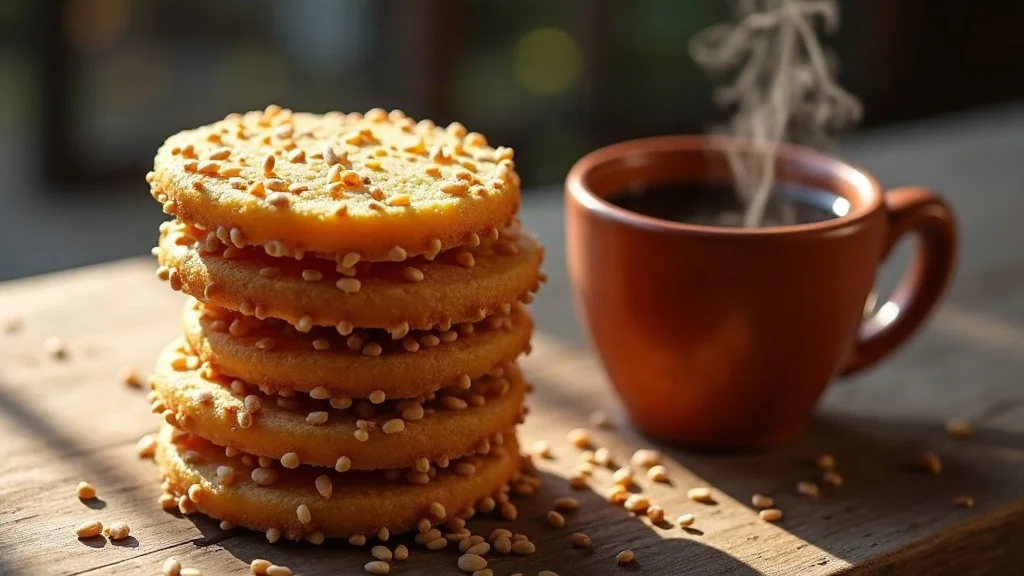
In the bustling markets of Guatemala City and the quiet, cobblestone streets of Antigua, there is a scent that defines the Guatemalan afternoon: the toasted, nutty aroma of sesame seeds meeting caramelized sugar. This is the olfactory signature of Champurradas Guatemaltecas, a traditional toasted sesame cookie that occupies a sacred space in the nation's culinary identity. More than just a sweet treat, the champurrada is a study in balance—somewhere between a crisp biscuit and a delicate shortbread, offering a flavor profile that is subtly sweet, deeply aromatic, and satisfyingly crunchy.
For the uninitiated, champurradas are characterized by their golden-brown hue and a generous crowning of white sesame seeds (ajonjolí). When bitten into, they provide a clean snap that gives way to a buttery interior, with the toasted sesame seeds providing a savory counterpoint to the sugar. In the context of champurradas guatemalan food culture, these cookies are rarely eaten in isolation. They are designed for the ritual of the merienda—the mid-afternoon snack—where they serve as the perfect vessel for dipping into a steaming cup of thick Guatemalan hot chocolate or a strong, dark roast coffee.
To experience a champurrada is to experience the warmth of Guatemalan hospitality. Whether served at a family gathering or purchased in a wax-paper bag from a local panaderia, these cookies represent a continuity of tradition, bridging the gap between ancient indigenous ingredients and the baking techniques introduced during the colonial era.
Mayan Roots and Cultural Heritage in Guatemala
The history of the champurrada is a reflection of Guatemala's complex cultural tapestry. To understand the origins of these cookies, one must look at the intersection of Mayan heritage and Spanish influence. Long before the arrival of European wheat and refined sugars, the indigenous peoples of Mesoamerica were masters of seed cultivation and grain processing. Sesame seeds, while introduced later, integrated seamlessly into a culinary landscape that already valued the nuttiness of toasted seeds and corn.
During the Spanish colonial period, the introduction of the oven (horno) and wheat flour transformed Guatemalan baking. The champurrada evolved as a hybrid creation: utilizing the European concept of the butter-based cookie but incorporating the local preference for toasted seeds and earthy sweeteners. Over centuries, the recipe became regionalized, with different villages adding their own nuances—some preferring a denser, bread-like texture, others opting for a wafer-thin crispness.
Beyond daily consumption, champurradas hold significant weight during ceremonial periods. They are frequently associated with the celebrations surrounding All Saints' Day (Día de Todos los Santos), a time when Guatemalan families prepare elaborate spreads to honor their ancestors. While the centerpiece of this holiday is often Fiambre—a complex, cold salad of meats and vegetables—sweet treats like champurradas provide the necessary balance to the salty, pickled flavors of the feast. This connection to ancestral remembrance elevates the cookie from a simple snack to a cultural symbol of kinship and memory.
Core Ingredients and US Kitchen Equivalents
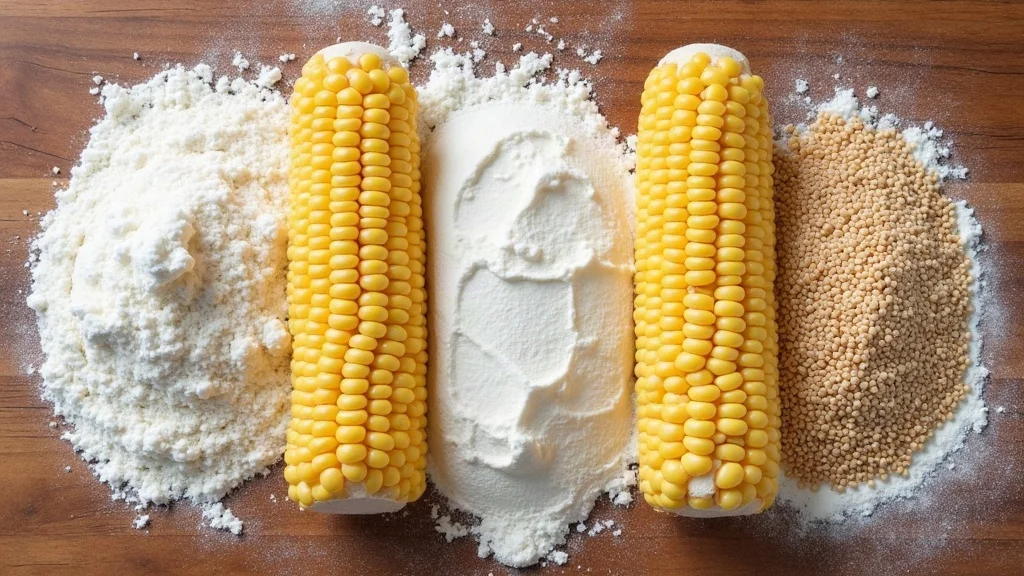
For the home baker in the United States, achieving an authentic taste requires a mindful selection of ingredients. While standard supermarket items will work, substituting specific components can elevate the cookie from "good" to "authentic."
The Ingredient Blueprint
| Ingredient | US Imperial Measurement | Metric Measurement | Chef's Note/Substitution |
|---|---|---|---|
| All-Purpose Flour | 2 1/2 Cups | 315 grams | Sifted for a lighter crumb. |
| Baking Powder | 1 teaspoon | 5 grams | Ensure it is fresh for proper lift. |
| Salt | 1/2 teaspoon | 3 grams | Fine sea salt is preferred. |
| Unsalted Butter | 1/2 Cup (1 stick) | 113 grams | Softened to room temperature. |
| Vegetable Shortening | 1/4 Cup | 55 grams | Provides the traditional bakery "snap." |
| Dark Brown Sugar | 3/4 Cup | 150 grams | Substitute with Piloncillo for authenticity. |
| Eggs | 2 Large | 100 grams | Room temperature to prevent curdling. |
| Vanilla Extract | 1 teaspoon | 5 ml | Pure extract; avoid imitation. |
| White Sesame Seeds | 1/2 Cup | 75 grams | Unsalted, raw seeds. |
| Egg (for wash) | 1 Large | 50 grams | Beaten lightly with a pinch of salt. |
The most critical variable in the flavor profile is the sugar. In Guatemala, Piloncillo (unrefined cane sugar) is often used, giving the cookies a deep, molasses-like undertone. If you cannot find Piloncillo at a Latin market, the best US substitute is a mixture of dark brown sugar and a teaspoon of blackstrap molasses. This replicates the mineral-rich, earthy sweetness of the original.
Regarding fats, the combination of butter and shortening is non-negotiable for those seeking the "bakery style" texture. Butter provides the flavor and aroma, while shortening raises the melting point of the dough, ensuring the cookies hold their shape and achieve a crispier finish without spreading too thin in the oven.
Step-by-Step Culinary Masterclass
Creating a professional-grade champurrada requires attention to temperature and technique. Follow this chronological guide to ensure a consistent, golden-brown result.
Phase 1: Preparation and Dry Integration
Begin by preheating your oven to 350°F (175°C). Line two heavy-duty baking sheets with parchment paper or silicone mats. In a medium mixing bowl, whisk together the all-purpose flour, baking powder, and salt. Sifting these ingredients is highly recommended; it aerates the flour and ensures that the leavening agent is evenly distributed, preventing any "clumps" of baking powder in the final product.
Phase 2: The Creaming Process
In a large bowl or a stand mixer fitted with the paddle attachment, combine the softened butter, vegetable shortening, and brown sugar. Beat on medium-high speed for approximately 3 to 5 minutes. The goal is to incorporate air into the fat, creating a pale, fluffy mixture. Once creamed, reduce the speed to medium and add the eggs one at a time, followed by the vanilla extract. Mix until just combined—overmixing at this stage can introduce too much air, causing the cookies to puff up like cakes rather than staying crisp.
Phase 3: Dough Formation and Tempering
Slowly add the dry flour mixture to the wet ingredients. Mix on low speed until the flour is just incorporated. Crucial Technique: Do not overwork the dough. Once the streaks of flour disappear, stop mixing. Overworking develops the gluten, which will make the cookies tough rather than crisp.
Wrap the dough in plastic wrap and refrigerate for 30 minutes. This "tempering" period allows the fats to firm up and the flour to fully hydrate, making the dough much easier to roll and preventing the cookies from spreading excessively in the oven.
Phase 4: Rolling and Shaping
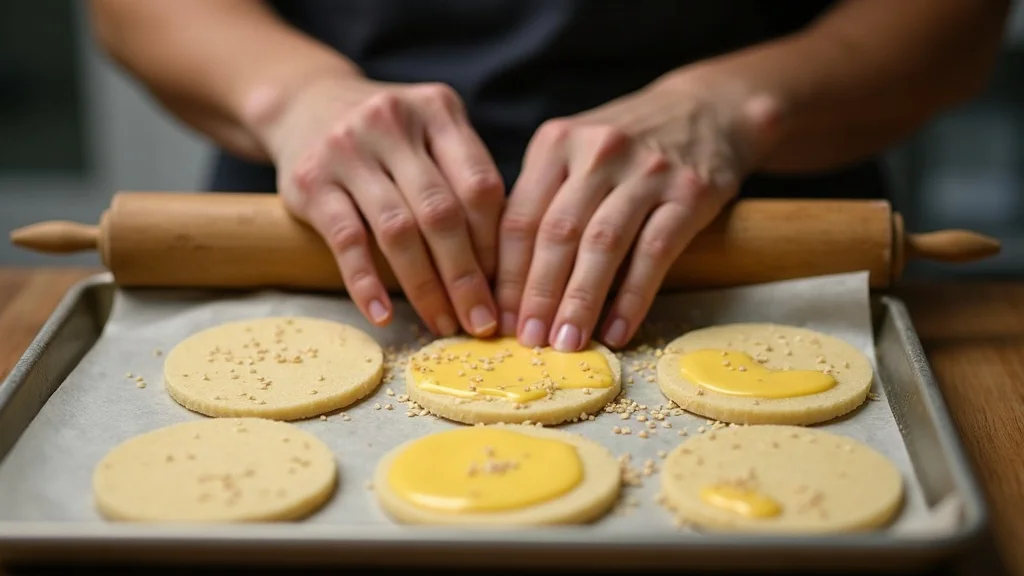
On a lightly floured surface, roll the chilled dough to a thickness of 1/8 inch. For those seeking a traditional crisp texture, a thinner roll is essential. Use a 2-inch circular cutter to stamp out the rounds. Gently transfer them to the prepared baking sheets, leaving about one inch of space between each cookie.
Phase 5: The Finishing Touch and Bake
Lightly brush the top of each cookie with the beaten egg wash. This acts as a culinary "glue" for the sesame seeds and provides a professional, glossy sheen. Generously sprinkle white sesame seeds over the wet surface, pressing them lightly into the dough with your fingertip.
Bake for 12 to 18 minutes. Watch closely starting at the 12-minute mark; the cookies are done when the edges are a deep golden brown and the sesame seeds have taken on a toasted, aromatic scent. Remove from the oven and let them cool on the pan for 5 minutes before transferring them to a wire rack. They will continue to crisp up as they cool completely.
To truly master the art of the champurrada, one must look beyond the baking process and focus on the presentation and preservation of the cookie.
Optimizing Texture
If you find your cookies are too soft, it is likely due to one of two reasons: the dough was rolled too thick, or they were removed from the oven too early. For a truly authentic snap, the cookies should be a uniform golden brown across the bottom. If you prefer a more "bread-like" experience—similar to some regional Guatemalan variations—roll the dough to 1/4 inch and reduce the baking time by two minutes.
The Art of Pairing
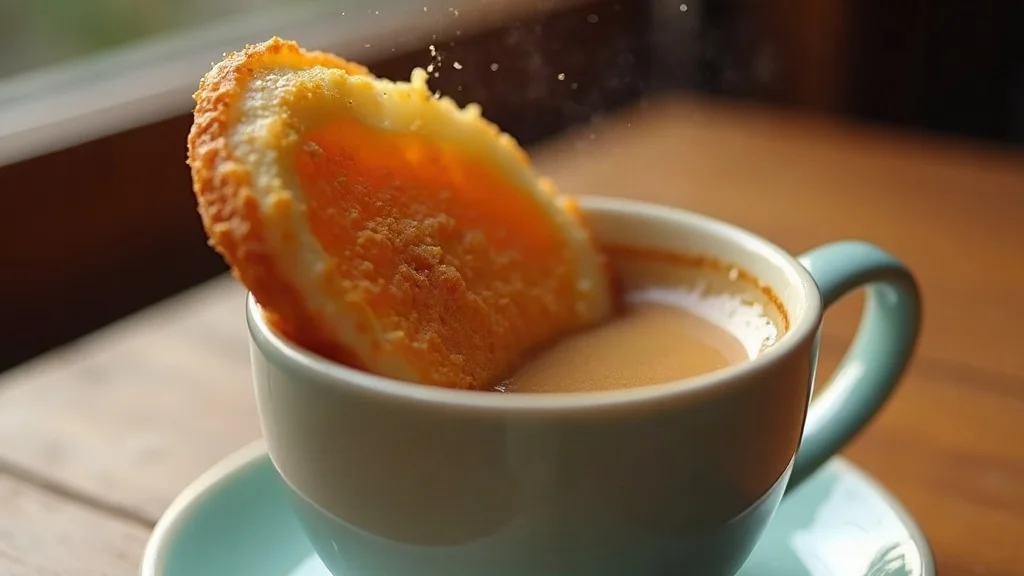
The richness of the butter and the nuttiness of the sesame demand a beverage that can cut through the fat. There are three gold-standard pairings:
- Guatemalan Hot Chocolate: Made with cinnamon, vanilla, and a hint of almond, this thick beverage is the traditional companion. The bitterness of the cacao complements the sweetness of the brown sugar.
- Café Negro: A strong, black coffee (preferably a medium-dark roast) provides a roasted acidity that highlights the toasted sesame seeds.
- Warm Milk: For children or those preferring a milder experience, warm milk softens the cookie's crunch, creating a comforting, melt-in-your-mouth sensation.
Professional Storage Guidelines
Because champurradas rely on their crispness for authenticity, moisture is the enemy. Once completely cooled, store the cookies in an airtight container with a piece of parchment paper between layers to prevent sticking. To maintain the crunch, add a small food-grade silica packet or a piece of dry bread to the container to absorb excess moisture.
Refrigeration: Do not store these in the refrigerator, as the humidity will make them soft. Store them in a cool, dry pantry for up to two weeks.
Freezing: The dough can be frozen in balls or as a disc for up to three months. To bake from frozen, simply thaw in the refrigerator overnight before rolling and baking. Alternatively, fully baked cookies can be frozen for up to a month; simply flash-bake them at 300°F for 3 minutes to restore the original crispness.
How to Source Ingredients in the USA
US Supermarket Equivalents: Primary staple ingredients for champurradas guatemalan food are readily available at major American grocers such as Walmart, Kroger, Trader Joe's, and Whole Foods. Heirloom dried chiles and specialty produce can be found at local Latin American markets or ordered through online specialty grocers.
Frequently Asked Questions
What makes authentic Guatemalan champurradas guatemalan food distinctive?
Authentic Guatemalan champurradas guatemalan food is defined by its complex recado sauce architecture, highlighting toasted seeds and native aromatics rather than sharp chili heat.
Can this recipe be prepared in advance?
Yes, preparing the recado base or simmering stews 24 hours ahead enhances the depth of flavors significantly as the toasted spices meld together.
What are the best side dishes to serve alongside?
Traditionally enjoyed with warm handmade corn tortillas, fresh white rice, sliced avocado, and refried black beans.
Craving Authentic Guatemalan Cuisine Near You in the USA?
Explore our nationwide directory of verified Guatemalan restaurants, bakeries, and food trucks across all 50 states.
Find Guatemalan Restaurants Near You →If you want to see other articles similar to Champurradas Guatemaltecas: Traditional Toasted Sesame Cookies you can visit the category Dessert.