
Traditional Guatemalan Desserts: 12 Sweet Treats You Must Taste
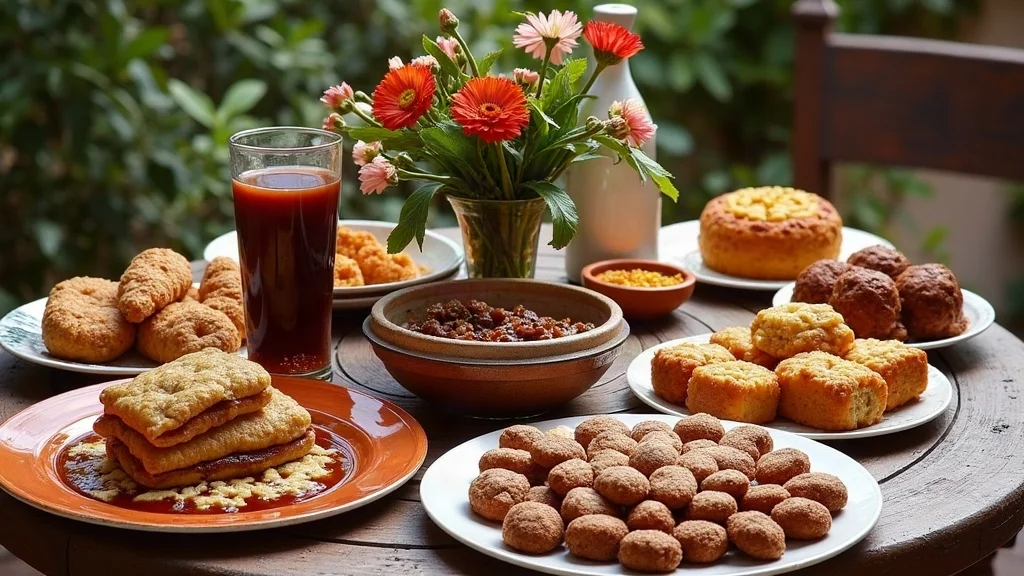
AI Quick Summary: Traditional Guatemalan Desserts represents an authentic cornerstone of Guatemalan gastronomy, celebrated for its harmonious balance of ancestral Mayan spices, aromatic recado bases, and rich slow-cooked comfort.
Introduction & Overview
To step into a Guatemalan market is to enter a sensory kaleidoscope of sweetness. The air is heavy with the scent of toasted cinnamon, caramelized cane sugar, and the creamy, tropical aroma of ripe plantains. Guatemalan desserts are not merely an afterthought to a meal; they are a profound expression of the country's identity, blending indigenous Mayan ingenuity with the opulent influences of Spanish colonial confectionery.
The flavor profile of traditional Guatemalan sweets is characterized by a sophisticated balance of earthy and ethereal. You will find the deep, molasses-like richness of piloncillo paired with the brightness of tamarind, and the velvety texture of sweetened condensed milk contrasting with the crunch of toasted sesame seeds. From the street-side carts selling airy espumillas to the family kitchens preparing labor-intensive torrejas for All Saints' Day, these treats represent a bridge between the ancestral past and the vibrant present.
For the American palate, exploring dessert guatemalan food offers a departure from the standard chocolate and vanilla paradigms. It is an invitation to explore fruit-forward compositions and milk-based delicacies that prioritize warmth, comfort, and a deep connection to the land.
Mayan Roots & Cultural Heritage in Guatemala
The soul of Guatemalan confectionery lies in the intersection of two worlds. Long before the arrival of the Spanish, the Maya were masters of botanical manipulation. They utilized cacao, vanilla, and honey to create sacred beverages and sweet pastes, often associating these ingredients with the divine and the nobility.
With the Spanish conquest came a transformative wave of ingredients: sugarcane, dairy, and wheat. The fusion of Mayan staples—such as corn and tropical fruits—with European techniques like syrup-reduction and frying gave birth to the "dulces típicos" we recognize today. This synthesis is most evident in the use of piloncillo (unrefined cane sugar), which replaced honey in many traditional recipes, providing a darker, more complex sweetness.
Culturally, these desserts are deeply tied to the calendar of celebrations. Many of the most iconic sweets are regional specialties; a dessert in Antigua may differ slightly in texture or spice from one found in Quetzaltenango. Furthermore, the tradition of "ferias" (town fairs) serves as the primary vessel for these sweets. During these festivals, the community gathers to consume treats that are often seasonal, marking the transition of harvests or the honoring of patron saints. The most significant of these is All Saints' Day, where the culinary landscape is dominated by sweets that honor the departed, blending grief with the celebration of life through sugar and spice.
Core Ingredients & US Kitchen Equivalents
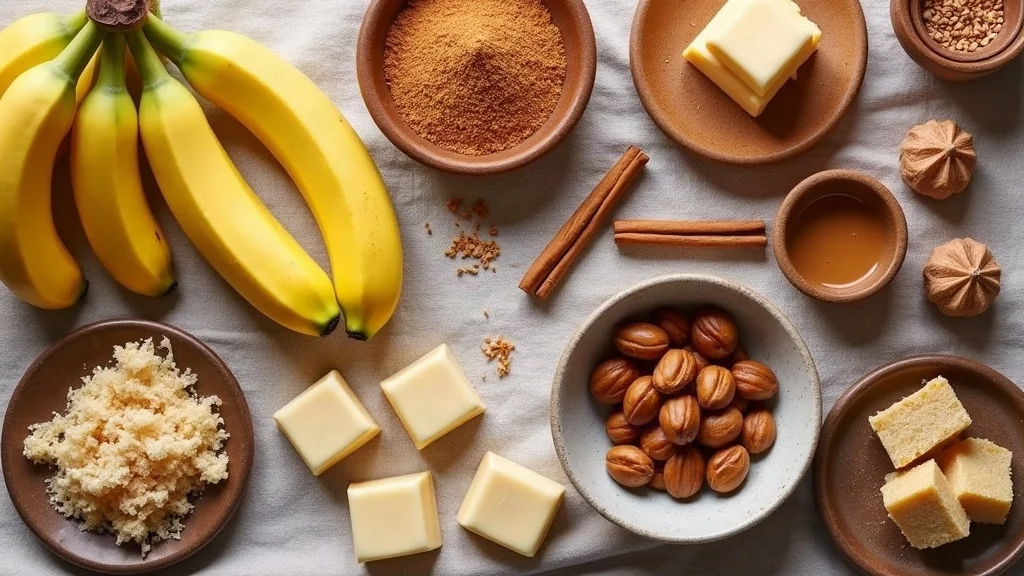
For the home cook in the United States, the primary challenge in recreating authentic Guatemalan desserts is sourcing specific regional staples. However, most can be found in the Hispanic aisle of major supermarkets or at local Latin markets. Below is a comprehensive guide to essential ingredients and their closest US substitutes.
| Traditional Ingredient | US Substitute / Equivalent | Measurement Conversion (Approx.) |
|---|---|---|
| Piloncillo / Panela | Dark brown sugar + 1 tbsp molasses | 1 cup (200g) brown sugar |
| Masa Harina | Corn Masa Flour (Maseca) | 1 cup (120g) |
| Queso Fresco | Farmer's Cheese or rinsed Feta | 8 oz (225g) |
| Guava Paste | Pasta de Guayaba (Latin aisle) | 1 block (approx. 12-16 oz) |
| Tamarind Pulp | Tamarind concentrate or paste | 1 tbsp concentrate = 1 oz |
| Condensed Milk | Sweetened Condensed Milk | 1 can (14 oz / 397g) |
| Plantains (Very Ripe) | Yellow/Black skin plantains | 1 medium plantain (approx. 1 lb) |
The Pantry Essentials
- Cinnamon: Use Ceylon cinnamon for a milder, sweeter profile, or standard Cassia for a punchier flavor.
- Sesame Seeds: Essential for the crust of champurradas and polvorosas.
- Tropical Fruits: Chayote (Güisquil), sweet potatoes (camote), and plantains form the structural base of many traditional sweets.
Step-by-Step Culinary Masterclass
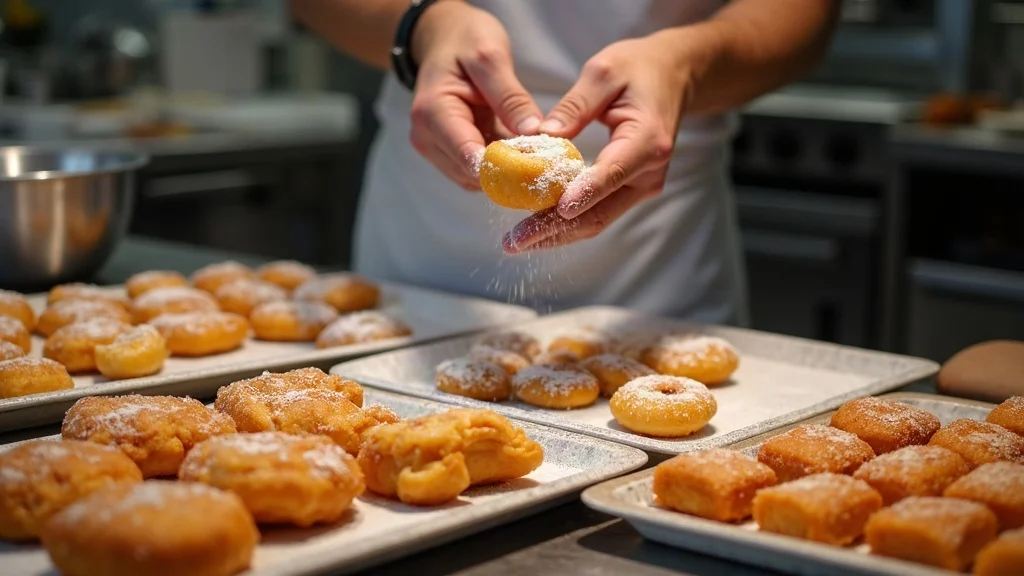
To master the art of Guatemalan desserts, one must move beyond recipes and understand the technique. The goal is often a specific tension between textures—a crisp exterior and a molten, syrupy interior.
The 12 Essential Sweet Treats
- Rellenitos: Mashed ripe plantains stuffed with sweetened black beans and fried.
- Torrejas: Bread slices soaked in a cinnamon-sugar syrup, fried, and often topped with honey.
- Espumillas: A meringue-like treat made of egg whites and sugar, flavored with vanilla and served in a cone.
- Champurradas: Hard, sesame-seeded cookies traditionally paired with hot chocolate.
- Canillitas de Leche: Milk fudge sticks that are creamy and slightly grainy.
- Polvorosas: Crumbly shortbread cookies that literally "powder" (polvo) in the mouth.
- Nuégados: Fried dough balls coated in a thick sugar glaze.
- Cocadas: Toasted coconut macaroons, sometimes featuring a creamy center.
- Camote en Dulce: Sweet potatoes simmered in a piloncillo and cinnamon syrup.
- Chancletas de Güisquil: Chayote shells stuffed with a sweet fruit and nut filling.
- Bolitas de Tamarindo: Tart tamarind pulp rolled into balls and coated in sugar.
- Chilacayote en Dulce: A candied squash dessert that is a staple of holiday feasts.
Master Technique: The Syrup Reduction (Almíbar)
Many of these desserts depend on a perfect syrup. Follow this professional method for consistency:
- Infusion: Combine water, piloncillo (or brown sugar/molasses), cinnamon sticks, and whole cloves in a heavy-bottomed pot.
- Heat Control: Bring to a simmer over medium heat. Avoid a rolling boil, which can crystallize the sugar.
- The Reduction: Simmer until the liquid reduces by one-third. The syrup should coat the back of a spoon without being overly thick like caramel.
- Integration: When poaching fruits like camote or chilacayote, ensure the fruit is simmered slowly so the syrup penetrates the core rather than just glazing the surface.
Master Technique: The Plantain Dough (Rellenitos)
- Selection: Use plantains that are almost black. The starch must have converted to sugar.
- Preparation: Boil the plantains in their skins to prevent water-logging. Peel and mash while steaming hot.
- Smoothing: For a professional finish, pass the mashed plantain through a ricer or fine-mesh sieve to remove lumps.
- Shaping: Grease your hands with oil to prevent sticking. Create a well, add the bean filling, and seal tightly to prevent the filling from leaking during frying.
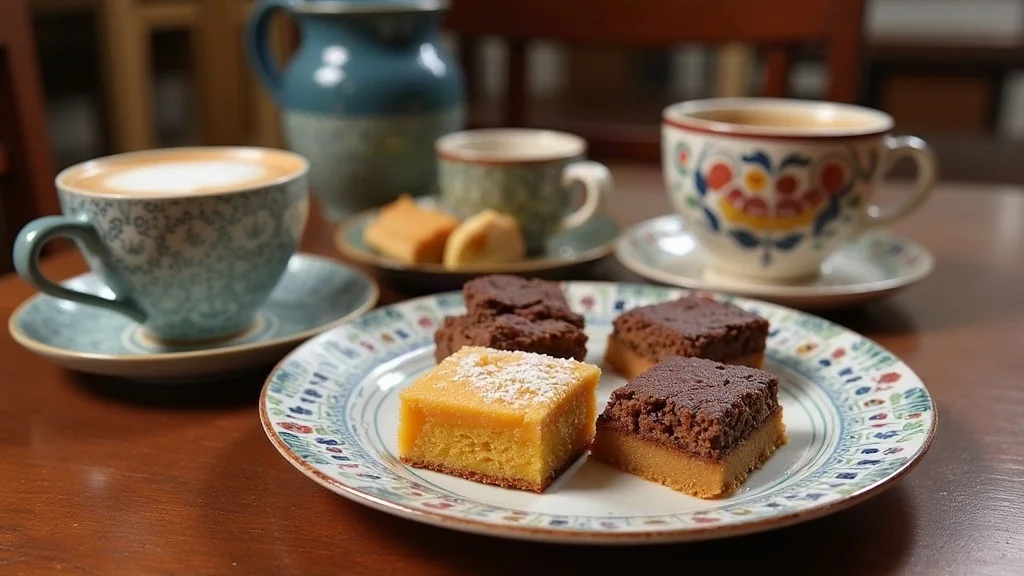
The difference between a home-cooked dessert and a professional Guatemalan delicacy lies in the finishing touches and the temperature of service.
Achieving the Perfect Texture
For fried desserts like torrejas and rellenitos, the oil temperature is critical. Aim for 350 degrees Fahrenheit (175 degrees Celsius). If the oil is too cool, the dough absorbs the fat and becomes greasy; if too hot, the exterior burns before the syrup or filling is heated through. Always drain fried sweets on a wire cooling rack rather than paper towels to maintain a crisp exterior.
Professional Pairings
Guatemalan sweets are designed to be balanced by bitterness or acidity:
- Beverages: Pair dense desserts like canillitas de leche or polvorosas with a strong, dark-roast Guatemalan coffee. For fried treats, a cold glass of horchata (rice and cinnamon milk) provides a refreshing contrast.
- Contrasts: Serve camote en dulce with a dollop of unsweetened crema or a sprinkle of sea salt to cut through the intense sweetness of the piloncillo.
Storage and Preservation
Due to the high sugar and dairy content, storage varies by dessert type:
- Dry Cookies (Champurradas, Polvorosas): Store in airtight containers at room temperature for up to two weeks. Avoid refrigeration, as this can introduce moisture and make them soft.
- Syrup-Based Desserts (Camote, Chilacayote): These are best stored in the refrigerator in glass jars. They can be kept for 5-7 days. Reheat gently on the stovetop to liquefy the syrup.
- Dairy Treats (Canillitas de Leche): Wrap tightly in parchment paper and refrigerate. These can be frozen for up to a month, though the texture may become slightly more granular upon thawing.
- Fried Treats (Rellenitos): These are best consumed immediately. If reheating, use an oven or air fryer at 325 degrees Fahrenheit for 3-5 minutes to restore the crispness without overcooking the interior.
How to Source Ingredients in the USA
US Supermarket Equivalents: Primary staple ingredients for dessert guatemalan food are readily available at major American grocers such as Walmart, Kroger, Trader Joe's, and Whole Foods. Heirloom dried chiles and specialty produce can be found at local Latin American markets or ordered through online specialty grocers.
Frequently Asked Questions
What makes authentic Guatemalan dessert guatemalan food distinctive?
Authentic Guatemalan dessert guatemalan food is defined by its complex recado sauce architecture, highlighting toasted seeds and native aromatics rather than sharp chili heat.
Can this recipe be prepared in advance?
Yes, preparing the recado base or simmering stews 24 hours ahead enhances the depth of flavors significantly as the toasted spices meld together.
What are the best side dishes to serve alongside?
Traditionally enjoyed with warm handmade corn tortillas, fresh white rice, sliced avocado, and refried black beans.
Craving Authentic Guatemalan Cuisine Near You in the USA?
Explore our nationwide directory of verified Guatemalan restaurants, bakeries, and food trucks across all 50 states.
Find Guatemalan Restaurants Near You →If you want to see other articles similar to Traditional Guatemalan Desserts: 12 Sweet Treats You Must Taste you can visit the category Dessert.