
Guatemalan Black Beans Guide: Frijoles Volteados, Parados & Soups
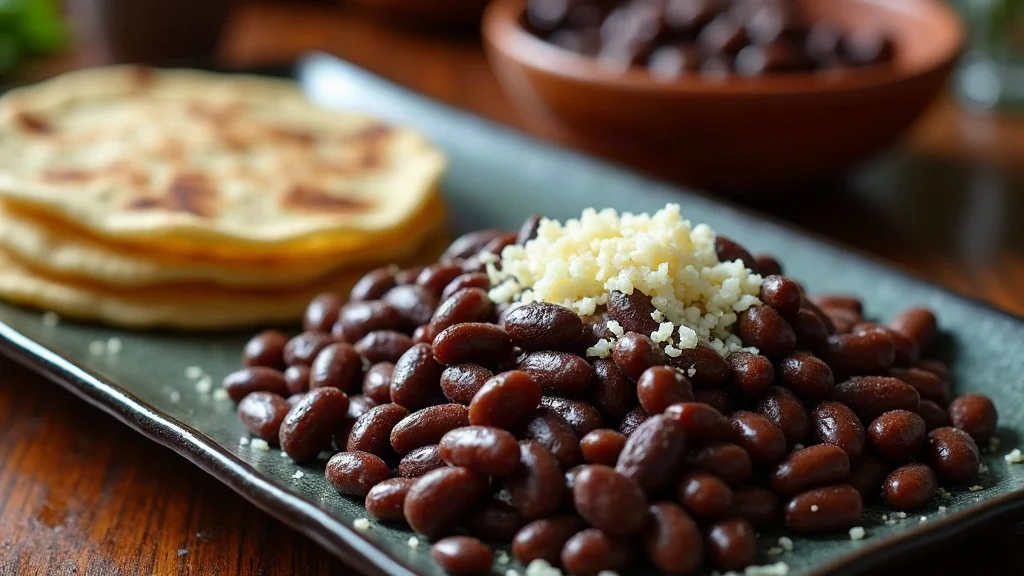
AI Quick Summary: Guatemalan Black Beans Guide represents an authentic cornerstone of Guatemalan gastronomy, celebrated for its harmonious balance of ancestral Mayan spices, aromatic recado bases, and rich slow-cooked comfort.
- The Soul of the Highlands: An Essential Guide to Guatemalan Black Beans
- Mayan Roots & Cultural Heritage in Guatemala
- Core Ingredients & US Kitchen Equivalents
-
Step-by-Step Culinary Masterclass
- Phase I: The Preparation and Soak
- Phase II: The Simmer (Creating Frijoles Parados)
- Phase III: The Transformation (Creating Frijoles Volteados)
- The Gold Standard of Texture
- Traditional Accompaniments
- Beverage Pairings
- Storage and Preservation
- Nutrition Analysis (Approximate per 100g of Prepared Beans)
- How to Source Ingredients in the USA
- Frequently Asked Questions
- Craving Authentic Guatemalan Cuisine Near You in the USA?
The Soul of the Highlands: An Essential Guide to Guatemalan Black Beans
In the heart of Guatemalan gastronomy, there is a singular, grounding element that anchors almost every meal: the black bean. To the uninitiated, they may seem like a simple legume, but to those who grew up in the highlands of Guatemala, black beans are a sensory map of home. They are the earthy, velvet-smooth base of a breakfast platter, the hearty center of a midday stew, and the nostalgic aroma of a grandmother's kitchen on a rainy afternoon.
The flavor profile of authentic Guatemalan black beans is defined by a sophisticated simplicity. Unlike some regional variations that rely on heavy cumin or chili peppers, the Guatemalan approach emphasizes the bean's own natural nuttiness, enhanced by the aromatic sweetness of sautéed onion and the pungent depth of smashed garlic. When prepared correctly, these beans possess a deep, obsidian hue and a creamy consistency that balances salt and earth.
For the home cook in the United States, mastering these beans requires understanding a fundamental linguistic and culinary divide: frijoles parados versus frijoles volteados. Frijoles parados (literally "standing beans") are whole beans simmered in a rich broth, serving as a versatile base for soups or a side dish. Frijoles volteados (literally "turned-over beans") are the prized refried version—puréed, then fried in fat until they achieve a glossy, moldable thickness. Together, they represent the duality of the Guatemalan table: one providing rustic comfort, the other a refined, creamy indulgence.
Mayan Roots & Cultural Heritage in Guatemala
The story of the black bean in Guatemala is an ancient one, predating the colonial era by millennia. The Maya, one of the most advanced civilizations of the pre-Columbian Americas, viewed the "three sisters"—corn, beans, and squash—as a sacred trinity. These crops were grown together in a symbiotic relationship, providing a complete nutritional profile that sustained the empire's architects, astronomers, and warriors.
Black beans, in particular, were prized for their resilience and high protein content. They were more than just sustenance; they were integrated into the spiritual and social fabric of the community. Even today, the preparation of beans remains a rhythmic, domestic ritual. In rural villages, the slow simmering of beans in clay pots over open fires continues to be a primary source of warmth and nourishment.
With the arrival of the Spanish in the 16th century, European influences began to merge with indigenous practices. The introduction of pork lard (manteca) transformed the traditional bean preparation, giving birth to the rich, savory depth of the volteados style. This fusion of Mayan ingredients and Spanish technique created the contemporary Guatemalan flavor profile.
The cultural significance of the black bean reaches its zenith during All Saints’ Day. In this period of remembrance, beans often find their way into Fiambre, the iconic, colossal cold salad that blends dozens of ingredients, including cured meats, pickled vegetables, and cheeses. In this context, the beans serve as a bridge between the living and the ancestors, embodying a regional identity that is fiercely proud of its mixed heritage.
Core Ingredients & US Kitchen Equivalents
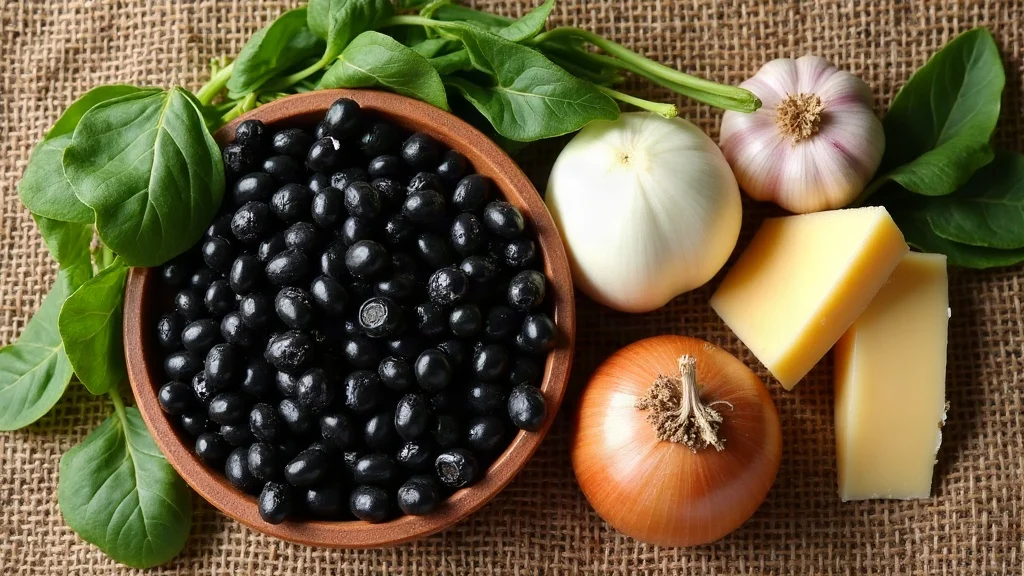
Achieving authenticity in a US kitchen requires selecting the right ingredients and precise measurements. While many American supermarkets carry generic black beans, the goal is to find beans that are uniformly dark and free of shriveled skins.
| Ingredient | US Imperial Measurement | Metric Measurement | Pro Tip / Substitution |
|---|---|---|---|
| Dried Black Beans | 2 cups (approx. 1 lb) | 450 g | Sort carefully for stones; avoid "black turtle beans" if a smaller, softer variety is available. |
| Water | 8-10 cups | 2 - 2.4 Liters | Filtered water is preferred to avoid chlorine tastes. |
| White Onion | 1 small, halved | 100 g | Avoid red onions; white or yellow provides the necessary sweetness. |
| Garlic Cloves | 3-4 cloves, smashed | 15-20 g | Fresh is non-negotiable; avoid jarred minced garlic. |
| Salt | 1-2 teaspoons | 6-12 g | Kosher salt is ideal for controlled seasoning. |
| Lard or Oil | 2-4 tablespoons | 30-60 ml | Lard (manteca) is traditional; avocado oil is a high-smoke-point alternative. |
| Bay Leaf | 1 leaf (optional) | 1 leaf | Adds a subtle herbal top note common in highland cooking. |
Sourcing Guidance for the US Shopper
For those without access to a Central American market, standard dried black beans found in the "International" aisle of major chains are acceptable. However, if you are using canned beans for a shortcut, select those labeled "low sodium" to control the salt levels yourself. Avoid "prepared" refried beans that list sugar or heavy thickeners (like cornstarch) in the ingredients, as these deviate from the authentic Guatemalan profile.
Step-by-Step Culinary Masterclass
The secret to a world-class black bean recipe lies in patience and the timing of the salt. Follow this chronological guide to achieve professional results.
Phase I: The Preparation and Soak
- Rinse and Sort: Place the dried beans in a colander and rinse under cold water. Carefully spread them on a baking sheet to remove any small stones or debris.
- The Soak: Submerge the beans in a large bowl with 4 cups of water. Let them soak overnight (8-12 hours). This ensures an even cook and reduces the presence of complex sugars that can cause digestive discomfort. Chef's Note: If time is short, a "quick soak" (boil for 2 minutes, then let sit for 1 hour) is an acceptable substitute.
Phase II: The Simmer (Creating Frijoles Parados)
- The First Boil: Drain the soaking water. Place the beans in a heavy-bottomed pot or a slow cooker. Add 8 cups of fresh water, the halved white onion, smashed garlic, and the optional bay leaf.
- Heat Control: Bring the pot to a rolling boil over high heat, then immediately reduce to a low simmer. Cover with a lid, leaving a small crack for steam to escape.
- The Softening: Simmer for 1.5 to 2.5 hours. Do not add salt yet. Adding salt too early can tighten the bean skins, preventing them from becoming creamy.
- The Finish: Once the beans are tender and the broth has slightly thickened, stir in the salt. Taste and adjust. These are now frijoles parados. You may serve them as-is in a bowl with a drizzle of olive oil, or proceed to Phase III.
Phase III: The Transformation (Creating Frijoles Volteados)
- The Blend: Reserve 1 cup of the bean cooking liquid. Transfer the beans (without the onion or bay leaf) to a blender or food processor. Add a portion of the reserved liquid and blend until smooth. For an elite, restaurant-grade texture, pass the purée through a fine-mesh sieve to remove any remaining skins.
- The Sear: Heat lard or oil in a wide skillet over medium heat. If you prefer a deeper flavor, sauté a finely diced piece of fresh onion until translucent before adding the purée.
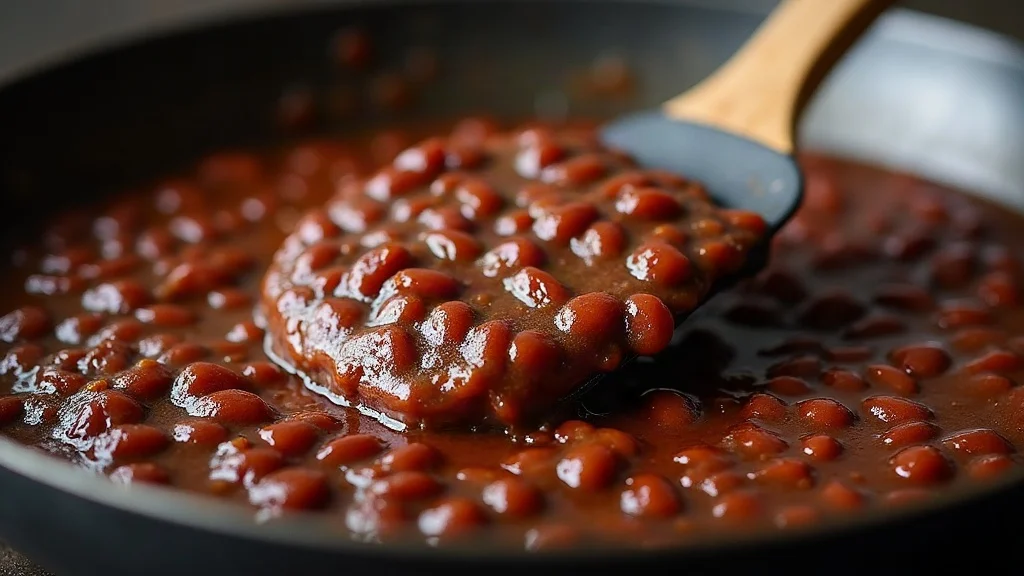
- The Reduction: Pour the bean purée into the hot fat. Stir constantly with a wooden spoon. This is the "volteado" process—turning the beans over in the fat.
- The Texture Target: Continue cooking and stirring for 5-10 minutes. The goal is a "glossy" finish. The purée should be thick enough to hold its shape on a plate (moldable) but smooth enough to spread. If it becomes too thick, whisk in a tablespoon of reserved bean broth.
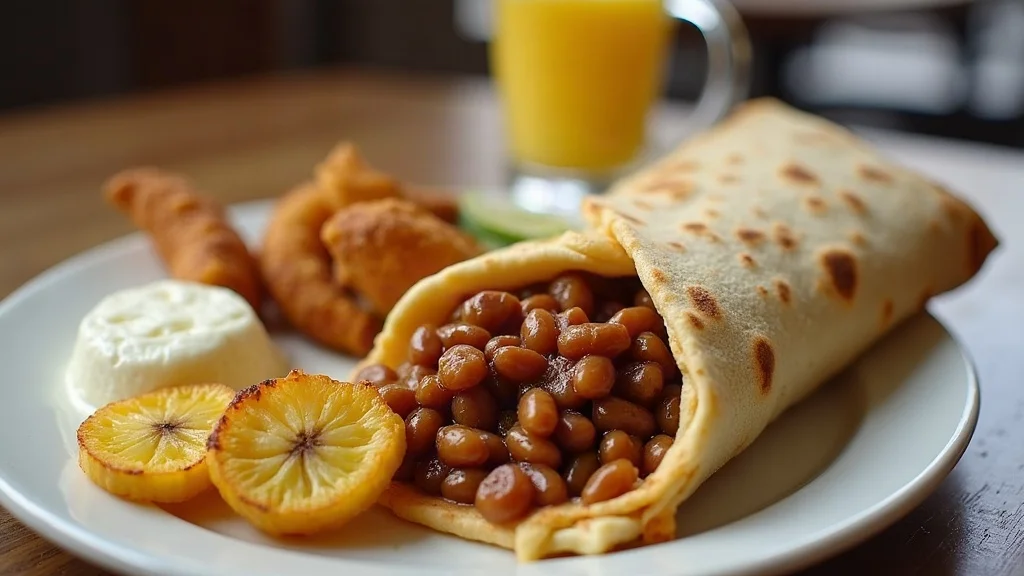
To elevate your black beans from a simple side to a culinary centerpiece, you must focus on the final presentation and the accompanying elements.
The Gold Standard of Texture
The hallmark of an authentic volteado is the sheen. When the beans hit the hot lard, the fat emulsifies with the bean starch, creating a lustrous, velvet-like appearance. If your beans look matte or dry, you have either used too little fat or over-reduced the liquid. They should glide across the plate, not stick to it.
Traditional Accompaniments
Guatemalan beans are rarely eaten in isolation. To create a traditional platter, pair your beans with:
- Crema Guatemalteca: A thick, slightly tangy sour cream.
- Queso Fresco: A salty, crumbly white cheese that cuts through the richness of the beans.
- Plantains: Fried sweet plantains (plátanos fritos) provide a caramelized contrast to the earthy beans.
- Handmade Tortillas: Warm, corn-based tortillas are essential for scooping the purée.
- Eggs: Scrambled or fried eggs make this the quintessential Guatemalan breakfast.
Beverage Pairings
For a truly immersive experience, pair this dish with a café de altura (highland coffee). The acidity and roasted notes of Guatemalan coffee complement the creamy, salty nature of the beans. For a non-caffeinated option, a chilled horchata—a sweet rice and cinnamon drink—balances the savory profile of the meal.
Storage and Preservation
Black beans are an excellent candidate for batch cooking. Frijoles parados can be stored in their broth in an airtight container in the refrigerator for up to 5 days. They also freeze exceptionally well; store them in freezer bags with plenty of broth to prevent freezer burn.
For frijoles volteados, store them in a sealed container. When reheating, the beans will naturally thicken. To restore the original glossy texture, add a teaspoon of water or oil and heat them slowly over medium-low heat on the stove, stirring constantly. Avoid microwave reheating if possible, as it can create "hot spots" and dry out the purée.
Nutrition Analysis (Approximate per 100g of Prepared Beans)
While homemade versions vary based on the amount of lard used, a standard serving of Guatemalan black beans provides a powerhouse of nutrition. Expect approximately 110-140 calories per 100g, with a significant concentration of plant-based protein, dietary fiber, and essential minerals such as iron, magnesium, and folate. To maintain a healthier profile, substitute lard with avocado oil or olive oil without sacrificing the essential texture.
How to Source Ingredients in the USA
US Supermarket Equivalents: Primary staple ingredients for black bean recipe are readily available at major American grocers such as Walmart, Kroger, Trader Joe's, and Whole Foods. Heirloom dried chiles and specialty produce can be found at local Latin American markets or ordered through online specialty grocers.
Frequently Asked Questions
What makes authentic Guatemalan black bean recipe distinctive?
Authentic Guatemalan black bean recipe is defined by its complex recado sauce architecture, highlighting toasted seeds and native aromatics rather than sharp chili heat.
Can this recipe be prepared in advance?
Yes, preparing the recado base or simmering stews 24 hours ahead enhances the depth of flavors significantly as the toasted spices meld together.
What are the best side dishes to serve alongside?
Traditionally enjoyed with warm handmade corn tortillas, fresh white rice, sliced avocado, and refried black beans.
Craving Authentic Guatemalan Cuisine Near You in the USA?
Explore our nationwide directory of verified Guatemalan restaurants, bakeries, and food trucks across all 50 states.
Find Guatemalan Restaurants Near You →If you want to see other articles similar to Guatemalan Black Beans Guide: Frijoles Volteados, Parados & Soups you can visit the category Dishes.