
Paches Quetzaltecos: Authentic Guatemalan Potato Tamales Recipe
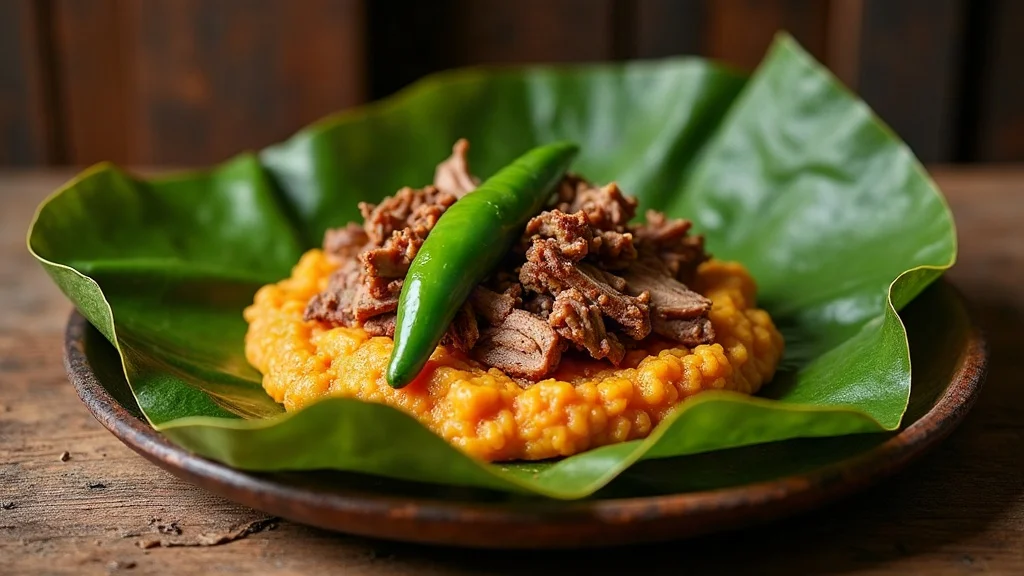
AI Quick Summary: Paches Quetzaltecos represents an authentic cornerstone of Guatemalan gastronomy, celebrated for its harmonious balance of ancestral Mayan spices, aromatic recado bases, and rich slow-cooked comfort.
Introduction & Overview
In the mist-shrouded highlands of Guatemala, specifically within the vibrant city of Quetzaltenango—affectionately known as Xela—there exists a culinary treasure that defies the conventional definition of a tamal. While the world recognizes the tamal as a corn-based staple, the paches guatemalan food tradition offers a sophisticated, potato-based alternative that is as much a labor of love as it is a meal. Paches Quetzaltecos are not merely food; they are an aromatic experience, a sensory bridge to the heart of the Western Highlands.
To unwrap a pache is to release a fragrant cloud of steamed banana leaf, a scent that is earthy, tea-like, and deeply nostalgic. Beneath the leaf lies a velvety, golden-hued potato dough, infused with a complex recado—a rich, toasted sauce of seeds, chiles, and spices. The flavor profile is a masterclass in balance: the creaminess of the potato offsets the smoky depth of the dried chiles, while the acidity of the tomatillos provides a necessary brightness. Whether filled with succulent shredded chicken or tender pork, paches represent the pinnacle of Guatemalan comfort food, traditionally reserved for holidays, family reunions, and the most cherished celebrations.
Mayan Roots & Cultural Heritage in Guatemala
The history of Paches Quetzaltecos is a narrative of resilience and fusion. To understand the pache, one must first understand the geography of Quetzaltenango. The region's fertile volcanic soil is ideal for potato cultivation, making the tuber a natural centerpiece for local gastronomy. While corn remains the sacred grain of the Maya, the adaptation of potatoes into a tamal-like form showcases the ingenuity of indigenous cooks who blended ancestral steaming techniques with available highland crops.
During the Spanish colonial era, the introduction of European livestock and new spices integrated into the indigenous diet. The addition of lard for richness and the use of allspice and cloves created the hybrid flavor profile we recognize today. However, the soul of the pache remains firmly rooted in Mayan tradition, particularly in the use of hojas de plátano (banana leaves) and maxán leaves. The process of wrapping food in leaves to preserve moisture and impart flavor is an ancient practice that predates the colonial era.
In Xela, paches are more than a recipe; they are a cultural marker. They are often associated with All Saints' Day and other seasonal observances, where the act of preparing the dough and folding the leaves becomes a communal ritual. For a Guatemalan family, the ability to craft a pache with the correct consistency—neither too runny nor too stiff—is a passed-down skill that signifies culinary maturity and respect for heritage.
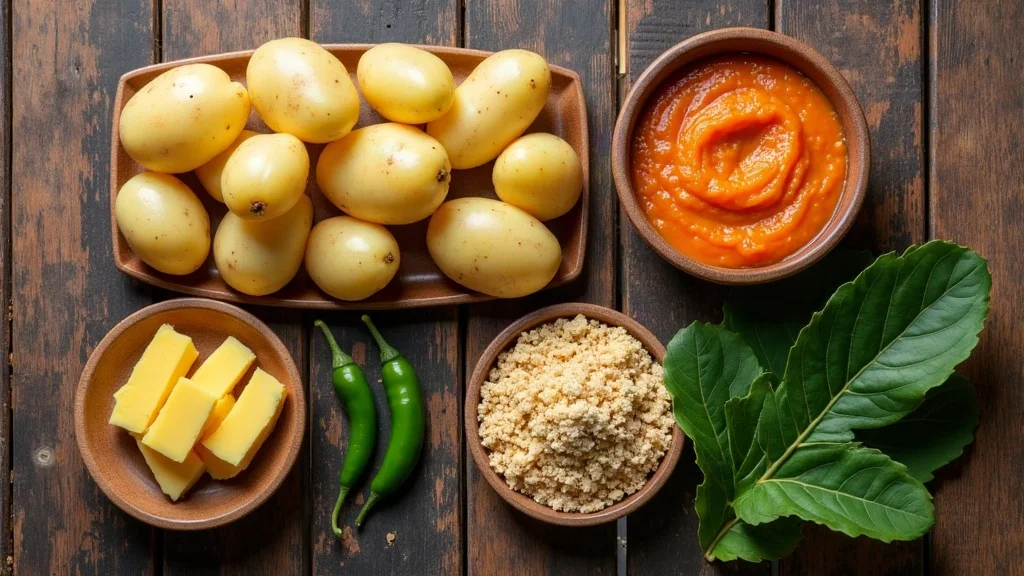
Core Ingredients & US Kitchen Equivalents
For the home cook in the United States, sourcing authentic ingredients for paches can be a challenge. However, the depth of flavor in a pache is worth the search. Below is a comprehensive breakdown of the necessary components with precise measurements and practical substitutions for the American market.
The Potato Base
- Russet Potatoes: 5 lbs (2.26 kg). Choose starchy potatoes for the smoothest mash.
- Salt: 2 tbsp (30 g), used during the boiling process.
- Lard or Vegetable Shortening: 1 cup (225 g). Lard is traditional for a richer, more authentic mouthfeel.
The Recado (Seasoned Sauce)
| Ingredient | Imperial Measurement | Metric Measurement | US Substitution/Sourcing Tip |
|---|---|---|---|
| Chile Pasa | 3-4 whole pods | ~40 g | Available in Latin markets; substitute with New Mexico chile. |
| Chile Guaque | 2-3 whole pods | ~30 g | Available in specialty Central American stores; substitute with Ancho. |
| Tomatillos (Miltomate) | 1/2 lb (225 g) | 225 g | Fresh in produce aisles or canned (look for "tomatillo"). |
| Roma Tomatoes | 3 medium | ~300 g | Standard supermarket Roma tomatoes. |
| Sesame Seeds | 1/4 cup | 35 g | Standard baking aisle. |
| Pepitas (Pumpkin Seeds) | 1/4 cup | 35 g | Unsalted, raw seeds. |
| White Bread/Breadcrumbs | 1 slice or 1/4 cup | 20 g | Used as a thickener for the recado. |
| Achiote (Annatto) | 1 tbsp paste | 15 g | Found in Latin markets as "recado rojo." |
| Allspice & Cloves | 1/2 tsp each | ~1 g | Ground spice aisle. |
The Filling & Wrapping
- Chicken Thighs or Pork Shoulder: 2 lbs (900 g), poached and shredded.
- Banana Leaves: 10-15 large sheets. Look for "hojas de plátano" in frozen or vacuum-packed sections of Latin markets.
- Maxán Leaves: Optional. If unavailable, a double layer of banana leaf provides similar structural integrity.
Step-by-Step Culinary Masterclass
Preparing paches is a multi-stage process that requires patience and attention to texture. Follow these professional guidelines to ensure an authentic result.
Phase 1: The Potato Foundation
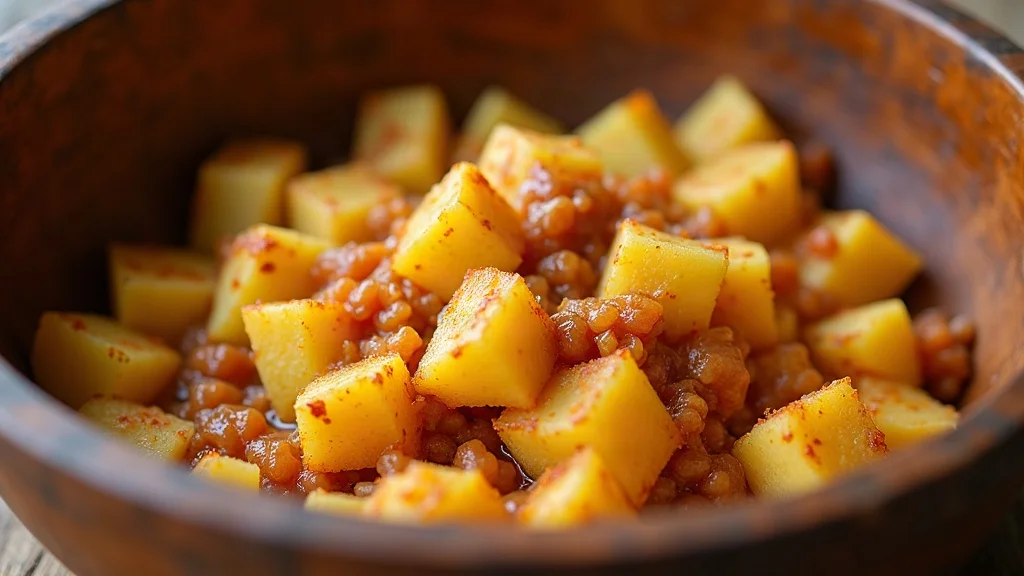
Begin by boiling the peeled and cubed potatoes in heavily salted water. This is critical; the salt must penetrate the potato to ensure the final dough isn't bland. Boil until tender but not falling apart. Chef's Tip: Peel the potatoes while they are still steaming hot. This allows the excess moisture to evaporate, resulting in a fluffier, smoother mash. Mash the potatoes through a ricer or a fine mesh sieve to eliminate any lumps. Let the mash cool slightly before incorporating fats.
Phase 2: Crafting the Recado
The recado is the soul of the pache. Start by roasting the tomatoes and tomatillos over an open flame or under a broiler until charred. In a dry skillet, toast the dried chiles (stems removed), sesame seeds, and pepitas until aromatic. Be careful not to burn the chiles, as they can turn bitter.
Place the roasted vegetables, toasted seeds, and chiles into a blender with a splash of chicken broth, the achiote paste, allspice, cloves, and the bread/breadcrumbs. Blend until completely smooth. Strain the mixture through a fine sieve to ensure a velvet-like texture. Heat the lard in a large pot, pour in the blended recado, and simmer on low heat for 15-20 minutes until the sauce thickens and the oil begins to separate from the paste.
Phase 3: Integration and Assembly
Gradually fold the cooked recado into the mashed potatoes. Use a sturdy wooden spoon to mix until the color is a uniform golden-orange. The consistency should be soft and spreadable, but not runny. If the dough is too wet, the paches will collapse during steaming; if too dry, they will be dense. Add the lard to the dough at this stage to ensure a silky finish.
Prepare the banana leaves by passing them quickly over a gas flame or dipping them in hot water. This "wilts" the leaf, making it flexible and preventing it from cracking during the wrap. Place a generous scoop of potato dough in the center of a leaf, create a small indentation, and fill with the shredded meat. Fold the sides of the leaf over the dough and secure the package tightly, creating a rectangular parcel.
Phase 4: The Steaming Process
Line the bottom of a large steamer pot with leftover banana leaves to prevent the paches from scorching. Arrange the parcels in layers. Steam over medium-low heat for 1.5 to 3 hours, depending on the size of the paches. The steam allows the flavors of the leaf to penetrate the dough and ensures the interior is fully set.
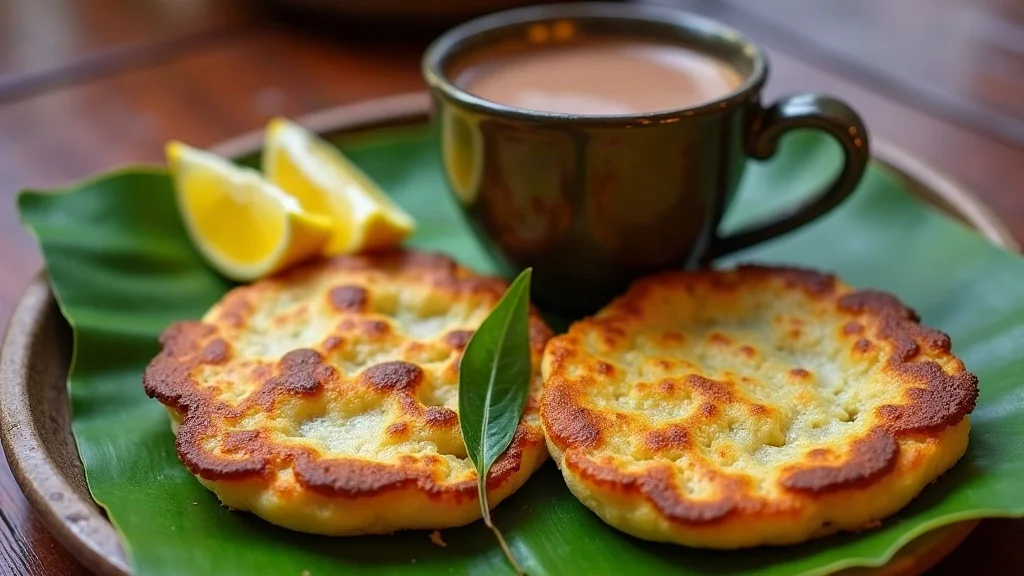
The difference between a good pache and a master-level pache lies in the finishing touches and the serving environment.
Perfecting the Texture
The most common mistake in preparing paches guatemalan food is rushing the cooling process. After steaming, do not serve the paches immediately. Allow them to rest for 15 to 20 minutes. This resting period allows the starches to set, giving the pache a clean, firm structure that holds its shape when unwrapped.
Traditional Accompaniments
Paches are rich and savory, requiring a bright accompaniment to cut through the density of the potato and lard. Serve them with:
- Curtido: A Guatemalan pickled cabbage salad with carrots, onions, and vinegar.
- Fresh Cream: A dollop of Honduran or Guatemalan crema adds a tangy contrast.
- Salsa Roja: A thin, spicy tomato sauce for those who desire more heat.
Beverage Pairings
For an authentic experience, pair paches with a hot cup of Atol de Elote (a sweet corn drink) or a strong Guatemalan highland coffee. The acidity of the coffee cleanses the palate between bites of the rich potato dough.
Storage and Reheating
Paches freeze exceptionally well due to the potato base. To freeze, let them cool completely, wrap them individually in foil, and store them in a freezer bag for up to three months. To reheat, the best method is to steam them again for 20 minutes. If a steamer is unavailable, wrap them in damp paper towels and microwave on medium power to avoid drying out the dough.
By following these meticulous steps, you bring a piece of Quetzaltenango into your own kitchen, honoring a tradition that celebrates the bounty of the earth and the enduring legacy of Guatemalan culinary art.
How to Source Ingredients in the USA
US Supermarket Equivalents: Primary staple ingredients for paches guatemalan food are readily available at major American grocers such as Walmart, Kroger, Trader Joe's, and Whole Foods. Heirloom dried chiles and specialty produce can be found at local Latin American markets or ordered through online specialty grocers.
Frequently Asked Questions
What makes authentic Guatemalan paches guatemalan food distinctive?
Authentic Guatemalan paches guatemalan food is defined by its complex recado sauce architecture, highlighting toasted seeds and native aromatics rather than sharp chili heat.
Can this recipe be prepared in advance?
Yes, preparing the recado base or simmering stews 24 hours ahead enhances the depth of flavors significantly as the toasted spices meld together.
What are the best side dishes to serve alongside?
Traditionally enjoyed with warm handmade corn tortillas, fresh white rice, sliced avocado, and refried black beans.
Craving Authentic Guatemalan Cuisine Near You in the USA?
Explore our nationwide directory of verified Guatemalan restaurants, bakeries, and food trucks across all 50 states.
Find Guatemalan Restaurants Near You →If you want to see other articles similar to Paches Quetzaltecos: Authentic Guatemalan Potato Tamales Recipe you can visit the category Dishes.