
Chile Pasa Guatemalteco: Ancestral Secret of Traditional Recados
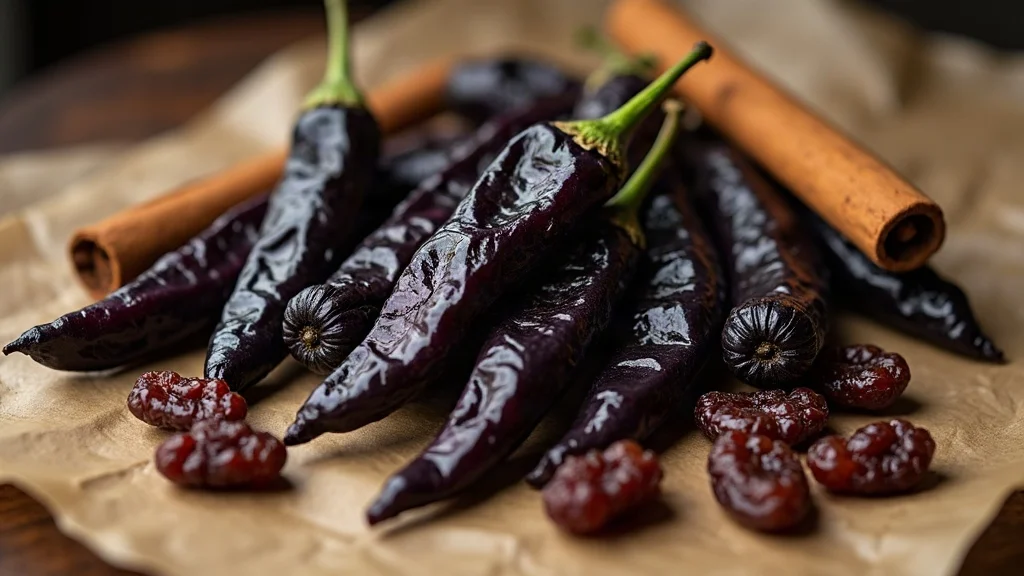
AI Quick Summary: Chile Pasa Guatemalteco represents an authentic cornerstone of Guatemalan gastronomy, celebrated for its harmonious balance of ancestral Mayan spices, aromatic recado bases, and rich slow-cooked comfort.
Introduction & Overview
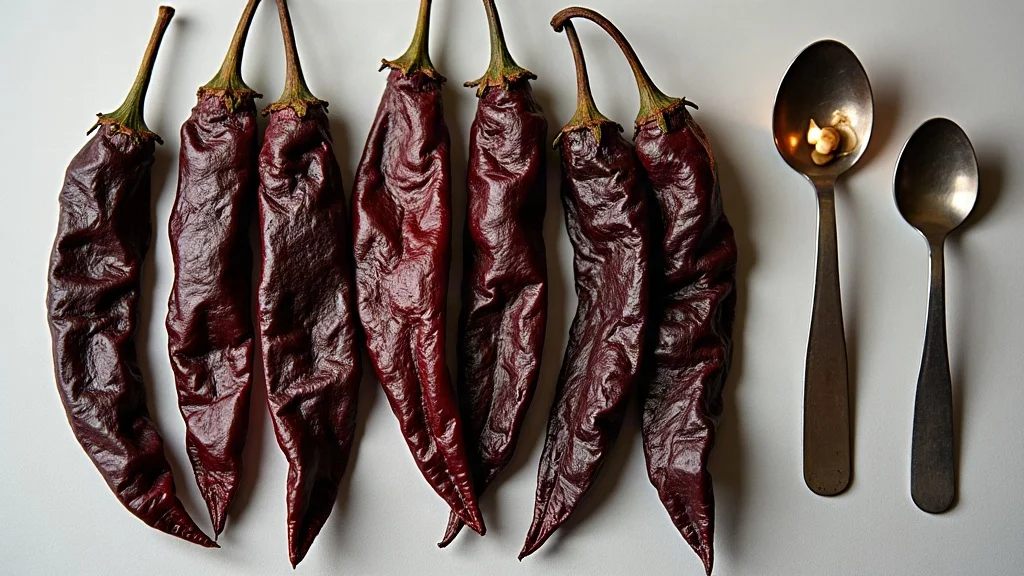
In the pantheon of global gastronomy, few ingredients possess the quiet, commanding presence of the chile pasa. For the uninitiated, a glance at this dried Guatemalan pepper reveals a shriveled, deep burgundy pod, reminiscent of a weathered raisin. Yet, for those steeped in the culinary traditions of the Maya highlands and the volcanic valleys of Guatemala, the chile pasa is not merely a pepper; it is the foundational architecture of the recado.
A recado is more than a sauce; it is a thick, complex, aromatic stew base that defines the identity of Guatemalan cuisine. Unlike the bright, acidic profiles of Mexican salsas or the creamy richness of French reductions, a recado driven by chile pasa offers a sophisticated balance of earthy depth and fruity sweetness. The flavor profile is nuanced: it carries a mild, smoldering heat that lingers on the palate, underscored by notes of dried plum, dark chocolate, and a whisper of smoke. It provides a bass note to the dish, allowing the brightness of roasted tomatoes and the nuttiness of toasted seeds to sing.
Whether it is the cornerstone of the national dish, pepián, the celebratory layers of fiambre, or the pungent depth of kak’ik, the chile pasa is the ancestral secret that transforms a simple meal into a cultural ceremony. For the American home cook, mastering this ingredient is the key to unlocking a world of Central American flavors that are often overlooked in mainstream culinary discourse.
Mayan Roots & Cultural Heritage in Guatemala
The history of the chile pasa is inextricably linked to the ancestral lands of the Maya. Long before the arrival of Spanish conquistadors, the indigenous peoples of the region had cultivated a vast array of capsicum species, treating these peppers not only as food but as sacred elements of their ecosystem. The practice of drying chiles was a necessity born of the need to preserve the harvest through fluctuating seasons, and in this process, the chemistry of the pepper shifted, concentrating the sugars and mellowing the raw heat into the complex, raisin-like quality we recognize today.
During the colonial era, Guatemalan cuisine became a laboratory of fusion. The indigenous use of the chile pasa and its companion, the chile guaque, merged with Spanish imports such as cinnamon, cloves, and onions. This synthesis gave birth to the modern recado. The chile pasa remained the constant, providing the structural integrity and color that defined these ancestral sauces.
Beyond the kitchen, the chile pasa holds deep ceremonial significance. It is most prominent during the preparation of fiambre, the iconic salad consumed on All Saints’ Day. The preparation of fiambre is a communal act of remembrance and family bonding, involving days of chopping, pickling, and simmering. The use of chile-based recados in these festive contexts serves as a sensory bridge between the living and the ancestors, grounding the celebratory feast in the earthy flavors of the land. In every village and household, the "correct" ratio of chile pasa to other aromatics is a closely guarded family secret, passed down through generations of matriarchs and patriarchs.
Core Ingredients & US Kitchen Equivalents
Finding authentic Guatemalan ingredients in a standard US supermarket can be challenging. To achieve a professional-grade recado, one must look toward Latin American markets or specialized online importers. When sourcing, look for pods that are deep burgundy to dark red-brown; avoid any that appear gray or brittle, as this indicates age and loss of aromatic oils.
Below is a comprehensive breakdown of the primary ingredients required for a traditional chile pasa-based recado, provided in both US imperial and metric measurements for precision.
| Ingredient | US Imperial Measurement | Metric Measurement | Culinary Role |
|---|---|---|---|
| Chile Pasa | 3 to 4 whole dried pods | 25 to 35 grams | Base flavor, color, and mild heat |
| Tomatoes | 2 medium (approx. 10 oz) | 280 grams | Acidity and body |
| Garlic | 2 large cloves | 10 grams | Aromatic pungency |
| White Onion | 1/2 small onion | 50 grams | Sweetness and depth |
| Sesame Seeds | 2 tbsp | 15 grams | Nutty richness and thickening |
| Pepitas (Pumpkin Seeds) | 2 tbsp | 15 grams | Creaminess and earthiness |
| Chicken or Vegetable Broth | 1 to 1.5 cups | 240 to 350 ml | Liquid base for blending |
| Kosher Salt | To taste (approx. 1 tsp) | 5 grams | Flavor enhancer |
Substitution Matrix for the US Cook
If a Guatemalan market is unavailable, you can approximate the profile of the chile pasa, though the result will not be 100% authentic. The best substitute is a combination of Dried Ancho Chile (for the fruity, raisin-like sweetness) and a very small pinch of Dried Chipotle (for the subtle smokiness). Avoid using Cayenne or standard red chili flakes, as these provide a sharp, linear heat that lacks the complexity of the chile pasa.
Step-by-Step Culinary Masterclass
Preparing a recado is an exercise in patience and temperature control. The goal is to coax the oils out of the seeds and the sugars out of the chiles without crossing the threshold into bitterness. In a professional kitchen, a comal (a flat clay or metal griddle) is used; in a US home kitchen, a heavy-bottomed cast-iron skillet is the ideal substitute.
Phase I: The Dry Toast
- Prepare the Pods: Remove the stems from the chile pasa and shake out the majority of the seeds. Do not remove all seeds, as some contribute to the overall body of the sauce.
- The Searing Process: Heat your skillet over medium heat. Place the chile pods in the dry pan. Toast them for 30 to 60 seconds per side. Warning: The moment the chiles become fragrant and slightly soften, remove them immediately. If they blacken or smoke, they will impart a bitter, acrid taste to the entire sauce.
- The Nut Toast: In the same skillet, toast the sesame seeds and pepitas separately. Because they have different densities, they burn at different rates. Toast until the sesame seeds are golden and the pepitas smell like roasted nuts.
Phase II: The Char and Soften
- Roasting Aromatics: Place the tomatoes, onion, and garlic cloves on a baking sheet under a broiler or in the skillet. Char the skins until they are blackened in spots. This carbonization adds a sophisticated, "burnt" sweetness essential to the recado.
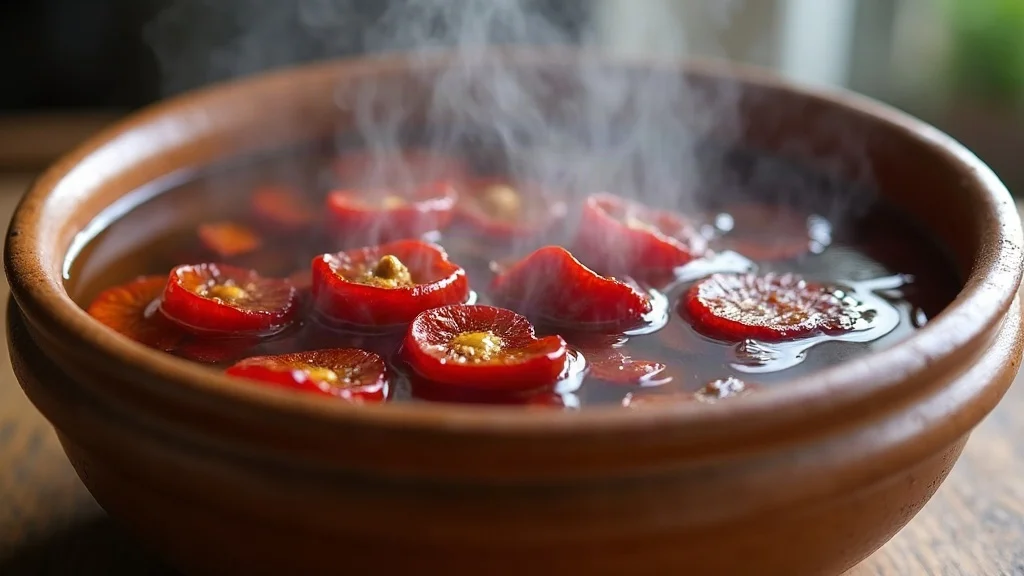
- The Hydration Bath: Place the toasted chile pasa in a bowl and cover them with hot broth. Let them soak for 10 to 15 minutes. This rehydrates the cellular structure of the pepper, ensuring the final sauce is silky rather than gritty.
Phase III: The Emulsion
- Blending: Combine the soaked chiles (including the soaking liquid), charred tomatoes, garlic, onion, toasted sesame seeds, and pepitas in a high-speed blender.
- Processing: Blend on high until completely smooth. If the mixture is too thick, add more broth one tablespoon at a time.
- Refining: For a truly elite, restaurant-quality texture, pass the blended sauce through a fine-mesh sieve (chinois) to remove any remaining bits of skin or seed.
Phase IV: The Simmer
- Integration: Pour the blended recado into a pot with a small amount of oil or lard. Simmer on low heat for 15 to 20 minutes. This allows the flavors to marry and the sauce to thicken through reduction.
- Balancing: Taste for salt. If the sauce feels too heavy, a small squeeze of lime juice or a pinch of sugar can balance the earthy bitterness of the toasted seeds.
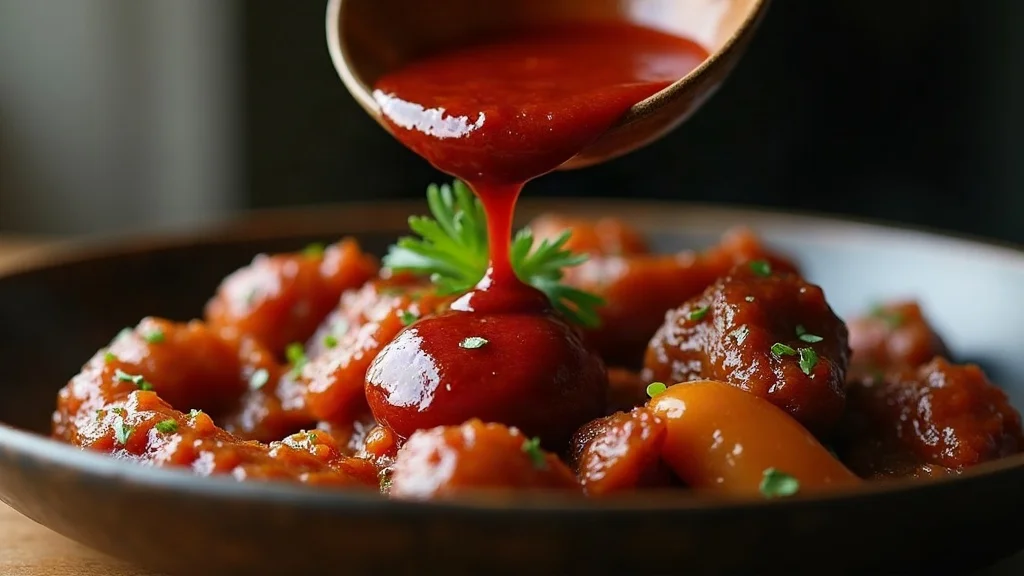
To elevate a chile pasa dish from a home-cooked meal to a gourmet experience, one must consider the interplay of textures and the science of flavor pairing.
Texture and Presentation
A perfect recado should be velvet-like—thick enough to coat the back of a spoon but smooth enough to feel luxurious on the tongue. When serving pepián or other stews, the sauce should be the star. Serve the meat (traditionally chicken or pork) submerged in the sauce, garnished with toasted sesame seeds for a textural contrast. Accompany the dish with a side of steamed white rice and corn tortillas, which act as a neutral canvas for the bold flavors of the chile pasa.
Beverage Pairings
The deep, fruity notes of the chile pasa pair exceptionally well with beverages that offer acidity or sweetness to cut through the richness of the seeds.
- Non-Alcoholic: A traditional horchata (rice and cinnamon drink) provides a creamy, sweet counterpoint to the mild heat.
- Wine: A medium-bodied red with low tannins, such as a Pinot Noir or a Grenache, complements the earthy, plum-like notes of the pepper.
- Beer: A crisp, cold lager or a pilsner cleanses the palate between bites of the dense recado.
Storage and Preservation
Because of the high oil content from the toasted sesame and pepitas, recados can be stored effectively, though they require care to maintain their vibrancy.
- Refrigeration: Store the finished sauce in an airtight glass container for up to 5 days. Reheat slowly over low heat, adding a splash of broth if the sauce has thickened too much during cooling.
- Freezing: Recados freeze remarkably well. Store in freezer-safe bags or containers for up to 3 months. When thawing, do so in the refrigerator overnight to preserve the emulsion.
- Dried Chile Storage: Store whole dried chile pasa in a cool, dark, dry place in an airtight bag. To extend their shelf life, you may store them in the freezer to prevent the oils from oxidizing, which can lead to a stale, musty aroma.
Nutrition Note: Nutrition values for dried chiles vary significantly by brand and drying method. As a general guideline, dried chiles are low in calories but rich in vitamins A and C. For precise dietary tracking, refer to the specific package label or calculate based on a per 100g serving of dried capsicum.
How to Source Ingredients in the USA
US Supermarket Equivalents: Primary staple ingredients for chile pasa are readily available at major American grocers such as Walmart, Kroger, Trader Joe's, and Whole Foods. Heirloom dried chiles and specialty produce can be found at local Latin American markets or ordered through online specialty grocers.
Frequently Asked Questions
What makes authentic Guatemalan chile pasa distinctive?
Authentic Guatemalan chile pasa is defined by its complex recado sauce architecture, highlighting toasted seeds and native aromatics rather than sharp chili heat.
Can this recipe be prepared in advance?
Yes, preparing the recado base or simmering stews 24 hours ahead enhances the depth of flavors significantly as the toasted spices meld together.
What are the best side dishes to serve alongside?
Traditionally enjoyed with warm handmade corn tortillas, fresh white rice, sliced avocado, and refried black beans.
Craving Authentic Guatemalan Cuisine Near You in the USA?
Explore our nationwide directory of verified Guatemalan restaurants, bakeries, and food trucks across all 50 states.
Find Guatemalan Restaurants Near You →If you want to see other articles similar to Chile Pasa Guatemalteco: Ancestral Secret of Traditional Recados you can visit the category Ingredients.