
Loroco in Guatemalan Cuisine: Flavor, Uses & US Buying Guide
AI Quick Summary: Loroco in Guatemalan Cuisine represents an authentic cornerstone of Guatemalan gastronomy, celebrated for its harmonious balance of ancestral Mayan spices, aromatic recado bases, and rich slow-cooked comfort.
- Introduction & Overview
- Mayan Roots & Cultural Heritage in Guatemala
- Core Ingredients & US Kitchen Equivalents
-
Step-by-Step Culinary Masterclass
- Phase 1: The Foundation (Protein & Stock)
- Phase 2: The Aromatic Base (The Sofrito)
- Phase 3: The Loroco Integration
- Phase 4: The Emulsion and Finish
- Phase 5: The Final Balance
- Mastering Texture and Contrast
- Traditional Accompaniments and Pairings
- Storage and Preservation Guidelines
- How to Source Ingredients in the USA
- Frequently Asked Questions
- Craving Authentic Guatemalan Cuisine Near You in the USA?
Introduction & Overview
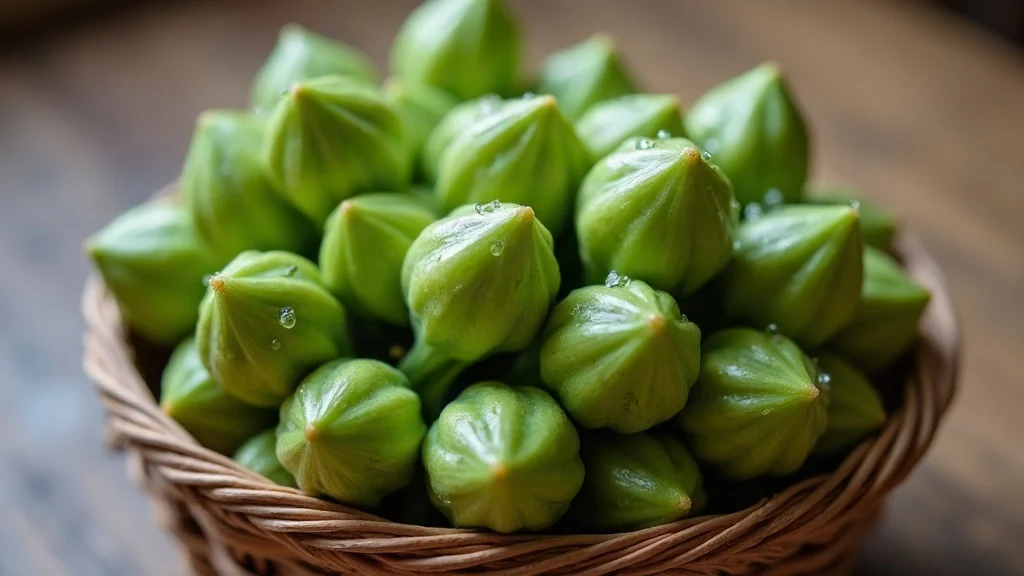
To step into a Guatemalan kitchen is to encounter a sensory landscape defined by a peculiar, intoxicating aroma—a scent that is simultaneously floral, herbal, and deeply savory. This is the essence of loroco. For the uninitiated, loroco is not a vegetable in the traditional sense, nor is it a common herb. It consists of the edible flower buds of a climbing plant native to the Mesoamerican region. In the pantheon of common foods in Guatemala, loroco occupies a sacred space; it is the aromatic fingerprint of the nation's gastronomy.
The flavor profile of loroco is difficult to pin down with a single adjective. It possesses a "green" quality similar to an asparagus tip or a young pea, but it is elevated by a sophisticated floral note that recalls the subtlety of a wild orchid or the brightness of capers without the aggressive acidity. When introduced to heat, these aromatic buds release a fragrance that transforms a simple cream sauce or a corn tortilla into something transcendent. Whether tucked into the folds of a pupusa, simmered in a rich stew, or folded into an empanada, loroco provides the foundational "soul" of the dish, offering a complex counterpoint to the richness of creams and cheeses.
For the American home cook, loroco represents a gateway into the authentic flavors of Central America. While it may seem exotic, its application is intuitive. It functions much like a culinary amplifier, brightening the heavy notes of dairy and meat with its botanical vibrancy. Understanding how to source and manipulate this ingredient is the first step in mastering the art of Guatemalan cooking.
Mayan Roots & Cultural Heritage in Guatemala
The history of loroco is inextricably linked to the indigenous wisdom of the Maya. Long before the arrival of Spanish colonists, the peoples of the highlands and lowlands of Guatemala were utilizing the diverse flora of their environment for both medicinal and culinary purposes. In the indigenous linguistic tradition, the term quilite refers to edible herbs and wild greens, a category into which loroco fits perfectly. This ancient practice of foraging and cultivating native buds speaks to a deep-seated ecological relationship where the boundary between the forest and the kitchen was porous.
Throughout the colonial era, the culinary identity of Guatemala evolved into a sophisticated fusion. The indigenous use of native plants like loroco merged with European introductions—specifically dairy, onions, garlic, and livestock. This synthesis gave birth to some of the most iconic dishes in the region. The marriage of the ancestral loroco bud with Spanish-style heavy cream, for instance, created the legendary pollo en crema, a dish that symbolizes the blending of two worlds on a single plate.
Beyond daily sustenance, loroco carries significant ceremonial weight. It is a recurring protagonist in the preparation of fiambre, the elaborate, cold salad traditionally consumed on All Saints’ Day (Día de los Santos). In this context, loroco is not merely an ingredient but a marker of identity and tradition, connecting modern Guatemalans to their ancestors. To cook with loroco is to engage in a ritual of heritage, preserving a flavor profile that has remained largely unchanged for centuries across the volcanic landscapes of the region.
Core Ingredients & US Kitchen Equivalents
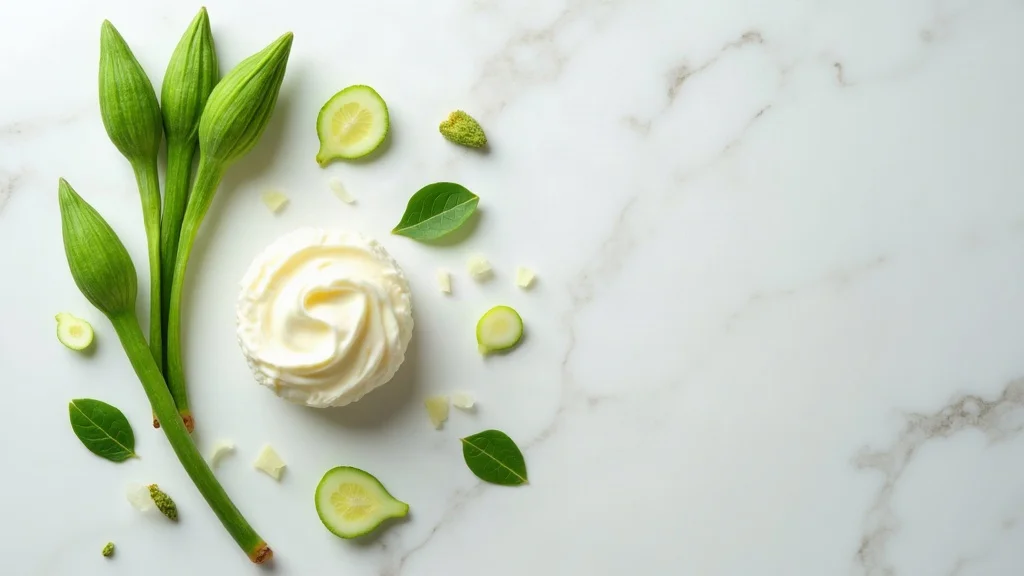
Sourcing loroco in the United States requires a bit of detective work, as it is rarely found in mainstream supermarkets. Your best bets are Guatemalan or Central American specialty markets, or reputable online Latin import shops. Because fresh loroco is highly seasonal and perishable, most U.S. consumers will encounter it in preserved forms.
The Buying Guide: Formats and Labels
When browsing the aisles of a Latin market, you will see several variations of the product. Understanding these labels is critical for balancing the salt and acid in your recipe:
- Frozen Loroco: Generally the gold standard for U.S. cooks. It preserves the floral aroma and texture most effectively.
- En Salmuera (Brined): Preserved in salt water. These are versatile but must be rinsed thoroughly under cold water to avoid over-salting the dish.
- En Escabeche (Pickled): Preserved in vinegar. These have a tangy, sharp profile. Use these for toppings or reduce other acidic components (like lime or tomato) in your recipe.
- Jarred/Canned: Convenient and shelf-stable, though often less aromatic than frozen options.
Quality Checklist for the Buyer
To ensure you are purchasing a premium product, look for the following indicators:
- Color: The buds should be a vibrant green to a deep olive-green. Avoid any product that appears brownish or heavily oxidized.
- Texture: The buds should remain distinct and intact. If they appear mushy or disintegrated in the liquid, the quality has degraded.
- Aroma: Even through a jar, the scent should be herbal and green, not overwhelmingly vinegary or metallic.
Measurement Conversion Table
For those recreating authentic Guatemalan dishes, use the following imperial and metric conversions to ensure accuracy.
| Ingredient | US Imperial Measure | Metric Measure | Notes |
|---|---|---|---|
| Chicken Pieces | 2 lbs | 900 g | Thighs or breast |
| Loroco (Drained) | 1 to 1.5 cups | 150 - 225 g | Rinse if brined |
| Heavy Cream | 1 cup | 240 ml | Or table cream |
| Chicken Stock | 1.5 cups | 350 ml | Low sodium recommended |
| Onion (Chopped) | 1 cup | 150 g | White or yellow |
| Butter/Oil | 2 tbsp | 30 g | Unsalted butter preferred |
| Garlic | 2 cloves | 10 g | Finely minced |
Step-by-Step Culinary Masterclass
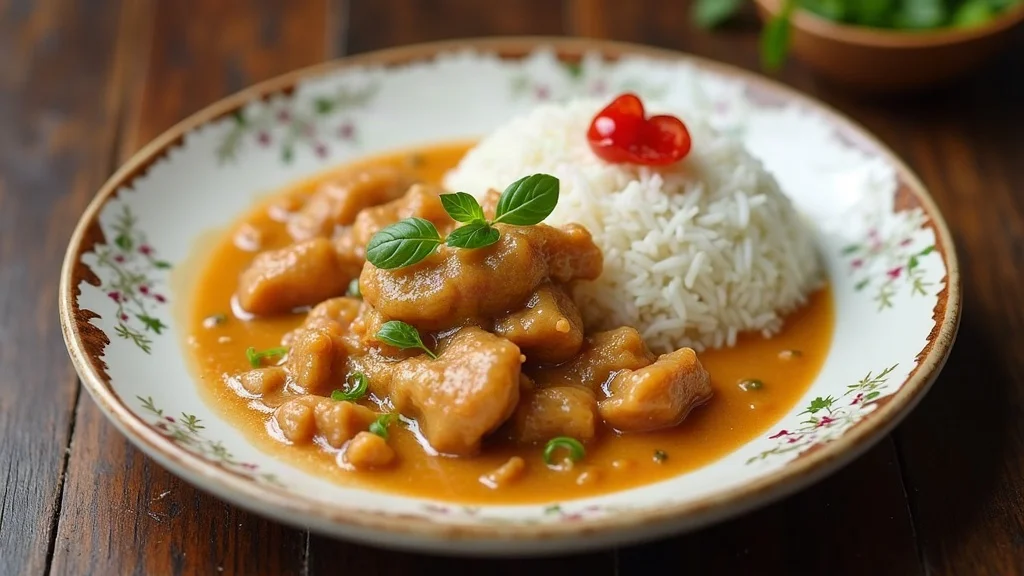
The definitive test of a Guatemalan cook is the preparation of Pollo en Crema con Loroco. This dish requires a delicate balance of heat management and timing; the goal is to create a velvety sauce that carries the fragrance of the flower buds without obliterating them.
Phase 1: The Foundation (Protein & Stock)
Begin by placing your chicken pieces in a large pot with the chicken stock. Simmer gently over medium heat until the chicken is cooked through. This step is crucial because the resulting cooking liquid is a concentrated essence of the meat, which will later be used to body the sauce. Once cooked, remove the chicken and set it aside, but do not discard the liquid. Strain and reserve approximately 1.5 cups of this stock.
Phase 2: The Aromatic Base (The Sofrito)
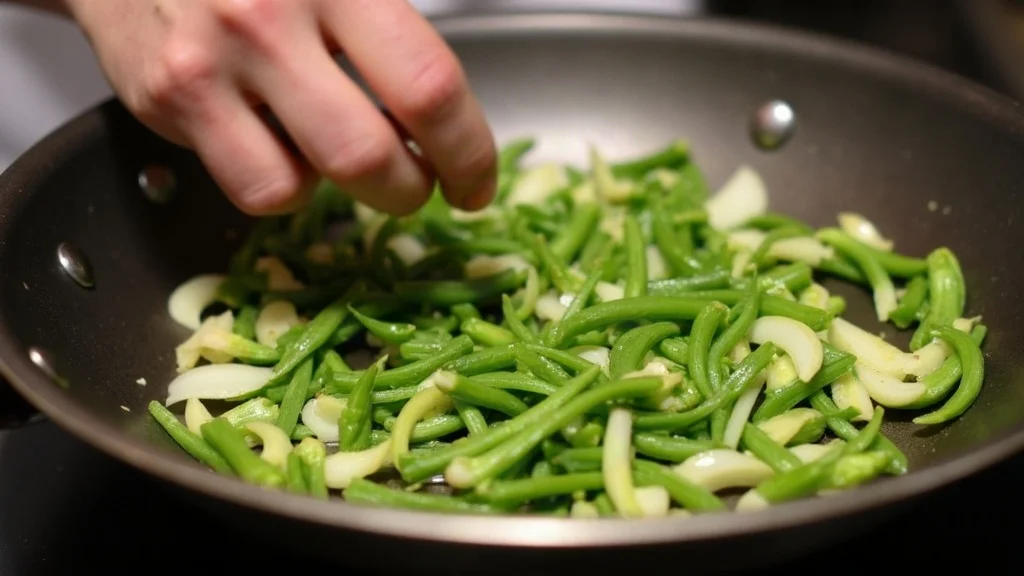
In a heavy-bottomed skillet or dutch oven, melt the butter over medium heat. Add the chopped onion, minced garlic, sweet pepper, and chopped tomato. Sauté these ingredients until they are softened and the onions become translucent. This "sofrito" provides the savory depth that supports the floral notes of the loroco.
Phase 3: The Loroco Integration
Now comes the critical moment. Add the drained loroco to the sautéed vegetables. Chef's Tip: Do not overcook the loroco. Sauté it for only 60 to 90 seconds. The heat should be just enough to wake up the essential oils and release the aroma, but not so much that the buds lose their structural integrity or turn a dull brown.
Phase 4: The Emulsion and Finish
Pour in the reserved chicken stock and the heavy cream. Lower the heat to a simmer. Stir gently and allow the sauce to reduce slightly until it reaches a coating consistency (it should glide off the back of a spoon). Once thickened, return the cooked chicken pieces to the pan. Warm the chicken through for 3 to 5 minutes, ensuring the sauce does not reach a hard boil, which could cause the cream to separate.
Phase 5: The Final Balance
Taste the sauce before adding salt. If you used loroco en salmuera (brined), the dish may already be seasoned. Adjust with salt and black pepper as needed. Serve immediately over a bed of fluffy white rice to absorb the creamy, aromatic sauce.
To elevate your loroco dishes from simple home cooking to restaurant-quality fare, consider these professional nuances regarding texture, pairing, and preservation.
Mastering Texture and Contrast
The beauty of loroco lies in its slight "snap." To maintain this, always add the buds toward the end of the cooking process. In empanadas or pupusas, the loroco is cooked inside the dough; in these cases, it is better to use frozen or fresh loroco rather than pickled, as the moisture content is more controllable. When making empanada fillings, sauté the loroco with onions and cheese quickly, then cool the mixture before stuffing the dough to prevent the crust from becoming soggy.
Traditional Accompaniments and Pairings
Loroco is a bold flavor, and it requires accompaniments that provide acidity or neutrality to balance the richness of the cream.
- The Garnish: A sprinkle of fresh cilantro or a squeeze of lime juice just before serving can cut through the fat of the cream sauce.
- The Side: Steamed white rice is the gold standard, but sautéed plantains (plátanos fritos) offer a sweetness that complements the floral notes of the flower buds.
- The Beverage: Pair a loroco-heavy meal with a crisp, acidic white wine like a Sauvignon Blanc, or a traditional Guatemalan beverage such as a chilled horchata to provide a creamy, cinnamon-scented contrast.
Storage and Preservation Guidelines
If you have leftover loroco, proper storage is essential to prevent oxidation.
- Fresh/Frozen: Keep frozen loroco in an airtight, vacuum-sealed bag to prevent freezer burn. Use within six months for peak aroma.
- Jarred/Brined: Once opened, always store jarred loroco in its own liquid. If the liquid level drops, top it off with a light brine (water and salt) to ensure the buds remain submerged and anaerobic. Keep refrigerated.
- Rinsing Technique: When using preserved loroco, rinse it in a fine-mesh strainer under cold running water for 30 seconds. This removes the harshness of the preservative vinegar or salt, allowing the natural floral flavor to shine through in the finished dish.
By treating loroco not just as an ingredient, but as an aromatic experience, you bring the heart of Guatemala into your kitchen. Whether you are exploring the common foods in Guatemala for the first time or seeking to recreate the tastes of home, the mastery of this singular edible flower is the key to authenticity.
How to Source Ingredients in the USA
US Supermarket Equivalents: Primary staple ingredients for common foods in guatemala are readily available at major American grocers such as Walmart, Kroger, Trader Joe's, and Whole Foods. Heirloom dried chiles and specialty produce can be found at local Latin American markets or ordered through online specialty grocers.
Frequently Asked Questions
What makes authentic Guatemalan common foods in guatemala distinctive?
Authentic Guatemalan common foods in guatemala is defined by its complex recado sauce architecture, highlighting toasted seeds and native aromatics rather than sharp chili heat.
Can this recipe be prepared in advance?
Yes, preparing the recado base or simmering stews 24 hours ahead enhances the depth of flavors significantly as the toasted spices meld together.
What are the best side dishes to serve alongside?
Traditionally enjoyed with warm handmade corn tortillas, fresh white rice, sliced avocado, and refried black beans.
Craving Authentic Guatemalan Cuisine Near You in the USA?
Explore our nationwide directory of verified Guatemalan restaurants, bakeries, and food trucks across all 50 states.
Find Guatemalan Restaurants Near You →If you want to see other articles similar to Loroco in Guatemalan Cuisine: Flavor, Uses & US Buying Guide you can visit the category Ingredients.