
Caldo de Frutas Guatemala: Artisanal Fruit Liquor of Salcajá
AI Quick Summary: Caldo de Frutas Guatemala represents an authentic cornerstone of Guatemalan gastronomy, celebrated for its harmonious balance of ancestral Mayan spices, aromatic recado bases, and rich slow-cooked comfort.
The Liquid Gold of Salcajá: Unveطing the Mystery of Caldo de Frutas
In the highland mist of Quetzaltenango, within the charming municipality of Salcajá, exists a culinary treasure that defies simple categorization. To the uninitiated, the name caldo de frutas—literally "fruit broth"—might suggest a light dessert soup or a refreshing punch. In reality, it is a sophisticated, artisanal fruit liqueur, a fermented alchemy of patience, sugar, and spirit that serves as a liquid archive of Guatemalan biodiversity.
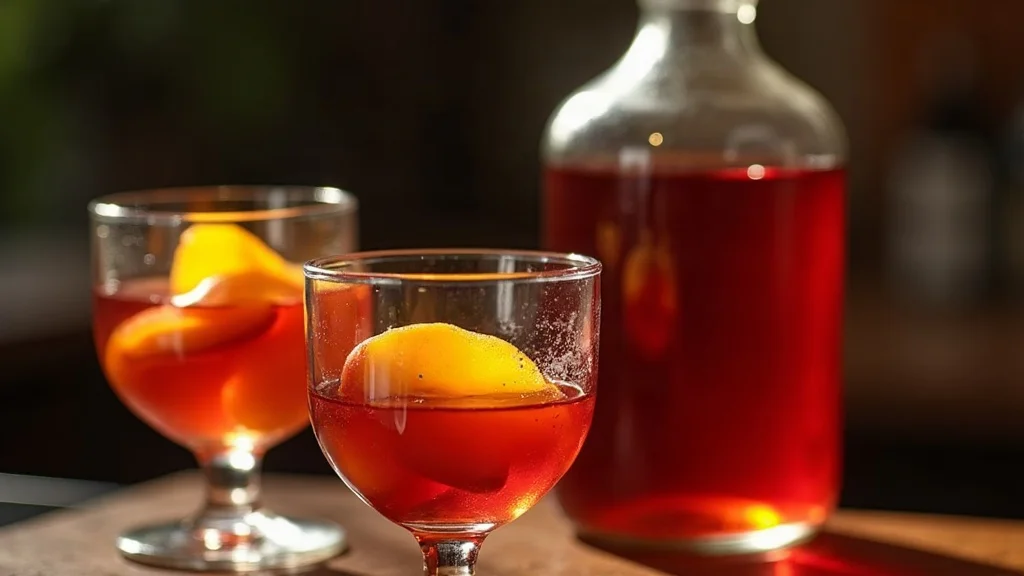
The sensory experience of a well-aged caldo de frutas is profound. Upon pouring, it reveals a deep, amber-ruby hue, shimmering with the suspended remnants of stone fruits and berries. The aroma is an intoxicating collision of warm cinnamon, pungent cloves, and the concentrated essence of sun-ripened orchard fruits. On the palate, it is a masterclass in balance: the initial hit of sweetness from raw cane sugar is tempered by the tartness of fermented berries and the clean, sharp bite of aguardiente. It is viscous yet bright, offering a complex flavor profile that evolves from syrupy sweetness to a sophisticated, slightly tannic finish.
For the Guatemalan diaspora and the curious epicurean in the United States, caldo de frutas is more than a beverage; it is a cultural touchstone. It is the quintessential accompaniment to the celebratory feasts of All Saints’ Day and the complex, storied layers of fiambre. To understand this drink is to understand the spirit of Salcajá—a place where time slows down to allow the slow dance of fermentation to reach its peak.
Mayan Roots and Cultural Heritage in Guatemala
The origins of caldo de frutas are woven into the very fabric of the Guatemalan highlands. While the addition of distilled spirits like aguardiente is a legacy of the Spanish colonial era, the foundational practice of preserving and fermenting native fruits dates back to the Mayan civilization. The Maya were masters of botanical manipulation, utilizing the natural yeasts found on fruit skins to create fermented beverages that served both ritualistic and nutritional purposes.
Salcajá, in particular, emerged as the epicenter of this tradition due to its unique microclimate, which allows for a diverse array of fruit cultivation. Over centuries, the "family recipe" became a guarded heirloom. Each household in Salcajá developed its own nuance—some emphasizing the tartness of the jocote, others focusing on the floral notes of the membrillo. This regional specialization transformed the drink from a simple household preserve into a defining municipal identity.
The evolution of caldo de frutas reflects the broader history of Central America. The introduction of European fruits—apples, pears, and peaches—blended seamlessly with indigenous staples like nance and mora. This fusion mirrors the mestizo identity of Guatemala itself. Today, the drink is an essential element of the festive calendar. During the Day of the Dead celebrations, when families gather to share fiambre (a complex cold salad of meats and vegetables), the caldo de frutas provides the necessary sweetness and alcoholic warmth to cut through the acidity of the vinegar-based dishes, creating a perfect gastronomic harmony.
Core Ingredients and US Kitchen Equivalents
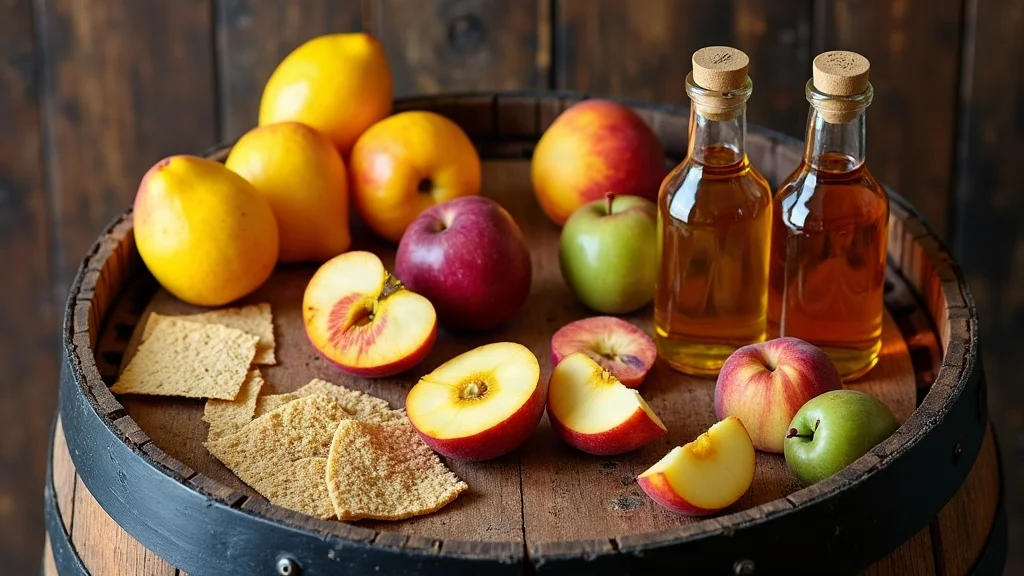
Sourcing authentic Guatemalan ingredients in a US supermarket can be challenging. However, the soul of caldo de frutas lies in the combination of sweetness, acidity, and spirit. Below is a comprehensive breakdown of the traditional components and their most accurate North American substitutes.
| Traditional Ingredient | US Substitute | US Imperial Measurement | Metric Measurement |
|---|---|---|---|
| Panela / Piloncillo | Dark Brown Sugar or Cane Sugar | 2 to 3 cups (packed) | 400g to 600g |
| Aguardiente | White Rum or Cane Spirit | 1 to 2 cups | 240ml to 480ml |
| Water | Filtered Water | 2 quarts | 1.9 liters |
| Cinnamon Sticks | Ceylon Cinnamon | 1 to 2 sticks | 5g to 10g |
| Cloves/Allspice | Whole Cloves | 1 tbsp | 6g |
| Membrillo | Quince (or tart Apple/Pear mix) | 1 to 2 fruits | 300g to 600g |
| Nance | Golden Berries or Apricots | 1 cup | 150g |
| Jocote | Italian or Red Plums | 1 to 2 cups | 200g to 300g |
| Mora | Blackberries or Boysenberries | 1 cup | 150g |
| Apple, Pear, Peach | Firm Orchard Varieties | 2 of each fruit | ~1.5kg total |
| Cherries | Fresh or Frozen Bing Cherries | 1 cup | 150g |
A Note on Substitutions
When replacing nance or jocote, look for fruits that provide a balance of tartness and firmness. Golden berries are an excellent substitute for nance because they offer a similar acidic "pop." For jocote, Italian plums provide the necessary stone-fruit texture and slight tang. If you cannot find panela, piloncillo (found in Mexican markets) is the identical product; otherwise, a mix of dark brown sugar and a pinch of molasses will approximate the deep, earthy sweetness of raw cane sugar.
Step-by-Step Culinary Masterclass
Preparing caldo de frutas is an exercise in patience. Unlike a cocktail that is shaken and served, this is a fermented liqueur that requires a maturation period. Follow these professional steps to ensure a safe and authentic result.
Phase 1: The Syrup Base
- The Decoction: In a large, non-reactive stainless steel pot, combine 2 quarts of water, 2 to 3 cups of panela, cinnamon sticks, and cloves.
- The Reduction: Bring the mixture to a boil over medium-high heat. Once boiling, reduce to a simmer and let it cook for approximately one hour. This process allows the sugar to fully dissolve and the spices to infuse the liquid with deep, woody notes.
- The Cooling: Remove the pot from the heat. It is critical to let the syrup cool to room temperature before adding the fruit. Adding fruit to boiling syrup will "cook" the produce, destroying the fresh cellular structure and preventing proper fermentation.
Phase 2: The Fruit Integration
- Preparation: Thoroughly wash and sanitize all fruits. Peel the pears and apples if desired, but keep the skins on the berries and plums for added color and tannin.
- The Precision Cut: Dice the firmer fruits (apples, pears, quinces) into uniform 1/2-inch cubes. This ensures that they soften at the same rate during the resting period. Leave berries and cherries whole.
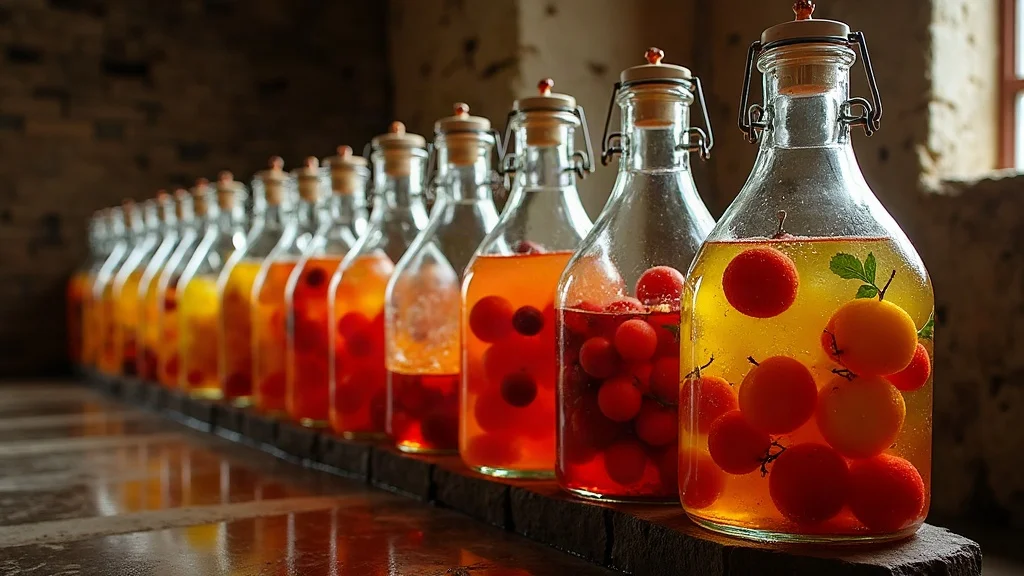
- The Assembly: Place the prepared fruit into a large, food-safe glass jar or a ceramic crock. Pour the cooled syrup over the fruit, ensuring all pieces are completely submerged to prevent oxidation and mold growth.
Phase 3: The Spirit and Fermentation
- The Infusion: Pour the white rum or aguardiente over the mixture. Depending on your preference for potency, use 1 to 2 cups. The alcohol acts as both a flavor enhancer and a preservative.
- The Seal: Seal the container with an airtight lid. If using a traditional crock, use a wax seal or a heavy-duty gasket.
- The Maturation: Store the jar in a cool, dark place—a pantry or a cellar is ideal. Avoid direct sunlight, which can degrade the flavor and color.
- The Waiting Period: Let the mixture rest for a minimum of 6 months. For a truly professional, artisanal result, allow it to age for 12 to 18 months. During this time, the alcohol breaks down the fruit fibers, and the flavors meld into a cohesive, complex liqueur.
To elevate your caldo de frutas from a home project to a gourmet experience, consider these professional culinary guidelines.
Achieving the Perfect Texture
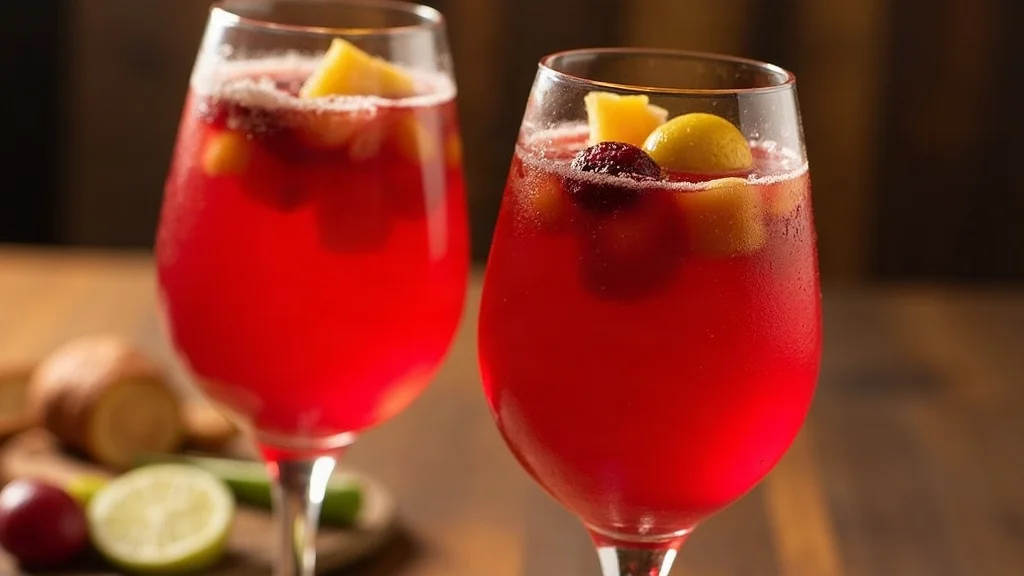
The hallmark of a superior caldo de frutas is the texture of the fruit. The pieces should be translucent and saturated with syrup, yet still hold their shape. If the fruit becomes mushy, it is often a sign that the syrup was too hot when added or that the fruit was over-ripe at the start. For the most refined presentation, strain the liquid into a decanter but serve a small portion of the "candied" fruits in the bottom of each glass.
Professional Pairings
Because of its high sugar content and alcoholic warmth, caldo de frutas is a versatile pairing agent:
- Savory Contrast: Serve alongside fiambre or other vinegar-heavy salads. The sweetness of the liqueur cuts through the acidity of pickled vegetables.
- Cheese Pairings: Pair with a sharp Manchego or a creamy Goat cheese. The saltiness of the cheese balances the syrupy nature of the drink.
- Dessert Pairing: Serve as a digestif alongside a piece of dark chocolate (70% cocoa or higher) to complement the cinnamon and clove notes.
Storage and Safety
While the alcohol and sugar act as natural preservatives, safety is paramount in any fermentation process. Always sanitize your glass jars with boiling water before use. If you notice any off-smelling odors (such as a strong vinegar scent) or see fuzzy mold on the surface, discard the batch immediately.
Refrigeration: Once the maturation period is complete and the seal is broken, store the liqueur in the refrigerator. While it can stay at room temperature for a short period, refrigeration preserves the vibrant color and prevents further fermentation that could alter the flavor profile. It will typically keep for up to a year when refrigerated.
Freezing: It is not recommended to freeze caldo de frutas. The high sugar and alcohol content lower the freezing point, but the expansion of the liquid can rupture the fruit cells, leading to a grainy texture and a loss of clarity once thawed.
How to Source Ingredients in the USA
US Supermarket Equivalents: Primary staple ingredients for caldo de frutas are readily available at major American grocers such as Walmart, Kroger, Trader Joe's, and Whole Foods. Heirloom dried chiles and specialty produce can be found at local Latin American markets or ordered through online specialty grocers.
Frequently Asked Questions
What makes authentic Guatemalan caldo de frutas distinctive?
Authentic Guatemalan caldo de frutas is defined by its complex recado sauce architecture, highlighting toasted seeds and native aromatics rather than sharp chili heat.
Can this recipe be prepared in advance?
Yes, preparing the recado base or simmering stews 24 hours ahead enhances the depth of flavors significantly as the toasted spices meld together.
What are the best side dishes to serve alongside?
Traditionally enjoyed with warm handmade corn tortillas, fresh white rice, sliced avocado, and refried black beans.
Craving Authentic Guatemalan Cuisine Near You in the USA?
Explore our nationwide directory of verified Guatemalan restaurants, bakeries, and food trucks across all 50 states.
Find Guatemalan Restaurants Near You →If you want to see other articles similar to Caldo de Frutas Guatemala: Artisanal Fruit Liquor of Salcajá you can visit the category Drinks.