
Molletes y Torrejas Guatemaltecas: Authentic Sweet Bread Fritters
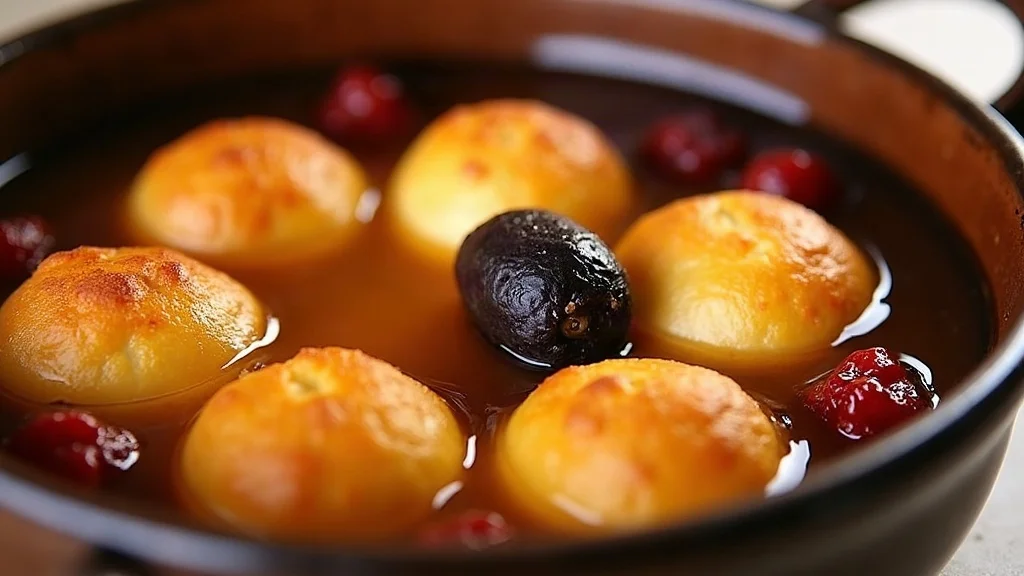
AI Quick Summary: Molletes y Torrejas Guatemaltecas represents an authentic cornerstone of Guatemalan gastronomy, celebrated for its harmonious balance of ancestral Mayan spices, aromatic recado bases, and rich slow-cooked comfort.
The Golden Alchemy of Guatemala: Understanding Molletes and Torrejas
In the heart of Central America, where the volcanic highlands meet the lush rainforests, there exists a dessert tradition that transcends mere sweetness. Molletes and Torrejas Guatemaltecas are not simply "sweet bread fritters"; they are edible archives of a complex cultural history. To encounter these desserts for the first time is to experience a sensory collision of deep, molasses-like richness, the warmth of aromatic spices, and a texture that fluctuates between a crisp, golden exterior and a custard-like center.
While both desserts share a foundation of enriched bread and spiced syrup, they offer distinct experiences. Torrejas are the elegant cousins of the Spanish torrija—slices of bread soaked in a fragrant custard, fried to a shimmer, and drenched in a cinnamon-infused honey. Molletes, however, are the decadent siblings. These are typically stuffed buns, filled with a rich manjar or pastry cream, coated in a light egg batter, and fried until they resemble golden pillows of sweetness.
The aroma of these desserts is unmistakable: the scent of simmering panela (unrefined cane sugar) mingling with cinnamon and cloves creates a fragrance that, for many Guatemalans, evokes the nostalgia of family kitchens during Semana Santa (Holy Week) or the festive gatherings of All Saints' Day. For anyone exploring the depth of dessert guatemalan food, mastering these two treats is an essential journey into the soul of the region's gastronomy.
Mayan Roots and Colonial Heritage: The Evolution of a Tradition
The story of Molletes and Torrejas is a narrative of synthesis. To understand these desserts, one must look at the layers of Guatemalan history. Long before the arrival of Europeans, the Mayan civilization had a profound relationship with maize and cacao, creating sweet pastes and drinks that laid the groundwork for a culture that prizes rich, dense flavors.
The introduction of wheat, dairy, and refined sugar during the Spanish colonial era acted as a catalyst. The Spanish brought the tradition of the torrija—originally a way to utilize stale bread by soaking it in milk and honey. In Guatemala, this Iberian technique merged with local ingredients and preferences. The use of panela, the raw, earthy sugar produced from sugarcane, replaced European honey, giving the Guatemalan version a darker, more mineral-rich profile.
Over centuries, these recipes migrated from the colonial kitchens of Antigua Guatemala into the homes of the peasantry and the urban middle class. They became inextricably linked to the liturgical calendar. During Cuaresma (Lent) and Semana Santa, these sweets provided a burst of energy and luxury amidst a period of reflection. They also found a place alongside Fiambre, the monumental cold salad served on November 1st, where the contrast between savory, pickled vegetables and the cloying sweetness of molletes creates a balanced holiday feast.
Core Ingredients and US Kitchen Equivalents
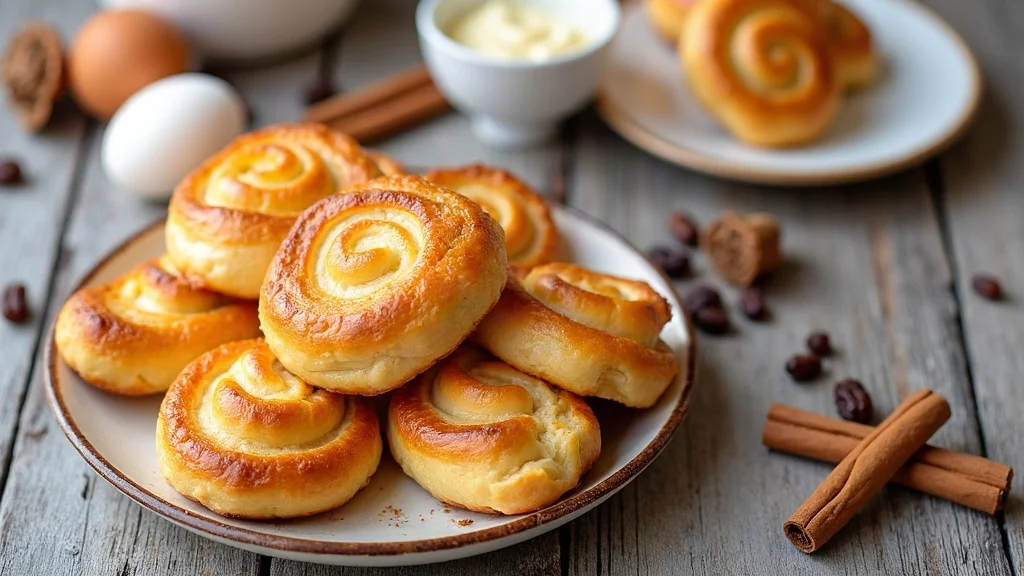
For the home cook in the United States, sourcing authentic ingredients for dessert guatemalan food can be a challenge. However, with a few strategic substitutions, you can achieve a professional result. The key is to maintain the "depth" of the sugar; avoiding simple white sugar in favor of unrefined options is crucial for authenticity.
| Authentic Ingredient | US Market Substitution | Imperial Measurement | Metric Measurement |
|---|---|---|---|
| Panela / Piloncillo | Mexican Piloncillo or Dark Brown Sugar | 1 cup (packed) | 200g |
| Enriched Sweet Bread | Brioche, Challah, or Sweet Rolls | 6-8 buns/slices | Approx. 500g |
| Whole Milk | Whole Milk (Full Cream) | 2 cups | 475ml |
| Eggs | Large Grade A Eggs | 3 units | 150g (out of shell) |
| Cinnamon Stick | Ceylon or Cassia Cinnamon | 1 stick | 5g |
| Whole Cloves | Whole Cloves | 3-4 units | 1g |
| Manjar / Dulce de Leche | Dulce de Leche (thick consistency) | 1 cup | 250g |
| Vanilla Extract | Pure Vanilla Extract | 1 tsp | 5ml |
| All-Purpose Flour | All-Purpose Flour | 1/2 cup | 65g |
A Note on Bread Selection
The choice of bread is the most critical variable. Avoid standard white sandwich bread; it is too porous and will disintegrate during the frying process. Look for a "tight crumb"—a bread that is dense yet soft. Brioche is an excellent substitute because its high butter content mimics the richness of traditional Guatemalan sweet buns. If using a baguette-style roll (bolillo), ensure it is slightly stale, as this allows the bread to absorb the syrup without becoming gummy.
Step-by-Step Culinary Masterclass
To execute these desserts to a professional standard, one must manage three separate components: the miel (syrup), the filling (for molletes), and the frying process. Follow this chronological sequence to ensure optimal temperature and texture.
Phase 1: The Spiced Miel (Syrup)
The syrup is the soul of the dessert. It must be thick enough to coat the bread but fluid enough to penetrate the crumb.
- In a medium saucepan, combine 1 cup of grated panela (or piloncillo), 2 cups of water, one cinnamon stick, and 3-4 whole cloves.
- Bring to a boil over medium-high heat, then reduce to a simmer.
- Allow the mixture to reduce by approximately one-third. The goal is a deep amber syrup that clings slightly to the back of a spoon.
- Remove from heat and let it steep. The syrup should be warm, not boiling, when it meets the fried bread.
Phase 2: Preparing the Molletes (Stuffed Version)
For those making Molletes, the filling must be stable. If the filling is too hot or too runny, it will leak during frying, causing the oil to splatter and the bread to become greasy.
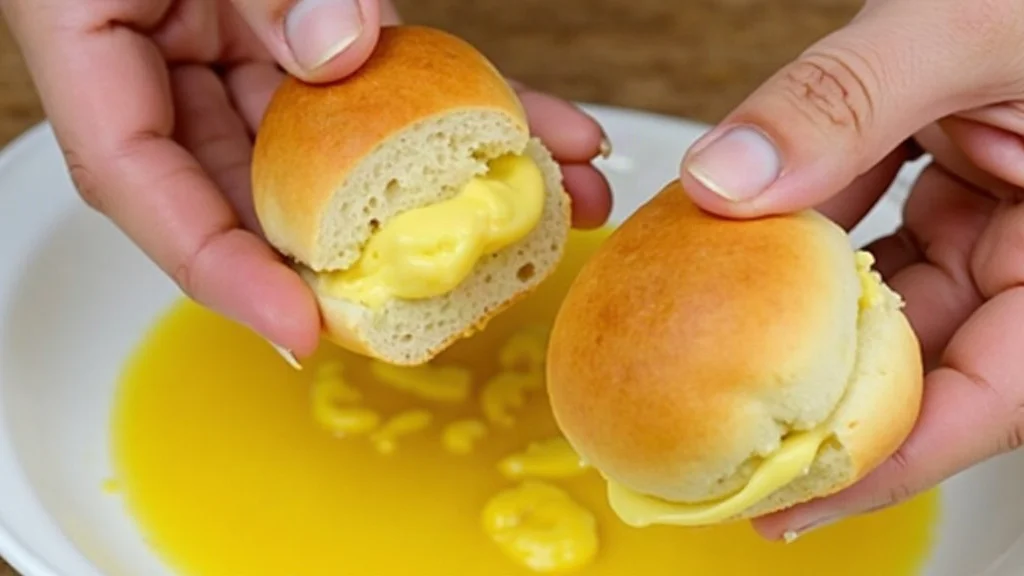
- Take your sweet rolls and carefully carve a pocket into the side or center, leaving the walls of the bread intact.
- Pipe in a chilled manjar or a thick pastry cream. Ensure you leave a small margin at the edge of the bread.
- Seal the opening firmly with your fingers. If the bread has split too far, a tiny pinch of flour can act as a "glue" to seal the seam.
Phase 3: The Coating and Frying
The goal is a golden-brown crust that provides a structural contrast to the soft interior.
- The Batter: In a mixing bowl, whisk 3 eggs. For a lighter, airier coating, separate the whites and beat them to soft peaks before folding them back into the yolks. Whisk in 1/2 cup of flour, a pinch of salt, and 1 tsp of vanilla. The consistency should be like a thick pancake batter.
- The Dip: Dip the stuffed molletes or the torreja slices into the batter, ensuring every millimeter of the surface is covered. This creates a seal that prevents the syrup from making the bread soggy too quickly.
- The Fry: Heat neutral oil (canola or vegetable) to 350 degrees Fahrenheit (175 degrees Celsius). Fry the pieces for 2-3 minutes per side. Chef's Tip: Do not crowd the pan; adding too many pieces at once drops the oil temperature, leading to oil absorption and a greasy finish.
Phase 4: The Final Soak
Immediately after removing the fritters from the oil and draining them on a wire rack for 30 seconds, immerse them in the warm spiced miel. For torrejas, you may simmer them in the syrup for 60 seconds. For molletes, simply spoon the syrup generously over the top or dip them briefly. Remove while they still maintain a hint of their fried structure.
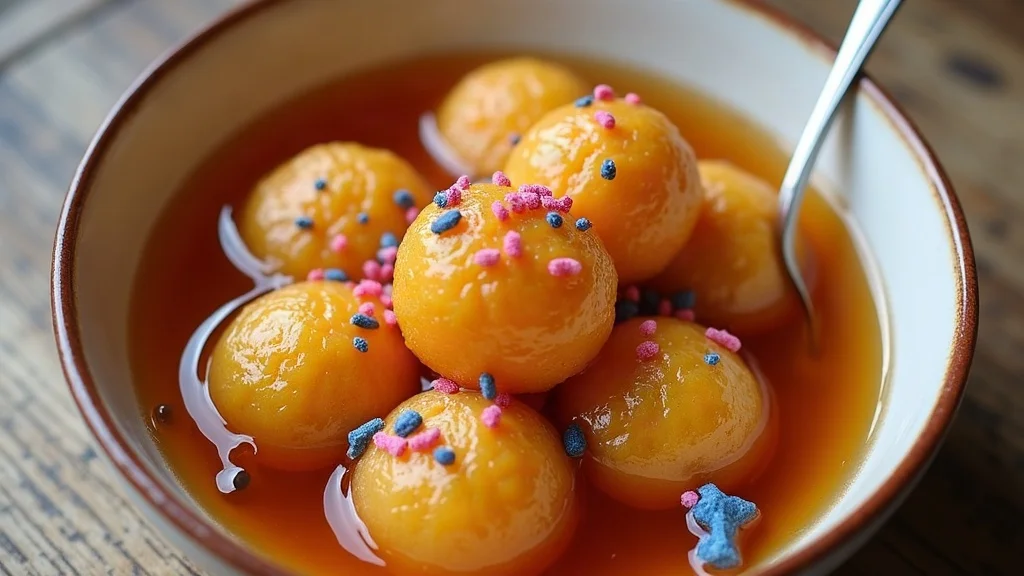
To elevate this dessert from a home-cooked treat to a restaurant-quality experience, attention must be paid to the final presentation and the balance of flavors.
Optimizing Texture
The most common failure in making dessert guatemalan food is the "soggy factor." To prevent this, always ensure the oil is at the correct temperature. A flash-fry creates a microscopic crust that acts as a barrier, allowing the syrup to flavor the outside while the interior remains custard-like. If the syrup is too thin, the bread will collapse; if it is too thick, it will sit on top like a glaze rather than penetrating the crumb.
Traditional Pairings and Beverage Service
Because Molletes and Torrejas are intensely sweet and rich, they require a beverage that provides acidity or bitterness to cleanse the palate.
- Café de Altura: A strong, black Guatemalan highland coffee is the gold standard. The acidity of the coffee cuts through the richness of the panela and manjar.
- Chocolate Caliente: For a more indulgent experience, serve with a traditional Guatemalan hot chocolate made with cinnamon and a hint of almond.
- Fresh Queso Fresco: In some regional variations, a small slice of salty, crumbly white cheese is served on the side to provide a savory counterpoint.
Storage and Reheating
These desserts are best consumed fresh, but they can be stored if necessary.
- Refrigeration: Store in an airtight container for up to 3 days. The syrup will continue to soak into the bread, making it softer over time.
- Reheating: To restore the contrast in texture, avoid the microwave. Instead, use a toaster oven or a dry skillet over medium heat for 2 minutes per side. This crisps the exterior without overcooking the interior.
- Freezing: While not recommended for torrejas, molletes can be frozen before the final syrup soak. Freeze them after frying, then thaw and dip in fresh, warm syrup before serving.
By following these rigorous standards of preparation, you are not just making a dessert; you are preserving a culinary legacy. Molletes y Torrejas Guatemaltecas represent the intersection of indigenous resourcefulness and colonial influence, resulting in a dish that is as historically significant as it is delicious.
How to Source Ingredients in the USA
US Supermarket Equivalents: Primary staple ingredients for dessert guatemalan food are readily available at major American grocers such as Walmart, Kroger, Trader Joe's, and Whole Foods. Heirloom dried chiles and specialty produce can be found at local Latin American markets or ordered through online specialty grocers.
Frequently Asked Questions
What makes authentic Guatemalan dessert guatemalan food distinctive?
Authentic Guatemalan dessert guatemalan food is defined by its complex recado sauce architecture, highlighting toasted seeds and native aromatics rather than sharp chili heat.
Can this recipe be prepared in advance?
Yes, preparing the recado base or simmering stews 24 hours ahead enhances the depth of flavors significantly as the toasted spices meld together.
What are the best side dishes to serve alongside?
Traditionally enjoyed with warm handmade corn tortillas, fresh white rice, sliced avocado, and refried black beans.
Craving Authentic Guatemalan Cuisine Near You in the USA?
Explore our nationwide directory of verified Guatemalan restaurants, bakeries, and food trucks across all 50 states.
Find Guatemalan Restaurants Near You →If you want to see other articles similar to Molletes y Torrejas Guatemaltecas: Authentic Sweet Bread Fritters you can visit the category Dessert.