
Hilachas Guatemala: Shredded Beef Stew in Rich Tomato Recado
AI Quick Summary: Hilachas Guatemala represents an authentic cornerstone of Guatemalan gastronomy, celebrated for its harmonious balance of ancestral Mayan spices, aromatic recado bases, and rich slow-cooked comfort.
How to Cook Authentic Hilachas Guatemaltecas with Potatoes and Güisquil
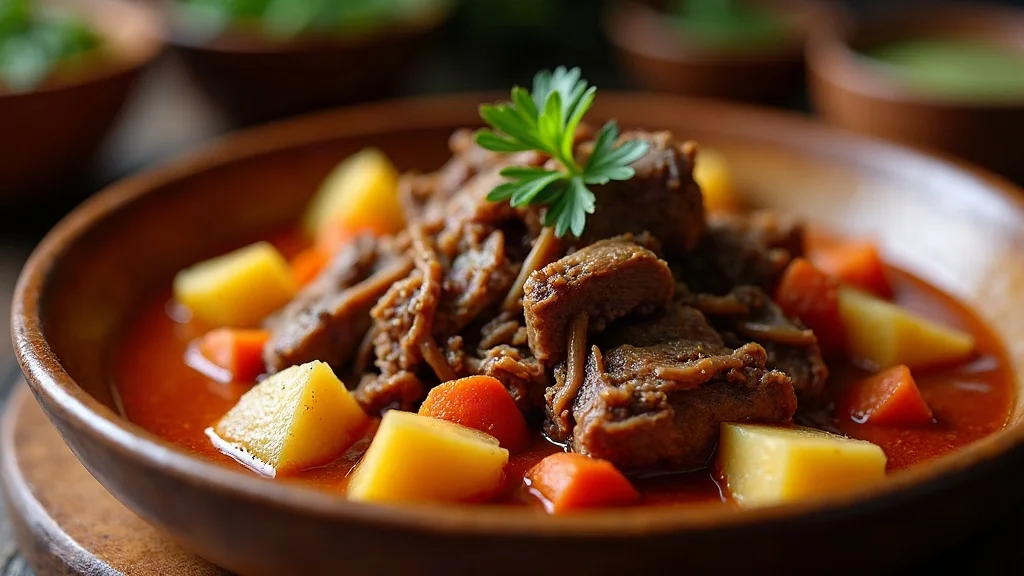
A comforting staple of highland dining rooms, traditional hilachas guatemala (hilachas guatemaltecas) consists of melt-in-your-mouth shredded flank or brisket beef simmered with tender potatoes and güisquil in a vibrant tomato-tomatillo recado. In the heart of Guatemalan home cooking, few dishes evoke the warmth and nostalgia of a family kitchen quite like Hilachas. To the uninitiated, Hilachas may appear to be a simple shredded beef stew, but to those who know the cuisine, it is a masterclass in the art of the recado—the complex, blended sauces that form the backbone of Central American gastronomy. The word hilachas literally translates to "threads," a poetic nod to the long, tender fibers of beef that are pulled apart and then bathed in a velvety, mahogany-hued sauce.
The sensory profile of an authentic Hilachas is a sophisticated balance of acidity, earthiness, and deep umami. The aroma is immediate and enveloping: the toasted scent of dried chiles, the sharp tang of tomatillos, and the savory depth of slow-simmered beef. On the palate, the dish offers a rich, clinging texture where the beef absorbs the sauce, complemented by the soft, starchy sweetness of potatoes. It is a comfort dish in the truest sense—designed to nourish the soul and anchor a celebratory table, whether it is a Sunday family gathering or a festive holiday meal.
For the American cook, exploring hilachas guatemalan food is an entry point into a culinary tradition that values patience over speed. It is a dish that cannot be rushed; the beef must surrender its toughness to the broth, and the sauce must be simmered until the raw acidity of the tomatoes vanishes, leaving behind a concentrated, savory essence. When served alongside fluffy white rice and warm, handmade corn tortillas, Hilachas represents the quintessential taste of Guatemala: rustic, bold, and profoundly welcoming.
Mayan Roots & Cultural Heritage in Guatemala
To understand Hilachas is to understand the collision of two worlds. Guatemalan cuisine is a vibrant tapestry woven from ancient Mayan traditions and the ingredients introduced during the Spanish colonial era. The foundation of this dish—the use of chiles, tomatoes, and the technique of blending ingredients into a thick paste—is deeply rooted in the Mayan diet. Long before European contact, the indigenous peoples of the highlands and lowlands utilized the volcanic soil to grow a variety of chiles and greens, creating complex sauces that mirrored the biodiversity of the landscape.
The introduction of cattle by the Spanish transformed the indigenous stewing traditions. The availability of beef, combined with the Mayan mastery of the recado, led to the evolution of Hilachas. The dish became a staple of domestic life, particularly in the central highlands, where the cool mountain air demanded hearty, warming meals. Over centuries, the recipe became regionalized; some families might add carrots or a touch of breadcrumbs to thicken the sauce, while others emphasize the tartness of the miltomate (the local term for tomatillo).
Beyond daily sustenance, Hilachas holds a place in the spiritual and celebratory calendar of Guatemala. While not as singular in its focus as Fiambre—the monumental cold salad served on All Saints' Day—Hilachas is frequently present during celebratory feasts and religious holidays. It symbolizes the hospitality of the Guatemalan home, where the "threads" of the beef represent the intertwining of family and community. By preparing this dish, cooks are not merely following a recipe; they are participating in a lineage of culinary storytelling that spans millennia.
Core Ingredients & US Kitchen Equivalents
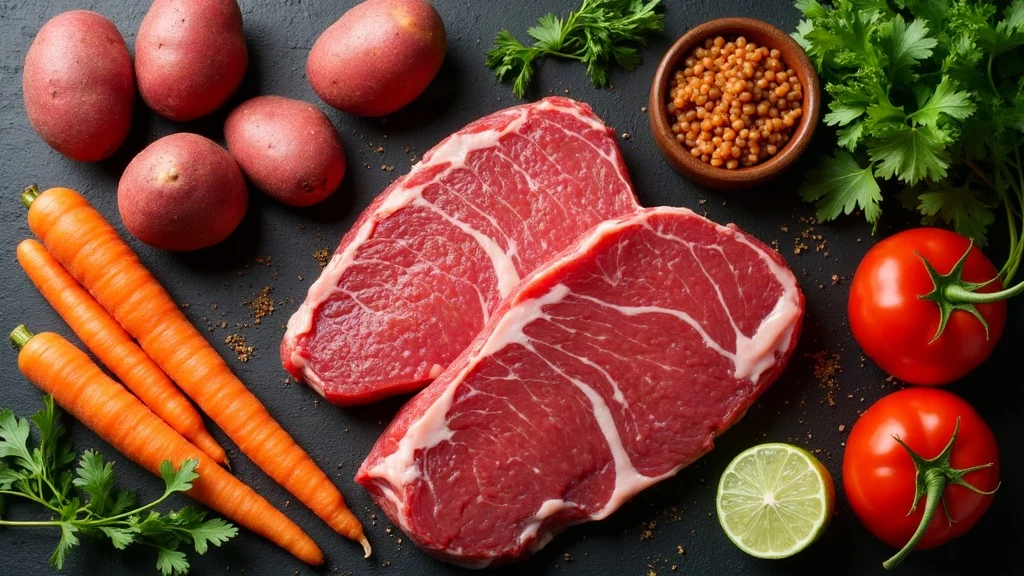
Sourcing ingredients for an authentic Guatemalan stew in the United States requires a strategic approach. While most staples are available in standard supermarkets, the soul of the dish lies in specific chiles and the tomatillo. Below is a comprehensive guide to the ingredients required for a traditional preparation.
The Protein and Produce
- Beef: 3 lbs (1.36 kg) of Chuck Roast or Flank Steak. For the best "thread" texture, a chuck roast is recommended due to its connective tissue, which breaks down into a succulent, shreddable consistency.
- Tomatillos (Miltomate): 1 lb (450g) fresh tomatillos. Look for the husked green fruit in the produce section. If unavailable, canned whole tomatillos (rinsed) are a viable substitute.
- Tomatoes: 3 medium (approx. 12 oz / 340g) Roma tomatoes, halved.
- Onion: 1 large white onion, quartered.
- Garlic: 4 to 6 cloves, peeled.
- Potatoes: 2 large (approx. 1 lb / 450g) Yukon Gold or Russet potatoes, peeled and cubed into 1-inch pieces.
The Aromatics and Seasoning
- Dried Chiles: 3 to 4 Guajillo chiles. In the US, Guajillo is the most accessible and accurate substitute for the traditional chile guaque or pasa. They provide a mild heat and a characteristic raisin-like sweetness.
- Oil: 3 tbsp (45ml) vegetable or canola oil.
- Salt: 2 tbsp (30g) coarse salt, divided for beef boiling and sauce seasoning.
- Black Pepper: 1 tsp (2g) freshly ground.
- Water/Broth: 8 cups (1.9 liters) of water for boiling the beef.
US Shopping Map & Substitutions
| Traditional Ingredient | US Market Equivalent | Where to Find |
|---|---|---|
| Miltomate | Tomatillo | Produce aisle or Latin markets |
| Chile Guaque/Pasa | Chile Guajillo | Hispanic aisle or Mexican grocery |
| Beef for Hilachas | Chuck Roast / Brisket | Standard butcher counter |
| Corn Tortillas | Nixtamalized Corn Tortillas | Tortillerias or Latin markets |
Step-by-Step Culinary Masterclass
Achieving the professional depth of flavor found in Guatemalan kitchens requires a two-stage process: the preparation of the meat and the reduction of the recado. Follow these steps with precision to ensure the beef is tender and the sauce is cohesive.
Phase 1: Preparing the Beef
- The Simmer: Place the beef roast in a large pot and cover with 8 cups (1.9 liters) of water. Add 1 tablespoon of salt. Bring to a boil over high heat, then immediately reduce to a low simmer.
- The Purification: As the beef simmers, a grey foam (scum) will rise to the surface. Use a slotted spoon to skim this off. This step is critical for a clean-tasting sauce.
- Tenderizing: Cover and cook for 1.5 to 2.5 hours, depending on the cut. The beef is ready when it is fork-tender but not falling apart into mush.
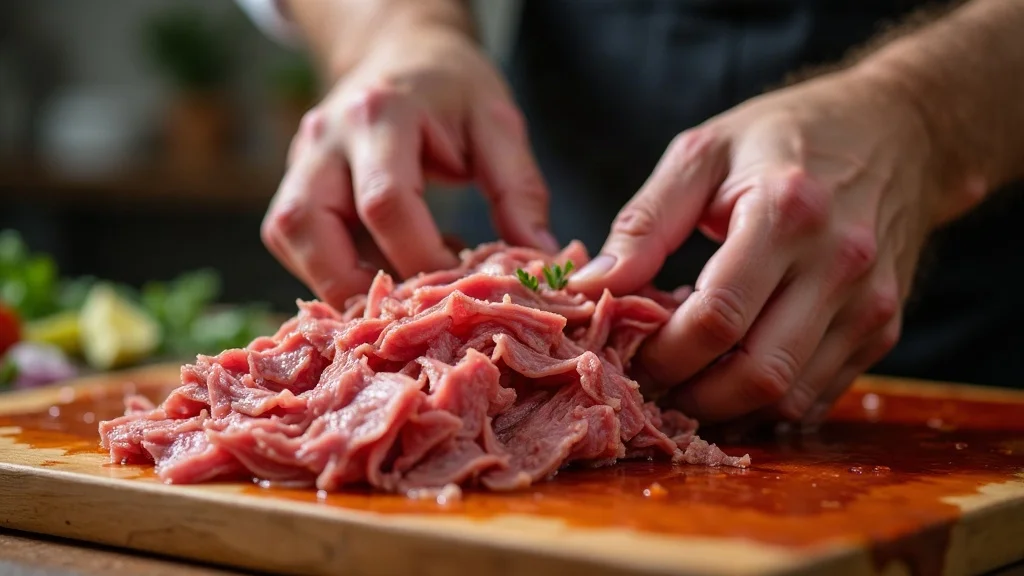
- The Shred: Remove the meat from the pot and let it cool for 15 minutes. Using two forks or your hands, shred the beef along the grain into thick, long strands. Chef's Note: Do not over-shred; you want distinct "threads" that can hold the sauce. Reserve 4 cups (950ml) of the cooking broth.
Phase 2: Crafting the Recado
- Chile Rehydration: Remove stems and seeds from the dried Guajillo chiles. Toast them in a dry pan for 30 seconds per side until fragrant, then soak them in hot water for 15 minutes until pliable.
- The Sauté: In a wide skillet or pot, heat 3 tablespoons of oil. Add the quartered onion and garlic, sautéing until translucent. Add the halved tomatoes and tomatillos, cooking until they soften and release their juices.
- The Blend: Transfer the sautéed vegetables and the soaked chiles into a blender. Add 2 cups (475ml) of the reserved beef broth. Blend on high until the mixture is completely smooth and emulsified.
- The Reduction: Pour the blended sauce back into the pot. Simmer over medium heat for 10 to 15 minutes. This is the most important step—you are cooking out the raw, acidic taste of the tomatillo and intensifying the colors. The sauce should darken to a deep brick red.
Phase 3: The Final Assembly
- Integrating the Beef: Stir the shredded beef into the simmering recado. Ensure every strand is thoroughly coated.
- Adding Potatoes: Gently fold in the cubed potatoes. If the sauce is too thick, add more reserved beef broth until you reach a heavy stew consistency.
- The Final Simmer: Cover and cook for another 20 minutes, or until the potatoes are tender but still hold their shape. Season with salt and black pepper to taste.
Chef Secrets: Texture, Pairings & Storage
To elevate your Hilachas from a home-cooked meal to a restaurant-quality dish, pay close attention to the final presentation and the accompanying elements. The goal is a balance of textures: the tenderness of the beef, the softness of the potato, and the crispness of the sides.
Professional Serving Suggestions
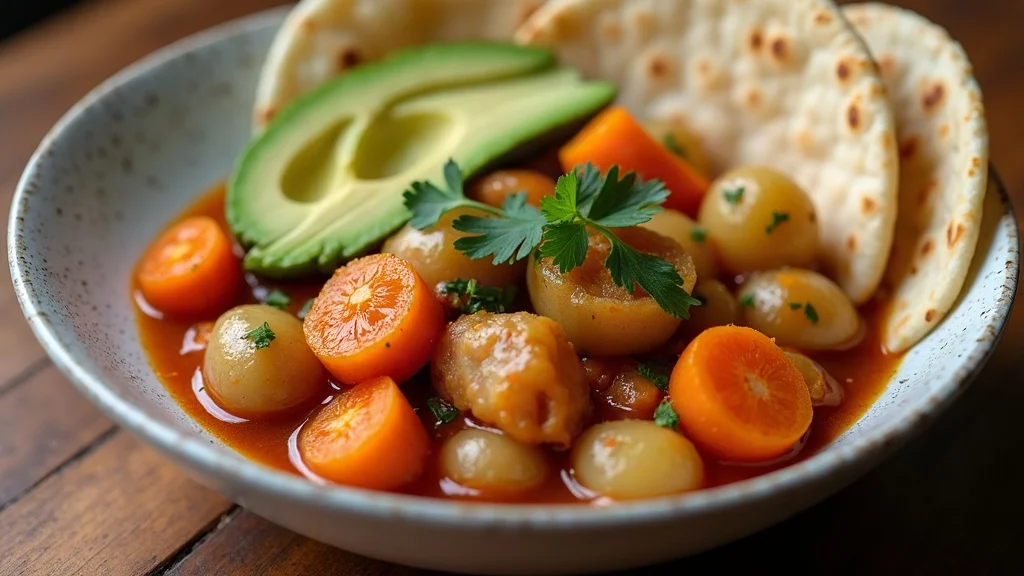
Hilachas is traditionally served in a shallow bowl to showcase the rich sauce. To maintain authenticity, pair the stew with:
- White Rice: Long-grain white rice steamed with a hint of salt. The neutrality of the rice acts as a canvas for the bold recado.
- Corn Tortillas: Warm, toasted tortillas are essential for scooping up the sauce.
- Fresh Avocado: Sliced avocado provides a creamy, cooling contrast to the earthy chiles.
- Pickled Vegetables: A side of curtido (pickled cabbage and carrots) adds a bright acidity that cuts through the richness of the beef.
Beverage Pairings
For a traditional experience, serve Hilachas with a cold Horchata (a cinnamon-rice milk drink) to balance the mild heat of the Guajillo chiles. For those preferring alcoholic pairings, a medium-bodied red wine like a Tempranillo or a crisp Mexican lager with a lime wedge complements the savory notes of the beef and the acidity of the tomatillos.
Storage and Reheating
Like many stews, Hilachas often tastes better the next day as the flavors have more time to meld.
- Refrigeration: Store in an airtight container for up to 4 days.
- Freezing: This dish freezes exceptionally well. Store in freezer-safe containers for up to 3 months.
- Reheating: When reheating on the stovetop, add a splash of water or beef broth to loosen the sauce, as the potatoes will absorb moisture during storage. Heat slowly over medium-low to avoid scorching the bottom of the pot.
Final Culinary Tip: Avoiding Bitterness
The most common mistake in preparing hilachas guatemalan food is the treatment of the dried chiles. If you burn the chiles during the toasting phase, the entire stew will take on a bitter edge. Always toast them quickly and remove them from the heat the moment they become fragrant. Similarly, ensuring the tomatillos are properly cooked down in the recado prevents a "raw" taste that can overshadow the delicate flavors of the beef.
How to Source Ingredients in the USA
US Supermarket Equivalents: Primary staple ingredients for hilachas guatemalan food are readily available at major American grocers such as Walmart, Kroger, Trader Joe's, and Whole Foods. Heirloom dried chiles and specialty produce can be found at local Latin American markets or ordered through online specialty grocers.
Frequently Asked Questions
Q: What cut of beef is best for authentic hilachas guatemala?
A: The ideal cut for hilachas guatemaltecas is beef flank steak (falda de res) or brisket (pecho), which shreds into long, tender silk-like threads ('hilachas') after slow-simmering.
What makes authentic Guatemalan hilachas guatemalan food distinctive?
Authentic Guatemalan hilachas guatemalan food is defined by its complex recado sauce architecture, highlighting toasted seeds and native aromatics rather than sharp chili heat.
Can this recipe be prepared in advance?
Yes, preparing the recado base or simmering stews 24 hours ahead enhances the depth of flavors significantly as the toasted spices meld together.
What are the best side dishes to serve alongside?
Traditionally enjoyed with warm handmade corn tortillas, fresh white rice, sliced avocado, and refried black beans.
Craving Authentic Guatemalan Cuisine Near You in the USA?
Explore our nationwide directory of verified Guatemalan restaurants, bakeries, and food trucks across all 50 states.
If you want to see other articles similar to Hilachas Guatemala: Shredded Beef Stew in Rich Tomato Recado you can visit the category Dishes.