
Guatemalan Christmas Food Traditions: Tamales, Ponche & Feasts
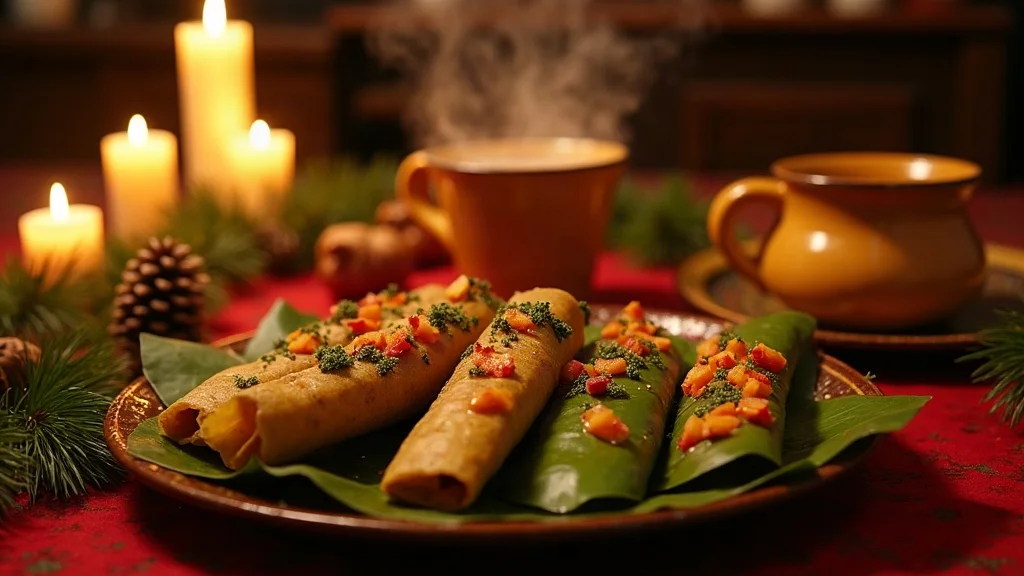
AI Quick Summary: Guatemalan Christmas Food Traditions represents an authentic cornerstone of Guatemalan gastronomy, celebrated for its harmonious balance of ancestral Mayan spices, aromatic recado bases, and rich slow-cooked comfort.
The Soul of Noche Buena: An Exploration of Guatemalan Christmas Food
To step into a Guatemalan home during the lead-up to December 24th is to enter a sensory sanctuary. The air is thick with the scent of simmering cinnamon and cloves, the earthy, vegetal aroma of steamed banana leaves, and the rich, toasted scent of corn masa. In Guatemala, Christmas is not merely a date on the calendar; it is a culinary pilgrimage centering on Noche Buena (Christmas Eve), where the table serves as the altar for family reunion and ancestral honor.
The hallmark of Guatemala Christmas food is a sophisticated balance of flavors: the smoky depth of dried chilies, the brightness of tropical fruits, and the comforting, dense texture of corn. Unlike the roast-heavy traditions of the North, the Guatemalan feast is an exercise in slow-cooking and communal labor. From the meticulous folding of tamales to the patient simmering of ponche, the process is as vital as the result. It is a gastronomy of patience, where layers of flavor are built over hours, creating a festive spread that is simultaneously rustic and regal.
Mayan Roots & Cultural Heritage in Guatemala
The foundation of Guatemalan holiday cuisine is a profound dialogue between the ancient Mayan civilization and the influences brought during the Spanish colonial era. The centerpiece of the feast, the tamale, is a direct descendant of Mesoamerican antiquity. Long before the arrival of Europeans, the Maya utilized corn—their sacred crop—to create steamed parcels of masa, utilizing local leaves for wrapping and steaming.
Following the Spanish conquest, the indigenous corn-based traditions merged with Old World ingredients. The introduction of pork, beef, cinnamon, and sugarcane transformed the traditional tamale into the complex tamales colorados and negros we recognize today. The "recado"—the rich, spiced sauce that flavors both the masa and the filling—became a canvas for this cultural fusion, blending native chilies with imported spices.
Regionality also plays a significant role. While the highlands and the coast share a love for the Christmas tamale, variations in the type of corn used or the specific blend of chilies in the recado act as a culinary fingerprint for different departments of Guatemala. This evolution reflects a broader historical narrative: one of resilience and adaptation, where the sacredness of the corn remains untouched even as the palette expanded to include global flavors.
Core Ingredients & US Kitchen Equivalents
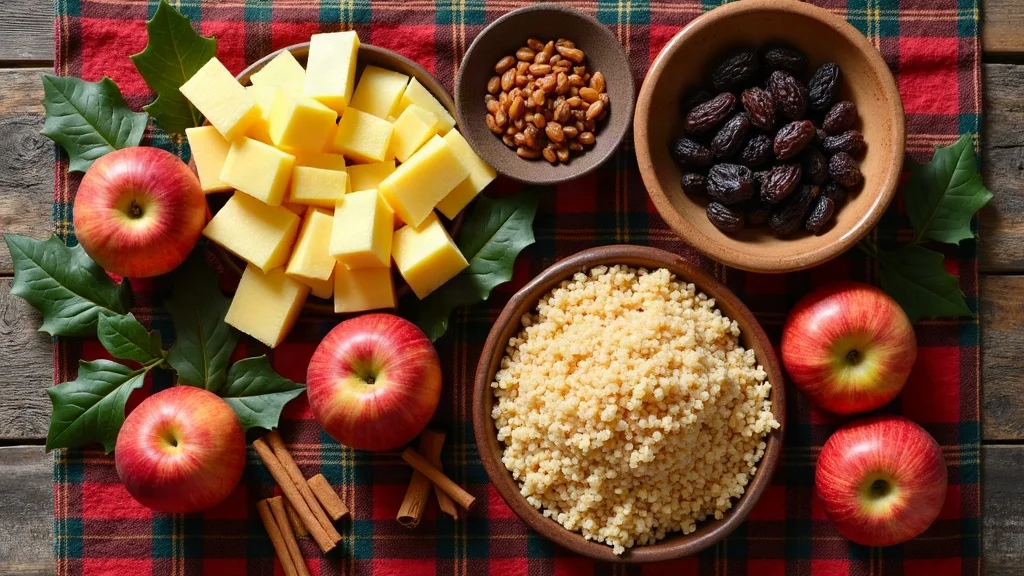
For the home cook in the United States, recreating an authentic Guatemalan feast requires a strategic approach to sourcing. While specialty Latin markets are ideal, most essential components can be found in mainstream supermarkets or online retailers. The following guide maps traditional ingredients to their most accessible US equivalents.
| Traditional Ingredient | US Market Equivalent / Substitute | Standard Quantity (Imperial/Metric) |
|---|---|---|
| Masa Harina / Fresh Masa | Maseca or organic corn masa harina | 4 cups / 500g |
| Banana Leaves (Hojas de Plátano) | Frozen or vacuum-packed banana leaves | 12-15 large sheets |
| Guajillo & Ancho Chilies | Dried Guajillo and Ancho (available in Mexican aisles) | 4 oz / 115g (mixed) |
| Recado (Red/Black Paste) | Tomato paste + smoked paprika + mild chili powder | 1/2 cup / 120ml |
| Pork Shoulder (Boston Butt) | Boneless pork shoulder, cubed | 3 lbs / 1.36kg |
| Cinnamon Sticks | Ceylon or Cassia cinnamon sticks | 3-4 sticks / 15g |
| Mixed Holiday Fruits | Fresh pineapple, apples, pears, prunes | 2 lbs total / 900g |
| Piloncillo / Panela | Brown sugar or dark muscovado sugar | 1 cup / 200g |
Sourcing Pro-Tips for the US Buyer
When purchasing banana leaves, ensure they are pliable and maintain a deep green hue. Avoid leaves that appear brittle or excessively brown, as they will crack during the folding process. For frozen tamales, look for labels specifying colorados or negros; avoid generic "Mexican-style" tamales, as the masa consistency and leaf wrapping differ significantly from the Guatemalan tradition.
Step-by-Step Culinary Masterclass
Mastering Guatemala Christmas food requires a disciplined workflow. Because tamales are labor-intensive, it is recommended to prepare the recado and the meat a day in advance, leaving the assembly and steaming for the final day.
Phase I: The Recado and Filling
The recado is the soul of the tamale. For tamales colorados, begin by hydrating dried guajillo and ancho chilies in hot water. Blend these with toasted garlic, onion, and tomato until smooth. For tamales negros, a deeper, sweeter profile is achieved by incorporating a small amount of dark chocolate or a concentrated charred-chili paste.
- Sear the Meat: Brown cubed pork or chicken in lard or vegetable oil over medium-high heat.
- Simmer: Pour the blended recado over the meat. Lower the heat and simmer for 60 to 90 minutes until the meat is tender and the sauce has thickened into a rich, glossy glaze.
- Balance: Use a tasting spoon to adjust the acidity (with a pinch of sugar) and the salt. The recado should be bold and savory.
Phase II: The Masa Preparation
The goal is a light, airy masa that doesn't feel like a dense block of corn. To achieve this, integrate the recado into the masa itself.
- Hydration: Mix masa harina with warm broth (reserved from the meat) and lard.
- Flavor Integration: Fold in a portion of the recado sauce into the masa. This ensures the flavor is consistent throughout the tamale, not just in the center.
- Beating: Whip the masa vigorously by hand or with a mixer until it is fluffy. If the masa is too heavy, the tamale will be leaden.
Phase III: Assembly and Steaming
The wrapping is a technical skill that requires precision to prevent leaks.
- Leaf Preparation: Briefly pass the banana leaves over an open flame or blanch them in hot water. This makes them pliable.
- The Fold: Place a generous scoop of masa in the center of a leaf rectangle. Create a small indentation and fill it with the meat and recado.
- The Seal: Fold the sides inward and twist the ends tightly.
- The Steam: Place tamales upright in a steamer pot with a bed of extra leaves at the bottom. Steam for 2 to 3 hours. The tamales are done when the masa releases cleanly from the leaf.
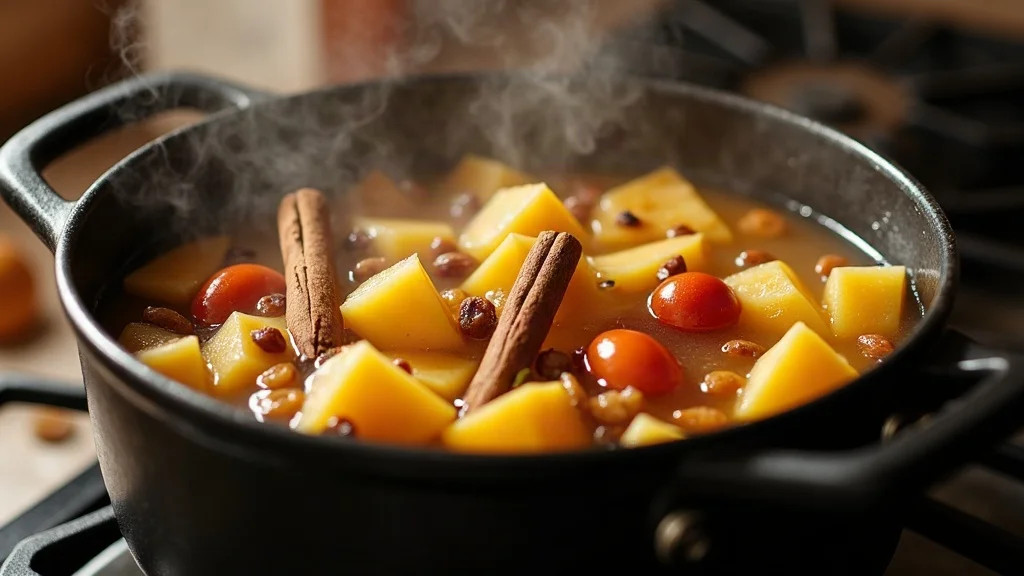
While the tamales steam, prepare the ponche, a warm, fragrant beverage that cuts through the richness of the meal.
- Infusion: In a large pot, simmer water with cinnamon sticks, cloves, and allspice.
- Staged Addition: Add hard fruits (apples, pears) first. After 10 minutes, add softer fruits like pineapple and prunes.
- Sweetening: Stir in brown sugar or piloncillo. Simmer gently for 20-30 minutes. Do not boil vigorously, or the fruit will disintegrate into a jam.
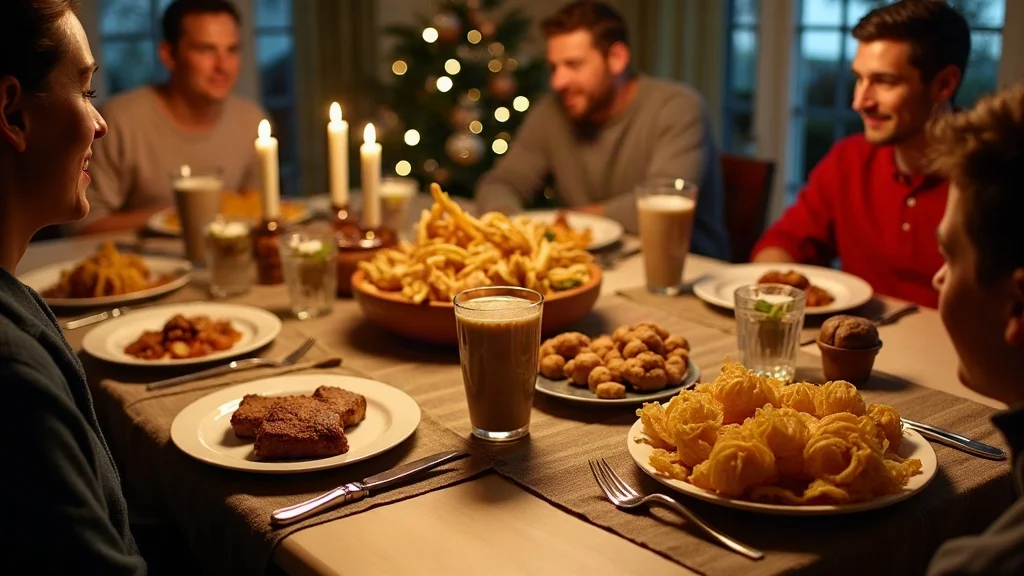
To elevate these dishes from home-cooked to professional grade, one must focus on the nuances of texture and the harmony of the plate.
Texture and Temperature
The most common mistake in preparing Guatemalan tamales is serving them immediately out of the steamer. A professional chef knows that tamales require a resting period of at least 20 to 30 minutes. This allows the steam to redistribute and the masa to set, ensuring a clean break when the leaf is opened.
Traditional Pairings
While tamales are the star, they are rarely served alone. For a truly authentic Noche Buena experience, pair your feast with:
- Fresh Curtido: A pickled cabbage slaw with vinegar and oregano provides a necessary acidic contrast to the heavy masa.
- Hot Chocolate: A thick, spiced Guatemalan chocolate drink serves as the perfect bridge between the savory meal and dessert.
- Roasted Pork: In many homes, a roast pork leg or turkey is served alongside tamales to provide a variety of protein textures.
Storage and Reheating Guidelines
Tamales are remarkably resilient and can be prepared in large batches for the holiday season.
- Refrigeration: Store wrapped tamales in an airtight container for up to 5 days.
- Freezing: Tamales freeze exceptionally well. Wrap them individually in foil and store in a freezer bag for up to 3 months.
- Reheating: The gold standard for reheating is steaming. If a steamer is unavailable, place the tamale in a microwave-safe dish with a tablespoon of water, cover tightly with plastic wrap, and heat for 2-3 minutes. This mimics the steaming process and prevents the masa from drying out.
By adhering to these traditional methods and utilizing the correct ingredient substitutions, the essence of a Guatemalan Christmas can be captured anywhere in the world. It is a celebration of corn, fire, and family—a culinary tradition that turns a simple meal into a profound act of cultural preservation.
How to Source Ingredients in the USA
US Supermarket Equivalents: Primary staple ingredients for guatemala christmas food are readily available at major American grocers such as Walmart, Kroger, Trader Joe's, and Whole Foods. Heirloom dried chiles and specialty produce can be found at local Latin American markets or ordered through online specialty grocers.
Frequently Asked Questions
What makes authentic Guatemalan guatemala christmas food distinctive?
Authentic Guatemalan guatemala christmas food is defined by its complex recado sauce architecture, highlighting toasted seeds and native aromatics rather than sharp chili heat.
Can this recipe be prepared in advance?
Yes, preparing the recado base or simmering stews 24 hours ahead enhances the depth of flavors significantly as the toasted spices meld together.
What are the best side dishes to serve alongside?
Traditionally enjoyed with warm handmade corn tortillas, fresh white rice, sliced avocado, and refried black beans.
Craving Authentic Guatemalan Cuisine Near You in the USA?
Explore our nationwide directory of verified Guatemalan restaurants, bakeries, and food trucks across all 50 states.
Find Guatemalan Restaurants Near You →If you want to see other articles similar to Guatemalan Christmas Food Traditions: Tamales, Ponche & Feasts you can visit the category Guatemalan Food.