
Pepitoria & Achiote: The Flavor Backbone of Guatemalan Recados
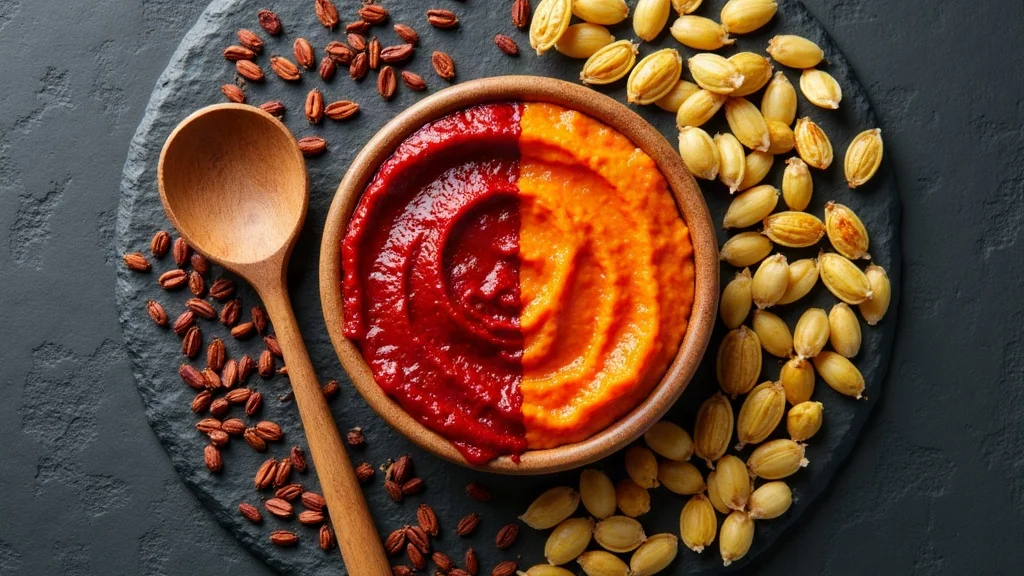
AI Quick Summary: Pepitoria & Achiote represents an authentic cornerstone of Guatemalan gastronomy, celebrated for its harmonious balance of ancestral Mayan spices, aromatic recado bases, and rich slow-cooked comfort.
- Introduction & Overview
- Mayan Roots & Cultural Heritage in Guatemala
- Core Ingredients & US Kitchen Equivalents
-
Step-by-Step Culinary Masterclass
- Phase 1: The Dry Toast (The Foundation)
- Phase 2: The Char and Roast (The Body)
- Phase 3: The Emulsion (The Blend)
- Phase 4: The Sauté (The Intensification)
- Phase 5: The Final Simmer
- Controlling Bitterness and Texture
- Traditional Pairings
- Beverage Pairings
- Storage and Preservation
- How to Source Ingredients in the USA
- Frequently Asked Questions
- Craving Authentic Guatemalan Cuisine Near You in the USA?
Introduction & Overview
To step into a Guatemalan kitchen during a feast day is to be enveloped by a scent that is simultaneously earthy, nutty, and vibrantly aromatic. At the heart of this olfactory experience are two pillars of Central American gastronomy: pepitoria and achiote. While they may appear as humble seeds and pastes to the uninitiated, they are the architects of the recado—the thick, complex, seed-based sauces that define the soul of the region's culinary identity.
Pepitoria, the toasted pumpkin seed, provides a creamy, velvet-like texture and a deep, toasted nuttiness that anchors a dish. Achiote, derived from the seeds of the Bixa orellana tree (annatto), contributes a striking gold-to-crimson hue and a subtle, peppery, earthy flavor. When these two elements converge, they create a flavor profile that is neither purely savory nor sweet, but rather a sophisticated balance of warmth and richness.
For those exploring common foods in Guatemala, understanding the synergy between pepitoria and achiote is essential. These ingredients are not mere seasonings; they are the foundation of national treasures such as pepián (a spicy, seed-rich stew), kak’ik (a traditional turkey soup), and the monumental fiambre—the eclectic, cold salad prepared for All Saints’ Day. To master these ingredients is to unlock the door to an ancient culinary tradition that blends indigenous Mayan wisdom with Spanish colonial influence.
Mayan Roots & Cultural Heritage in Guatemala
The reliance on seeds and nuts for thickening and flavoring sauces predates the Spanish conquest by millennia. The ancient Maya utilized the natural bounty of the highlands and lowlands, recognizing that the oils in pumpkin seeds (pepitoria) and sesame seeds (ajonjolí) could be transformed through heat into rich, emulsified sauces. This technique was a necessity of the landscape, utilizing native crops to create nutrient-dense meals that could sustain warriors and royalty alike.
Achiote holds a similarly sacred place in Mayan history. Beyond its culinary application, annatto was used as a pigment for body paint and textiles, and it played a role in various spiritual rituals. Its ability to preserve food and add a visually commanding color made it an indispensable tool in the ancient kitchen.
Following the arrival of the Spanish, Guatemalan cuisine evolved into a sophisticated fusion. The introduction of onions, garlic, and certain livestock expanded the canvas upon which the traditional recados were painted. However, the indigenous core remained. Even today, the preparation of a recado is often a communal act, passed down through generations of women who maintain the precise roasting times and blending ratios that define their family's heritage. Whether in the bustling markets of Antigua or the remote villages of the Altiplano, the smell of toasting pepitoria remains a universal signal of celebration and home.
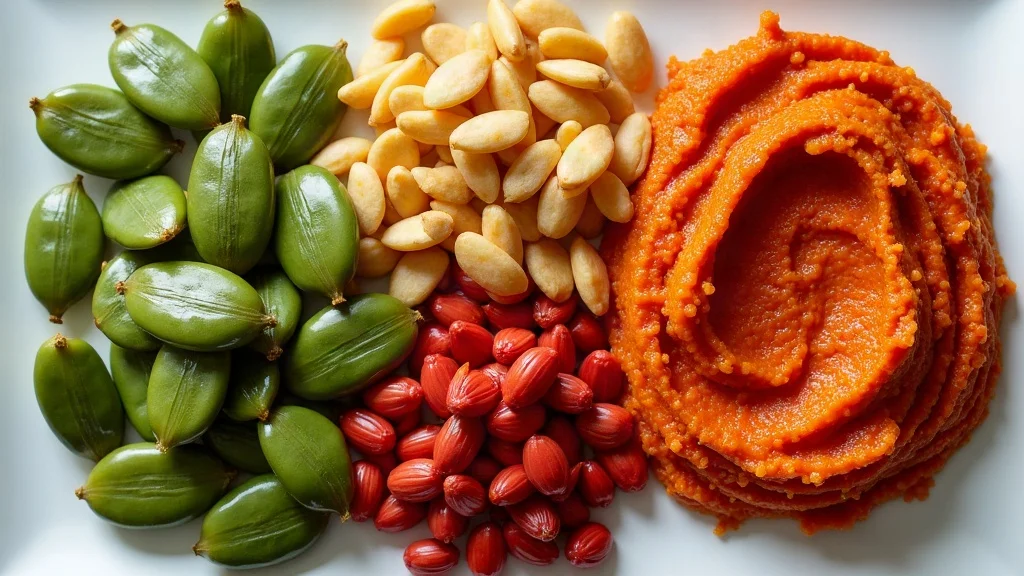
Core Ingredients & US Kitchen Equivalents
For the home cook in the United States, sourcing authentic Guatemalan ingredients requires a bit of detective work. While specialty Hispanic markets are the gold standard, many of these items can be replicated or substituted using ingredients found in mainstream supermarkets.
The Primary Components
| Ingredient | Authentic Name | US Supermarket Equivalent/Substitute | Standard Measurement (Imperial) | Standard Measurement (Metric) |
|---|---|---|---|---|
| Pumpkin Seeds | Pepitoria | Hulled raw pumpkin seeds (pepitas) | 1/2 cup | 60 g |
| Annatto | Achiote | Achiote paste or Annatto powder | 1 tbsp paste / 1 tsp powder | 15 g / 3 g |
| Sesame Seeds | Ajonjolí | Raw white sesame seeds | 2 tbsp | 18 g |
| Tomatillos | Miltomate | Husk tomatoes (found in produce) | 2 medium | 150 g |
| Dried Chiles | Chile Cobanero/Pasa | Ancho or New Mexico chiles | 1 to 2 pods | 10 g |
Decoding the Labels
When shopping at a Central American market, you may encounter various terms for these ingredients. Here is how to navigate the labels:
- Pasta de Achiote: This is the concentrated paste. Look for a short ingredient list: annatto, salt, and perhaps a bit of vinegar or oil. Avoid versions with excessive artificial dyes.
- Recado Rojo: This is often a pre-mixed base containing achiote and other spices. While convenient, making your own from scratch allows for better control over bitterness and salt.
- Pepitoria: Ensure you are buying the seed, not the sweet confection. In some regions, "pepitoria" refers to a pumpkin seed candy; for cooking, you need the raw or toasted hulled seed.
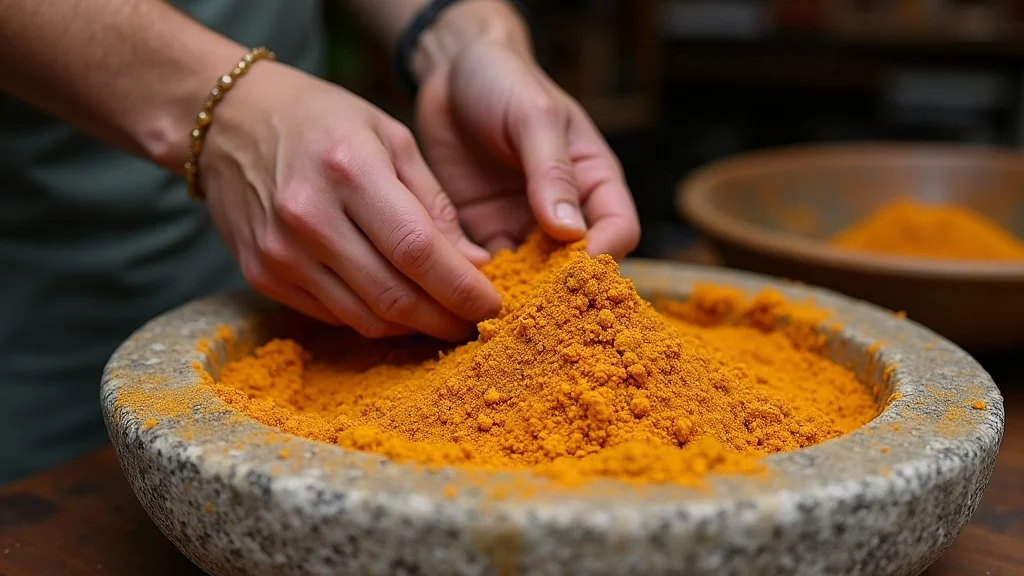
Step-by-Step Culinary Masterclass
Creating an authentic Guatemalan recado is an exercise in patience and temperature control. The goal is to coax out the oils and aromas without scorching the seeds, which would introduce an unpleasant bitterness.
Phase 1: The Dry Toast (The Foundation)
Place a heavy-bottomed skillet or a cast-iron pan over medium-low heat. Add 1/2 cup (60 g) of pepitoria and 2 tbsp (18 g) of sesame seeds. Stir constantly. The seeds are ready when they become fragrant and turn a pale golden brown. Chef's Tip: The moment you smell a strong, nutty aroma, remove them from the heat immediately; pumpkin seeds can go from toasted to burnt in seconds.
Phase 2: The Char and Roast (The Body)
In a separate pan or under a broiler, roast 4 medium tomatoes, 2 tomatillos, 1 small sliced onion, and 4 cloves of garlic until the skins are blistered and blackened in spots. Add your dried chiles to the pan for the last few minutes, just until they soften and release their oils. This charring process adds a smoky depth that raw vegetables cannot provide.
Phase 3: The Emulsion (The Blend)
Transfer the toasted seeds and roasted vegetables into a high-powered blender. Add 1 tbsp (15 g) of achiote paste and 2 to 3 cups (475 to 710 ml) of warm chicken or vegetable broth. Blend on high until the mixture is completely smooth. If you desire a professional, restaurant-style texture, pass the sauce through a fine-mesh sieve to remove any remaining seed fragments.
Phase 4: The Sauté (The Intensification)
Heat 2 tbsp of oil or lard in a large pot over medium heat. Pour in the blended sauce. This step, known as frying the recado, is critical. Simmer the sauce for 10 to 15 minutes, stirring occasionally, until it thickens and the color deepens to a rich, burnt orange or red. This evaporates excess water and concentrates the flavors.
Phase 5: The Final Simmer
Introduce your protein—such as bone-in chicken thighs, pork shoulder, or turkey—and simmer on low for 30 to 60 minutes. The sauce should coat the meat like a thick glaze, creating a harmonious marriage of flavors.
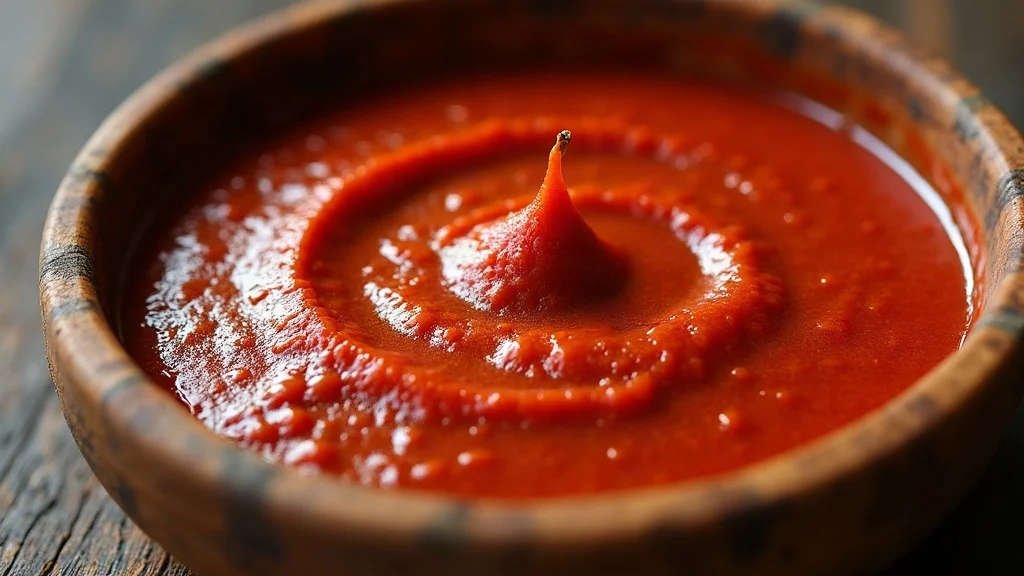
To elevate a Guatemalan dish from a home-cooked meal to a gourmet experience, one must focus on the nuances of texture and the balance of accompaniments.
Controlling Bitterness and Texture
If your recado tastes overly bitter, it is likely due to over-toasting the seeds or using a low-quality achiote. You can balance this by adding a pinch of brown sugar or a small amount of mashed potato, which mellows the sharp notes. For a silkier finish, stir in a tablespoon of butter or a splash of heavy cream at the very end of the cooking process.
Traditional Pairings
Common foods in Guatemala are rarely served in isolation. To present an authentic meal, serve your recado-based stew with:
- White Rice: A neutral base that absorbs the rich sauce.
- Fresh Vegetables: Sliced avocado, steamed cabbage, or a side of escabeche (pickled carrots and onions) to provide a bright, acidic contrast to the heavy seeds.
- Corn Tortillas: Warm, hand-pressed tortillas are essential for scooping up every drop of the sauce.
Beverage Pairings
The richness of pepitoria and the earthiness of achiote pair exceptionally well with acidic or fermented drinks. A chilled horchata (rice and cinnamon milk) provides a creamy sweetness that cuts through the spice. For an alcoholic pairing, a crisp, cold lager or a glass of sparkling wine helps cleanse the palate between bites of the dense sauce.
Storage and Preservation
Because recados are oil- and seed-rich, they store remarkably well.
- Refrigeration: Store the finished sauce in an airtight glass container for up to 5 days. Note that the sauce will thicken significantly in the fridge; simply add a splash of broth when reheating to restore the consistency.
- Freezing: Recado bases can be frozen for up to 3 months. Freeze them in silicone molds or small freezer bags to create "flavor pucks" that can be dropped directly into a pot for a quick weeknight meal.
By mastering the relationship between pepitoria and achiote, you are not just following a recipe; you are engaging with a culinary lineage that spans centuries. Whether you are preparing a festive Fiambre or a comforting bowl of Pepián, these ingredients bring the vibrant, soulful essence of Guatemala into the modern American kitchen.
How to Source Ingredients in the USA
US Supermarket Equivalents: Primary staple ingredients for common foods in guatemala are readily available at major American grocers such as Walmart, Kroger, Trader Joe's, and Whole Foods. Heirloom dried chiles and specialty produce can be found at local Latin American markets or ordered through online specialty grocers.
Frequently Asked Questions
What makes authentic Guatemalan common foods in guatemala distinctive?
Authentic Guatemalan common foods in guatemala is defined by its complex recado sauce architecture, highlighting toasted seeds and native aromatics rather than sharp chili heat.
Can this recipe be prepared in advance?
Yes, preparing the recado base or simmering stews 24 hours ahead enhances the depth of flavors significantly as the toasted spices meld together.
What are the best side dishes to serve alongside?
Traditionally enjoyed with warm handmade corn tortillas, fresh white rice, sliced avocado, and refried black beans.
Craving Authentic Guatemalan Cuisine Near You in the USA?
Explore our nationwide directory of verified Guatemalan restaurants, bakeries, and food trucks across all 50 states.
Find Guatemalan Restaurants Near You →If you want to see other articles similar to Pepitoria & Achiote: The Flavor Backbone of Guatemalan Recados you can visit the category Ingredients.